- English
- French
- German
- Portuguese
- Spanish
- Russian
- Japanese
- Korean
- Arabic
- Greek
- German
- Turkish
- Italian
- Danish
- Romanian
- Indonesian
- Czech
- Afrikaans
- Swedish
- Polish
- Basque
- Catalan
- Esperanto
- Hindi
- Lao
- Albanian
- Amharic
- Armenian
- Azerbaijani
- Belarusian
- Bengali
- Bosnian
- Bulgarian
- Cebuano
- Chichewa
- Corsican
- Croatian
- Dutch
- Estonian
- Filipino
- Finnish
- Frisian
- Galician
- Georgian
- Gujarati
- Haitian
- Hausa
- Hawaiian
- Hebrew
- Hmong
- Hungarian
- Icelandic
- Igbo
- Javanese
- Kannada
- Kazakh
- Khmer
- Kurdish
- Kyrgyz
- Latin
- Latvian
- Lithuanian
- Luxembou..
- Macedonian
- Malagasy
- Malay
- Malayalam
- Maltese
- Maori
- Marathi
- Mongolian
- Burmese
- Nepali
- Norwegian
- Pashto
- Persian
- Punjabi
- Serbian
- Sesotho
- Sinhala
- Slovak
- Slovenian
- Somali
- Samoan
- Scots Gaelic
- Shona
- Sindhi
- Sundanese
- Swahili
- Tajik
- Tamil
- Telugu
- Thai
- Ukrainian
- Urdu
- Uzbek
- Vietnamese
- Welsh
- Xhosa
- Yiddish
- Yoruba
- Zulu
What Is 2-bromo-2-nitropropane-1,3-diol powder Used For?
If you are looking for antimicrobials to use in factories, cosmetics, or water treatment systems, you need a chemical that can safely kill a lot of different germs without making the process of making things harder. In fact, this is what 2-bromo-2-nitropropane-1,3-diol powder does. This solid bug killer, which is also called Bronopol (CAS No. 52-51-7), has been used in lots of different areas since the 1960s. Its chemical structure (C3H6BrNO4) lets it target thiol groups in proteins and stop the processes going on in microbes' cells. For example, this stops the spread of bacteria, fungi, and algae. This powder that can be bent around helps with important manufacturing issues and has been proven to work. As an example, it can keep beauty emulsions from going bad and prevent bacteria that break down sulfates from doing their job.
Understanding 2-Bromo-2-Nitropropane-1,3-Diol Powder
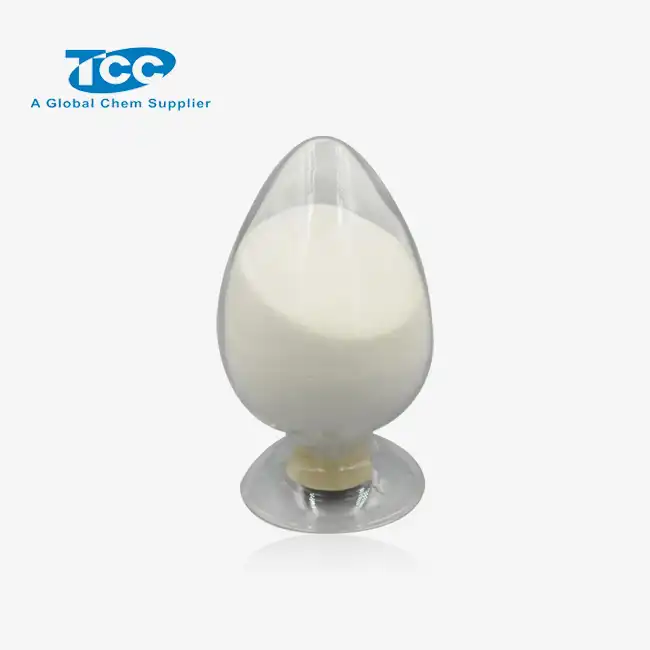
2-bromo-2-nitropropane-1,3-diol powder is a halogenated nitro chemical that is very good at killing germs at the molecular level. The mix is a thick powder that is mostly white with some yellow in it. At 130°C to 133°C, it melts. If the melting range is small, it means the product is very pure. Buying teams should make sure this is true with HPLC tests that show a concentration of at least 98%.
Chemical Structure and Mechanism of Action
Bronopol can kill bacteria because it can make reactive intermediates that can break down thiol groups on bacteria. Enzymes inside microbial cells can't work right because of this process. This breaks down the membranes and kills the cells in the end. This chemical works well with surfactant systems, which makes it useful for formulas that are hard to understand. Many biocides that are cationic stop working when they come in contact with molecules that are anionic. It really works well against Gram-negative bacteria like Pseudomonas aeruginosa, which is a well-known germ that doesn't respond to many popular stabilizers.
Regulatory Status and Safety Considerations
Clear rules have been made for this antibiotic drug by groups all over the world. It can be used in makeup in the European Union because of Annex V of the Makeup Regulation. The FDA also lets it be used in some ways in drug recipes. These people should know that the material is a Class 4.1 flammable solid, which means they need to wear the right safety gear when they touch it. To follow work safety rules, you need to have all the paperwork for the Certificate of Analysis (COA), the Material Safety Data Sheets (MSDS), and the chemical profiles.
Stability and Physical Properties
Formulations are less likely to fail if they know the fixed character. When the pH is between 4.0 and 6.0, the powder stays stable the best. It breaks down faster when the temperature is above 45°C or the pH is above 8.0. This could cause formaldehyde and bromide ions to be released. Care must be taken during production because of this—for the stabilizer to work best, it should be added during the cooling stage, after the pH has been set. Hydrolysis and caking can damage automatic dose systems in plants that make a lot of different things, so the moisture level needs to stay below 0.5%.
Key Uses and Benefits in Various Industries
There are various businesses that use 2-bromo-2-nitropropane-1,3-diol powder in various methods. Each one makes use of its unique antibacterial qualities to address its own issues. When procurement managers know these uses, they can figure out how to best use them in their own companies.
Industrial Water Treatment Applications
Moving water systems in factories have a lot of trouble with microbial biofilms that make them hard to run. This slime builds up in cooling towers and paper pulp plants, blocking heat fluxes and making cooling less effective. It also speeds up bio-corrosion. Simple biocides that break down biofilms can't get through the powder because it is a strong slimicide. If the water is full of nutrients that help germs grow, this product is better because it can still do its job even when there is an organic load. Most of the time, dosage rates are between 10 and 50 ppm, but this can change based on the system size and contamination level.
Oilfield Chemical Applications
Sulfate-reducing bacteria are one of the worst things that can happen to oil and gas production. The hydrogen sulfide (H2S) that these bacteria make makes the reservoir smell bad and breaks down equipment badly in both upstream and downstream operations. This risk can be quickly taken care of before it does any damage to the well by adding 2-bromo-2-nitropropane-1,3-diol powder to hydraulic fracturing fluids, drilling muds, and closing fluids. It has been tried in the field and found that amounts as low as 25 to 100 ppm can control SRB populations in hot, salty downhole environments, where many other biocides fail.
Cosmetic and Personal Care Formulations
Bronopol has been used by the makeup business as part of their protection systems since the 1970s. It keeps shampoos, shower creams, and liquid soaps safe when it's present in amounts between 0.01% and 0.1%. It dissolves quickly in water (about 25g/100ml at 22°C), so it can be added to mixes that are mostly water without the need for special techniques to make them mix. The poison still works against germs that spread through water that grows in bathrooms. This keeps the product's recipe the same and makes it last longer. The results of tests on common makeup ingredients show that cleansers, emollients, and hydrating agents don't mix too well with them.
Pharmaceutical and Medical Applications
Since the 1960s, doctors have used this antibacterial agent in antiseptics and disinfectants that are put on the skin. It can be used in wound care products and skin preparations before surgery because it kills a lot of different germs and fungi. Pharmaceutical businesses like how stable and uniform it is when it is made using GMP-compliant methods. This is because it promises the legal requirement of batch-to-batch predictability.

Companies in the water treatment, makeup, medicines, and oil and gas industries all work with qualified sources that offer expert help and quality assurance that can be tracked. That's why these various uses are significant.
Comparing 2-Bromo-2-Nitropropane-1,3-Diol Powder With Alternative Preservatives
Selecting the appropriate preservative system requires evaluating multiple factors: antimicrobial spectrum, formulation compatibility, regulatory acceptance, cost-effectiveness, and sustainability considerations. By comparing 2-bromo-2-nitropropane-1,3-diol powder to other choices, formulators can come up with better ways to keep things safe.
Efficacy Against Resistant Microorganisms
However, 2-bromo-2-nitropropane-1,3-diol powder is better at killing bacteria than parabens, which are more likely to kill yeasts and fungi. It really does work well against Gram-negative germs. For a lot of different skin types, methylchloroisothiazolinone (CMIT) and methylisothiazolinone (MIT) work great. But officials are paying more attention to them because they may make skin more sensitive to leave-on makeup. Authorities don't mind the chemical being used as long as it doesn't go over certain dose limits. It kills germs effectively.
Synergistic Combinations for Enhanced Protection
A lot of formulators in the business world use more than one way of protection to get results that work better together. It's like having two treatments in one when you mix 2-bromo-2-nitropropane-1,3-diol powder with isothiazolinone derivatives (CMIT/MIT). The isothiazolinones kill planktonic bacteria quickly, and the bronopol kills them. This plan keeps germs from getting stronger and extends the time that water cleaning systems are safe. Bronopol: MIT says that combination ratios are usually between 3:1 and 5:1. This means that smaller amounts of each part can work just as well as the whole system.
Environmental and Sustainability Considerations
Assessments of the effects on the environment are becoming more and more important in today's buying decisions. While quaternary ammonium molecules stay in water, this biocide breaks down pretty quickly when air is present. But the people who make the formulas should know that formaldehyde is a result of breakdown that needs to be broken down properly in wastewater. Companies that care about green chemistry often consider recycling needs, biodegradation rates, and marine toxin data when they look at different ways to keep things safe. Antibiotics help find a balance between how well they work and how bad they are for the world through full lifetime studies.
Procurement Insights for 2-Bromo-2-Nitropropane-1,3-Diol Powder
If you want to buy antibacterials smartly, you need to know how the market works, what your sellers can do, and how to make sure the products are good. This compound's end buyers are mostly in North America, and its sources are mostly in China and Europe. A lot of different kinds of companies with different tech needs use these chains.
Supplier Selection and Quality Verification
Companies with ISO9000 approval and full quality control systems should get more attention from buying teams when they are looking at different suppliers. To be sure of the product's purity levels (≥98% via HPLC), freezing point ranges (128–132°C), moisture content (≤0.5%), and heavy metal limits (≤10ppm), ask for specific information. Suppliers who give batch-specific COA paperwork, full MSDS in English, and legal help for target markets show that they have the quality assurance infrastructure needed for long-term partnerships to work. You can feel safer about big purchases before you make them by sending samples to separate labs to be tested.
Cost Considerations and Bulk Purchasing Advantages
Tech-grade 2-bromo-2-nitropropane-1,3-diol powder costs around $8 to $15 a kilogram, and 500 kg to 5,000 kg can be bought at a time. If you buy a lot of things for container loads, you can get a discount. Most of the time, pharmaceutical-grade material with GMP approval costs 20–30% more. Managers in charge of buying things should not only look at the prices per unit, but also at the total landing costs, which include freight, customs fees, and storage costs. You can be sure that prices will stay stable and that needs will be met first when supply is low if you only do business with approved manufacturers.
Logistics and Supply Chain Reliability
Ships must follow the rules in UN3178 because it is a solid that can catch fire. Many-year-old suppliers make sure that all the paperwork is in order. This includes warnings about dangerous goods and the right way to pack them in fiber drums with plastic bags inside. Orders usually take between two and four weeks to be made, but people who need it right away can get it made faster. As an oil and gas company, you should make sure that your suppliers can help you handle your inventory just-in-time and meet project-specific shipping dates.
Best Practices for Handling and Using 2-Bromo-2-Nitropropane-1,3-Diol Powder
Implementing proper handling protocols protects personnel, maintains product quality, and ensures consistent formulation performance. The standards that these rules are based on have been built up over many years of use in business in many areas.
Storage Conditions and Stability Maintenance
Store goods somewhere cool (below 25°C), dry, dark, and airy. Photodegradation, which looks like yellowing and means the antibiotic power is lower, is caused by light. If you keep sealed drums the right way, they will stay stable for 24 months. Once a package has been opened, it should be resealed right away to keep air and water out. Things stick together and break down too quickly because of hygroscopic moisture uptake. Use the "first-in, first-out" store moving rule to keep from using old things that may not be working as well as they should.
Personal Protective Equipment and Handling Precautions
Gloves that can handle chemicals, safety glasses, and dust masks should be worn by anyone who works with the powder to keep the crystals from getting on their skin, eyes, or lungs. The material makes the skin and eyes itch, and being exposed to it for a long time could cause contact dermatitis. A good way to cut down on dust in the air is to set up clearly marked areas where people can work on things. Use soap and water to wash it off right away if you get it on your skin. There should be emergency eyewash booths close to any place where touching is done.
Formulation Guidelines for Optimal Performance
Once the pH is between 4.0 and 6.0, add 2-bromo-2-nitropropane-1,3-diol powder and let it cool for one last time. Mix the powder with a little of the water phase first to make sure it's spread out evenly before adding it to the bulk recipe. If the system is hotter than 45°C, do not add anything because it will speed up the breakdown process. To avoid making nitrosamines, make sure the mixture works with the secondary amines or amides before you add them. A preservative is checked against certain microbes, like E. coli, before it is used in industrial production. P. aeruginosa, E. coli, S. H. aureus, C. A. albicans, and B. niger.
Conclusion
We looked at the chemical makeup of 2-bromo-2-nitropropane-1,3-diol powder, its various business uses, its comparative benefits, the different ways to buy it, and the best ways to handle it. This antimicrobial agent plays a big part in the oil and gas business, water treatment systems, makeup items, and drug labs. It is effective against tough microorganisms, work well with complex formulas, and be accepted by regulators. Manufacturers who want to make sure their products are safe and reliable should choose this one. When it comes from qualified sellers who offer full technical support and good paperwork, this combination always does what it's supposed to do and meets strict industry standards.
FAQ
1. Can this antimicrobial powder be used in formulations containing amines?
When you mix with secondary amines or amides, be careful because you might make nitrosamines, which are chemicals that may cause cancer. The best way to do things in this field is to stay away from these mixes or make sure they are safe before using them.
2. What pH ranges provide optimal stability?
The compound demonstrates maximum stability between pH 4.0 and 6.0. A pH level above 8.0, which is a neutral state, quickly releases formaldehyde and bromide ions. Watch the pH of the mixture and make any changes that are needed to keep the protection working well for as long as the product is in stock.
3. How does it compare to isothiazolinone preservatives?
Bronopol kills faster and can be used to shock the body. Isothiazolinones, on the other hand, kill cells more slowly but keep killing them over time. Different water treatment plans use different kinds of these preservatives or mix them in ways that make them work better together. This keeps germs from becoming immune and saves money.
4. What certifications should reliable suppliers provide?
Manufacturers with a good reputation keep their ISO9000 certification, give out Certificates of Analysis that are unique to each batch, fill out Material Safety Data Sheets, and provide legal support documents. Pharmaceutical production sites that are GMP-aligned have higher-quality tools for their tasks.
Partner With Taicheng for Premium 2-Bromo-2-Nitropropane-1,3-Diol Powder Supply
You can get high-quality, approved 2-bromo-2-nitropropane-1,3-diol powder from Xi'an TaiCheng Chem Co., Ltd. if you need it for your antibacterial recipes. They have strict rules about how the powder they make should be made. Our ISO9000-certified center follows strict testing rules that make sure each batch is ≥98% pure and stable. Our professional team can help you with formulation, compatibility testing, and legal paperwork that will help you get into the global market. This is true whether you need materials for biocide uses in the fields, water treatment in industry, or systems that keep cosmetics fresh. People in North America, Europe, and other places buy from us because they know they can trust us. We have fair prices, good operations, and quick customer service after the sale. Contact our team at sales@tcc-ofc.com to talk about your unique needs.
References
1. Bryce, D.M., and Smart, J.D. (1965). "Preservative Systems for Industrial Applications: A Technical Review." Journal of Applied Microbiology, Vol. 28, pp. 437-451.
2. Cosmetic Ingredient Review Expert Panel. (2005). "Safety Assessment of 2-Bromo-2-Nitropropane-1,3-Diol in Cosmetic Formulations." International Journal of Toxicology, Vol. 24, Supplement 1, pp. 81-106.
3. National Association of Corrosion Engineers. (2018). "Microbial Control in Oil and Gas Production Systems: Best Practices and Chemical Selection Guidelines." NACE International Publication 8X194.
4. European Chemicals Agency. (2019). "Biocidal Products Regulation: Assessment Report for 2-Bromo-2-Nitropropane-1,3-Diol (CAS 52-51-7)." ECHA Reference Document PT6/11.
5. Society of Petroleum Engineers. (2020). "Managing Sulfate-Reducing Bacteria in Hydraulic Fracturing Operations: Chemical Treatment Strategies." SPE Technical Paper 201544-MS.
6. Industrial Water Treatment Association. (2021). "Comparative Efficacy of Biocides in Cooling Water Systems: Technical Guidelines for Procurement Managers." IWTA Technical Manual Series, Volume 12.
Learn about our latest products and discounts through SMS or email