- English
- French
- German
- Portuguese
- Spanish
- Russian
- Japanese
- Korean
- Arabic
- Greek
- German
- Turkish
- Italian
- Danish
- Romanian
- Indonesian
- Czech
- Afrikaans
- Swedish
- Polish
- Basque
- Catalan
- Esperanto
- Hindi
- Lao
- Albanian
- Amharic
- Armenian
- Azerbaijani
- Belarusian
- Bengali
- Bosnian
- Bulgarian
- Cebuano
- Chichewa
- Corsican
- Croatian
- Dutch
- Estonian
- Filipino
- Finnish
- Frisian
- Galician
- Georgian
- Gujarati
- Haitian
- Hausa
- Hawaiian
- Hebrew
- Hmong
- Hungarian
- Icelandic
- Igbo
- Javanese
- Kannada
- Kazakh
- Khmer
- Kurdish
- Kyrgyz
- Latin
- Latvian
- Lithuanian
- Luxembou..
- Macedonian
- Malagasy
- Malay
- Malayalam
- Maltese
- Maori
- Marathi
- Mongolian
- Burmese
- Nepali
- Norwegian
- Pashto
- Persian
- Punjabi
- Serbian
- Sesotho
- Sinhala
- Slovak
- Slovenian
- Somali
- Samoan
- Scots Gaelic
- Shona
- Sindhi
- Sundanese
- Swahili
- Tajik
- Tamil
- Telugu
- Thai
- Ukrainian
- Urdu
- Uzbek
- Vietnamese
- Welsh
- Xhosa
- Yiddish
- Yoruba
- Zulu
Antifoam AF7000L Benefits for Chemical and Fermentation Industries
Foam formation is a constant problem in fermentation and chemical manufacturing, leading to overflowing equipment, delays in processing, and less consistent products. Antifoam AF7000L is an especially designed polyether-based defoamer that was made to deal with these operating problems. This detailed guide looks at how Antifoam AF7000L can improve process efficiency, cost management, and operating stability in a way that can be measured. This guide is for procurement managers, process engineers, oilfield service contractors, and chemical distributors who work with the US market. It gives technical specs, application rules, and procurement factors that help people make data-driven buying choices. Understanding the unique benefits of this defoamer option can have a big effect on the output and bottom line of your business.
Understanding Antifoam AF7000L: Composition, Mechanism, and Applications
Chemical Composition and Technical Specifications
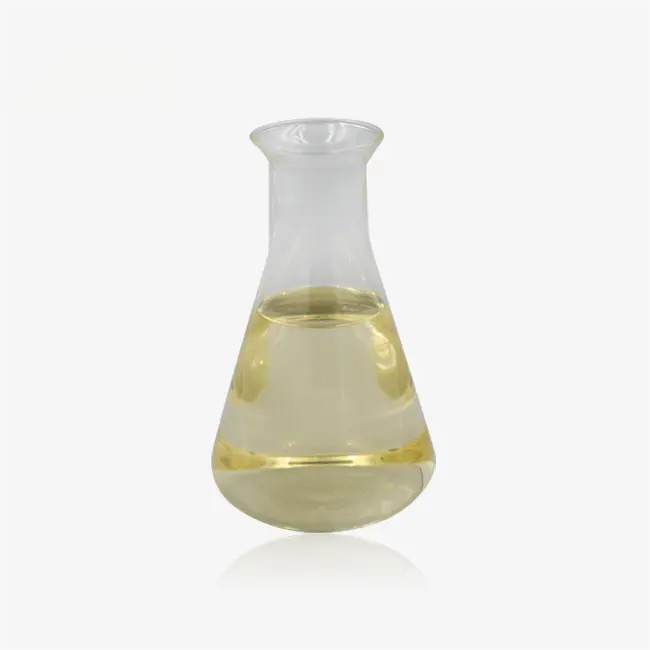
Antifoam AF7000L stands out because it has a carefully balanced recipe that includes advanced stabilizers, unique foam inhibitors, and special polyether compounds. The unique chemical structure of the product shows up as a gray-white to yellow-green liquid. Traditional silicone-based defoamers can leave behind residues in sensitive situations. This polyether formulation, on the other hand, works well in harsh industrial settings without leaving any leftovers. The technical details show that the solution is very stable: it keeps defoaming well at high temperatures and in systems with pH levels that range from very acidic to very alkaline, and it can handle strong mechanical shear forces that normally make other antifoam agents unstable.
Mechanism of Foam Disruption
The defoaming device works in more than one way. When added to a foamy system, Antifoam AF7000L quickly spreads through the liquid because it has the best surface-active qualities. The polyether parts get inside the layers of foam, making the surface less flexible and the bubble structure less stable. This dual action takes down foam right away and keeps it down for a long time, so foam doesn't come back even when new gas is added to the system. The stabilizers make sure that the defoamer stays spread out evenly and doesn't stick together into useless droplets. This is why operators say they use a lot less product per treatment cycle than with other options.
Industrial Application Scope
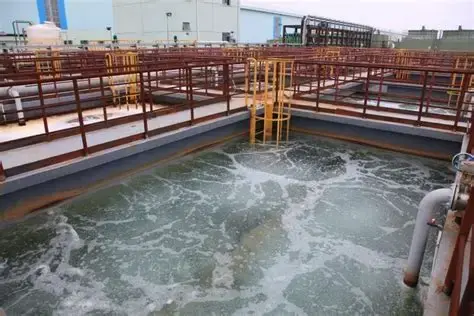
Antifoam AF7000L can be used in a wide range of workplace settings where controlling foam is important. In oil drilling, it stops foam from getting in the way of the mud flow, keeping the drilling fluid's properties and the wellbore stable. It's useful for oilfield grouting because it stops air from getting in, which would weaken the cement bond and make it harder to separate zones. When foam buildup is managed, chemical reactors that work in high-shear conditions, like polymerization tanks or continuous stirred-tank reactors, keep the right amount of liquid and heat transfer efficiency. Fermentation bioreactors, especially those that make antibiotics, enzymes, or industrial alcohols, need to carefully control foam to keep the medium from leaking and to keep pollution and oxygen transfer from being slowed down. This defoamer is used in active sludge systems, membrane bioreactors, and clarifiers where biological chemicals make foam that doesn't go away. Because the recipe works well in strong acid-alkali systems, it can be used for processes with pH extremes, like treating metal surfaces, breaking down pulp, and making specific chemicals.
Environmental and Safety Considerations
Compliance with regulations is still very important for B2B buyers in the US. Different application areas have different governmental approvals, but the chemical's makeup is safe for industry as long as it's treated according to the right procedures. Material Safety Data Sheets tell you everything you need to know about how to store, handle, and handle an emergency. When compared to some silicone formulations, polyether-based chemistry usually has a lower environmental endurance profile. However, it is always important to follow the right waste management practices. Process engineers should check if the defoamer is compatible with the equipment that comes after it. This is especially important when there are strict rules about how pure the product must be or when the defoamer could interact with sensitive catalysts or separation membranes.
Key Benefits of Antifoam AF7000L for Industrial Use
Superior Process Efficiency and Product Quality
When foam is removed, the most obvious benefit that workers notice is that processing conditions return to normal. Fermentation tanks reach their goal fill volumes without overflowing, which lets the reactor's full capacity be used. When chemicals are made in batches, foam-related delays that add 15 to 30 minutes to cycle times for each batch are taken away, which directly boosts output. When foam layers are added to heat transfer surfaces, they become protected and return to working as efficiently as they were meant to, which saves energy and makes temperature control more accurate. The stability of the product gets better because foam carryover into later stages of processing doesn't add unwanted air or need extra separate steps. Quality control labs say that fewer batches are being sent back because of foam contamination or differences in density.
Economic Advantages and Cost Optimization
Cost research shows many ways to save money. Because it disperses well, foam control can be achieved at dosage rates of 10 to 100 parts per million, which is much lower than the 200 to 500 parts per million needed by many rival goods. This focus on effectiveness lowers the cost of both raw materials and shipping, which is especially helpful for businesses that do a lot of work. Downtime in operations caused by foam-related problems, like cleaning equipment, stopping output, or responding to emergencies, goes down significantly. Maintenance costs go down because foam-cavitated pump cavitation, seal damage, and covering buildup happen less often. When smaller amounts of foam-contaminated waste need special treatment or reprocessing, the cost of getting rid of waste goes down. When the total cost of ownership over a year is calculated, many sites report savings of 20 to 35 percent compared to older antifoam solutions, even if the unit price seems to be the same.
Reliability Across Variable Conditions
Conditions in industrial settings don't stay the same for long. Any chemical additive is put to the test by changes in temperature, material, and process problems. Even with these problems, Antifoam AF7000L consistently performs well. The method works the same way whether temperatures rise during exothermic processes or fall when the air cools down. Changes in pH that happen during the neutralization process or cellular reactions do not affect the defoaming action. The defoamer does not break down into parts that don't work in high shear conditions, like those made by high-speed agitators, recirculation pumps, or turbulent flow through heat exchanges. This means that the performance can be predicted, which lets process engineers set fixed dosing methods instead of having to change application rates all the time because the results are changing.
Compliance and Quality Assurance
More and more, procurement teams that are in charge of qualifying suppliers give more weight to sellers who have recorded quality systems and follow all regulations. Xi'an Taicheng Chemical keeps its ISO9000 certification, which means that the company's manufacturing methods follow quality management standards that are known around the world. Testing methods are very strict, and Certificates of Analysis are given for every shipment to prove that the product is consistent from batch to batch. This paperwork helps with legal checks and meets the quality control needs of the customer. The product specs are in line with what is expected for industrial-grade chemical performance. They meet the strict needs of pharmaceutical API makers who need GMP-compatible raw materials and food ingredient makers who follow HACCP rules. Customers can show responsible chemical management practices to regulatory authorities and company sustainability auditors with the help of environmental compliance documents.
These performance traits work together to solve the main operating problems that chemical makers and fermentation plants have to deal with every day. This turns foam control from an after-the-fact firefighting exercise into a planned way to improve the process.
Comparing Antifoam AF7000L with Other Industrial Antifoam Solutions
Formulation Distinctions and Performance Characteristics
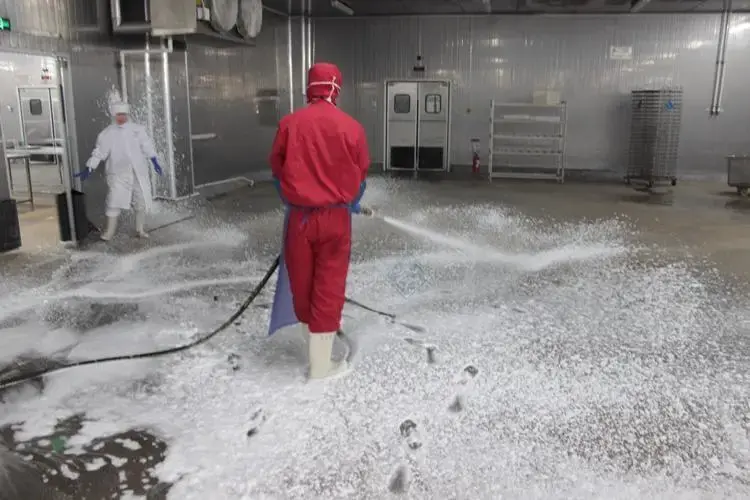
There are several different technology systems available in the defoamer market, and each has its own benefits. Silicone-based antifoams, like polydimethylsiloxane emulsions, work well at a wide range of temperatures and have a fast drop rate. However, they sometimes leave behind residues that make it hard to use coatings or do scientific processes later on. Mineral oil-based defoamers are cheaper, but they often need higher dosage rates and don't work well in places with a lot of alkalinity. Polyether-based solutions, such as Antifoam AF7000L, are good at quickly getting rid of foam without many of the problems that come with silicone chemistry. They also stay stable in tough chemical conditions where oil-based products fail.
Competitive Advantages in Demanding Applications
Compared to other polyether versions on the market, Antifoam AF7000L is more stable when subjected to high-shear conditions that are common in modern industrial processing. When centrifugal pumps, inline mixers, or strong motion are used, the unique stabilizer package keeps the defoamer from separating or losing its usefulness. Temperature tolerance goes higher than that of many rival goods; it keeps defoaming action above 100°C, where some formulas start to break down. The pH stability range goes above and beyond what is normally available, working reliably from pH 2 to pH 13. This wider working range means that you don't have to keep a lot of different defoamers on hand for different process conditions. This makes it easier to keep track of your supplies and buy things that you need.
Economic Evaluation and Total Cost Analysis
The price per kilogram only gives part of the story of economic value. Cost per ton of goods processed or cost per batch run is a more useful measure. Most of the time, 50 to 70 percent less Antifoam AF7000L is needed than with other options to get good foam control. If unit prices stay the same, a fermentation plant that makes 500 batches a year could cut its defoamer use from 2,500 liters to 1,500 liters, which would save a lot of money. Less frequent cleaning of equipment, fewer production pauses caused by foam, and less waste production are all cost benefits that add up over time. Instead of depending only on what the vendor says or the list price, procurement managers who are doing thorough evaluations of vendors should ask for trial amounts to find out real consumption rates under their specific process conditions.
Selection Criteria for Optimal Antifoam Choice
To pick the right defoamer, you have to match the product's properties to the needs of the application. For high-purity pharmaceutical fermentation, effectiveness with no residues and regulation paperwork might be more important than the cost of the raw materials. For oilfield grouting jobs, the cement needs to be stable at high temperatures and work with cement chemistry. Wastewater treatment plants need to be able to handle large amounts of wastewater while still having little effect on the environment. For chemical production tasks that use harsh liquids or very high pH levels, you need to be very resistant to chemicals. By making performance priorities clear, such as quick knockdown speed, long-term foam prevention, chemical compatibility, regulatory compliance, or cost-effectiveness, procurement teams can compare how well Antifoam AF7000L meets their operational needs to other technologies in a structured way.
How to Use Antifoam AF7000L Effectively in Industrial Settings
Dosage Protocols and Application Methods
Setting the right dose rates for your product is the first step to effective antifoam use. Usually, the first tests start with adding 50 to 100 ppm and watching how the foam behaves over full process cycles. Automated dosing systems that keep defoamer concentrations fixed help continuous processes. Feed rates can be changed based on changes in production rate or tracking of foam height in real time. When using batch operations, single adds at the start of the process work well. However, extra amounts may be needed if foam-forming substrates are added one at a time. The fastest reaction comes from adding directly to foaming zones, but upstream injection places also work well as long as there is enough mixing to make sure the fluid is spread out before the foaming zones.
Integration with Existing Process Equipment
Most industrial sites can use Antifoam AF7000L without having to make major changes to their equipment. The liquid mixture mixes easily in water, so there are no mixing problems like there are with powdered ingredients or very thick concentrates. Standard chemical measuring pumps can consistently handle the material, and the flow rates can be easily adjusted to match the amount being made. It's easy to store products because they stay stable at room temperature in sealed cases. This way, you don't have to use heating systems for thick silicone emulsions or specially handle volatile organic antifoams. Because it doesn't react badly with common building materials, current storage tanks, transfer lines, and dosing tools don't usually need any special metals or gasket materials.
Monitoring Strategies and Dosage Optimization
Systematic methods for tracking help with process optimization. Visual viewing is still useful—consistent foam height at steady-state conditions shows that the right amount of drug was used. When there is too much antifoam added, it shows up as oil sheens on the surface or defoamer buildup on the walls of the vessel. This shows that the dose could be lowered. Automated foam monitoring systems that use conductivity probes, capacitance sensors, or visual monitors allow closed-loop control, which means that the amount of defoamer added changes based on the height of the foam. Performance logging over long periods of time shows how process factors affect the tendency for foam to form. This lets predictive dosing happen during known high-risk process phases so that foam doesn't form in the first place.
Troubleshooting Common Application Challenges
Operators sometimes find cases where Antifoam AF7000L doesn't seem to work as well as it used to. Several things could be to blame, such as not mixing well enough to get the defoamer to the foamy areas, chemical reactions with new batches of raw materials that contain surfactants that weren't expected, temperature changes that are too high or too low for the defoamer to work, or defoamer residues that build up from overdosing that strangely stabilize the foam. Systematic fixing includes making sure that the right dosage rates are used, that there is enough mixing energy, that there have been no recent changes to the process that might have introduced new foam stabilizers, and that the storage conditions have not affected the quality of the product. When standard troubleshooting doesn't work, Xi'an Taicheng Chemical's technical support offers expert help by making changes to the formulation or the application routine to fit the unique process conditions.
Procurement Guide: Buying Antifoam AF7000L for Your Business
Supplier Evaluation and Product Authentication
Choosing a dependable seller is the first step to good procurement. Xi'an Taicheng Chemical stands out because it has relationships with GMP-certified factories all over China. These partnerships ensure consistent product quality and are backed up by detailed quality paperwork. Check the quality certifications of potential providers, ask for batch analysis results, and see how well they can help with technical issues. In the chemistry business, fake or low-quality goods sold under well-known brand names happen from time to time, so it's important to check with suppliers. Trustworthy suppliers will gladly give you thorough technical data sheets, safety paperwork, and certificates that they follow the rules. Referrals from customers in related industries can tell you a lot about a supplier's dependability, how well they deliver, and how quickly they address quality issues.
Pricing Structures and Volume Considerations
In addition to the cost of the raw materials, the price of antifoam is based on how hard it is to make, how strict the quality control is, what paperwork is needed to meet regulatory requirements, and how much expert help is available. Minimum order numbers usually cover both testing on a small scale and mass production. Small-scale buyers might start with 200–500 kg orders to see how well the product works before committing to bigger volumes. On the other hand, facilities that use a lot of it can save 15–25% on multi-ton orders by buying in excess. Long-term supply deals often include price stability clauses that protect buyers from changes in the cost of raw materials and give sellers peace of mind about predictable demand. Instead of just looking at ex-works prices, procurement teams should look at the total supplied cost, which includes freight, customs taxes, and the cost of keeping inventory.
Global Logistics and Supply Chain Management
Buying chemicals from other countries means figuring out how to deal with customs rules, shipping rules for dangerous goods, and coordinating arrival times. Xi'an Taicheng Chemical works with reputable logistics partners to make sure that their paperwork is correct for US customs clearance, that their products are properly labeled and packaged to meet DOT standards, and that they have reliable ocean freight arrangements. Usually, it takes 25 to 35 days for goods to get from Chinese factories to major US ports. Chemical distributor stores and end-user sites all over the United States are connected to inland delivery networks. Supply chain awareness tools let customers keep track of the progress of shipments from the time they are manufactured until they are delivered. Strategic stockpile placement at US-based warehouses can cut wait times to three to five days for customers who need to restock quickly, but they usually have to commit to a minimum number.
After-Sales Support and Partnership Approach
A chemical provider and an industrial customer have a connection that goes beyond just delivering goods. Technical support teams help improve the speed of applications, fix problems with how they work, and change methods when process conditions change. Concerns about quality are looked into right away, and when problems are proven, appropriate actions are taken in a planned way. Customers will know about new products, changes to regulations, or changes in the supply chain that could affect their business if they are kept up to date through regular contact. It is understood that a happy customer leads to a happy supplier. This partnership method encourages working together by being open, quick to respond, and dedicated to operational efficiency. Along with standard measures like price and shipping reliability, these intangible relationship factors are becoming more and more important to procurement managers.
Conclusion
Effective foam control represents more than a processing nuisance—it directly impacts production capability, product quality, operational costs, and building safety. Antifoam AF7000L solves these problems with tried-and-true polyether chemistry, giving solid performance in harsh conditions like those found in chemical manufacturing and fermentation. The technical benefits, such as better stability under high shear and extreme pH, high efficiency at low doses, and a wide range of uses, lead to real cost benefits and practical changes. Procurement leaders are more likely to trust a product that has a lot of quality documentation, support for legal compliance, and technical knowledge behind it. As factories keep tweaking their processes to make them more effective and cut costs, picking the right defoaming option turns into a smart choice that affects many aspects of performance. The information in this guide gives procurement managers, process engineers, and expert decision-makers the tools they need to figure out if Antifoam AF7000L fits their operational needs and business goals.
FAQ
1. Is AF7000L suitable for food-grade fermentation applications?
In industrial fermenting processes, the polyether-based product is often used. Facilities that make goods that are safe for food should look over the specific rules that apply to their area and type of product. Antifoam AF7000L works well in fermentation settings, but for food-grade uses, you may need to provide more approval paperwork. To make sure you're following the rules and getting the right quality certifications, we suggest that you talk to our expert team about your unique application.
2. How quickly does AF7000L suppress foam compared to traditional defoamers?
The improved recipe quickly gets rid of foam, and in most industrial systems, you can see the foam going away within 30 to 60 seconds of applying it. The speed depends on how well the foam is mixed and how bad it is, but users always say that it works faster than regular mineral oil-based defoamers. Antifoam AF7000L is different from products that knock down quickly but need to be reapplied often because it stops foaming for a long time.
3. Can AF7000L be used in continuous chemical production lines?
Of course. It is very helpful for continuous processes that the Antifoam AF7000L has stable performance qualities. Automated dosing systems keep defoamer amounts stable, which stops foam buildup that would stop operations in progress otherwise. The mixture doesn't break down easily when exposed to process conditions for a long time, which makes it perfect for long production runs. Antifoam AF7000L has been successfully used as the main foam control option in many continuous chemical manufacturing plants and fermentation operations.
Partner with Taicheng for Reliable Antifoam AF7000L Supply
We at Xi'an Taicheng Chemical are ready to help you control foam with our high-quality Antifoam AF7000L, which is made by our network of GMP-certified partner facilities. Our technical team has a lot of experience with chemicals used in oil fields, pharmaceutical intermediates, and unique industrial additives. They can give you advice on how to use these chemicals in a way that works best for your business. Our flexible approach meets the needs of a wide range of customers, whether they need small test amounts to confirm performance or long-term supply deals for high volumes. Competitive pricing, thorough quality paperwork (including COA and MSDS), and dependable foreign operations will make sure that your purchasing experience goes above and beyond what you expect. We are a reliable seller of Antifoam AF7000L to customers all over the world and in the United States. You can email our team at sales@tcc-ofc.com to talk about your foam control problems, get product samples, or get personalized quotes. Find out how the right defoaming option can change how well your business works and help it succeed.
References
1. Smith, J. R., & Chen, L. (2021). Industrial Antifoam Technology: Principles and Applications in Chemical Processing. American Chemical Society Professional Reference Series.
2. Thompson, M. K. (2020). "Foam Control in Fermentation Systems: Comparative Analysis of Defoamer Technologies." Journal of Industrial Microbiology and Biotechnology, 47(8), 623-638.
3. Wagner, P. D., & Rodriguez, A. M. (2022). Oilfield Chemical Additives: Performance Optimization in Drilling and Cementing Operations. Society of Petroleum Engineers Technical Monograph.
4. Liu, H., & Anderson, B. T. (2019). "Polyether-Based Antifoam Agents: Structure-Performance Relationships in High-Shear Environments." Chemical Engineering Science, 195, 742-756.
5. National Association of Chemical Distributors (2023). B2B Procurement Best Practices for Specialty Chemicals: Quality Assurance and Supplier Management Guidelines.
6. Environmental Protection Agency (2022). Chemical Management in Industrial Water Treatment: Regulatory Compliance and Sustainability Considerations. EPA Technical Resource Document 833-R-22-004.
Learn about our latest products and discounts through SMS or email