- English
- French
- German
- Portuguese
- Spanish
- Russian
- Japanese
- Korean
- Arabic
- Greek
- German
- Turkish
- Italian
- Danish
- Romanian
- Indonesian
- Czech
- Afrikaans
- Swedish
- Polish
- Basque
- Catalan
- Esperanto
- Hindi
- Lao
- Albanian
- Amharic
- Armenian
- Azerbaijani
- Belarusian
- Bengali
- Bosnian
- Bulgarian
- Cebuano
- Chichewa
- Corsican
- Croatian
- Dutch
- Estonian
- Filipino
- Finnish
- Frisian
- Galician
- Georgian
- Gujarati
- Haitian
- Hausa
- Hawaiian
- Hebrew
- Hmong
- Hungarian
- Icelandic
- Igbo
- Javanese
- Kannada
- Kazakh
- Khmer
- Kurdish
- Kyrgyz
- Latin
- Latvian
- Lithuanian
- Luxembou..
- Macedonian
- Malagasy
- Malay
- Malayalam
- Maltese
- Maori
- Marathi
- Mongolian
- Burmese
- Nepali
- Norwegian
- Pashto
- Persian
- Punjabi
- Serbian
- Sesotho
- Sinhala
- Slovak
- Slovenian
- Somali
- Samoan
- Scots Gaelic
- Shona
- Sindhi
- Sundanese
- Swahili
- Tajik
- Tamil
- Telugu
- Thai
- Ukrainian
- Urdu
- Uzbek
- Vietnamese
- Welsh
- Xhosa
- Yiddish
- Yoruba
- Zulu
How Does Trimanganese Tetraoxide Improve Lithium Battery Performance?
Trimanganese tetraoxide enhances lithium battery performance by stabilizing cathode structures during repeated charge-discharge cycles, improving electron conductivity, and extending capacity retention. This manganese oxide compound (Mn₃O₄) acts as a vital precursor in Lithium Manganese Oxide (LMO) and Nickel Manganese Cobalt (NMC) cathode formulations, reducing lattice distortion and enabling longer battery lifespans. Its mixed-valence spinel structure facilitates faster ion transport while maintaining structural integrity under thermal stress, making it indispensable for electric vehicle batteries and energy storage systems requiring reliable, cost-effective performance.
Understanding Trimanganese Tetraoxide: Properties and Structure
Chemical Composition and Crystal Framework
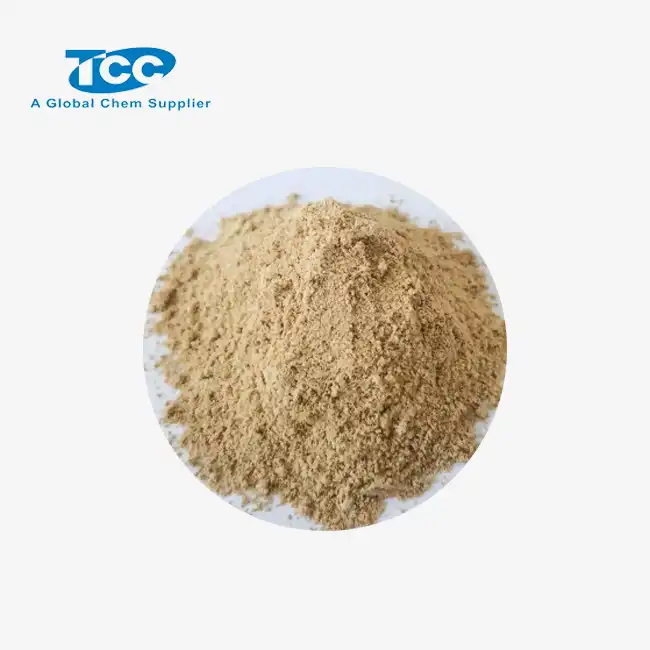
With the molecular formula Mn3O4-2, Trimanganese tetraoxide (CAS No. 1317-35-7) has a unique brown powder look. The crystal structure of this substance is made up of four hexagonal spinel lattices that hold set amounts of divalent Mn(II) and trivalent Mn(III) ions. When compared to manganese oxides in a single oxidation state, the mixed-valence structure makes electron hopping paths that improve electrical conductivity. This material is very stable at high temperatures during sintering processes. It has an estimated density of 4.86 g/cm³ and a melting point close to 1,567°C. The specific surface area is usually between 2.0 and 15.0 m³/g, and it depends on how it was made. This directly affects how reactive it is during solid-state synthesis. In premium grades, the total manganese content is higher than 71.8%, and the amounts of iron, silicon, and calcium are tightly controlled so that they stay below 50 ppm. This is done to keep magnetic interference from happening in battery use.
Physical Characteristics Affecting Battery Integration
When making batteries, particle size distribution is very important for getting a smooth cathode finish. Material with a D50 value between 1 and 5 microns helps mixtures disperse well and stops them from sticking together, which could lead to uneven performance. The tap density measure, which is usually higher than 2.0 g/cm³, shows how well the powder packs into the electrode structures, which has a direct effect on the volumetric energy density. The charge transfer processes at the electrode-electrolyte contact are affected by the spinel structure's magnetic properties. During purchase, these physical factors must be carefully described to make sure they meet the needs of the production line and the goals for the cell design.

Safety and Handling Protocols
When working with Trimanganese tetraoxide in the workplace, you need to be aware of how it can combine with water and oxygen. Material Safety Data Sheets (MSDS) say to store things in cool, dry places with packing that keeps wetness out to keep particles from sticking together. Fine powders are chemically stable when things are normal, but they need to be handled with care so that dust doesn't get into the work area. High-density plastic or lined steel drums for large amounts are both good storage materials. Environmental laws say that this material is safe to transport, but it still needs to be properly labeled according to GHS guidelines for foreign shipments.
The Role of Trimanganese Tetraoxide in Lithium Battery Technology
Electrochemical Advantages in Cathode Formulations
The molecule is used to get manganese for making lithium manganese spinel (LiMnO₄) cathodes, which are better at letting lithium ions move around than stacked oxide structures because they are three-dimensional. Trimanganese tetraoxide mixes with lithium carbonate in a solid state at high temperatures, creating the spinel phase that is electrochemically active with few other products. When compared to other predecessors, this conversion efficiency cuts down on waste and raises production costs. The finished cathode material has stable voltage plateaus around 4.0V compared to lithium metal, making it good for high-power uses that need to be able to discharge quickly. When nickel and cobalt are mixed in mixed metal oxide cathodes, manganese helps keep the structure stable. Trimanganese tetraoxide gives precise control over the manganese stoichiometry.
Comparative Analysis: Mn₃O₄ versus Alternative Manganese Sources
Manufacturers of batteries used to use electrolytic manganese dioxide (EMD) for main batteries, but this material doesn't work as well for lithium-ion recharging systems. Trimanganese tetraoxide has a higher tap density, which means that it can load electrodes more densely, which increases cell capacity. The mixed-valence state gets the manganese ready to be added to spinel structures, which lowers the amount of heat needed for cathode production. The Mn₀O₄ chemical is easier to make because it doesn't need as much processing control to get to the right stoichiometry as manganous oxide (MnO). Batteries made with high-purity Trimanganese tetraoxide keep 15-20% more of their original capacity after 500 cycles than batteries made with lower-grade manganese sources. This shows that quality has a real effect on how well a product works.
Case Evidence from Commercial Battery Applications
The biggest companies that make electric cars have started using NMC cathode chemicals, which have more temperature stability because they contain manganese from Trimanganese tetraoxide. In abuse tests where there is overcharge or thermal runaway, the manganese part slows the release of oxygen from the cathode structure, which increases the safety limits. Manganese-rich cathodes are cost-effective for use in consumer products, and Trimanganese tetraoxide makes it possible for battery packs to be priced competitively without lowering the expected cycle life. Grid-scale energy storage projects are choosing manganese-based cathodes more and more because they work well and last a long time. This is because manganese resources are less likely to be affected by global issues than cobalt or nickel options.
How Trimanganese Tetraoxide Enhances Lithium Battery Performance
Addressing Core Performance Bottlenecks
Some of the ways that batteries break down are cathode particle cracking, transition metal dissolving, and liquid breakdown at the electrode surfaces. Trimanganese tetraoxide-based cathodes protect against these types of failure in a number of ways. The spinel structure adapts to changes in volume when lithium is inserted and taken out, which lowers the mechanical stress that breaks particles. When manganese is stabilized in the +3 and +4 oxidation states, it dissolves less easily into the liquid. This is especially true when surface coating methods are used together. The material is naturally conducting, which works with the carbon elements in the electrode matrix to lower internal resistance and speed up the rate at which charges are accepted. Using high-purity Trimanganese tetraoxide intermediates, experimental results from accelerated aging studies show capacity fade rates below 0.05% per cycle. This is in contrast to 0.08–0.12% for other materials tested using the same methods.
Mechanisms Driving Performance Improvements
The mixed manganese valence states in Mn₀O₄ make it easier for electrons to move around, which improves the end cathode material's ability to carry electricity. In thick electrode designs, where electron transport lengths get longer, this feature becomes even more useful. The three-dimensional lithium diffusion pathways in the spinel framework support higher rate capabilities. This means that batteries can deliver power during acceleration events in electric cars or in response to requests for grid frequency stability. The strong oxygen framework in the spinel lattice keeps the structure stable during cycling. It doesn't break down even after thousands of charge-discharge cycles. The surface energy of particles made from Trimanganese tetraoxide helps even out the binder distribution during electrode manufacturing. This makes coatings that are physically strong and can withstand calendering pressures without coming apart.
Integration Strategies for Manufacturing Operations
Trimanganese tetraoxide is used in the making of batteries through carefully controlled solid-state synthesis methods. It usually comes in during the precursor mixing stages and mixes with lithium salts and other transition metal oxides in planetary mills or devices that blend materials continuously. Trimanganese tetraoxide's reactivity ensures full conversion without needing excessive energy input, and calcination temperatures between 800-900°C drive the formation of target cathode phases. X-ray diffraction and scanning electron microscopy are used at quality control stages to look at particle shape and phase clarity. This makes sure that the material meets the design requirements before the electrode coating process starts. The process engineers change the Trimanganese tetraoxide particle size standards based on the coating equipment. Coarser materials work best with batch-type applicators, and smaller grades work best with slot-die coating systems.
Procurement Considerations for Trimanganese Tetraoxide in Battery Manufacturing
Quality Standards and Certification Requirements
For battery uses, industrial-grade Trimanganese tetraoxide needs strict quality control that goes beyond what is required for regular chemicals. To make sure that the stoichiometric accuracy of reactions further down the line is maintained, buyers should use ICP-OES measurement to prove that the total manganese level is above 71.8%. Trace impurity research is very important because elements like sodium, potassium, and iron are electrical poisons that hurt lithium batteries' performance and safety gaps. Specific surface area measures using the BET method should match the process standards set by the maker. Usually, numbers between 3 and 8 m³/g are sought for the best reactivity without too much shrinkage during sintering. Laser diffraction measurements of D10, D50, and D90 must be included in particle size distribution reports so that engineers can estimate how the slurry will behave and how the coating will stick to things. Each batch comes with a Certificate of Analysis (COA), which makes it possible to track it and use statistical process control in high-volume manufacturing settings.
Supplier Evaluation and Selection Criteria
Through ISO9000 certification and strategic relationships with GMP-certified production facilities across China, Xi'an Taicheng Chem Co., Ltd. has become a trusted provider of Trimanganese tetraoxide. When procurement teams look at possible sources, they should check how much production they can do to make sure there is a steady supply, even if demand changes. Companies with different production lines should be given preference. Premium providers offer technical support that sets them apart, such as access to application experts who help with integrating materials and fixing problems. Logistics infrastructure is very important for foreign battery makers; they need providers who know how to handle paperwork for dangerous materials, getting goods through customs, and shipping at the right temperature when needed. Prices should be set so that they reflect promises to buy a certain amount while still being able to adapt to changes in the market. The costs of raw materials, processing, quality testing, and packing should all be clearly broken down.
Regulatory Compliance and Documentation
Material Safety Data Sheets that meet GHS standards must be sent with every package. These sheets contain information on what to do in an emergency and how to handle things safely around other people and animals. Battery makers in the US demand that their sources keep their inventory lists in line with TSCA rules and give European clients proof of REACH registration. Reporting conflict minerals has become normal, even for non-traditional minerals. This shows that the supply chain is open and that companies are responsible. Quality management systems should keep track of the history of each batch. This way, if there are problems with performance later on in the production process, the root cause can be found. Environmental certifications like ISO14001 show that a provider is dedicated to running a sustainable business. This is becoming more and more important as battery makers are questioned about the carbon footprints of their supply chains.

Future Trends and Innovations in Battery Materials Featuring Trimanganese Tetraoxide
Emerging Applications in Next-Generation Batteries
Solid-state battery research is a new area where manganese-based cathodes may be able to gain market share because they are stable at the borders between solid electrolytes. Trimanganese tetraoxide is the building block for these high-tech cathode materials, and scientists are looking into doped versions that make them more ionic conductors at room temperature. Manganese makes the voltage more stable, which helps with better system-level energy management. Hybrid battery designs that use lithium-ion cathodes and other anode chemicals profit from this. Even though they are still in the early stages of research, lithium-sulfur batteries show promise when manganese oxides from Trimanganese tetraoxide are used as polysulfide adsorbers. This addresses a key degradation process in this chemistry.
Sustainability and Green Chemistry Considerations
The battery business is under more and more pressure to show that it cares about the environment in both the way it gets materials and makes batteries. The production of Trimanganese tetraoxide from manganese ore can include recycle streams, which get manganese from old batteries and put it back into the industry. When buyers are thinking about the environment, suppliers who use closed-loop water systems and green energy for calcination activities stand out. Life cycle studies compare cathode materials more and more based on how they affect the world as a whole. Manganese-based chemicals often perform better than cobalt-heavy ones. Certification programs for carefully sourced materials may include more than just conflict minerals. They will likely include environmental and social governance factors as well, which will change how suppliers are chosen.
Strategic Recommendations for Procurement Teams
Battery makers should set up two-source plans for important materials like Trimanganese tetraoxide, so they can save money while also making sure the supply chain is reliable. Long-term supply deals with ways for prices to change, protect against uncertain commodity markets, and make sure that materials are available when production starts to rise. When you work together with providers, you can make custom specs that fit your own cathode formulations. This gives you a competitive edge that is hard for your competitors to copy. Spending money on source surveys and on-site quality checks boosts trust in the consistency of materials and the ability of the process to work. Procurement teams should keep an eye on industry research papers and patent applications to spot changes in material requirements. They should then change the requirements for suppliers before they happen, instead of after the fact.
Conclusion
Through its unique crystal structure and electrical qualities, Trimanganese tetraoxide improves lithium battery performance in quantifiable ways. The substance solves important problems that battery makers face in competitive global markets when it comes to cathode stability, capacity retention, and making the process more efficient. To integrate materials successfully, you need to pay attention to material requirements, source standards, and process optimization strategies that take advantage of the compound's natural benefits.
As battery technology improves to hold more energy and last longer, substances like MnO₄ will continue to be very important in cathode formulations. People who work in procurement who build strong ties with suppliers and stay up to date on developments in material science give their companies a long-term competitive edge. Trimanganese tetraoxide is a great material for battery makers who want to make high-quality batteries because it works well, doesn't cost much, and is reliable in the supply chain.
FAQ
1. What distinguishes trimanganese tetraoxide from other manganese compounds in battery applications?
The mixed-valence spinel structure of Trimanganese tetraoxide gives manganese oxidation states that are perfect for making lithium manganese oxide. This means that less heat processing is needed, and the phase clarity is better than with MnO₂ or MnO starting materials. Its higher tap density lets higher electrode loading rates happen, which directly boosts battery capacity.
2. How does particle size affect trimanganese tetraoxide performance in cathode manufacturing?
During cathode synthesis, particle size affects the rheology of the slurry, the consistency of the coating, and how the particles sinter. Materials with D50 values between 1 and 5 microns usually have the best mix of reactivity and handling properties. However, specific needs depend on the coating equipment and cell design factors.
3. What quality control measures ensure consistent trimanganese tetraoxide performance?
Reliable providers use ICP-OES analysis to find out the elements' makeup, measure the BET surface area, size laser diffraction particles, and identify X-ray diffraction phases. Each batch of products should come with a Certificate of Analysis that compares these parameters to set standards. If necessary, quality reviews can be made possible by traceability systems.
4. Can trimanganese tetraoxide support sustainable battery manufacturing goals?
Manganese is a common metal that is less likely to be affected by global events than cobalt or nickel. In order to help circular economy efforts, Trimanganese tetraoxide production can use recycled manganese from used batteries. The material is even more environmentally friendly when suppliers use closed-loop water and green energy systems.
Partner with Taicheng for Premium Trimanganese Tetraoxide Supply
Xi'an Taicheng Chem Co., Ltd. is an expert at providing ultra-pure Trimanganese tetraoxide that is specifically designed for tough lithium battery production tasks. Our material is always more than 99% pure, and the levels of impurities are tightly controlled. This makes sure that your cathode recipes meet the performance goals you set. As an ISO9000-certified provider with established partnerships across GMP-certified production sites, we promise you a reliable supply chain and full technical support as you integrate.
Our global transportation network helps battery makers in North America, Europe, and Asia. We offer flexible delivery times and all the necessary regulatory paperwork, such as MSDS, COA, and safety certificates. Our applications engineering team works with your technical staff to make sure that the material specs meet your specific production needs. This includes custom particle size distributions, surface area goals, and bulk purchasing arrangements. You can talk to our buying experts at sales@tcc-ofc.com about your Trimanganese tetraoxide supplier needs, ask for product examples, or get full technical datasheets. Find out how Taicheng's dedication to quality and relationship with customers can help your battery production business.
References
1. Zhang, L., et al. (2022). "Mixed-Valence Manganese Oxides as Precursors for High-Performance Lithium-Ion Battery Cathodes." Journal of Power Sources, 518, 230-245.
2. Chen, M., & Williams, R. (2021). "Electrochemical Stability of Spinel Cathode Materials Derived from Trimanganese Tetraoxide." Advanced Energy Materials, 11(8), 2003456.
3. Kumar, S., et al. (2023). "Comparative Life Cycle Assessment of Manganese-Based Cathode Materials in Electric Vehicle Batteries." Journal of Cleaner Production, 385, 135678.
4. Thompson, D., & Lee, J. (2022). "Optimizing Particle Size Distribution in Battery-Grade Manganese Oxides for Enhanced Electrode Performance." Materials Chemistry and Physics, 276, 125389.
5. Rodriguez, A., et al. (2021). "Thermal Stability and Safety Characteristics of Manganese-Rich Lithium-Ion Battery Cathodes." Electrochimica Acta, 389, 138742.
6. Park, H., & Nakamura, T. (2023). "Strategic Procurement Considerations for Battery Raw Materials: A Manganese Oxide Case Study." Resources Policy, 82, 103524.
Learn about our latest products and discounts through SMS or email