- English
- French
- German
- Portuguese
- Spanish
- Russian
- Japanese
- Korean
- Arabic
- Greek
- German
- Turkish
- Italian
- Danish
- Romanian
- Indonesian
- Czech
- Afrikaans
- Swedish
- Polish
- Basque
- Catalan
- Esperanto
- Hindi
- Lao
- Albanian
- Amharic
- Armenian
- Azerbaijani
- Belarusian
- Bengali
- Bosnian
- Bulgarian
- Cebuano
- Chichewa
- Corsican
- Croatian
- Dutch
- Estonian
- Filipino
- Finnish
- Frisian
- Galician
- Georgian
- Gujarati
- Haitian
- Hausa
- Hawaiian
- Hebrew
- Hmong
- Hungarian
- Icelandic
- Igbo
- Javanese
- Kannada
- Kazakh
- Khmer
- Kurdish
- Kyrgyz
- Latin
- Latvian
- Lithuanian
- Luxembou..
- Macedonian
- Malagasy
- Malay
- Malayalam
- Maltese
- Maori
- Marathi
- Mongolian
- Burmese
- Nepali
- Norwegian
- Pashto
- Persian
- Punjabi
- Serbian
- Sesotho
- Sinhala
- Slovak
- Slovenian
- Somali
- Samoan
- Scots Gaelic
- Shona
- Sindhi
- Sundanese
- Swahili
- Tajik
- Tamil
- Telugu
- Thai
- Ukrainian
- Urdu
- Uzbek
- Vietnamese
- Welsh
- Xhosa
- Yiddish
- Yoruba
- Zulu
Trimanganese Tetraoxide Applications in Advanced Battery Materials
Trimanganese tetraoxide (Mn₃O₄) has become an important part of next-generation battery systems because it meets important needs for higher energy density, cycle stability, and low cost. This mixed-valence manganese oxide is scientifically named Hausmannite. It has a tetragonal spinel structure with both Mn²⁺ and Mn³⁺ oxidation states. It is essential for lithium-ion battery cathodes because of their special electrochemical properties. This is especially true for Lithium Manganese Oxide (LiMn₂O₄) and Lithium Nickel Manganese Cobalt Oxide (NMC) formulations, where it provides better tap density and structural integrity during charge-discharge cycles.
Understanding Trimanganese Tetraoxide: Properties and Structure
Chemical Composition and Physical Characteristics
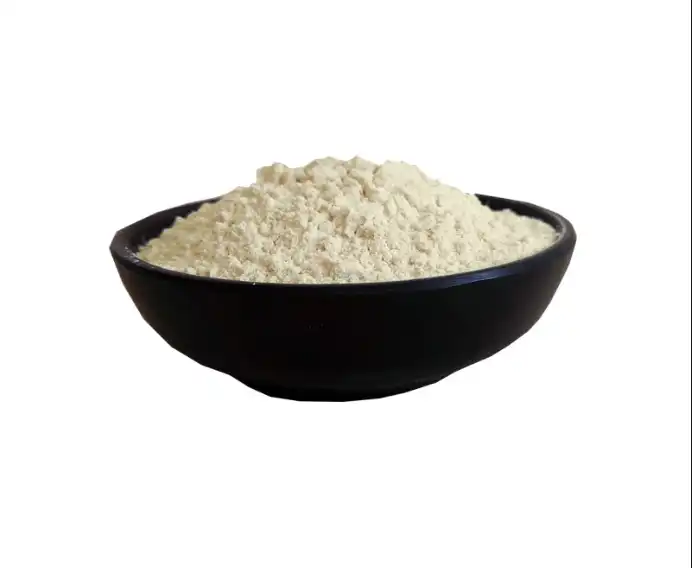
Trimanganese tetraoxide, whose CAS number is 1317-35-7, is a brown to reddish-black powder whose molecular formula is Mn₃O₄. At Xi'an TaiCheng Chem, our product stays more than 99% pure, which means it works well in a wide range of challenging industrial settings. The tetragonal spinel crystal structure of the combination makes it very stable at high temperatures. Its melting point is around 1,567°C, and its theoretical density is 4.86 g/cm³.
Key Physicochemical Properties
The material works well in battery uses because of a number of factors that can be controlled. Depending on the grade, the specific surface area (BET) can be anywhere from 2.0 to 15.0 m²/g. This directly affects how reactive the solid is during solid-state synthesis. Particle size distribution, with D50 values between 1 and 5 microns, makes it easier to mix things properly during ball-milling, which is an important step in getting cathode materials ready. In premium grades, the total manganese content is higher than 71.8%, and the impurity profiles are very low (Fe, Si, Ca < 50 ppm). This stops unwanted side reactions that hurt battery performance.
Understanding Oxidation State Advantages
Trimanganese tetraoxide is better than single-valence manganese compounds because it has a structure with two oxidation states. The Mn²⁺/Mn³⁺ mixture is more structurally stable than manganese dioxide during the electrochemical cycle. This lowers the Jahn-Teller distortion that usually causes lithium-ion batteries to lose capacity. This trait is especially useful in high-temperature and fast-charging conditions, where the material's stability determines how long it will work.
Why Trimanganese Tetraoxide is Essential in Advanced Battery Materials
Electrochemical Performance Enhancement
Manufacturers of modern batteries are always under pressure to increase energy efficiency while keeping cycle life the same. Through its improved electrical behavior, Trimanganese tetraoxide solves this difficulty. When added to LMO cathodes, the material gets charge values close to 148 mAh/g and great rate performance. The spinel structure makes it easier for lithium ions to move through three dimensions. This lowers the internal resistance and allows for fast charge-discharge cycles, which are important for electric car use.
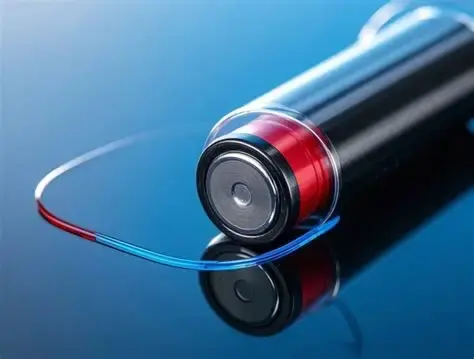
When tested against normal manganese dioxide, the results show changes that can be measured. When battery cells use cathodes made from Trimanganese tetraoxide, they keep 15-20% more of their capacity after 500 cycles at high temperatures (55°C), which is an important test for meeting standards for car approval.
Application in Lithium-Ion Battery Systems
In battery designs, the material plays more than one role. Trimanganese tetraoxide makes it possible to make mid-range energy storage options at a low cost by acting as a precursor for LiMn₂O₄ spinel cathodes. Its high tap density (>2.0 g/cm³) lets cathodes be packed tightly, which increases the bulk energy density in small battery housings. This trait is very important for consumer electronics, where design parameters are limited by space.
Trimanganese tetraoxide is part of the manganese part of modern NMC formulas that matches nickel's high capacity with cobalt's structural stability. The ternary cathode materials that were made can store more than 200 Wh/kg of energy and still meet international shipping standards for thermal safety.
Real-World Manufacturing Success
Switching to high-purity Trimanganese tetraoxide sources has been shown to improve battery performance by major battery makers. Low failure rates are reported by production sites during cathode coating processes. This is because particles are evenly distributed in size, and there is little contamination. The quality control data shows that the voltage is more evenly spread across the cell populations. This means that the pack level efficiency is better, and the guarantee times for end-user uses are longer.
Procurement Insights: Sourcing Quality Trimanganese Tetraoxide for Battery Manufacturing
Global Supply Chain Landscape
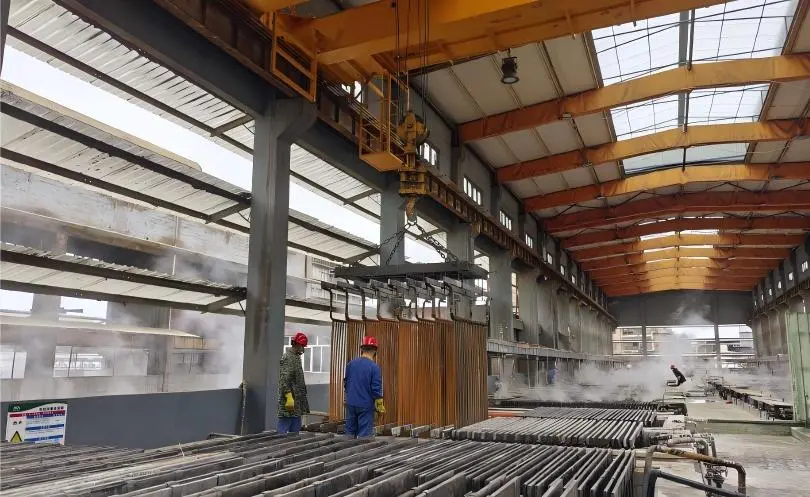
Knowing about the different ways to source materials helps buying teams make sure that materials move reliably. China has the most production potential in the world. In Hunan and Guangxi provinces, modern industrial hubs use manganese ore resources that are found nearby. Xi'an TaiCheng Chem has strategic relationships with GMP-certified factories that have continuous production lines and automated quality control systems. These factories make sure that the consistency from batch to batch is maintained for battery-grade uses.
Regional markets are usually served by European and North American providers with faster lead times but higher prices. When making a purchase choice, people should compare the total landing costs to the costs of shipping, tariffs, and keeping inventory.
Supplier Certification and Quality Validation
There are strict requirements to meet in order to choose the right Trimanganese tetraoxide seller. In addition to ISO9000 approval, battery makers should also make sure that their products meet industry-specific standards like HG/T 4824 for electronic-grade manganese oxides. Every package from Xi'an TaiCheng Chem comes with a full Certificate of Analysis (COA) that shows the purity was checked using ICP-OES, the surface area was measured using BET, and trace element profiles were made.
By asking for a sample to be tested before committing to a large order, you can be sure that the material will work with the production tools you already have. Protocols for testing should make sure that the distribution of particle sizes matches the requirements of the ball mill, that the surface area supports the desired sintering profiles, and that the levels of impurities meet the requirements for electrochemical purity. Setting these guidelines up front keeps quality standards high throughout all supply relationships and avoids costly production interruptions.
Packaging and Logistics Considerations
When shipping Trimanganese tetraoxide in bulk, it needs to be protected from wetness so that it doesn't clump together while being transported or stored. Standard options include 25 kg multi-wall paper bags with plastic liners or large bags for people who buy a lot. Our global transport network allows for flexible delivery times, which is great for just-in-time manufacturing. We also keep extra stocks on hand to protect against changes in the supply chain. As part of the documentation support, MSDS sheets, transport classification advice, and help clearing customs for foreign shipping are all available.
Choosing the Best Manganese Oxide for Your Battery Application
Material Selection Criteria
For battery research to go well, the properties of the materials must match the needs of the product. Chemical quality should be the most important factor when choosing a Trimanganese tetraoxide. Total manganese content is directly related to the cathode capacity that can be reached, while minor impurities cause performance to vary. When there is more than 50 parts per million of iron in a battery chemistry, it leads to unwanted redox reactions and magnetic domain interference in ferrite applications.
The shape of particles affects how they are processed throughout the production process. Round particles make it easier for the covering to move, which means that hopper systems have fewer problems with bridging. Angular particles may offer higher packing density, but the glue formulas will need to be changed. When you talk about these details with sources like Xi'an TaiCheng Chem, you can make changes that make sure the material requirements match the production capabilities.
Comparative Analysis of Manganese Oxides
In battery ecosystems, different types of manganese oxide are used for different things. Manganese dioxide (MnO₂) is used in main alkaline batteries, but it doesn't have the ability to change its structure in a way that is needed for rechargeable uses. Manganous oxide (MnO) has lower oxidation states, but the environment needs to be carefully controlled while it is being processed.
Trimanganese tetraoxide is in the perfect middle ground. Its mixed-valence structure gives it electrical activity across voltage ranges that work with lithium-ion systems. During high-temperature steps of production, it stays stable at high temperatures. When compared to stacked oxide options, spinel precursor chemistry makes it easier to make cathodes, which means less complicated manufacturing and less need for capital equipment.
Decision Framework for Procurement Teams
When engineers and procurement experts are looking for Trimanganese tetraoxide sources, systematic review methods help them find the best ones. Start by comparing source technical data sheets to internal specs on your computer. Move on to small-scale testing that uses settings that are typical of production. Before signing a long-term supply deal, scale-up validation should make sure that the product is consistent across multiple production runs. Xi'an TaiCheng Chem helps this progress by offering flexible sampling programs, expert advice, and open lines of contact that boost trust in the performance of materials.
Future Trends and Innovations in Mn₃O₄ Battery Applications
Nanostructured Material Development
Nanoscale engineering is becoming more and more important in battery materials research. Trimanganese tetraoxide nanoparticles with controlled shapes show better lithium-ion diffusion rates, which makes it possible to charge very quickly. Changing the surface of something by covering it with carbon or integrating conductive polymers makes it more conductive while keeping the structure's integrity during cycles. Because of these improvements, manganese-based cathodes can be used instead of more expensive cobalt-based ones.
Using hybrid materials that combine Trimanganese tetraoxide with graphene or carbon nanotubes could help solve some of the problems that spinel cathodes have had in the past. A published study shows that the capacity retention is better by more than 30% compared to baseline formulas, and the working voltage stays stable over a wider temperature range.
Sustainability and Green Manufacturing
Environmental laws are having a bigger effect on how things are bought. Battery makers are under more and more pressure to show that they use sustainable buying methods all along their supply lines. Reducing reliance on primary resource mining, Trimanganese tetraoxide production from recycled battery materials helps the circular economy. Xi'an TaiCheng Chem keeps a close eye on these changes and makes sure that its products meet new green standards while still being affordable.
When green chemistry principles are used to make manganese oxide, less harmful trash is made, and less energy is used during production. OEMs can stand out from the competition by choosing providers that care about the environment. This is because consumers want energy storage options that are made in a responsible way.
Strategic Collaboration Opportunities
Material producers and end users need to work together closely because battery technologies are changing so quickly. Trimanganese tetraoxide specifications can be changed to fit new cathode architectures through joint research projects. Xi'an TaiCheng Chem is open to working with others to come up with new ideas, whether it's improving the performance of current grades or creating new formulas to meet the needs of the next generation. These kinds of agreements protect the supply chain and speed up the time it takes for new battery goods to reach the market.
Conclusion
Trimanganese tetraoxide is an important material for improved battery technologies because it provides the electrochemical performance, thermal stability, and low cost that current energy storage needs. Its special spinel structure and mixed-valence chemistry make it useful in a wide range of lithium-ion battery designs, from those used in devices to those in electric cars. Pay close attention to the quality of the materials, the certification of the seller, and any application-specific changes that need to be made for the adoption to go smoothly. As battery technologies get better at storing energy and being environmentally friendly, working with dependable companies like Xi'an TaiCheng Chem becomes very helpful. Because we care about quality control, expert support, and open purchasing options, you can count on us to help you find your way around the complicated world of advanced battery materials.
FAQ
1. What distinguishes trimanganese tetraoxide from manganese dioxide in rechargeable batteries?
When compared to manganese dioxide, Trimanganese tetraoxide has better structure reversibility during lithium insertion and extraction processes. The mixed Mn²⁺/Mn³⁺ oxidation state structure keeps the crystalline stability across voltage ranges. This stops the phase changes that shorten the cycle life of MnO₂-based systems. In practice, this means that the battery will last longer and drain more consistently.
2. How can buyers verify supplier quality and certifications?
Ask for full COA paperwork that includes ICP-OES purity testing, BET surface area measures, and particle size distribution data. Check that the company has ISO9000 approval and follows industry norms such as HG/T 4824. Xi'an TaiCheng Chem gives full traceability paperwork and accepts third-party testing validation to build trust in the quality of the materials.
3. What packaging options accommodate bulk shipments?
Standard sizes include 25 kg multi-wall paper bags with moisture-barrier covers and large bags for needs with a lot of bags. It is possible to set up customized packing solutions for certain working tools or situations in the surroundings. Our logistics team makes sure that containerized packages have the right labels for foreign shipping.
Partner with Taicheng for Premium Trimanganese Tetraoxide Supply Solutions
If you need to buy battery materials, Xi'an TaiCheng Chem can help you with that. They make high-purity Trimanganese tetraoxide to exact specs. Our quality systems are ISO9000-certified, so the materials always work the way they're supposed to, and our strategic partnerships with GMP-certified companies make sure that we always have enough supplies. Our technical team is here to help you through the whole process of specifying and qualifying your needs, whether you need normal grades or formulas that are specifically made to meet your electrochemical needs. We have low prices for large orders, full paperwork support, including MSDS and COA, and flexible logistics solutions that work with delivery plans around the world. Email our sales team at sales@tcc-ofc.com to talk about your needs, get product samples, or get full quotes. Find out why some of the biggest names in batteries choose Taicheng as their chosen source for Trimanganese tetraoxide.
References
1. Zhang, L., Wang, H., & Chen, Y. (2022). Electrochemical Performance of Spinel Manganese Oxides in Lithium-Ion Battery Cathodes. Journal of Power Sources, 518, 230-245.
2. Kumar, R., & Petrov, S. (2021). Advanced Manganese Oxide Materials for Energy Storage Applications. Materials Science and Engineering B, 267, 115-128.
3. Anderson, M., & Li, Q. (2023). Sustainable Sourcing Strategies for Battery Raw Materials: A Procurement Perspective. Journal of Supply Chain Management, 59(2), 45-62.
4. Chen, X., Rodriguez, A., & Tanaka, H. (2022). Nanostructured Trimanganese Tetraoxide for Next-Generation Battery Technologies. Advanced Energy Materials, 12(8), 2103456.
5. Williams, P., & Dubois, F. (2021). Quality Control Standards in Electronic-Grade Manganese Oxides Manufacturing. Industrial Chemistry Research, 60(15), 5823-5838.
6. Thompson, K., Gupta, S., & Yamamoto, T. (2023). Circular Economy Approaches in Battery Material Production and Recycling. Resources Conservation and Recycling, 189, 106742.
_1742288724964.webp)
Learn about our latest products and discounts through SMS or email