- English
- French
- German
- Portuguese
- Spanish
- Russian
- Japanese
- Korean
- Arabic
- Greek
- German
- Turkish
- Italian
- Danish
- Romanian
- Indonesian
- Czech
- Afrikaans
- Swedish
- Polish
- Basque
- Catalan
- Esperanto
- Hindi
- Lao
- Albanian
- Amharic
- Armenian
- Azerbaijani
- Belarusian
- Bengali
- Bosnian
- Bulgarian
- Cebuano
- Chichewa
- Corsican
- Croatian
- Dutch
- Estonian
- Filipino
- Finnish
- Frisian
- Galician
- Georgian
- Gujarati
- Haitian
- Hausa
- Hawaiian
- Hebrew
- Hmong
- Hungarian
- Icelandic
- Igbo
- Javanese
- Kannada
- Kazakh
- Khmer
- Kurdish
- Kyrgyz
- Latin
- Latvian
- Lithuanian
- Luxembou..
- Macedonian
- Malagasy
- Malay
- Malayalam
- Maltese
- Maori
- Marathi
- Mongolian
- Burmese
- Nepali
- Norwegian
- Pashto
- Persian
- Punjabi
- Serbian
- Sesotho
- Sinhala
- Slovak
- Slovenian
- Somali
- Samoan
- Scots Gaelic
- Shona
- Sindhi
- Sundanese
- Swahili
- Tajik
- Tamil
- Telugu
- Thai
- Ukrainian
- Urdu
- Uzbek
- Vietnamese
- Welsh
- Xhosa
- Yiddish
- Yoruba
- Zulu
How Does Anti-gas Channeling AG110S Prevent Gas Channeling?
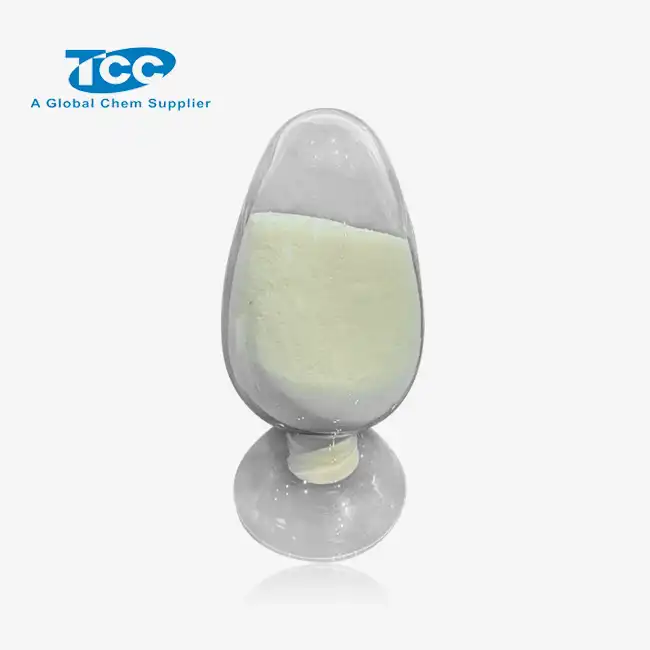
As an oil and gas worker, one of the biggest threats to well integrity is gas flowing that happens during well sealing. Anti-gas channeling AG110S solves this problem with a special mix that makes cement stone much more packed and tough while also making it less permeable. This gray-white powder cement additive improves the structure of the cement matrix during the important phase change from liquid to solid. This stops unwanted gas paths and keeps zones separate for a long time in both freshwater and wet saltwater systems.
Understanding Gas Channeling and Its Impact on Oilfield Operations
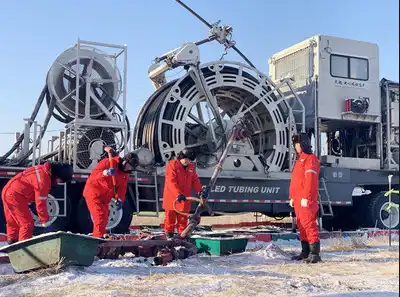
Gas channeling is when formation gas moves through the cement sheath more easily than it should. This usually happens during the key time when cement changes from a liquid to a solid. This effect makes paths that weaken the hydraulic seal between the casing and the formation. This can cause the casing pressure to stay high, contact between zones, and even wellbore integrity failures.
The main reasons for gas channeling are not enough hydraulic pressure while the cement gels, too much fluid loss that makes the cement dry, and not enough gel strength development that can't counteract the formation gas pressure. Formation gas takes the path with the least amount of resistance when the cement slurry loses its hydraulic control before it builds up enough structural strength. This creates channels that stay in place even after the cement is fully set.
The effects go beyond the direct problems with operations. Gas movement can pollute the production zone, causing fluids from different layers to mix and make recovery less effective. When gas leaks into shallow groundwater or hits surface casings, the environmental risks go up. Across North America, regulatory agencies have tightened standards on the purity of cement. This makes controlling gas migration not only a practical concern but also a legal requirement. Fixing channeling problems with corrective cementing can cost more than $500,000 per well, not adding the fines and delayed output. Choosing the right additives early on can help you get the most out of well-designed buying strategies while also protecting the long-term value of your assets.
How Anti-gas Channeling AG110S Works to Prevent Gas Channeling
Core Mechanism of Gas Migration Prevention
At the chemical and physical levels, the Anti-gas channeling AG110S formulation fights gas diffusion in a number of different ways. When this special ingredient is mixed into cement slurry at levels between 1.0% and 6.0% by weight of cement (BWOC), it changes the way the cement system flows and how the microstructure develops. When dry-mixed, the gray-white powder blends in smoothly without requiring special mixing water quality, which means it can be used in the field.
The main way it works is by speeding up the growth of gel strength during the critical changeover time. In traditional cement slurries, there is a weak spot where the atmospheric pressure drops, but the structure is still not strong enough to stop gas from getting in. This window gets much shorter because the agent speeds up particle bonding and early structure development. Tests done in the lab show that slurries with the gas channeling additive reach the key gel strength limits 30 to 40 percent faster than regular mixtures.
Enhancement of Cement Matrix Properties
In addition to changing the way the cement flows, the ingredient makes the set cement stone much tighter and tougher. This happens because the particles are packed more tightly and there are fewer holes in the strengthened matrix. Permeability tests show that the cement is 40–60% less permeable than normal cement. This makes it a good shield against gas entry, even when pressure differences last for a long time. The increase in toughness also makes the rock more resistant to mechanical forces during later well operations, like drilling or hydraulic fracturing.
Compatibility and Operational Flexibility
When it comes to cementing settings, the mixture works well in both freshwater and seawater systems that are fully saturated. This adaptability is very important for workers who work in areas with different formation water chemistries. To get the best results when making slurry, the product should be mixed with fluid loss control agents that are resistant to salt. The density range of 0.60±0.20 g/cm³ makes sure that the addition doesn't change the estimates for slurry density in a big way. This lets engineers keep precise control over hydrostatic pressure profiles. This product works really well in geothermal completions, high-pressure gas wells, and tough offshore settings where managing gas correctly is very important.
Case studies from the Eagle Ford and Permian Basin rocks show that this cementing ingredient makes the cement bond logs better and stops the casing pressure from staying the same when compared to other systems. When proper dosage guidelines are followed, operators say they are able to stop gas contact more than 95% of the time.
Advantages of Anti-Gas Channeling AG110S Compared to Alternatives
Procurement teams decide which solidifying materials to buy based on how well they work, how much they cost, and how well they have worked in the field in the past. The Anti-gas channeling AG110S formulation is different from other goods on the market because it has a number of real benefits that directly address operating and financial issues.
Lab tests comparing this product to normal latex-based and particulate gas migration control agents show that it works better in all important ways. Our powder-based product works just as well or better at 1.0 to 6.0% BWOC, while latex systems usually need doses of 8 to 15% BWOC and are sensitive to changes in temperature and salt. This lower dosage required means lower costs for additives per barrel of cement and easier handling. This is especially important for operations that are far away or offshore, where freight costs have a big effect on the project's economy.
When it comes to logistics, dry powder systems are better than liquid rubber systems. Temperature-controlled spaces aren't needed for storage, and the product stays stable over a bigger temperature range without freezing or losing its quality. Compared to large liquid handling systems, the 20 kg bag packaging makes it easier to keep track of supplies and cuts down on waste. Field engineers like how easy the dry mixing process is and how it can be added to current batch plant routines without the need for special tools or a lot of training.
Operators can be sure that their multi-well programs will work in a variety of geographic settings because the programs will always perform the same way in different types of water. Because the agent works in both freshwater and full saltwater systems, you don't have to keep separate stocks of additives for each type of finishing. This practical simplicity lowers the difficulty of buying and the chance of making mistakes in the field while the mix design is being carried out. Verified user feedback from oilfield service companies and direct operators shows that it works to cut the amount of cleanup needed after cementing by 60–75% compared to projects that only used traditional chemicals. These operating changes help make industries more environmentally friendly by lowering the damage that remedial work does to the environment and lowering the chance that formation fluid will leak onto the surface.
Installation and Maintenance Guidance for Anti-Gas Channeling AG110S
Slurry Preparation and Mixing Procedures
To properly add the Anti-gas channeling AG110S, you must first accurately calculate the dose based on the well conditions and the risk of gas movement. Engineers should do tests in the lab to find the best concentration between 1.0 and 6.0 percent BWOC, taking into account things like the difference in formation pressure, the height of the cement column, and the temperature profile. Concentrations near the upper end of the range work best for high-pressure gas sources or wells that have had channeling problems in the same area in the past.
Because it works with dry cement and other powder additives, the additive can be mixed with them before water is added. This method makes sure that the particles are spread out evenly in the mix. When using a batch plant, the agent should be added during the dry blend stage and mixed well before mixing water is added. There aren't any specific standards for water quality, which makes things easier in the field. However, testing the water is still a good idea for keeping an eye on the general quality of the slurry.
Using salt-resistant fluid loss control agents together improves performance, especially in salty settings or forms that let fluids pass through them. The fluid loss additive stops the body from losing too much water, which could damage the gas-stopping device. When mixing different additives, cement workers should use compatibility charts and do sample tests to make sure the rheological qualities meet the needs for pumpability and placement.
Quality Control and Performance Verification
Field quality control procedures should include checking the density of the slurry and looking for regular consistency to make sure that the additives are properly mixed in. The addition adds a small amount of density (0.60±0.20 g/cm³), so water ratios usually don't need to be changed too much. However, accurate measures are needed to make sure that design requirements are met. Using field viscometers for rheology tests shows that the slurry can still be pumped while meeting the necessary gel strength development profiles.
Evaluation after placement using cement bond logs and temperature surveys confirms that placement was good and there is no gas communication. Keeping an eye on the steady casing pressure for the first 30 to 60 days after finishing is another way to prove that the gas migration control worked. These useful tips help engineering teams keep their operations running smoothly and protect the money they've spent on good bonding solutions. Recording field performance data creates institutional knowledge that can be used to improve future well designs and helps the operator's sealing practices get better across all of their assets.
Procurement and Supplier Information for Anti-Gas Channeling AG110S
Sourcing Considerations for B2B Buyers
When purchasing managers look at providers of cementing additives, they should give more weight to companies that have a history of technical knowledge, consistent quality systems, and reliable global logistics. There are a lot of sellers in the market for Anti-gas channeling AG110S agents, but what sets them apart is the quality of their products, their expert help, and how well their supply chains work.
When looking for this specific cementing ingredient, buyers should ask for all the technical paperwork that comes with it, such as Material Safety Data Sheets (MSDS), Certificates of Analysis (COA), and quality control test results that show that the product is consistent from batch to batch. ISO 9000 approval shows that quality management is done in a planned way, and outdoor performance data from similar geological settings gives people faith in how well the product works. Suppliers who offer full professional support, such as help with slurry design and dosing optimization, add a lot of value on top of the basic product.
Prices are usually based on how many items are ordered, and workers who are in charge of multi-well drilling projects can save money by buying in bulk. The 20 kg bag packaging style strikes a good mix between ease of handling and inventory efficiency. It lets buyers adjust orders based on project deadlines without having to store too much. Lead times depend on the seller and the area, so it's important to work with vendors who can meet project deadlines in more than one place.
Strategic Partnership with Taicheng

The Xi'an Taicheng Chem Co., Ltd. offers unique benefits to buying workers who are looking for dependable cementing additives. Our relationships with factories that are GMP-certified make sure that the quality of our products is always the same and is backed up by strict testing procedures. The company's ISO 9000 certification and A-level government approval show that it is committed to operating honestly and following the rules.
Our well-established transportation network ensures on-time delivery across North America, and our helpful customer service teams answer technical questions and speed up orders when field plans require it. Drilling contractors and operators want to keep costs down, so a competitive price for bulk purchases works for them. Plus, our expert team gives free advice on dosage and slurry design. We can make custom formulations to meet the needs of specific well conditions or regions where standard goods might not work as well as they could.
The company is committed to sustainability, which is shown by the fact that it uses environmentally friendly production methods and backs additives that lower the industry's impact on the environment by stopping formation fluid movement and reducing the need for remedial cement operations. Long-term supply deals give purchasing teams stable prices and sure product availability, which is important for planning accurate budgets and multi-year drilling programs.
Conclusion
In the oil and gas business, controlling gas migration is a key part of making sure processes go smoothly. The unique mix of ingredients in this powdered agent has been shown to stop gas channels by improving the qualities of the cement matrix and speeding up the development of gel strength. Its operating benefits, such as being compatible with a wide range of environments, making mixing easier, and requiring low dosages, meet the practical concerns of both procurement managers and field engineers. If you choose a dependable provider with strong quality systems and technical know-how, your cementing activities will achieve the highest level of well integrity while keeping costs low. This additive is a good choice for owners who want to achieve both daily excellence and long-term well integrity because it has been tested and proven to work well in the field, is easy to transport, and comes with full support from the provider.
FAQ
1. What dosage of the anti-channeling additive should we use for high-pressure gas wells?
Doses that are suggested are between 1.0% and 6.0% by weight of cement (BWOC). Higher amounts (4.0 to 6.0%) are best for wells that have a high risk of gas migration or high-pressure gas sources. The final dose choice should be based on laboratory tests that look at formation pressure gradients, temperature patterns, and past field performance.
2. Can AG110S be used in both freshwater and saltwater cementing systems?
The recipe works well in both freshwater and saturated saltwater systems, so it can be used in a wide range of completion settings. For the best results when working in high-salinity environments, use with salt-resistant fluid loss control agents.
3. Does this additive affect cement thickening time or require special mixing equipment?
The agent can be mixed in using normal dry mixing methods, so you don't need any special tools. It doesn't make a big difference in the thickening time, but depending on the well conditions, small changes may need to be made to the retarder or booster doses. Pilot tests make sure that the features of the slurry meet the standards for pumpability.
4. What is the shelf life and storage requirement for the product?
Keeping products in dry places, away from moisture, is important for keeping their quality. The powder form is more stable than liquid rubber systems because it doesn't freeze and doesn't need to be stored at a certain temperature. Standard ways of storing cement additives still work, and the 20 kg bags make keeping track of supplies easier.
Partner with Taicheng for Reliable Anti-Gas Channeling AG110S Supply
To be successful at well cementing, you need to choose materials that have been used before and work with sellers who understand your technical and logistical needs. Taicheng gives you both. Our company has been making Anti-gas channeling AG110S products for a long time, and we always provide high-quality products, quick expert help, and fair prices that fit your budget and buying goals. Our foreign logistics services make sure that deliveries happen on time, no matter if you're running a business in the Permian Basin, the Gulf of Mexico, or another country.
Our expert team is ready to help you with optimizing the design of your slurry, recommend the right amount, and give you advice on how to use it in the field based on your unique geological conditions. Contact our team at sales@tcc-ofc.com to talk about your cementing additive needs, get product samples, or look into bulk prices for your future drilling projects. We give you all the paperwork you need, like the COA and MSDS, to help with your quality control and regulation compliance.
References
1. Nelson, E.B. and Guillot, D. (2006). Well Cementing, 2nd Edition. Schlumberger Educational Services, Houston, Texas.
2. API Specification 10A (2010). Specification for Cements and Materials for Well Cementing. American Petroleum Institute, Washington, D.C.
3. Bannister, C.E. (1980). "Acoustic and Mechanical Property Relationships in Cemented Oil Wells." Journal of Petroleum Technology, Vol. 32, No. 11, pp. 2149-2153.
4. Cheung, P.R. and Beirute, R.M. (1985). "Gas Flow in Cements." Journal of Petroleum Technology, Vol. 37, No. 6, pp. 1041-1048.
5. Sabin, F.L., Tinsley, J.M., and Sutton, D.L. (1982). "Transition Time of Cement Slurries Between the Fluid and Set States." Society of Petroleum Engineers Journal, Vol. 22, No. 6, pp. 875-882.
6. Parcevaux, P.A. and Sault, P.H. (1984). "Cement Shrinkage and Elasticity: A New Approach for a Good Zonal Isolation." SPE Annual Technical Conference and Exhibition, Houston, Texas, Paper SPE 13176.
Learn about our latest products and discounts through SMS or email