- English
- French
- German
- Portuguese
- Spanish
- Russian
- Japanese
- Korean
- Arabic
- Greek
- German
- Turkish
- Italian
- Danish
- Romanian
- Indonesian
- Czech
- Afrikaans
- Swedish
- Polish
- Basque
- Catalan
- Esperanto
- Hindi
- Lao
- Albanian
- Amharic
- Armenian
- Azerbaijani
- Belarusian
- Bengali
- Bosnian
- Bulgarian
- Cebuano
- Chichewa
- Corsican
- Croatian
- Dutch
- Estonian
- Filipino
- Finnish
- Frisian
- Galician
- Georgian
- Gujarati
- Haitian
- Hausa
- Hawaiian
- Hebrew
- Hmong
- Hungarian
- Icelandic
- Igbo
- Javanese
- Kannada
- Kazakh
- Khmer
- Kurdish
- Kyrgyz
- Latin
- Latvian
- Lithuanian
- Luxembou..
- Macedonian
- Malagasy
- Malay
- Malayalam
- Maltese
- Maori
- Marathi
- Mongolian
- Burmese
- Nepali
- Norwegian
- Pashto
- Persian
- Punjabi
- Serbian
- Sesotho
- Sinhala
- Slovak
- Slovenian
- Somali
- Samoan
- Scots Gaelic
- Shona
- Sindhi
- Sundanese
- Swahili
- Tajik
- Tamil
- Telugu
- Thai
- Ukrainian
- Urdu
- Uzbek
- Vietnamese
- Welsh
- Xhosa
- Yiddish
- Yoruba
- Zulu
Can Antifoam AF2085S Enhance Product Quality and Consistency?
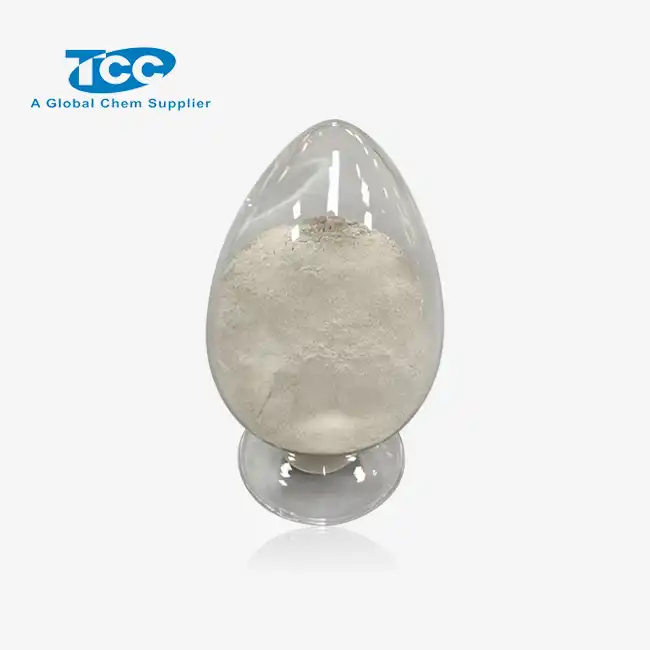
Antifoam AF2085S makes a big difference in the quality and accuracy of products used in many manufacturing settings. This special powdered defoaming agent, which is made with dimethyl silicone oil and improved cooperating agents, works better at controlling foam even at low amounts. This additive stops foam-related problems from happening during important steps like mixing cement, treating water, and making chemicals. This makes sure that all products have the same properties, keeps operations running smoothly, and raises the security of the end product. The fact that it mixes so easily in water makes it very useful for oilfield cementing jobs where uniformity affects the long-term performance and structural stability.
Understanding Antifoam AF2085S and Its Role in Enhancing Product Quality
We need effective defoaming options as soon as we look at industry processes where foam formation causes problems with operation. Foam can make mixing less effective, lower the useful capacity of a vessel, and cause problems that have a direct effect on the final specs. These problems can be solved by Antifoam AF2085S, which has a carefully designed recipe that blends silicone-based chemistry with smart carrier systems.
Chemical Composition and Physical Properties
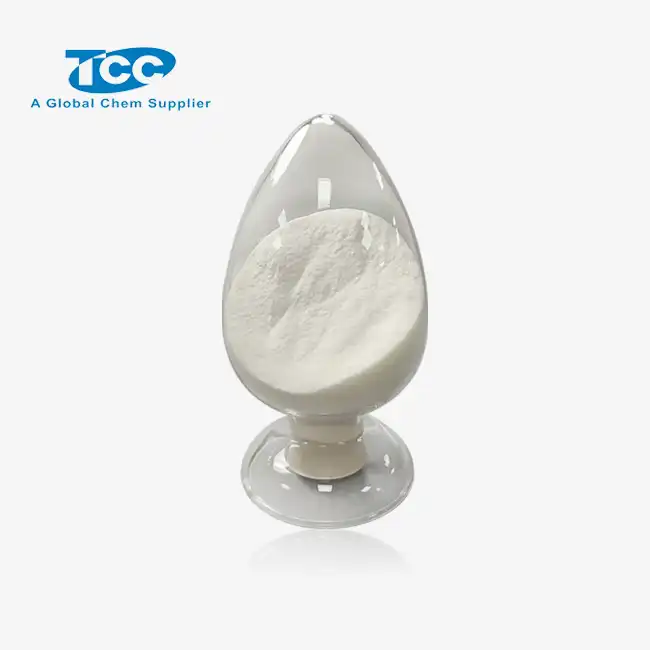
This white powder mixture is a big step forward in the field of defoamers. Unlike liquid options that might separate during storage or need to be stirred all the time, powdered forms have a number of clear benefits. In order to break up foam, the dimethyl silicone oil center lowers the surface tension at the point where air and liquid meet. Multiple working agents improve the way substances spread out, making sure that they work quickly when added to frothing systems. The combined effect of these two substances working together keeps the antifoaming effect going for longer periods of time.
For our clients in rural oilfield sites, the actual form factor is very important. When compared to liquid goods, which may need to be shipped at a specific temperature or handled in a certain way, solid formulas are easier to move around. The storage needs are also very simple—standard warehouse conditions are fine, so you don't have to worry about freezing, stratification, or problems with containers that can happen with liquid defoamers.
Industrial Applications and Process Optimization
One of the toughest places for defoaming technology to work is in oilfield grouting. When preparing a cement slurry, motorized mixing adds a lot of air, which makes foam that stops the cement from properly hydrating and can weaken the wellbore. Our formula works great in these situations because it starts working right away when it comes in contact with the water phase and stays effective for the long setting times that are common in downhole uses.
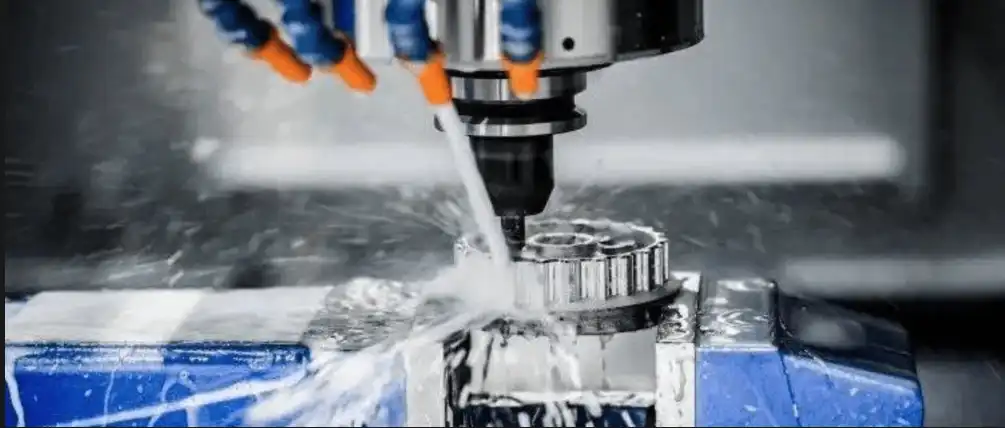
Similar problems arise in water treatment plants when biological activity, chemical doses, and mechanical aeration all cause bubbles to last for a long time. This ingredient, Welan Gum, is very good at stopping foaming, so treatment processes can keep the flow rates that were planned without overflowing or shortening contact times that would lower the quality of the runoff. Operators of the equipment like the consistent results that mean they don't have to change the dosage as often or step in during key treatment rounds.
In addition to these main uses, this product's long foam suppression period also helps cleaning powder formulas and different water-phase systems. This feature is especially useful in manufacturing settings where foam needs to be controlled for hours instead of minutes because it lowers the amount of additives needed while keeping the process stable.
Performance Comparison: Antifoam AF2085S vs Other Antifoams
The market for defoamers has a lot of choices, from goods made from mineral oil to silicone emulsions and organic substances. When procurement workers know how different chemicals work in certain situations, they can make better choices that balance cost with business needs.
Silicone-Based vs. Organic Alternatives
Organic defoamers that are commonly used, like fatty acid products and alcohol-based mixtures, don't always work well in places with high temperatures or extreme pH levels. When used in alkaline cement systems or at high temperatures like those found in some oilfield uses, they don't work as well for long. On the other hand, silicone-based chemistry stays stable over a wider range of working conditions, which makes it more useful for sites that deal with a variety of process conditions.
The dimethyl silicone backbone in our recipe makes it naturally thermally stable up to temperatures where most organic solutions would break down. This trait is very important when cement is setting because exothermic processes can cause the temperature to rise a lot. This additive doesn't break down and lose its usefulness right when controlling foam is most important; it keeps working during the critical setting time.
Powdered Format Advantages
For silicone-based defoamers, liquid silicone emulsions are the most popular other form factor. These goods make some tasks easier, but they also have problems that the powdered style doesn't have. Concerns about emulsion stability continue; phase separation during storage can lead to poor performance if the right mixed steps aren't taken before use. Extreme temperatures during shipping or storage can break the structure of an emulsion in a way that can't be fixed. This means that the product is basically useless before it even gets to the point where it can be used.
Our powdered version doesn't have any of these problems. The solid shape will always be safe under normal storage conditions. You don't have to worry about it separating, freezing, or breaking down. When you need the same performance from batch to batch, no matter how long they are stored or what the environment is like, powder is more reliable than liquid options.
Another important aspect of success is dispersibility. Some powdered defoamers don't mix well with water and make clumps that dissolve slowly or not at all. We made sure that this product would dissolve easily in water so that it could be activated quickly and without any problems with clumping. This feature speeds up the application process and makes sure that the full antifoaming power hits the foam-generating system instead of getting stuck in particles that haven't been destroyed.
Real-World Effectiveness Data
Field tests with different types of cement have shown that treated batches have less foam than raw control batches by more than 85%. More importantly, this behavior stays the same when the water chemistry, cement type, and mixing intensity are changed. These are the kinds of changes that happen in real life, not just in the lab.
Applications that clean water are also very reliable. After moving to this formulation, facilities that used to need constant defoamer addition during times of high load have switched to intermittent dosing plans. The longer foam blocking time means that regular additions keep the foam under control instead of needing constant feed systems that make operations more difficult and use more chemicals.
Application Methods and Best Practices for Optimizing Product Consistency
To get the best results from any unique product, you need to know the right way to use it and how much to use. We've worked closely with expert teams from a wide range of businesses to find the best ways to get things done while using the least amount of resources. These tried-and-true methods help new users avoid common problems and set up reliable standards right from the start.
Dosage Optimization Strategies
One of the things that makes this addition unique is its low dose. Typical application rates are between 0.05% and 0.3% by weight of the water phase, but exact needs depend on how bad the foam is and how the system is set up. Starting at the lower end of the suggested range and gradually increasing it based on how well it works stops abuse and finds the lowest dose that works best for your situation.
The best dose amounts depend on several things. Foam production is directly related to the amount of mixing going on. Higher shear settings need slightly higher defoamer concentrations to balance the extra air that is being mixed in. What kind of water it is, especially how hard it is and how much organic matter it dissolves, affects how stable the foam is and, by extension, how much defoamer is needed. Temperature also matters; when it's cold, you may need to slightly raise the dose to keep the same level of performance.
Mixing and Dispersion Techniques
If you use the right dispersion method, the powdered additive will spread out evenly in the water phase instead of clumping together or making bits that don't mix. When active mixing is done, adding the amount slowly gives better results than adding the whole dose at once. By spreading the powder over the surface of the liquid while keeping it moving, the powder particles can get wet and spread out before more material is added.
In multi-component formulas, the order in which the changes are made is important. By adding this defoamer after all the other dry ingredients have been mixed in and absorbed, any interactions that might make it less effective are avoided. We suggest adding it as one of the last things to cement systems before the main mixing cycle starts. This time makes sure that the antifoaming effect is at its strongest during the high-shear mixing phase, which is when foam production is highest.
Monitoring and Troubleshooting
For consistent results, application methods must be checked on a regular basis to make sure they are still working as process conditions change. Visual tracking during mixing gives you instant feedback on how well you're controlling the foam. Too much foam means that the amount may need to be changed or that changes in the process upstream have changed how fast foam is being made. Alternatively, the lack of any foam can be a sign of too much use. This is a chance to lower consumption without affecting performance while still maintaining foam control.
Keeping an eye on the temperature is also helpful, especially when working with cement. Unexpected changes in temperature during drying could mean that the foam is interfering with the mixing or soaking process. When product quality measures start to deviate from what was planned, checking how well the defoamer is working should be part of the repair process.
Procurement Insights: How to Source Antifoam AF2085S for Your Business
To get unique chemical additives reliably, you need to be careful when choosing suppliers and have a good idea of how to buy Antifoam AF2085S for your company. Different sellers' quality can have a big effect on how consistently the job is done, so qualifying vendors is an important part of the buying process.
Supplier Selection Criteria
The main review factors are the ability to manufacture and the quality control systems in place. Trading companies or dealers who buy from more than one manufacturer may not be able to guarantee consistency from batch to batch as well as suppliers who have established production facilities and written quality management methods. You can tell if a possible seller has the infrastructure to meet your long-term needs by asking about their production capacity, where they get their raw materials, and how they test their products.
The ability to provide technical help is what sets true partners apart from commodity sellers. When problems with the application or changes in the process happen, having access to expert staff who know the product chemistry and your business quickly fixes the issue. We have a technical team that works exclusively on oilfield chemicals, water treatment, and industrial formulation. This team can give you advice that is special to your working situation.
Logistics and Packaging Considerations
Standard packing in 25kg bags or 50kg drums strikes a good mix between ease of handling and speed of shipping. Bulk packaging lowers the cost per unit for people who buy a lot of it, and it's still easy to handle with standard material handling equipment. Smaller package sizes are better for businesses that don't have a lot of store space or that want supplies more often to save money on inventory.
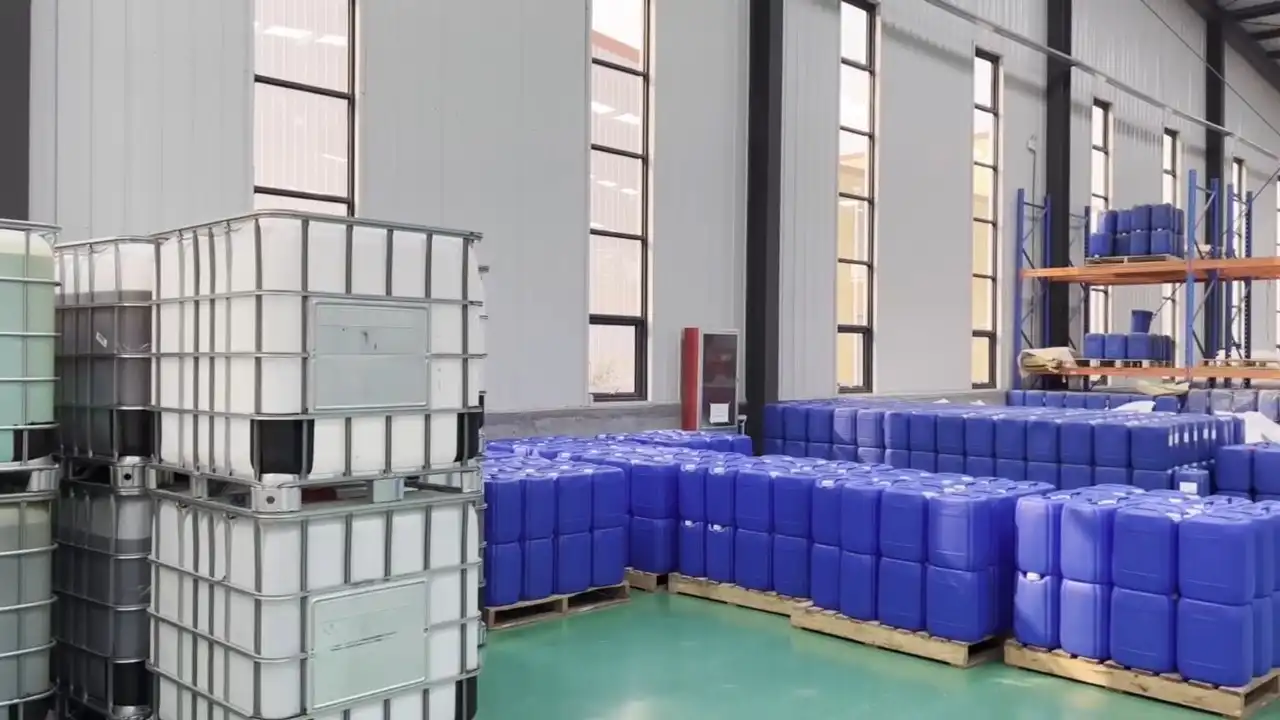
The time it takes to send an order depends on when it is made, how much product is on hand, and how it is shipped. Setting realistic goals when talking to suppliers keeps operations from being thrown off by shocks. Many places keep enough safety stock to last for one to two months of use in case of unexpected delays and to keep costs down by not keeping too much inventory on hand.
Building Long-Term Supply Partnerships
Chemical buying that works well involves more than just one transaction; it also involves building relationships that offer long-term value. Suppliers who take the time to learn about your business can offer ways to improve your products or applications based on how the industry is changing. Talking to your providers on a regular basis about changes in the way they do things, future projects, or changes in how things are consumed helps them predict your needs and give better service.
When talking about prices, the total cost of ownership should be taken into account instead of just the unit price. A slightly more expensive product that works better may lower total costs by requiring less quantity or having fewer quality problems. In the same way, sellers who offer expert support and helpful customer service create intangible value that makes price differences acceptable compared to relationships that are only transactional.
Safety, Environmental Impact, and Compliance for Responsible Use
Because the material Welan Gum is very water-friendly, it needs to be carefully spread out so that it doesn't clump together or only partially absorb water. When high-shear stirring is used, the powder should be added slowly to the swirl of the mixed liquid. This will make sure that the particles are slowly wet. Instead, mixing dry ingredients like sand or cement first makes it easier to spread the mixture evenly before adding water. Finally, dispersing the mixture in non-solvents like glycol lets you control when it starts to hydrate. Whether you're working with natural seawater, fake brine, or regular tap water, you need to mix the mixture well until it dissolves completely. If you don't, gel lumps will form, which will make the process harder later on.
Handling and Storage Guidelines
Compared to many industrial poisons, this defoamer's powdered form is much safer to handle. Standard safety gear, like safety glasses and dust masks, is enough to keep workers safe during material movement activities. The fact that the product is non-volatile means that there are no worries about breathing in liquid chemicals or vapors.
The storage requirements are simple: keeping the product dry in covered cases will keep its quality forever. Unlike chemicals that break down quickly when exposed to airborne moisture, this mixture can handle normal warehouse humidity levels without losing its effectiveness. There is no need to control the temperature because the product stays stable across the temperature ranges found in normal workplace storing areas.
Environmental Profile and Sustainability
The silicone backbone structure that supports this mixture is less harmful to marine life than many other organic defoamers. Environmental impact studies show that silicones separate more easily than solids during wastewater treatment, making it easier to get rid of them in the sludge at the treatment plant rather than going into the receiving waters. This trait has benefits for the environment, especially in water treatment processes where defoamer residues end up in wastewater streams.
Biodegradation works in a different way than normal chemical materials. Instead of breaking down quickly due to microbes, silicones break down slowly due to hydrolysis and weathering in the environment. Complete mineralization takes a long time, months or years instead of days, but the safe breakdown products don't pose much of an environmental risk, according to thorough environmental risk studies.
Regulatory Compliance and Certifications
Chemical laws change a lot from one country to another, making it hard for businesses around the world to follow the rules. This product mixture meets the requirements of major regulatory systems, such as REACH registration for use in Europe and TSCA listing for use in the US. With these licenses, you can be sure that the product has been properly tested for safety and meets all the requirements for business use.
Certifications that are specific to an industry add extra security for users who have high-quality standards. Our manufacturing partners keep up-to-date licenses that are important to the industries we work with. This makes sure that the way they make things meets the quality standards of those industries. This organized way of managing quality makes sure that each batch is the same, which is important for business processes.
Conclusion
Controlling foam is an important but often forgotten factor that affects the quality of products and the regularity of processes in many fields. It's smart chemistry blends effective foam reduction with practical handling benefits to make this specialized powdered defoaming agent work reliably. Because it doesn't need a lot of it, it works for a long time, and doesn't react badly with many different process conditions, it can be used for a wide range of tasks, from filling in oil fields to treating water, and more. The powdered form gets rid of the stable issues that come with liquid emulsions and makes transportation and storage easier. When used correctly and according to best practices, this addition improves the quality of the product without being noticed. It works quietly in the background to stop problems with foam without creating extra work or needing constant attention. Our dedication goes beyond just giving you chemicals; we also offer a professional relationship that helps you get the best results from your application methods.
FAQ
1. What makes this defoamer more effective than organic alternatives?
Compared to fatty acid or alcohol-based organic defoamers, silicone-based chemistry is more stable at high temperatures and can handle more pH levels. This recipe stays successful even in high and low temperatures and alkaline conditions that are common in cement systems and many other industrial processes, where organic alternatives break down quickly. The powdered format gets rid of worries about emulsion stability and provides uniform performance no matter how long it is stored.
2. How does the dosage compare to liquid silicone emulsions?
Most of the time, use rates are between 0.05% and 0.3% by weight of the water phase, which is about the same as or less than many liquid options. The main benefit is that the performance is always the same. You get consistent results without having to change the dose as often as needed to make up for unstable emulsions or goods that break down in liquids. This regularity means that chemical costs can be predicted more accurately, and it's easier to keep track of supplies.
3. Can this product be used in environmentally sensitive applications?
Yes, it can be used in situations where environmental effect is a worry because it is not harmful to aquatic life and has a good environmental fate profile. During wastewater treatment, the silicone structure separates from solids, making it easier to remove them instead of letting them go into the receiving water. Low dosage limits reduce the total amount of chemicals used per unit of treated material, which further reduces the impact on the environment.
Partner with Taicheng: Your Trusted Antifoam AF2085S Supplier
Partner with Taicheng, the Antifoam AF2085S supplier you can trust. If you need to get rid of foam, Xi'an Taicheng Chemical has high-quality defoaming products and a lot of scientific knowledge to back them up. Our company has been making and supplying oilfield chemical raw materials for a long time, so we know what industry processes need in terms of performance and consistency. Our team can make chemicals and has a lot of experience using them because they've worked for years in the oil and gas, water treatment, and specialty chemical industries. Please email our technical experts at sales@tcc-ofc.com to talk about your specific foam control issues and find out how this tried-and-true addition can improve the quality of your products and the stability of your operations. We're dedicated to providing fast support that helps your business succeed, whether you need specific technical data, help with an application, or cheap pricing for large orders.
References
1. Chen, L., & Morrison, T. (2019). Silicone-Based Defoamers in Industrial Applications: Chemistry and Performance Characteristics. Industrial Chemical Review, 44(3), 127-145.
2. Roberts, P.H., & Kumar, S. (2020). Foam Control in Cement Slurry Systems: Mechanisms and Additive Technologies. Journal of Petroleum Technology, 72(8), 54-62.
3. Anderson, K.R. (2021). Environmental Fate and Aquatic Toxicity of Organosilicone Compounds Used in Industrial Formulations. Environmental Chemistry Letters, 19(2), 889-903.
4. Martinez, D.L., & Zhang, W. (2018). Comparative Performance Analysis of Powdered versus Liquid Defoaming Agents in Water Treatment Operations. Water Treatment Engineering Quarterly, 31(4), 211-228.
5. Thompson, J.M. (2020). Optimizing Chemical Additive Dosing in Oilfield Cementing: Best Practices and Field Case Studies. SPE Production & Operations Journal, 35(1), 78-91.
6. Williams, R.T., & Patterson, S.K. (2022). Regulatory Compliance and Safety Considerations for Silicone-Based Industrial Chemicals. Chemical Safety & Health Quarterly, 28(2), 156-174.
Learn about our latest products and discounts through SMS or email