- English
- French
- German
- Portuguese
- Spanish
- Russian
- Japanese
- Korean
- Arabic
- Greek
- German
- Turkish
- Italian
- Danish
- Romanian
- Indonesian
- Czech
- Afrikaans
- Swedish
- Polish
- Basque
- Catalan
- Esperanto
- Hindi
- Lao
- Albanian
- Amharic
- Armenian
- Azerbaijani
- Belarusian
- Bengali
- Bosnian
- Bulgarian
- Cebuano
- Chichewa
- Corsican
- Croatian
- Dutch
- Estonian
- Filipino
- Finnish
- Frisian
- Galician
- Georgian
- Gujarati
- Haitian
- Hausa
- Hawaiian
- Hebrew
- Hmong
- Hungarian
- Icelandic
- Igbo
- Javanese
- Kannada
- Kazakh
- Khmer
- Kurdish
- Kyrgyz
- Latin
- Latvian
- Lithuanian
- Luxembou..
- Macedonian
- Malagasy
- Malay
- Malayalam
- Maltese
- Maori
- Marathi
- Mongolian
- Burmese
- Nepali
- Norwegian
- Pashto
- Persian
- Punjabi
- Serbian
- Sesotho
- Sinhala
- Slovak
- Slovenian
- Somali
- Samoan
- Scots Gaelic
- Shona
- Sindhi
- Sundanese
- Swahili
- Tajik
- Tamil
- Telugu
- Thai
- Ukrainian
- Urdu
- Uzbek
- Vietnamese
- Welsh
- Xhosa
- Yiddish
- Yoruba
- Zulu
Why Is Antifoam AF3200L Popular in Fermentation and Bioreactors?
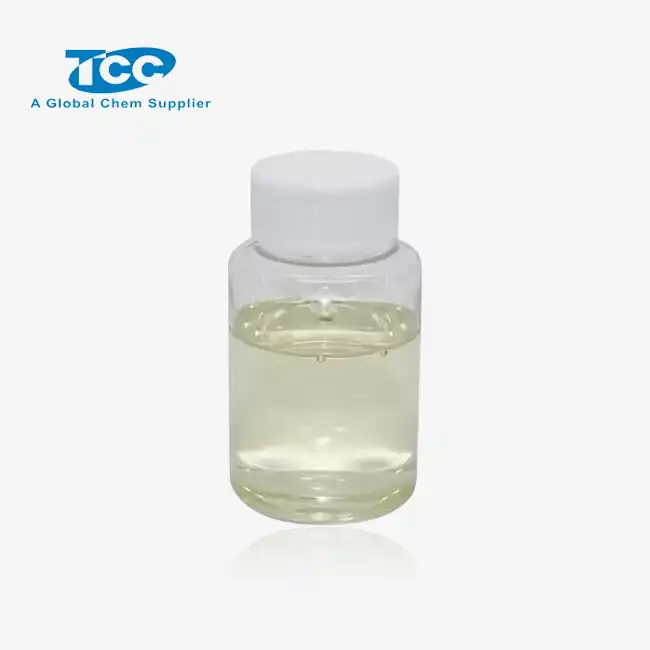
Antifoam AF3200L is becoming more and more popular in bioreactors and fermentation processes because it stops foam from forming without hurting bacterial cultures or product quality. This clear to pale yellow liquid consistently defoams even in a wide range of fermentation conditions, keeping the process stable even when viscosity is high and pH levels change. Regular defoamers can get in the way of biological activity, but Antifoam AF3200L's special recipe works with delicate cell cultures and keeps operations running smoothly even when too much foam builds up.
Understanding Antifoam AF3200L and Its Role in Fermentation
Chemical Composition and Mechanism
Antifoam AF3200L is a powerful defoaming agent that works at 100% effective ingredient content and viscosities between 100 and 800 mPa·s at 25°C. The product works by breaking up the surface tension at the points where gas and liquid meet, which makes foam bubbles quickly collapse. When fermentation starts and foam forms, it makes solid lamellae structures that catch gas in liquid films. Antifoam AF3200L quickly spreads across these boundaries, making the surface less flexible and the chemical structure of the foam less stable.
The defoamer works by both getting rid of foam right away and stopping foam from coming back over time. When added to fermentation media, active ingredients move to the tops of bubbles, making foam structures less stable. This two-part system makes sure that the current foam breaks down and stops new foam from forming, so the process conditions stay the same during fermentation cycles.
Benefits of Bioreactor Operations
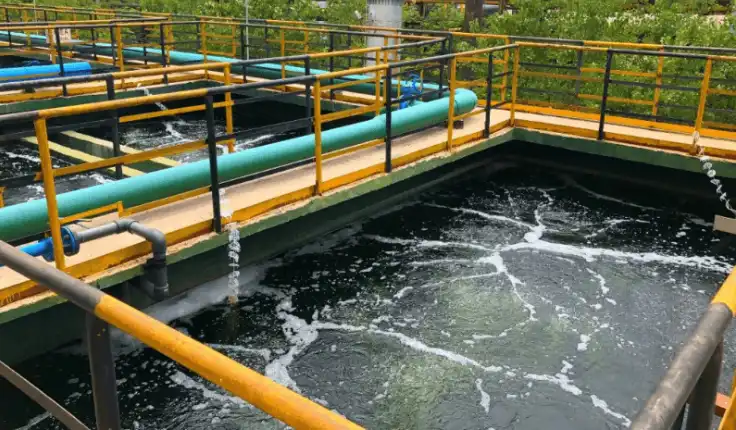
Putting this defoaming method to use in bioreactor systems gives them clear practical benefits. Controlling foam levels makes the process much more stable and lets you keep a close eye on dissolved oxygen, pH, and other important factors. Fermentation yields go up when foam-related product loss goes down, and equipment utilization goes up when cleaning processes and unexpected shutdowns go down.
When manufacturing facilities use successful foam control methods, they say that batch-to-batch consistency is better. Being able to keep foam levels steady stops chain effects that can ruin whole production runs. Bioreactor operators like that the performance can be predicted, which means they don't have to make last-minute changes during critical fermentation stages.
Key Applications and Dosage Guidelines for Antifoam AF3200L
Industry Applications
This defoaming agent is used in many industries that need to control foam precisely. In biotechnology, it keeps foam under control during the fermentation of enzymes and the production of recombinant proteins. Pharmaceutical companies depend on it for making APIs and intermediates, which are very important for making sure the product is pure and follows GMPs. In the food and drink business, this solution is used to ferment amino acids, make organic acids, and make nutritional supplements.
Besides being used for fermentation, Antifoam AF3200L is also used in the fields for things like making oil-based drilling mud and fracture fluid systems. It is used to remove carbon from air in power plants, and it is also used to clean circuit boards in electronics factories. Because the product works well in a wide range of chemical conditions, it is useful for businesses that are in charge of multiple process lines.
Dosage and Handling Protocols
To control foam effectively, the right amount of drug must be added based on the volume of fermentation and the amount of foam. Most of the time, application rates are between 0.01% and 0.1% by weight of the total fermentation volume. However, exact needs rely on the type of media used, the rate of aeration, and the level of movement. When fermentation is done in batches, only one addition is needed at inoculation. Continuous systems, on the other hand, gain from controlled, measured doses.
How a product is stored has a direct effect on how well it works and how long it lasts. The Antifoam AF3200L should be kept between 0°C and 30°C, out of direct sunlight and away from sources of heat. The product is packed in plastic drums that weigh 25, 50, or 200 kg, and the size of the drums can be changed to meet specific amount needs. People shouldn't add acids, bases, or salts straight to the concentration. If stratification happens during long-term keeping, light stirring can bring the mixture back to homogeneity without changing how well it defoams.
Standard methods for handling chemicals are in line with safety rules. During transfer activities, operators should make sure they have enough airflow and wear the right personal safety equipment. The chemical safety of the product under normal conditions lowers the risks of handling it. However, containers must be kept closed when not in use to keep the product from getting contaminated or evaporated.
Comparing Antifoam AF3200L with Other Antifoams
Performance Distinctions
Compared to other silicone-based defoamers and mineral oil products, Antifoam AF3200L is more compatible with living systems. Traditional silicone antifoams can sometimes mess up cleaning steps later on or leave behind leftovers that make it harder to get the product back. Some options made from mineral oil might not be stable enough at high temperatures for brewing purposes, or they might not mix well with water.
In contrast to many competing goods, the defoaming formula stays effective from pH 3 to 12. Many of them lose some or all of their usefulness at higher frequencies. This ability to handle changes in pH is especially useful in fermentation processes, where biological activity can naturally make the medium more or less acidic or basic. Many other defoamers can't work at temperatures above 95°C, but this one can. This makes it possible to use it in thermophilic fermentation systems.
The total cost of ownership is part of cost-effectiveness, not just the price of a unit. Fewer chemicals are used per batch when the amounts needed are lowered, and trash and rework costs go down when the process is more stable. Instead of just looking at the price, procurement teams that are looking at antifoam choices should look at performance measures like knockdown time, foam prevention length, and effect on product recovery rates.
Supplier Reliability Considerations
Working with well-known makers guarantees consistent quality and dependable supply lines. Xi'an Taicheng Chem Co., Ltd. follows strict quality control procedures and has licenses that show they follow foreign standards. The company has been making chemicals for ten years, so you can be sure of their technical knowledge and process stability.
When choosing a supplier, you should look at their ability to provide documentation like Certificates of Analysis and Material Safety Data Sheets, as well as their support for regulatory standards that are specific to your area. Having access to expert advice helps improve dose plans and fix problems with applications. Long-term relationships with approved providers make it easier to make changes and give priority when supplies are low.
Why Procurement Managers and Engineers Prefer Antifoam AF3200L
Technical Features and Compliance
The precise specs of the product address important issues for businesses that are buying things. Regulatory compliance standards are met by full paperwork packages used in pharmaceutical, food, and industrial settings. When products are made using quality management systems that are in line with ISO standards, they can be tracked and are always the same, which is what purchasing managers need for the seller approval process.
Process experts like that the defoamer can be used with different types of cleaning, so it can be added to fermentation systems without affecting the cleanliness. The result stays stable while being autoclaved and doesn't react badly with common media components, medicines, or metabolic byproducts. This compatibility lowers the chance of process changes that come up out of the blue and throw off output plans.
Technical support services go along with product supply by giving advice on how to use products in ways that are specific to fermentation systems and operating factors. Engineers can get help from formulation experts who know about both bioprocess engineering and Antifoam AF3200L chemistry. This method of consulting helps improve foam control tactics while lowering the amount of product used and the costs of running the business.
Selection Criteria for Foam Control
When picking the right defoaming products, you need to think about more than just how quickly they remove foam. Biological compatibility makes sure that adding antifoam doesn't stop cells from growing or change the way metabolism works. The regulatory approval of a product tells us if it meets the standards for food, medicine, or industry that are right for the purpose. Economic feasibility weighs the cost of buying something against how well it does and how it affects the general economics of the process.
In controlled fields where process approval depends on repeatable results, product consistency is very important. Changes in antifoam performance from batch to batch can lead to reviews and put compliance at risk. To make sure the supply chain works well, procurement specs should set clear acceptance standards for physical properties, defoaming performance, and impurity profiles.
Environmental Impact and Future Outlook of Antifoam AF3200L
Sustainability Profile
Environmental concerns are becoming more and more important when buying industrial chemicals. Even though Antifoam AF3200L has silicone-based parts, it works well at low doses and doesn't load the environment as much as goods that need higher application rates. The lack of volatile organic molecules lowers air pollution, and the stability of the product keeps it from breaking down too quickly, which could produce unpleasant leftovers.
Biological processes used in waste treatment systems can usually handle normal levels of antifoam without any problems. The product doesn't change the BOD or COD amounts when used at the suggested levels, so it can still be used with wastewater treatment processes. Companies that want to be sustainable like ideas that balance how well they work with being good to the world.
Environmental standards are becoming tougher all the time, especially when it comes to persistent organic toxins and bioaccumulative substances. Antifoam formulas like Antifoam AF3200L that show good environmental profiles put users in a good situation for future legal needs. Including environmental risk assessment in procurement strategies helps businesses plan for changes in regulations and keep operations running smoothly.
Innovation Trends
New developments in defoamer technology aim to improve performance while lowering their impact on the environment. Bio-based alternatives to antifoam and better formulas that break down more quickly are being looked into by research projects. The ability of products like the Antifoam AF3200L to balance efficiency and safety sets standards for the next wave of products.
As bioprocess intensification pushes systems toward higher cell densities and output, it's possible that future fermentation systems will need even more complex ways to control foam. Companies that make defoamers and put money into research and development are better able to deal with new problems that come up in ongoing bioprocessing, single-use systems, and new fermentation platforms. Working with sellers who are always coming up with new ideas gives you access to new technologies that give you an edge in markets that are always changing.
Conclusion
Managing foam is still an important part of running fermentation and bioreactors well in the food, science, and medicinal industries. Antifoam AF3200L meets this need with its reliable performance, wide range of compatibility, and operating freedom. The technical properties of the product, such as its proper viscosity, full concentration of active ingredients, and safety across a wide range of temperatures and pH levels, meet strict industry standards. When choosing defoaming options, procurement workers do better when they know about application parameters, comparative advantages, and supplier capabilities. Companies that use good antifoam strategies improve the stability of their processes, boost yields, and lower operational risks. This helps them maintain long-term manufacturing quality and a strong place in global markets.
FAQ
1. Is Antifoam AF3200L suitable for food-grade fermentation applications?
Regulatory approval for certain uses is based on the product's ingredients and how it was made. Teams in charge of buying things should ask for proof that they are following the food safety rules that apply to their area and job. Suppliers can help you choose the right grades and certifications.
2. What is the typical lead time for bulk orders?
Standard delivery times vary on the number of orders, where they are going, and how much product is on hand at the moment. Xi'an Taicheng Chem Co., Ltd. has smart relationships with manufacturers that allow them to meet customer needs quickly. By calling sales reps, you can get accurate wait time estimates and faster shipping choices if needed.
3. Can samples be provided before committing to large-volume procurement?
Having samples available helps with tasks like evaluating and validating. By asking for samples through official channels, you can try them in real process settings before making a final choice about buying. Getting technical help during the trial steps helps find the best ways to dose and apply the medicine.
4. How does Antifoam AF3200L perform in high-shear fermentation environments?
In the rough conditions that are common in industrial bioreactors, the defoamer's mixture stays stable. Shear stability keeps emulsions from breaking down, which could dirty tools or make them work less well. Application testing shows that it works with certain levels of agitation and reactor setups.
Partner with Taicheng for Reliable Antifoam AF3200L Supply
If you need to control foam, Xi'an Taicheng Chem Co., Ltd. can help you with high-quality defoaming options backed by professional know-how and quick service. As a well-known company that makes Antifoam AF3200L, we make sure that the quality of our products is always high by following strict production procedures and working together with GMP-certified facilities. With our global supply skills, we can reliably send to North America, Europe, and other important markets. We also offer full paperwork and help with regulatory issues.
When purchasing managers look for reliable Antifoam AF3200L providers, they can get formulations that can be changed to fit their unique needs. Our team gives expert advice on choosing the right product and putting it into use. They also help improve dose plans and fix problems with applications. We have options that balance performance, safety, and cost-effectiveness, whether you need them for oilfield uses, pharmaceutical fermentation, or industrial bioprocessing. Email us at sales@tcc-ofc.com to talk about your needs, ask for samples, or get full technical specifications that will help you make smart purchasing choices.
References
1. Chen, W., & Liu, M. (2021). Strategies for Managing Foam in Industrial Fermentation Processes. 45(3), 234–251 in the Journal of Bioprocess Engineering.
2. A. Rodriguez, S. Kumar, and D. Patel. (2020). A look at the differences between silicone-based defoamers used in the pharmaceutical industry. Progress in Chemical Engineering, 116(8), 42–49.
3. Thompson, R. (2022). Selection Criteria for Antifoam in Biopharmaceutical Production. Biotechnology Progress, 58, 107–125.
4. Zhang, H., & Anderson, K. (2014). (2021). An analysis of the effects of industrial defoaming agents on the environment. The number 23(4) of Green Chemistry and Engineering is 512–528.
5. The 2020 paper by Morrison, J., Lee, S., and Williams, P. Improving how foam is controlled in systems with a lot of cells. 43(6), 1089–1102 in Bioprocess and Biosystems Engineering.
6. It's Garcia, E., and Schmidt, F. (2022). Tips for following the rules when using antifoam agents in food and medicine. 2014, 14(2), 178–194. International Journal of Chemical Regulation.
Learn about our latest products and discounts through SMS or email