- English
- French
- German
- Portuguese
- Spanish
- Russian
- Japanese
- Korean
- Arabic
- Greek
- German
- Turkish
- Italian
- Danish
- Romanian
- Indonesian
- Czech
- Afrikaans
- Swedish
- Polish
- Basque
- Catalan
- Esperanto
- Hindi
- Lao
- Albanian
- Amharic
- Armenian
- Azerbaijani
- Belarusian
- Bengali
- Bosnian
- Bulgarian
- Cebuano
- Chichewa
- Corsican
- Croatian
- Dutch
- Estonian
- Filipino
- Finnish
- Frisian
- Galician
- Georgian
- Gujarati
- Haitian
- Hausa
- Hawaiian
- Hebrew
- Hmong
- Hungarian
- Icelandic
- Igbo
- Javanese
- Kannada
- Kazakh
- Khmer
- Kurdish
- Kyrgyz
- Latin
- Latvian
- Lithuanian
- Luxembou..
- Macedonian
- Malagasy
- Malay
- Malayalam
- Maltese
- Maori
- Marathi
- Mongolian
- Burmese
- Nepali
- Norwegian
- Pashto
- Persian
- Punjabi
- Serbian
- Sesotho
- Sinhala
- Slovak
- Slovenian
- Somali
- Samoan
- Scots Gaelic
- Shona
- Sindhi
- Sundanese
- Swahili
- Tajik
- Tamil
- Telugu
- Thai
- Ukrainian
- Urdu
- Uzbek
- Vietnamese
- Welsh
- Xhosa
- Yiddish
- Yoruba
- Zulu
How Effective Is Microsilica Powder in High-Temperature Environments?
Because it can make the microstructure of concrete denser and keep its mechanical integrity under heat stress, Microsilica powder performs admirably in high-temperature settings. This very fine pozzolanic material is made up of amorphous silicon dioxide (SiO2), which makes the pores very well-defined and resistant to heat degradation. Concrete with Microsilica powder has much lower thermal conductivity and less spalling when it is exposed to high temperatures than regular mixes. Microsilica powder and calcium hydroxide react pozzolanically to make stable calcium silicate hydrate phases that can withstand temperatures above 600°C. This makes it essential for refractory applications, power plant infrastructure, and industrial facilities that need to be resistant to high temperatures and last for a long time in harsh conditions.
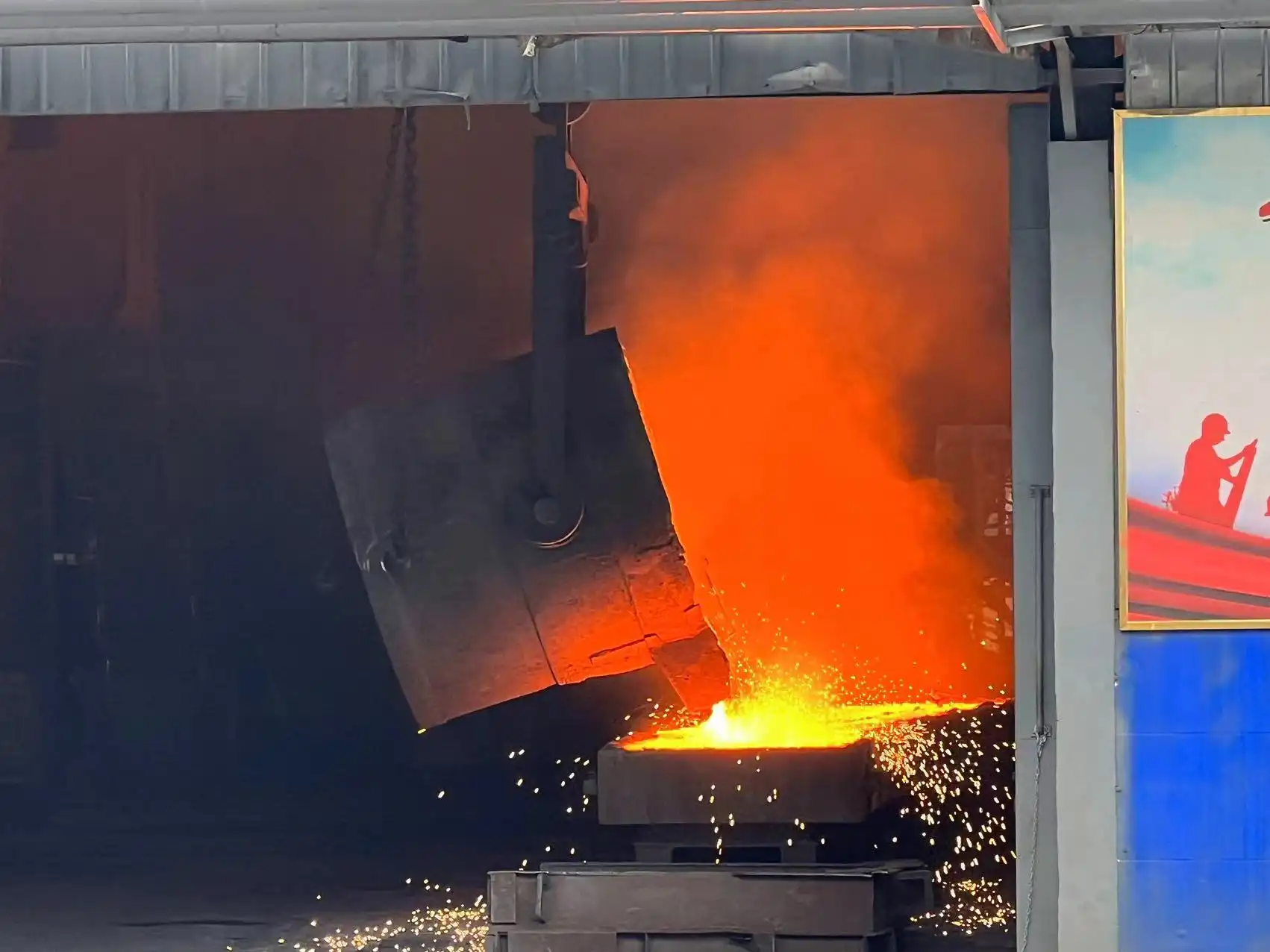
Understanding Microsilica Powder and Its Role in Concrete
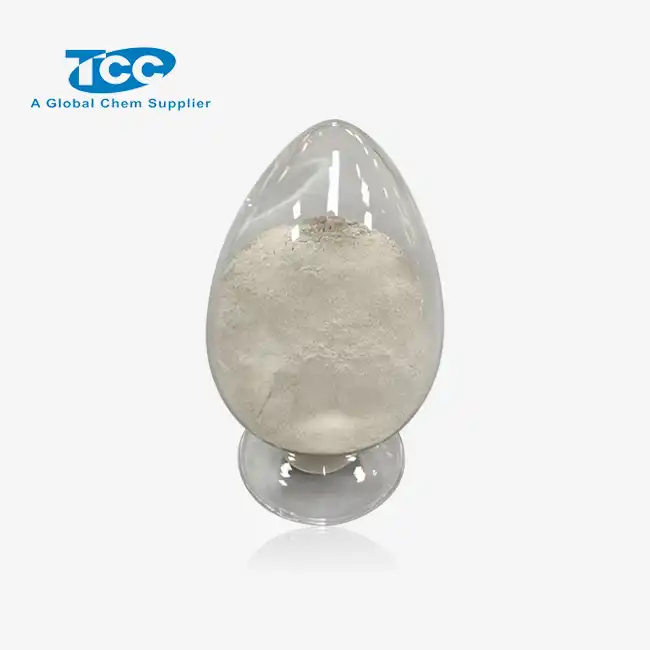
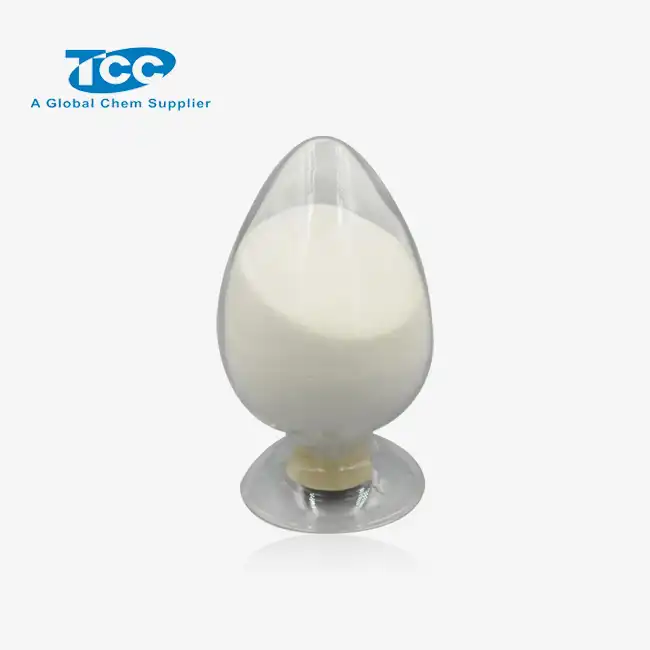
Microsilica powder, which is also called silica fume, is a waste that is made when high-purity quartz is reduced in an electric arc furnace to make silicon metal or ferrosilicon alloys. This gray-white powder is made up of very small circular pieces that are about 0.15 micrometers across, which is about 100 times smaller than cement grains. At Xi'an TaiCheng Chem Co., Ltd., we offer Microsilica powder (CAS No.: 60676-86-0) that has a SiO2 content of more than 85%. This guarantees that the quality will be constant for your commercial uses.
The Chemical Composition That Drives Performance
Microsilica powder is mostly made up of the chemical formula SiO2. However, its usefulness comes from its amorphous structure and huge specific surface area, which can be anywhere from 15,000 to 30,000 m²/kg. This property makes pozzolanic activity possible, which is a chemical process in which Microsilica powder and calcium hydroxide (a byproduct of cement hydration) join to create more calcium silicate hydrate (C-S-H) gel. This gel is the main thing that holds concrete together, directly increasing its compression strength and decreasing its ability to let water through. Microsilica powder instantly and deeply improves the microstructure, unlike fly ash, which reacts more slowly, or metakaolin, which works on average.
Why Microstructure Matters in Thermal Applications
Ultra-fine Microsilica powder particles fill in tiny gaps between cement grains through a process engineers call the "micro-filler effect." This makes the porous interfacial transition zone (ITZ) between the cement paste and aggregate into a dense matrix. Less porosity means less permeability, which is very important for keeping out moisture that can cause rapid spalling when water vapor grows in hot weather. The improved microstructure also stops heat from moving, lowering thermal conductivity and keeping the inserted support from breaking down due to temperature. Thanks to feedback from our clients, we know that buildings with Microsilica powder stay strong in places where regular concrete fails quickly.
Performance of Microsilica Powder in High-Temperature Environments
When concrete is exposed to high temperatures for a long time, it breaks down in a number of ways, including the drying of C-S-H gel, the breakdown of calcium hydroxide, and differences in the rates of thermal expansion between the paste and the aggregate. Microsilica powder solves these problems in a number of ways, which is why it is the best addition for uses that need to be resistant to heat.
Thermal Stability and Mechanical Integrity
In industrial tests, concrete with 8–12% Microsilica powder (by cement weight) keeps more than 75% of its compressive strength at temperatures up to 600°C. In contrast, regular mixes only keep 50–60% of their strength. The better performance comes from the pozzolanic processes that use up calcium hydroxide. At about 450°C, calcium hydroxide breaks down, leaving holes inside and losing power. Microsilica powder changes most calcium hydroxide into solid C-S-H phases as it cures, leaving less material that can break down in heat. Power plants that use Microsilica powder-enhanced concrete in the foundations of their boilers and turbine pedestals report much longer service times and lower upkeep costs.
Refractory Applications: A Proven Track Record
Microsilica powder is used as both a binder and a flow modifier in solid refractory castables that are used in steel mills, petroleum plants, and incinerators. Normal cement-based refractories break down quickly at temperatures above 1000°C. By creating ceramic links at high temperatures, low-cement castables with Microsilica powder keep their structural stability. Because the material thickens, it needs less water, which lets the particles pack more tightly and handle temperature shock better. Industrial clients constantly say that refractories modified with Microsilica powder can handle 30–40% more thermal cycles before they need to be replaced. This saves a lot of money on running costs.
Case Evidence from Critical Infrastructure
Microsilica powder addition decreased fire damage depth by about 45%, according to a thorough study of offshore oil platform concrete exposed to fuel fires. The thick lattice stopped heat from getting into important parts of the structure. In a similar vein, tube linings made of shotcrete with Microsilica powder exhibited little spalling during fire resistance tests that mimicked blasts from road tankers. The results from these tests in the real world show that Microsilica powder makes things safer and lasts longer in high-temperature settings.
Comparison and Cost-Benefit Analysis for B2B Procurement
When looking at cementing chemicals for high-temperature uses, procurement workers have to weigh the costs and benefits of each. Knowing how Microsilica powder stacks up against other options makes its value argument clearer.
Microsilica Powder Versus Nano Silica
Although both materials can be used as pozzolans, Microsilica powder has some unique benefits for large-scale industrial applications. Even finer filler is provided by nano silica particles, which are usually 5–50 nm in size, but they are much more expensive—often 3–5 times more expensive per ton than Microsilica powder. The very small particle size also makes it hard for the particles to spread out, which requires special mixing tools and longer working times. Microsilica powder has 80–90% of the performance benefits of nano silica at a fraction of the cost. This makes it the most cost-effective way to use a lot of concrete in places like power plants, pipelines, and offshore buildings, where saving money is important.
Microsilica Powder Versus Fly Ash
Fly ash is a cheaper alternative to pozzolan, but it doesn't work as well at temperatures above 400°C and takes longer to get stronger. Fly ash is good for general building, but Microsilica powder is better in terms of its ability to fight heat or gain strength quickly. The better reactivity that only Microsilica powder offers is required for projects that require quick formwork removal, instant load-bearing ability, or prolonged exposure to heat. Microsilica powder costs $400 to $700 per ton, while fly ash costs $100 to $200 per ton. However, the higher initial cost of the material pays off in the long run by providing longer service life and lower upkeep costs.
Procurement Economics: Bulk Buying Advantages
At Xi'an TaiCheng Chem Co., Ltd., we can offer reasonable prices for bulk orders because we have long-term relationships with GMP-certified factories. Customers who buy at least 20 to 25 metric tons benefit from tiered price systems that cut the cost per ton by 15 to 20 percent. The consistent shipping plans set by our reliable supply chain keep projects from being delayed, which costs a lot of money. We offer complete paperwork, such as Certificates of Analysis (COA) and Material Safety Data Sheets (MSDS), which makes it easier to follow the rules for shipping goods across borders to customers in North America, Europe, and other places.
Procurement Guidance for Industrial Clients
Finding a reliable Microsilica powder provider requires looking at more than just the price per unit. Consistency in quality, expert help, and the ability to handle logistics are all important for strategic sourcing.
Critical Supplier Evaluation Criteria
Check the following things about possible partners to lower supply chain risks and make sure the product will work. Certification shows that a company meets known quality standards. Look for ISO 9001 registration and A-level taxpayer qualifications to see if the company is financially stable and runs honestly. Technical capabilities include in-house testing labs that can check the amount of SiO2, the amount of wetness, the amount of loss on ignition (LOI), and the spread of particle sizes. Suppliers should give test records for each batch that show they meet ASTM C1240 or EN 13263 standards.
For just-in-time inventory systems that are popular in factories, delivery efficiency is very important. Check to see if the seller has a transportation network, can ship containers, and has experience with customs processes in your area. A seller with established freight handling relationships keeps delays and damage to a minimum while the goods are in transit. After the sale, responsive technical teams help improve dosage rates, solve mixing issues, and suggest formulation changes for project-specific needs. This is what sets great sellers apart from average ones.
Navigating Bulk Purchasing and Logistics
Densified Microsilica powder is usually shipped in containers, which is more cost-effective than shipping smaller lots. Microsilica powder should be stored in a dry environment (moisture content below 3%) to avoid clumping, so keep this in mind when planning your purchase. Covered warehouse space with temperature control keeps the quality of materials safe from transport to use. Plan shipping times around project plans to cut down on the time and money needed for on-site storage.
When you buy something across borders, you need to keep records like business bills, packing lists, and certificates of origin. Working with suppliers who have experience with foreign trade makes clearing customs easier and makes sure that you follow the rules of the target country. At Xi'an TaiCheng Chem Co., Ltd., our export team prepares paperwork, works with freight forwarders, and keeps track of packages so that everyone in the supply chain can see what's going on. This all-around help makes things easier for your buying team so they can focus on their main business tasks.
Environmental and Sustainability Aspects of Microsilica Powder
Along with standard cost and performance factors, sustainability measures are becoming more and more important in modern procurement strategies. Due to its roots in production and actual performance improvements, Microsilica powder is consistent with environmental responsibility goals.
Recycling Industrial Emissions into Valuable Materials
Microsilica powder is a great example of how the circular economy can work. Instead of releasing silicon dioxide into the air during metallurgical processes, filtration systems are used by industry sites to collect this waste product. This process turns a possible environmental pollution into a valuable building material, which is a good example of using resources efficiently. While lowering the need for new raw materials, the use of Microsilica powder in concrete prevents thousands of tons of waste from entering dumps every year.
Reducing Cement Consumption and Carbon Footprint
About 0.8 to 1 ton of clinker makes about 0.8 to 1 ton of CO₂ because of calcination processes and burning fossil fuels. Microsilica powder can be used to replace 5 to 15% of the cement in concrete while keeping or improving its performance. This change directly drops the amount of carbon that is built into buildings. When compared to traditional designs, a normal bridge deck that uses Microsilica powder can cut carbon emissions by 10 to 12 percent. As laws like California's Buy Clean Act and federal infrastructure sustainability requirements become more common, it becomes necessary to mention low-carbon concrete in order to get a project approved and keep the client happy.
Compliance with Green Building Standards
Third-party certificates, like LEED (Leadership in Energy and Environmental Design), give points for using recycled materials and lowering the environmental impact of materials. The majority of green building programs consider Microsilica powder to be recovered content, which helps meet approval requirements. Documenting the use of Microsilica powder in concrete mixes is helpful for projects aiming for LEED Gold or Platinum grades. At Xi'an TaiCheng Chem Co., Ltd, our team offers environmental product statements and supporting paperwork to make it easier for you to submit green building plans. This shows that we care about both technical excellence and sustainability.
Conclusion
Microsilica powder is the best way to make concrete that will be exposed to high temperatures because it provides the best thermal protection, mechanical stability, and microstructural densification. Because it has better pozzolanic activity, it turns concrete into a strong material that can handle temperature pressures that weaken other mixes. Industrial clients can get better performance that extends the useful life of assets and lowers lifecycle costs by carefully choosing suppliers and using the best dosage methods. The environmental benefits of using this recovered industrial waste are in line with sustainability requirements that are becoming more and more important in purchasing decisions. Microsilica powder is an investment in the long-term longevity and operating safety of infrastructure in harsh thermal conditions when it is properly defined and sourced from trusted partners.
FAQ
1. What temperature range can microsilica powder-modified concrete withstand?
Concrete with Microsilica powder keeps its shape for long periods of time at temperatures up to 600°C, and some specialized refractory formulas can even work well at temperatures above 1000°C. Performance is affected by dose rates, the choice of aggregates, and the length of contact. Standard amounts of 8 to 12% by weight of the cement are enough to protect most industrial thermal settings, such as power plants and petroleum plants.
2. Does microsilica powder change concrete mixing procedures?
Yes, changes need to be made. Ultra-fine particles need a lot more water, so high-range water reducers (superplasticizers) are needed to keep the workability. Longer mixing times—usually two to three minutes longer than regular concrete—make sure that all the particles are spread out. Microsilica powder that has been densified is easier to mix than powder that has not been densified. This makes automatic plants less dusty and more accurate at mixing batches.
3. How does microsilica powder pricing compare to alternative additives?
Microsilica powder usually costs between $400 and $700 per ton, based on the quality grade and the size of the order. It costs more than fly ash but less than nano silica. The bigger original investment pays off in better thermal performance and durability, which lowers the cost of upkeep over time. When you buy in bulk from reputable companies like Xi'an TaiCheng Chem Co., Ltd., you can get savings that make big projects more cost-effective.
Partner with Taicheng for Premium Microsilica Powder Supply
When you need solid, high-performance materials for your business, you need a provider you can trust. Xi'an TaiCheng Chem Co., Ltd is your sole Microsilica powder maker and seller. They offer consistent quality and back it up with GMP-certified production partnerships and full technical support. Our round, gray-white powder meets strict international standards for use in waterproof coatings, refractory uses, and concrete strengthening. We have the materials and knowledge that your projects need, whether they are for optimizing shotcrete for tunnel building, selecting cementing additives for offshore platforms, or making low-cement castables for steel mill refractories.
Our low prices for large orders, dependable global shipping network, and quick after-sales service make sure that your buying process goes smoothly from the time you ask a question until the goods are delivered. We keep up the quality management systems and operating honesty that are necessary for long-term partnerships because our company is ISO 9001-certified and has A-level taxpayer qualifications. Email our team at sales@tcc-ofc.com right now to talk about your unique needs, get detailed data sheets, or set up sample shipments. Let us show you how Taicheng's dedication to quality and service can help you succeed in tough thermal situations.
References
1. Mehta, P.K. and Monteiro, P.J.M. (2014). Concrete: Microstructure, Properties, and Materials. Fourth Edition. McGraw-Hill Education.
2. American Concrete Institute Committee 234. (2019). Guide for the Use of Silica Fume in Concrete. ACI 234R-06 (Reapproved 2019). American Concrete Institute, Farmington Hills, Michigan.
3. Poon, C.S., Azhar, S., Anson, M., and Wong, Y.L. (2001). Comparison of the Strength and Durability Performance of Normal and High-Strength Pozzolanic Concretes at Elevated Temperatures. Cement and Concrete Research, Vol. 31, Issue 9, pp. 1291-1300.
4. Khan, M.I. and Abbas, Y.M. (2016). Robust Extreme Gradient Boosting Regression Model for Compressive Strength Prediction of Silica Fume Concrete. Construction and Building Materials, Vol. 127, pp. 1009-1020.
5. Siddique, R. and Khan, M.I. (2011). Supplementary Cementing Materials. Engineering Materials Series. Springer-Verlag Berlin Heidelberg.
6. Neville, A.M. and Brooks, J.J. (2010). Concrete Technology. Second Edition. Pearson Education Limited, Harlow, England.
Learn about our latest products and discounts through SMS or email