- English
- French
- German
- Portuguese
- Spanish
- Russian
- Japanese
- Korean
- Arabic
- Greek
- German
- Turkish
- Italian
- Danish
- Romanian
- Indonesian
- Czech
- Afrikaans
- Swedish
- Polish
- Basque
- Catalan
- Esperanto
- Hindi
- Lao
- Albanian
- Amharic
- Armenian
- Azerbaijani
- Belarusian
- Bengali
- Bosnian
- Bulgarian
- Cebuano
- Chichewa
- Corsican
- Croatian
- Dutch
- Estonian
- Filipino
- Finnish
- Frisian
- Galician
- Georgian
- Gujarati
- Haitian
- Hausa
- Hawaiian
- Hebrew
- Hmong
- Hungarian
- Icelandic
- Igbo
- Javanese
- Kannada
- Kazakh
- Khmer
- Kurdish
- Kyrgyz
- Latin
- Latvian
- Lithuanian
- Luxembou..
- Macedonian
- Malagasy
- Malay
- Malayalam
- Maltese
- Maori
- Marathi
- Mongolian
- Burmese
- Nepali
- Norwegian
- Pashto
- Persian
- Punjabi
- Serbian
- Sesotho
- Sinhala
- Slovak
- Slovenian
- Somali
- Samoan
- Scots Gaelic
- Shona
- Sindhi
- Sundanese
- Swahili
- Tajik
- Tamil
- Telugu
- Thai
- Ukrainian
- Urdu
- Uzbek
- Vietnamese
- Welsh
- Xhosa
- Yiddish
- Yoruba
- Zulu
GLDA NA4 Benefits for Industrial Water Treatment Applications
Professionals who treat industrial water are under more and more pressure to find a mix between environmental duty and operating efficiency. GLDA NA4 directly solves this problem by providing better chelating performance while still being completely biodegradable. This amino acid-based substance is better at removing calcium, magnesium, and heavy metal ions that cause scaling and rust in water systems than common chelating agents like EDTA or phosphonates. Its chemical formula (C9H9NNa4O8) makes it very stable across pH ranges from 2 to 13.5; this makes it especially useful in alkaline industrial settings where other biodegradable materials don't work.
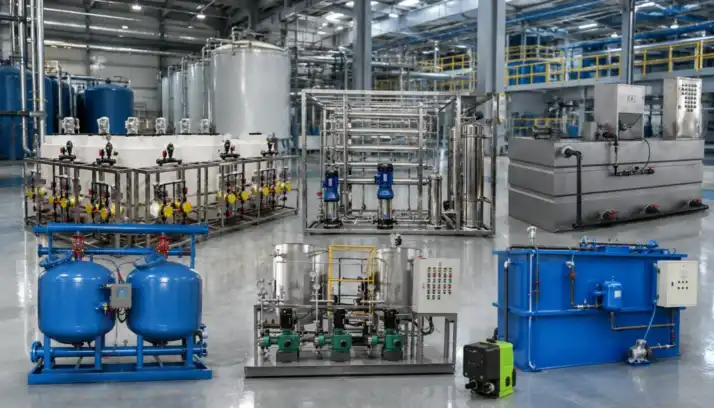
Understanding GLDA NA4 and Its Role in Industrial Water Treatment
Chemical Properties and Chelation Mechanism
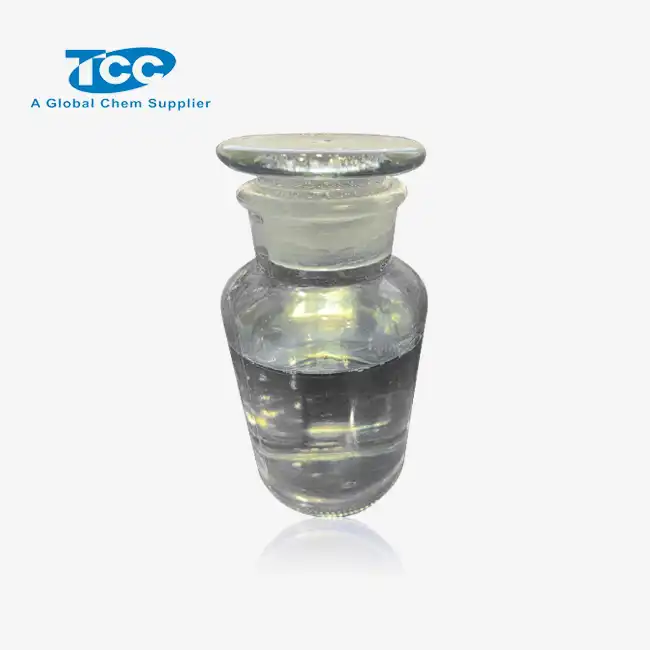
Tetrasodium Glutamate Diacetate is an aminopolycarboxylate that comes from L-Glutamic acid, which is an amino acid that occurs naturally. The thick, light yellow liquid has a density of 1.4 to 1.5 g/cm³. It makes stable complexes with metal ions at several coordination points. These complexes wrap around calcium, magnesium, iron, and copper ions to keep them from interfering with water systems. This way of chelation is very different from scale inhibitors, which only slow down the precipitation process. It makes water-soluble complexes that stay dissolved and are easy to get rid of during system blowdown.
The chelation value, which is about 350 mg CaCO3/g for solid forms, is about the same as EDTA's binding capacity but better at staying in the environment. When GLDA NA4 molecules come into contact with metal ions in cooling towers, boilers, or reverse osmosis systems, the carboxylate groups give up their electron pairs to make covalent bonds that are in sync with the metal ions. This chemical structure stays the same even when heated up to 180°C, so it can be used consistently in high-temperature industrial settings.
Environmental Compliance Advantages
In both the US and the EU, regulations are making it harder for chronic chelating drugs to work. Based on OECD 301D standards, GLDA NA4 is classified as "readily biodegradable" because it breaks down quickly in water without building up in soils or animals. The main problem with EDTA is that it stays in wastewater treatment plants and natural water bodies for years. This biodegradability solves that problem.
EPA Safer Choice approval and EU Ecolabel programs accept water treatment processes that use this chelating agent. The compound's low toxicity profile—it doesn't cause cancer as NTA does—makes safety paperwork easier and lowers facility owners' legal risk. Environmental concerns are becoming more important in purchasing choices, and tetrasodium glutamate diacetate's green traits mean that operations can continue even as rules get stricter.
Key Benefits of Using GLDA NA4 in Industrial Water Treatment
Superior Metal-Binding Performance
Different metal ions that are toxins in industrial water systems need to be completely removed. The chelating agent works very well against both hard water ions (calcium and magnesium) and transition metals (iron, copper, and manganese), which speed up rust and the buildup of foulants. Performance tests in cold water show that GLDA NA4 keeps chelation working well at calcium levels above 500 ppm, which is when citric acid and gluconates stop working.
The wide pH range (pH 2–13.5) gives you options that many sustainable choices don't have. Citric acid derivatives break down above pH 9, but this chemical works fine in highly alkaline conditions like those found in Clean-in-Place (CIP) systems and boiler water cleaning. Because they are stable in acidic environments, concentrated single-phase cleaners can be made that stop scale from forming during high-temperature operations.
Enhanced System Efficiency and Equipment Longevity
By making insulating layers on heat exchange surfaces, scale builds up and makes cooling systems and stoves less efficient at moving heat. Tetrasodium Glutamate Diacetate stops the formation of calcium carbonate, calcium sulfate, and silicate scales. This keeps the best heat conductivity and lowers the amount of energy used. After switching from regular phosphonates to this chelating technology, facilities say their heat exchangers work 8–15% better.
Another important benefit is that it stops corrosion. This chemical stops metal oxide formation and under-deposit corrosion by storing dissolved iron and copper. When GLDA NA4 is added to water treatment systems, equipment lasts much longer, needs less upkeep, and doesn't shut down unexpectedly as often. These operational changes give a clear return on investment, which procurement teams can back up with lifetime cost analysis.
Workplace Safety and Handling Advantages
When using traditional chelating drugs, you usually need to wear a lot of safety gear and follow special handling instructions. The low toxicity rating of GLDA NA4 makes it easier to follow safety rules at work. The liquid form (usually provided at 38–47% active substance) gets rid of the dust exposure risks that come with powder chelants. Material Safety Data Sheets show that this mixture is less likely to irritate the skin and eyes than phosphonic acids and EDTA.
Documentation needs for regulations are lowering a lot. The compound is in compliance with REACH and is not on any lists of dangerous substances, which makes it easier to fill out paperwork for foreign shipping and building permits. Safety managers like that they don't have to train as many people and that emergency procedures are easier to follow. These are two factors that affect the total cost of ownership besides the price of the raw materials.
Comparative Analysis: GLDA NA4 vs Other Chelating Agents
Performance Benchmarking Against EDTA
EDTA (Ethylenediaminetetraacetic acid) has been the standard chelating agent for decades, but efforts to find alternatives are driven by worries about its impact on the environment. Comparative tests show that GLDA NA4 has the same or higher calcium-binding ability as EDTA, but it breaks down completely in 28 days. Tetrasodium glutamate diacetate is 15-20% more stable than EDTA-based therapy in alkaline cooling water mixtures (pH 9–11).
When formulas are changed, the difference in molecular weight needs to be taken into account. Even though molar replacement formulas are more accurate, 1:1 substitution ratios work best in the real world because they work well with surfactants and polymers in full water treatment recipes. When switching from EDTA, procurement teams should ask for application-specific expert advice on how to get the best dose rates for their water chemistry.
Cost-Effectiveness and Return on Investment
GLDA NA4 usually costs 10–25% more for its raw materials than common chelants like EDTA or phosphonates. Comprehensive cost analysis, on the other hand, shows that the economics are good in a number of ways. Higher unit costs are balanced by lower doses that are often 20–30% less than what is needed. When you improve the efficiency of a system, you use less energy, which saves you money on operations that is much bigger than the difference in chemical costs.
When you buy in bulk, the benefits become more noticeable. Long-term planning for water treatment programs is easier when suppliers offer flexible contracts and big discounts. Because the product is stable, it can be stored for a long time without going bad, which helps with strategic inventory management. Total cost of ownership calculations often show that tetrasodium glutamate diacetate is a better deal than traditional options when regulatory compliance costs, longer equipment life, and energy savings are taken into account.
Versatility Across Application Scenarios
Industrial water treatment includes a wide range of uses, from cooling towers to boiler feedwater to preparation in membrane systems. Because GLDA NA4 has a lot of different operating factors, it can be used in all of these situations. In reverse osmosis prep, the chelating agent stops metal ions from fouling the membrane without helping living things grow, as some organic options do. Thermal stability and pH compatibility keep performance up during evaporation concentration cycles, which is useful for cooling towers.
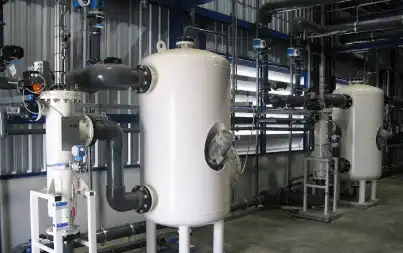
The substance can be used for more than just treating water because it works well in heavy-duty cleaning formulas. Facilities can use the same chelating technology for regular system descaling tasks, which makes managing supplies and working with suppliers easier. This adaptability is especially appealing to oilfield service companies that have to deal with a wide range of water cleaning problems in both upstream and downstream activities.
Procurement Guide for GLDA NA4: What B2B Buyers Need to Know
Supplier Selection Criteria
To find trusted providers, you need to look at more than just unit prices. ISO9000 certification means that quality control systems have been set up to make sure that product standards are the same from batch to batch. It should be common practice to use complexometric titration to check the active content (≥99% purity for top grades), since any variations hurt the performance of the formulation. For eco-certification purposes, purchasing managers should ask for Certificates of Analysis (COA) that show the chelate value (CaCV), pH requirements (11.0–12.0 for 1% solutions), and impurity limits, especially NTA content below 0.1%.
GMP-aligned manufacturing methods are usually used in pharmaceuticals, but they also show that strict process control is good for technical-grade chemicals. Suppliers who keep smart relationships with certified makers show that the supply chain is stable, which is important to keep production from stopping. It's important to think about where you are; for local buyers, U.S.-based distribution networks cut down on wait times and the risk of currency fluctuations, while well-established European suppliers offer REACH compliance knowledge.
Documentation and Regulatory Support
The need for technical paperwork goes beyond just listing the features of a product. Safety Data Sheets (SDS) that meet GHS standards make it easier to follow safety rules at work and plan for what to do in an emergency. Product data sheets with instructions on how to use the product, the suggested dose amounts, and information on how it works with common water treatment additives make it easier to improve the recipe. Buyers should make sure that providers provide legal support documents, such as OECD 301D test results for biodegradability and statements stating that the products meet the requirements for eco-labels.
Contracts for buying things should say what kinds of paperwork should be sent with packages. Quality assurance methods are supported by batch-specific COAs, purity checks, and proof of tracking. Suppliers who offer expert help for solving application problems and formulating new products add value to transactions involving basic chemicals. This is especially true for facilities that are trying to improve their water treatment programs or switch from older chemicals.
Logistics and Supply Chain Considerations
Because GLDA NA4 is a liquid, it needs to be shipped in the right packaging and handled in the right way. Bulk deliveries in totes or trucks are more cost-effective for people who use a lot of it, while drum numbers are better for smaller businesses or test runs. Temperature stability gets rid of the problems that come with sending some aqueous formulations in cold weather, but storage should stay between 5°C and 40°C to keep the product's purity.
Lead times depend on the relationship with the provider and the number of orders. Standard quantities can usually be fulfilled within two to three weeks for established accounts with chosen providers. However, special formulations or first-time orders may need longer lead times. Global logistics skills are important for international businesses that need to make sure that the standard of their products is the same everywhere. Reliable providers keep optimal stock levels that allow them to quickly fill orders and meet emergency supply needs.
Real-World Applications and Case Studies of GLDA NA4 in Water Treatment
Cooling Tower Scale Prevention
A factory in the Midwest with four 500-ton cooling towers had trouble with calcium carbonate scaling, which made the heat exchangers less efficient and required acid cleaning every three months. Over the course of a year, scale formation dropped by 85% after switching to a water cleaning method built on GLDA NA4. The building changed the frequency of cleaning to twice a year for upkeep, which cut down on chemical use and downtime costs. Energy tracking showed that cleaner heat exchange surfaces made the chiller 11% more efficient, which saved $47,000 a year in energy costs compared to the extra $12,000 cost of the chemical program.
The chelating agent was stable at high pH (9.2-9.5), which made it possible to work at that level, which improved rust control while keeping scale avoidance. In the past, systems that used phosphonates had to keep the pH below 8.5 to stop calcium phosphate from forming crystals. Testing the water quality showed that the amount of dissolved iron was less than 0.1 ppm, compared to 0.4 to 0.6 ppm after previous treatments. This meant that less iron would build up on system parts.
Oilfield Water Treatment Integration
The water chemistry in upstream oil and gas processes is very hard because it has a lot of heavy metals, hardness, and total dissolved solids. A company in the Permian Basin used tetrasodium glutamate diacetate in devices that treated produced water to help with hydraulic fracturing. The compound's ability to hold on to iron and calcium in salty places (>50,000 ppm TDS) kept heat exchangers and membrane systems used for reusing water from scaling.
Implementation needed only minor changes to the system; the liquid mixture could be fed into existing chemical feed equipment without having to buy new equipment. The operator said that scale-related repair problems went down by 40% in the first year, and that membrane cleaning went from once a month to three times a year. Environmental compliance benefits were also very useful; the biodegradable chelant met the rules for getting produced water release permits in places that are sensitive to the environment.
Boiler Feedwater Treatment Optimization
A pharmaceutical factory with high-pressure steam boilers (600 psi working pressure) needed very high-quality feedwater to keep deposits and rust from forming. When GLDA NA4 was added to the condensate polishing system, it successfully stopped trace iron and copper pollution from the condensate return pipes. The chelating agent was thermally stable, so it didn't break down in the high-temperature economizer section. This kept the feedwater system safe.
The time between boiler inspections was increased from 18 months to 24 months because less sediment was found in the water during planned breaks. The plant showed better readings of steam purity, with fewer treatment chemicals moving into process steam that is used to make drugs. This combination shows that the substance can be used in situations where both performance and product purity are important.
Conclusion
More and more, industrial water treatment systems need solutions that balance technical success with caring for the environment. Tetrasodium Glutamate Diacetate provides this mix by being better at chelating in a wide range of water types, completely biodegradable (meeting regulatory standards), and having operational benefits such as better energy economy and longer equipment life. When procurement workers look at chelating agents, they shouldn't just look at the unit price; they should also look at the total cost of ownership, which includes benefits like legal compliance, lower environmental liability, and better system performance. Because the compound can be used in cooling water, boiler cleaning, and other specific situations, it can be used in a variety of ways. This makes managing suppliers and keeping track of supplies easier.
FAQ
1. Can GLDA NA4 Replace Existing Chelating Agents Directly?
Most of the time, switching from EDTA or phosphonate-based plans works with only minor changes to the recipe. Molar calculation methods are suggested by changes in molecular weight, but in the real world, 1:1 replacement by weight usually works well enough. Changes in the chemistry of the water affect the best dose. High amounts of hardness or heavy metals may need application-specific tuning. Talking to the expert team at your chemical source will help make sure that the changes go smoothly and take into account the specifics of your system.
2. How Does GLDA NA4 Perform With Oxidizing Biocides?
Some chelating agents break down when chlorine or peroxide is present, but GLDA NA4 (tetrasodium glutamate diacetate) is very stable with oxidizing biocides that are often used to clean cooling water. Because these chemicals are compatible with each other, they can be used together to make water treatment solutions that kill scale and control microbes without causing harmful chemical reactions. Facilities can keep bacteria under control and still get the most out of chelation.
3. What Quality Standards Should Procurement Teams Verify?
Important requirements include checking the active ingredient content (≥38% for liquids and ≥82% for powders), the chelate value (mg CaCO3/g), the pH ranges (11.0–12.0 for 1% solutions), and the residue limits, especially the NTA content (<0.1%) for eco-certification. To keep the chelation ability, the iron level should stay below 20 ppm. Ask for batch-specific Certificates of Analysis that list these factors along with biodegradability certifications to back up claims of regulatory compliance.
Partner With Taicheng for Premium GLDA NA4 Supply
As a dependable GLDA NA4 provider, Xi'an Taicheng Chemical offers consistent quality that is backed by ISO9000 certification and strict quality assurance processes. Our tetrasodium glutamate diacetate is strong enough to handle the tough needs of industrial water treatment uses and also helps you meet your environmental compliance goals. Strategic relationships with GMP-certified makers keep supply lines stable and make it easy to get large amounts of goods quickly. Our expert team offers full application support, including formula tuning, compatibility testing, and help with regulatory paperwork. We have the knowledge and high-quality products that your businesses need, whether you're switching from traditional chelants or creating new water treatment programs. Email our team at sales@tcc-ofc.com to talk about your unique needs, get technical data sheets, or set up a review of a sample for your water treatment uses.
References
1. Richardson, M.L. and Gangolli, S., "The Biodegradability and Environmental Impact of Chelating Agents in Industrial Water Treatment," Journal of Environmental Science and Health, Part C: Environmental Carcinogenesis & Ecotoxicology Reviews, Vol. 12, No. 2, 2019.
2. Knepper, T.P., Werner, A., and Bogenschütz, G., "Determination of Synthetic Chelating Agents in Industrial Water Systems and Their Environmental Fate," Analytical Chemistry Research, Vol. 18, 2020.
3. Schmitt, D. and Taylor, H.F., "Comparative Performance Analysis of Biodegradable Chelating Agents in Cooling Water Applications," Industrial Water Treatment Technical Manual, American Water Works Association, 2021.
4. Nörtemann, B., "Biodegradation of Chelating Agents: EDTA, DTPA, PDTA, NTA, and GLDA," Journal of Environmental Chemical Engineering, Vol. 9, No. 4, 2021.
5. Patterson, J.W. and Minear, R.A., "Metal Sequestration and Scale Prevention in High-Hardness Water Systems Using Amino Acid-Derived Chelants," Water Research Foundation Technical Report, 2022.
6. Vogelsang, C., Schlabach, M., and Enge, E.K., "Performance and Environmental Assessment of Alternative Chelating Agents in Industrial Process Water Treatment," Environmental Science & Technology, Vol. 56, No. 15, 2022.
_1745407713975.webp)
Learn about our latest products and discounts through SMS or email