- English
- French
- German
- Portuguese
- Spanish
- Russian
- Japanese
- Korean
- Arabic
- Greek
- German
- Turkish
- Italian
- Danish
- Romanian
- Indonesian
- Czech
- Afrikaans
- Swedish
- Polish
- Basque
- Catalan
- Esperanto
- Hindi
- Lao
- Albanian
- Amharic
- Armenian
- Azerbaijani
- Belarusian
- Bengali
- Bosnian
- Bulgarian
- Cebuano
- Chichewa
- Corsican
- Croatian
- Dutch
- Estonian
- Filipino
- Finnish
- Frisian
- Galician
- Georgian
- Gujarati
- Haitian
- Hausa
- Hawaiian
- Hebrew
- Hmong
- Hungarian
- Icelandic
- Igbo
- Javanese
- Kannada
- Kazakh
- Khmer
- Kurdish
- Kyrgyz
- Latin
- Latvian
- Lithuanian
- Luxembou..
- Macedonian
- Malagasy
- Malay
- Malayalam
- Maltese
- Maori
- Marathi
- Mongolian
- Burmese
- Nepali
- Norwegian
- Pashto
- Persian
- Punjabi
- Serbian
- Sesotho
- Sinhala
- Slovak
- Slovenian
- Somali
- Samoan
- Scots Gaelic
- Shona
- Sindhi
- Sundanese
- Swahili
- Tajik
- Tamil
- Telugu
- Thai
- Ukrainian
- Urdu
- Uzbek
- Vietnamese
- Welsh
- Xhosa
- Yiddish
- Yoruba
- Zulu
What Is Trimanganese Tetraoxide and Why Is It Important?
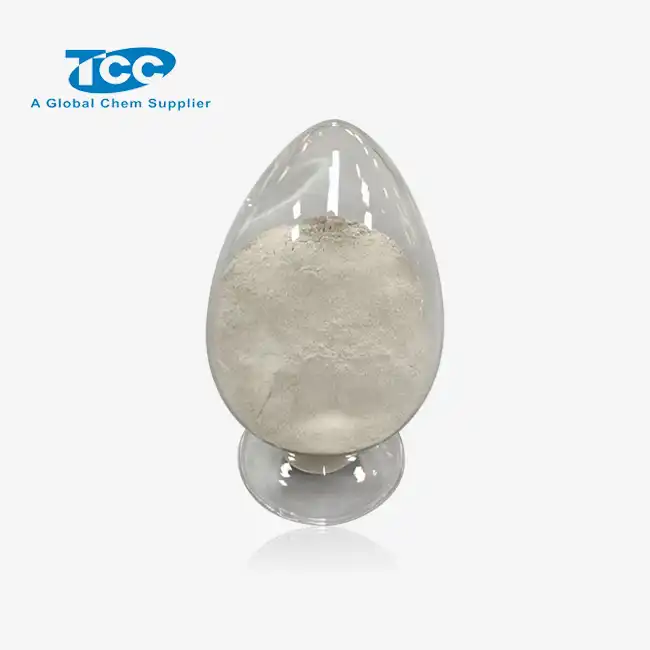
Trimanganese tetraoxide (Mn3O4), also known as Mn3O4 and having the CAS number 1317-35-7, is a mixed-valence manganese oxide chemical that is crucial in current industrial chemistry. This brown powder has both Mn(II) and Mn(III) oxidation states within a solid spinel crystal structure. This gives it special chemical and physical features. Trimanganese tetraoxide is used in many fields, from making improved batteries to making optical glass, because it is a great catalytic agent and doesn't change much at high temperatures. Knowing what makes this compound so valuable helps purchasing managers, engineers, and chemical sellers make smart choices about where to get materials, which has a direct effect on the quality of the products they sell and how efficiently their businesses run.
Key Industrial Applications and Functional Uses
Trimanganese tetraoxide is a crucial component of many high-value industries. The compound's flexibility comes from its ability to take part in oxidation-reduction processes, keep its shape under high temperatures, and behave consistently in electrochemical situations. Knowing about these areas of use helps buyers match the specs of materials with the results they want to achieve in the making process.
Advanced Battery Technologies
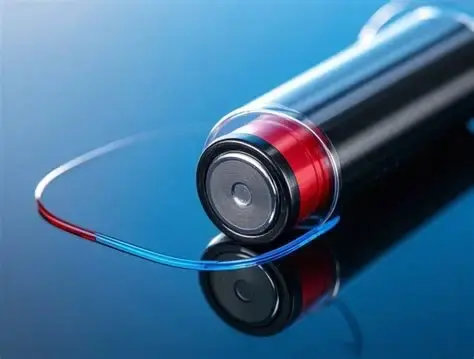
One of the fastest-growing areas where Trimanganese tetraoxide is used is in energy storage. The substance is an important manganese source for lithium manganese oxide (LiMn2O4) cathodes and nickel manganese cobalt (NMC) mixtures used in battery packs for electric cars. Trimanganese tetraoxide allows higher tap densities, which translates to greater volumetric energy capacity, in contrast to electrolytic manganese dioxide, which is suitable for basic batteries. The compound's steady oxidation states keep the crystal structure intact during repeated charge-discharge cycles. This directly solves the problems with long-term battery performance that come with maintaining the battery's capacity. Manufacturers of batteries for electric vehicles need materials with a constant tap density above 2.0 g/cm³. Quality-focused suppliers like Taicheng value this requirement through smart manufacturing partnerships.
Soft Magnetic Ferrites
The main thing that companies that make Mn-Zn ferrites for power circuits need is Trimanganese tetraoxide. High-frequency inductors, anti-interference filters, and switching power supply transformers all need ferrite cores with little hysteresis loss. The purity level of Trimanganese tetraoxide directly affects the initial leakage and core loss traits. These are factors that control how energy efficient server farms, telecom infrastructure, and EV charging stations are. Even very small amounts of iron pollution can act as magnetic domain-fixing sites, making it much harder for things to pass through. Ultra-low impurity grades are what professional buyers ask for to get the electromagnetic performance that next-generation power conversion systems need.
Catalytic and Environmental Applications
When compared to manganese dioxide and other manganese oxides, Trimanganese tetraoxide has better catalytic activity in oxidation processes. The compound is used in chemical processes to speed up reaction rates while keeping energy use low. It is used as a catalyst in oxidative cleaning processes in water treatment plants, where its long life and ability to regenerate itself lower the costs of running the plants. The substance can also be used to make optical glass, where it neutralizes iron flaws and removes color. Manganese oxide catalysts are becoming more popular over heavy metal options when it comes to environmental compliance. This makes Trimanganese tetraoxide a sustainable answer that fits with green chemistry principles.
Because it can be used in so many different ways, Trimanganese tetraoxide is an important thing for companies in the energy, technology, and chemical processing industries to buy. For example, surface area is needed for catalysis, clarity is needed for electronics, and particle size is needed for ceramics. Buyers need to work with providers who understand these complex requirements.
Comparative Analysis: Trimanganese Tetraoxide vs Other Manganese Oxides
Manganese exists in a number of oxidation states, which create a number of oxide types that are widely available. When engineers and purchasing managers look at manganese compounds, they need to know how they work differently so that they can get the best results and value for money. Which of Trimanganese tetraoxide, manganese dioxide (MnO2), and manganese(III) oxide (Mn2O3) to use depends on the needs of the application in terms of how reactive, stable, and electrical the material is.
Chemical Composition Differences
Manganese dioxide only has manganese in the +4 oxidation state. This gives it strong oxidizing qualities that make it perfect for use in main batteries and water treatment. Manganese(III) oxide is a state in between manganese oxide (MnO) and manganese dioxide (MnO2). It has few industrial uses. Trimanganese tetraoxide is the only substance that can mix both +2 and +3 oxidation states in a single spinel structure. This gives it redox flexibility that neither pure oxide can match. This mixed-valence property of Trimanganese tetraoxide lets it take part in complicated electrochemical processes while keeping its structure stable. This is a very useful combination for cathodes in reusable batteries and for catalytic reactions.
Performance Characteristics
Trimanganese tetraoxide is better than manganese dioxide when it comes to using it in batteries. Spinel shape allows lithium ions to be put in and taken out with little lattice pressure, which means longer cycle life. In the production of ferrite, Trimanganese tetraoxide's reaction profile during sintering leads to more uniform microstructures than starting with MnO2, which needs extra steps of reduction. The compound's moderate oxidation potential is useful for catalytic uses because it allows selectivity in processes where MnO2's strong oxidizing nature would be too much. Trimanganese tetraoxide is also more cost-effective than hydrated manganese dioxide when exact stoichiometry is needed because its stable makeup doesn't change as it does with hydrated manganese dioxide forms.
Application-Specific Selection Criteria
Manganese dioxide is often used by primary battery makers because it has a high discharge voltage and a high energy density in cells that can't be recharged. On the other hand, manufacturers of backup batteries choose Trimanganese tetraoxide because it can change its structure during the cycle. Trifluoromanganese tetraoxide is used by ferrite makers who need to keep a close eye on the magnetic qualities of their products to cut down on processing steps and ensure phase purity. Companies that treat water choose which chemicals to use based on how quickly they need to be oxidized and how often they need to be renewed. This application-specific selection process shows how important it is to work with knowledgeable suppliers—technical advice helps buyers match the properties of materials to their business needs, which saves them money by avoiding expensive buying cycles of trial and error.
Procurement Guide for Trimanganese Tetraoxide
Getting Trimanganese tetraoxide right means finding a mix between quality control, supply chain stability, and cutting costs. There are a lot of sellers on the global market, but to get consistent quality, you need to work with makers who follow strict production standards and clear documentation procedures.
Identifying Reliable Suppliers
Quality sellers have several traits that set them apart. ISO9000 certification is a basic guarantee of structured quality management. Industry-specific certifications, such as GMP alignment, show that the product is suitable for use in medicinal and food-grade products. Logistics costs and wait times are affected by where you are located. Suppliers with established distribution networks in your working region make transportation easier. As a trustworthy provider of Trimanganese tetraoxide, Xi'an TaiCheng Chem Co., Ltd. works closely with licensed Chinese makers to offer low prices while keeping a close eye on quality. We have clients in Europe, South America, and Africa, which shows that we are good at foreign chemical shipping and following the rules.
Critical Specifications and Documentation
A purchase order should include a list of important factors. Different uses depend on the purity grade. For example, battery makers usually need 99% or more of the total manganese content, while clay users may be able to handle slightly lower grades. Particle size distribution changes how processing works, so giving D50 and D90 numbers makes sure that the new equipment will work with the old equipment. Surface area needs are very different. For example, high BET values (10–15 m²/g) are needed for catalytic uses, but moderate surface areas (2–5 m²/g) are better for controlling sintering behavior in ferrite making. Shipments must come with a lot of paperwork, like Material Safety Data Sheets (MSDS) that explain how to handle chemicals safely, Certificates of Analysis that prove the chemicals' make-up, and governmental compliance certificates that show the goods meet REACH, OSHA, or region-specific standards.
Ordering Process and Logistics
Requesting samples is the first step in professional procurement because it lets the lab check the quality of the goods before agreeing to bulk sales. Ask for 100–500g samples with full scientific data, and then test them internally to make sure they are compatible. When negotiating the price of Trimanganese tetraoxide, you should think about the amount you want to buy, when you want it delivered, and how you want to pay for it. Buying in bulk usually saves you 15 to 30 percent compared to buying on the spot. Lead times range from two to three weeks for stock items to six to eight weeks for things that are made to order. They depend on the source and the size of the order. Reliable providers keep safety stock and let you track shipments, which keeps production going. At Taicheng, we value clear communication throughout the buying process, from the initial question to the confirmation of delivery. Our technical teams speak multiple languages and understand both chemical specs and logistics needs.
Safety, Handling, and Environmental Responsibility
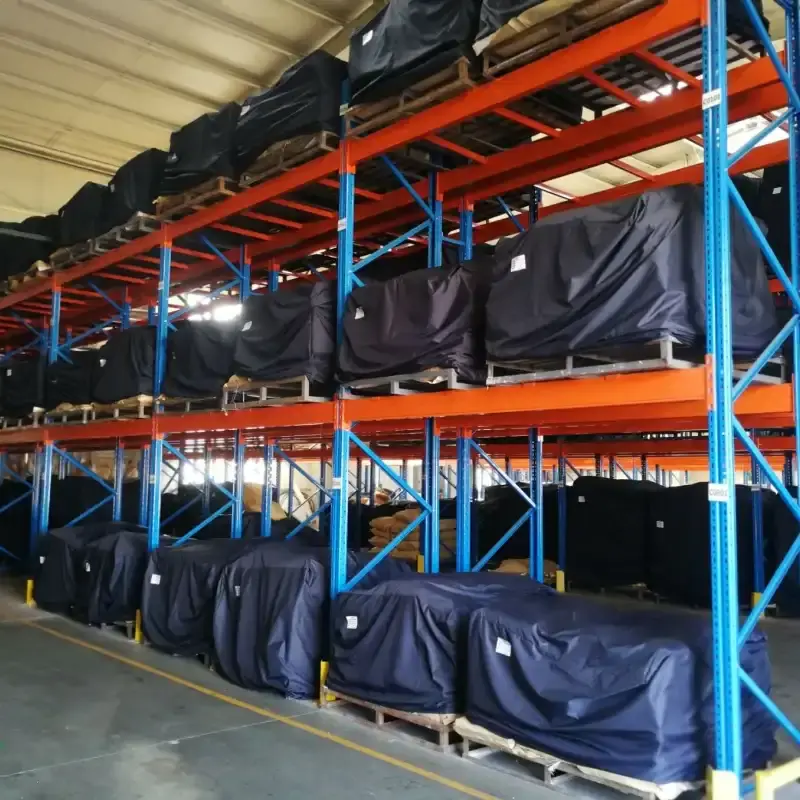
Trimanganese tetraoxide needs to be managed in a way that protects workers, buildings, and the environment while also following the rules. Even though it's not as dangerous as some chemical compounds, following the right steps keeps you safe and the world clean.
Workplace Safety Protocols
Trimanganese tetraoxide dust can be dangerous to breathe, so you should wear the right safety gear. Workers who handle the stuff should put on respirators approved by NIOSH that are rated for particulate matter, safety glasses, gloves that can fight chemicals, and clothes that cover their skin. Storage places need to have enough airflow to keep dust from building up and control humidity to keep hygroscopic agglomeration, which changes the way materials move, to a minimum. As part of the reaction to a spill, water mist should be used to control the dust, and then vacuum equipment with HEPA filtration should be used for careful gathering. As required by OSHA for chemical plants, emergency eyewash stations and safety showers should be within 10 seconds of places where chemicals are handled.
Environmental Management
Sustainable ways of getting rid of trash keep the land and water from getting dirty. Trimanganese tetraoxide that hasn't been used should be recycled by registered chemical waste producers instead of being thrown away with other trash. When the compound is used as a catalyst in water treatment, it can regenerate materials through controlled oxidation processes. This makes the materials last longer and makes less trash. Companies that care about the environment keep track of how efficiently they use materials and look for ways to improve recipes and cut down on consumption. Green chemistry principles say that Trimanganese tetraoxide is better than more dangerous options in many situations. This helps companies reach their sustainability goals while keeping operations running smoothly.
Regulatory Compliance
The trade and use of Trimanganese tetraoxide are controlled by international chemistry rules. In Europe, sellers and importers must provide full safety data and exposure estimates in order to be registered for REACH. Environmental protection rules from the EPA and OSHA must be followed by U.S. businesses. When a company exports to more than one area, it needs suppliers that know how to deal with different legal frameworks and provide the right paperwork. At Xi'an TaiCheng Chem, our team stays up to date on how chemical regulations are changing in the world's biggest markets. We make sure that all of our shipments have the right labels, paperwork, and compliance certificates to make customs clearance and regulatory checks go smoothly.
Conclusion
Trimanganese tetraoxide is an important industrial material whose special mixed-valence structure makes it useful in many areas, such as making specialty glass, improved batteries, and magnetic materials. Because it is stable, reactive, and has electrochemical qualities that can't be replaced, the compound is essential to technologies that make electric vehicles, green energy storage, and efficient power systems possible. To do good procurement, you need to know what the material requirements are, choose approved sources with proven quality systems, and follow the right safety rules. Companies that care about long-term operational excellence work with providers that can provide them with reasonable prices, technical know-how, help with regulatory compliance, and dependable global logistics that can turn chemical specs into successful manufacturing.
FAQ
What distinguishes trimanganese tetraoxide from manganese dioxide in battery applications?
In battery uses, what makes Trimanganese tetraoxide different from manganese dioxide? Trimanganese tetraoxide is specifically designed for secondary rechargeable systems, whereas manganese dioxide is suitable for main non-rechargeable batteries due to its strong oxidizing qualities and high discharge voltage. The spinel crystal structure of Mn3O4 allows lithium ions to be inserted and extracted with minimal lattice strain.
Why does specific surface area matter when procuring trimanganese tetraoxide?
When getting Trimanganese tetraoxide, why does the exact surface area matter? The BET surface area number tells us what the material will do when it is heated up and chemical processes happen. Too many surface areas (above 15 m²/g) can lead to uncontrollable shrinkage and deformation of ceramic products, while too few surface areas stop solid-state processes from happening completely during ferrite production. In order to get the most active sites, catalysts usually need larger surface areas.
How should companies store trimanganese tetraoxide to maintain quality?
How should businesses keep Trimanganese tetraoxide in order to keep its quality? Fine-powder Trimanganese tetraoxide is chemically stable, but it has hygroscopic properties, which means it can take in water from the air. For proper storage, items need to be kept in climate-controlled spaces with temperatures between 15°C and 25°C and relative humidity below 60%. Particles stick together when they are exposed to moisture, which makes them harder to spread out during later steps of the process, like ball grinding or slurry preparation.
Partner with Taicheng for Premium Trimanganese Tetraoxide Supply
Industrial-grade trimanganese tetraoxide (CAS 1317-35-7) is sold by Xi'an TaiCheng Chem Co., Ltd., which also offers full quality assurance and expert support. Our operations are ISO9000-certified, and we make sure that every package meets strict purity standards of more than 99%. All of our analysis paperwork, such as COAs and MSDSs, is also included. We work with GMP-certified manufacturing partners to make formulas that can be changed to fit the needs of battery production, ferrite making, catalytic applications, and specialty ceramics. Global transportation skills ensure reliable delivery to clients in North America, Europe, and beyond. Technical teams that speak more than one language are also available to help with choosing specifications and following regulations. You can email our sourcing experts at sales@tcc-ofc.com to ask for examples, get cheap quotes, or talk about your specific material needs with Trimanganese tetraoxide sources who are dedicated to your business's success.
References
1. Chen, W., & Liu, Y. (2021). Advanced Manganese Oxides in Energy Storage Systems: Synthesis, Characterization and Electrochemical Performance. Journal of Materials Chemistry A, 9(15), 9458-9489.
2. Harrison, P. G., & Guest, A. (2019). Spinel Structure Manganese Oxides: Applications in Catalysis and Environmental Chemistry. Chemical Reviews, 119(11), 6568-6625.
3. Industrial Minerals Association. (2022). Manganese Compounds: Production, Specifications and Industrial Applications. Technical Report Series, Volume 34.
4. Nakamura, T., & Tsuchiya, H. (2020). Soft Magnetic Ferrites for Power Electronics: Raw Material Selection and Electromagnetic Properties. IEEE Transactions on Magnetics, 56(2), 1-18.
5. Reddy, M. V., Subba Rao, G. V., & Chowdari, B. V. R. (2018). Metal Oxides and Oxysalts as Anode Materials for Li-Ion Batteries. Chemical Reviews, 113(7), 5364-5457.
6. World Health Organization. (2020). Manganese and Its Compounds: Environmental Health Criteria. International Programme on Chemical Safety, Monograph 251.
Learn about our latest products and discounts through SMS or email