- English
- French
- German
- Portuguese
- Spanish
- Russian
- Japanese
- Korean
- Arabic
- Greek
- German
- Turkish
- Italian
- Danish
- Romanian
- Indonesian
- Czech
- Afrikaans
- Swedish
- Polish
- Basque
- Catalan
- Esperanto
- Hindi
- Lao
- Albanian
- Amharic
- Armenian
- Azerbaijani
- Belarusian
- Bengali
- Bosnian
- Bulgarian
- Cebuano
- Chichewa
- Corsican
- Croatian
- Dutch
- Estonian
- Filipino
- Finnish
- Frisian
- Galician
- Georgian
- Gujarati
- Haitian
- Hausa
- Hawaiian
- Hebrew
- Hmong
- Hungarian
- Icelandic
- Igbo
- Javanese
- Kannada
- Kazakh
- Khmer
- Kurdish
- Kyrgyz
- Latin
- Latvian
- Lithuanian
- Luxembou..
- Macedonian
- Malagasy
- Malay
- Malayalam
- Maltese
- Maori
- Marathi
- Mongolian
- Burmese
- Nepali
- Norwegian
- Pashto
- Persian
- Punjabi
- Serbian
- Sesotho
- Sinhala
- Slovak
- Slovenian
- Somali
- Samoan
- Scots Gaelic
- Shona
- Sindhi
- Sundanese
- Swahili
- Tajik
- Tamil
- Telugu
- Thai
- Ukrainian
- Urdu
- Uzbek
- Vietnamese
- Welsh
- Xhosa
- Yiddish
- Yoruba
- Zulu
Why Choose Anti-gas Channeling AG110S for High-Pressure Wells?
When choosing the right grouting material for high-pressure wells, you need to think carefully about how well it works, how safe it is, and how much it costs. Anti-gas channeling AG110S is the best choice for oil and gas companies that have to deal with the tricky problem of gas moving during the setting of cement. This gray-white powder makes the cement very strong by making it much more packed and tough while also making it less porous, which are both very important when the pressure inside the wellbore goes above normal limits. Our Anti-gas channeling AG110S approach solves the biggest problem in the industry: it stops formation gas from getting into cement sheaths during the weak transition phase. This stops annular pressure buildup and makes sure that the well has solid zonal isolation for its entire operating life.
Understanding Anti-gas Channeling AG110S and Its Role in High-Pressure Wells
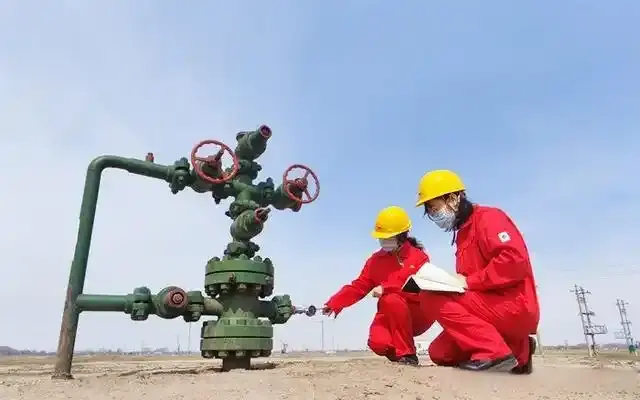
High-pressure wells have special problems that need special chemistry answers. The Anti-gas channeling AG110S is an improved cementing additive that stops gas movement routes that weaken the stability of wells. During the critical setting stage, standard cement formulas often fail to make good seals when formation pressure is very high. This weakness is fixed by this specialized additive's special mix of ingredients and way it works.
Composition and Functional Mechanism
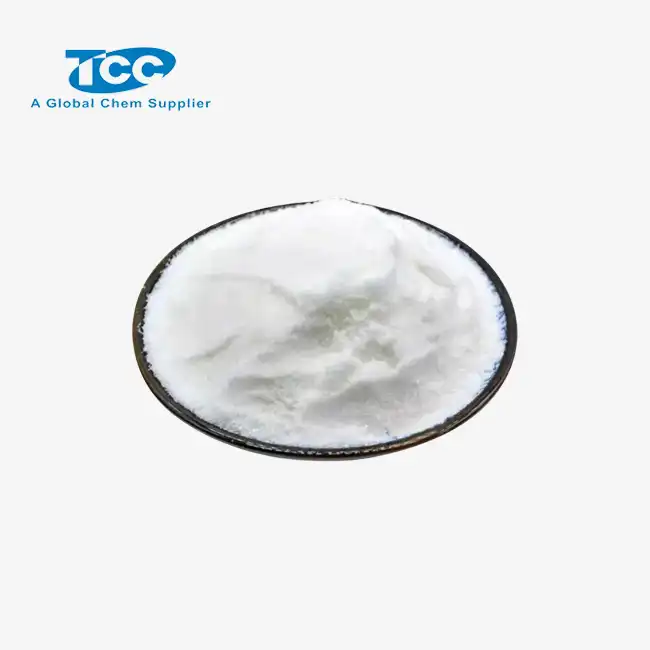
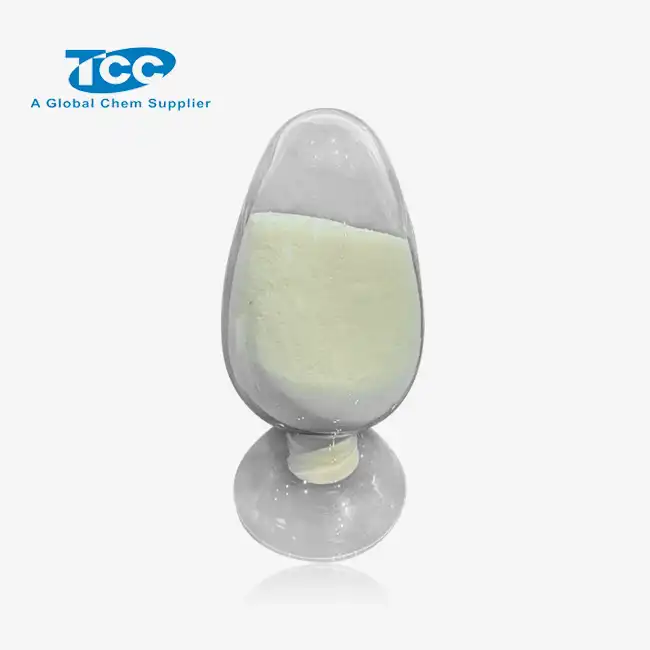
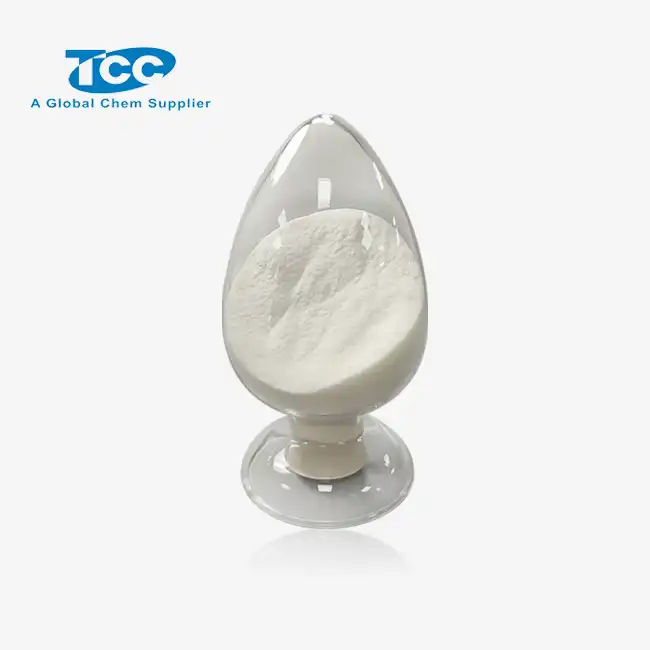
This cementing ingredient comes in the form of a gray-white powder that is carefully balanced with parts that work with cement liquid at the molecular level. It changes the physical qualities of the cement material when mixed at levels between 1.0% and 6.0% by weight of cement. The density range of 0.60±0.20 g/cm³ makes the slurry easy to handle and evenly spread out in the system. In contrast to other additions, this one makes the microstructure of the cement stone denser, which stops possible gas pathways from forming.
During the cementing process, the addition makes the slurry more stable and thick, which keeps the hydraulic pressure against the formation gas. As the cement turns from liquid to solid, the product makes sure that the cement structure gets strong enough to stop gas from getting in. When the amount of gas to oil in a tank is high, this process works especially well where regular cementing doesn't work as well.
Operational Benefits in Extreme Conditions
To work in high-pressure settings, you need things that keep working well when they're under stress. This bonding solution works well in a wide range of situations, from freshwater to saltwater systems that are fully loaded. Because it is so flexible, it can be used for activities at sea, deep wells on land, and difficult geological formations where salt changes a lot. Engineers like that the addition works well with salt-resistant fluid loss agents when making slurry for these kinds of uses. This protects against a lot of different ways that things could go wrong at once.
Field uses show gains in well integrity that can be measured. The improved compactness and hardness of treated cement stone directly lead to less upkeep needs and a longer well life. Operators of ultra-deep wells say that prolonged casing pressure happens less often, which is a direct sign of good gas movement control. Because of these practical benefits, the addition is an investment rather than an expense because it cuts down on wasted time and the costs that come with it.
Comparing Anti-gas Channeling AG110S to Other Solutions
When purchasing managers look at bonding additives, they need to be able to compare them clearly so they can make smart choices. There are many gas migration control goods on the market, but when you look at both the technical specs and the real-world results, you can see that they work differently. Knowing these differences helps you make the best buying choices for the long-term success of your project.
Performance Metrics and Durability
Most of the time, traditional gas flow control agents only work by speeding up the time it takes for cement to set or making the mix denser. These methods have some problems. For example, faster setting can make it harder to pump, and higher density can make operations more expensive and go over the fracture slopes in the formation. The Anti-gas channeling AG110S formulation is different because it changes the qualities of cement stone in a basic way without these bad effects. The product successfully lowers permeability compared to regular additives, building a physical wall against gas movement instead of just running against time.
When comparing durability, new formulas have big benefits over older ones. Products from earlier generations, like AG110, could control gases in basic ways, but they didn't have the improved toughness of the current answer. Because the cement stone is now tougher, the seal stays intact even when it goes through changes in temperature, pressure, and mechanical forces from the finishing work. Because it is more durable, it can go longer without needing to be fixed with cement, which lowers the total cost of ownership.
Cost-Benefit Analysis for Procurement
To figure out the total term value, you have to look at more than just the buying price. Even though superior cementing chemicals cost more per unit, the return on investment is clear when you figure out how many failures were avoided and how long the well worked. A single gas migration event can cost hundreds of thousands of dollars in repairs, output delays, and possible safety reactions. If you buy additives that have been shown to work, these risks go away.
The suggested quantity range of 1.0 to 6.0% BWOC gives you options for cutting costs. According to the conditions of the well, engineers can change the concentrations by using lower percentages in mild conditions and higher concentrations in harsh conditions where gas pressure is a problem. This ability to customize makes sure that budgets for buying go further while still meeting performance standards. When managers are in charge of many wells or big projects, they can save even more money by buying in bulk from well-known sources like Taicheng.
Installation and Maintenance: Ensuring Optimal Performance
Whether binding chemicals work at their full potential depends on how they are handled and used. When mixed wrong or used outside of the recommended limits, even the best goods don't work as well as they should. By sticking to tried-and-true best practices, all well sealing activities will get the same results.
Step-by-Step Installation Guide
The mixing stage is where the process of successfully adding this Anti-gas channeling AG110S starts. It's easier to work in the field because the powder can be mixed directly with cement systems without needing to be treated or prepared in any special way first. This ease of use cuts down on the time needed to get ready and the chances of making mistakes. To make sure the addition is evenly spread throughout the batch, mix it well with dry cement before adding water.
Monitoring the quality of the slurry is still easy because the addition doesn't change the way the mixing water or cement base works. Standard field testing tools measure the qualities of the slurry correctly when the addition is present. Before pumping, engineers should regularly check the slurry's density, viscosity, and fluid loss to make sure it meets the design requirements. If you're working in saltwater, don't forget to add salt-resistant fluid loss agents that are compatible with the addition. These goods work better together.
How to mix things is affected by temperature. The powder stores well in normal conditions, but it needs to be kept away from moisture to keep it from getting contaminated. Each 20 kg bag should stay closed until it's needed, and as soon as it's opened, the contents should be used right away to keep them from absorbing moisture that could affect performance. Keeping products in the right way during storage keeps them working well throughout their shelf life.
Maintenance Best Practices and Troubleshooting
Evaluation after sealing helps make sure that gas movement control worked well. Temperature studies and cement bond logs give accurate information about how the cement is placed and how strong it is. When this addition is added to wells, they usually bond very well across the whole cemented gap and there are no signs of gas channels. When results don't live up to standards, the main reason is usually found by looking at mixing records and placement methods.
Some common problems that need to be fixed include additives that don't have the right percentage for the pressure environment, fluid loss additives that don't work well with each other in the system, or not enough slurry to fill the annular space fully. To fix these problems, you need to talk to a technical expert about how to change the binding design correctly. Field support from experienced suppliers helps engineers find the best recipes for each well's conditions. By fixing problems in a planned way, these suppliers turn troublesome wells into success stories.
Procurement and Supplier Insights for Global B2B Clients
There's more to finding reliable cementing agents than just looking at standard sheets. Supply chain security, expert help skills, and supplier credentials have a big effect on how well a project turns out. If you know how to analyze possible suppliers, you can keep your business from having problems with quality and delivery.
Trusted Sourcing Channels
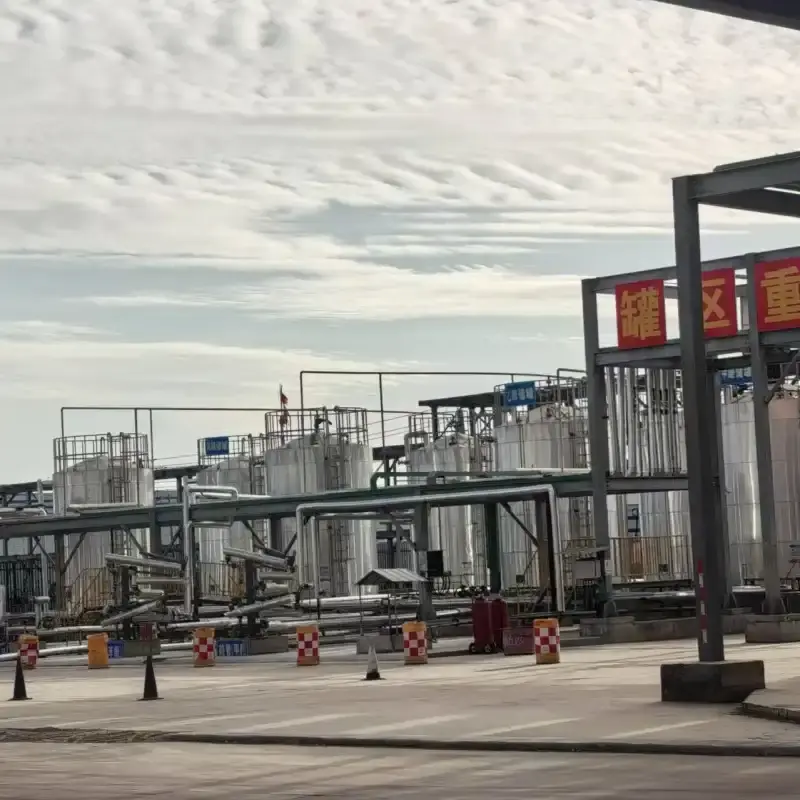
Xi'an Taicheng Chemical has become a reliable maker by consistently delivering high-quality goods and getting all the necessary industry approvals. Our ISO 9000 certification shows that we are dedicated to quality control methods that make sure every batch meets the requirements. The A-level government approval shows that the business is honest and stable financially, which are important things to think about when making long-term supply agreements. Procurement managers look for providers with a history of reliability. The fact that we have clients in Europe, South America, and Africa shows that we are that reliable.
Our cementing chemicals can be bought in some areas through authorized dealers, but it's better to work directly with the makers. Working directly with production sources, like our factory in China, cuts out markups for middlemen and gives you access to technical knowledge. Our six separate teams work together to quickly handle questions about purchasing, technical issues, the need for quality paperwork, and logistics planning. With this organizational structure, your questions get to the right experts quickly, without the gaps in contact that come with multi-tier distribution networks.
Pricing Strategies and International Shipping
Strategies for buying in bulk have a big effect on the economics of a project. Large operators who cement a lot of wells get bulk savings that make the cost per unit much lower. Our pricing system rewards loyalty with low prices that get better as the number of orders you place goes up. By talking to our sales team about your yearly needs, we can make pricing plans that work with your budget cycles and working routines.
To keep projects on schedule, international shipping operations need to be carefully planned. Our established export processes make sure that the right paperwork, packaging, and choice of carrier are used for all destinations around the world. The normal 20kg bag packaging strikes a good mix between ease of handling and shipping efficiency, as it fits standard pallet layouts for transporting containers. Lead times depend on where the order is going and how many are being sent, but procurement managers are always kept up to date on the state of shipments thanks to clear communication throughout the delivery process. We keep strategic amounts of inventory on hand to meet the needs of time-sensitive projects, since we know that drilling plans often make buying windows shorter.
Benefits of Using Anti-gas Channeling AG110S in High-Pressure Wells
When you use modern cementing additives, you get measured benefits that make the investment worth it. These goods not only stop gas movement problems right away, but they also improve well performance and safety throughout the production lifecycle.
Enhanced Well Integrity and Safety
Better gas control makes the wellbore more stable by getting rid of the main reason why cement sheaths fail in high-pressure situations. When formation gas can't get through the cement structure, the boundary between geological zones stays in place forever. This zonal separation keeps groundwater resources safe, stops contamination between productive formations, and keeps the pressure stability needed for good reservoir management. It is easier to follow the rules when the building of a well meets or goes beyond the environmental standards set by the business.
Improvements to operational safety go beyond the wellbore itself. Surface casing vent flow is not a risk if gas movement is stopped. This is when gas moves up outside the output casing to the surface. This is happening, and it's causing blast risks and environmental problems that need to be fixed right away. When wells are properly sealed with effective anti-gas channeling agents, these risky situations don't happen at all. This protects the safety of workers and the community as a whole while lowering liability exposure.
The extra hardness of cement that has been treated with this additive adds to the safety of well finishing and repair operations. Cement sheaths are put through a lot of mechanical stress during perforation operations, hydraulic fracturing treatments, and production-induced stress cycles. This kind of increased toughness cement stone doesn't crack or break down under these conditions, so it keeps protecting the well for as long as it works.
Cost Savings and Operational Efficiency
Durability directly leads to lower costs through longer periods between upkeep and less work needed to fix problems. Wells that keep the purity of their cement need fewer repairs, which means that their running costs will be much lower over their useful life. The money saved by not having to do even one repair cement job is often more than the total cost of adding cement to multiple wells, showing a clear return on investment.
Less upkeep is needed, which increases working efficiency by keeping production running as long as possible. The time that you can't use for cement fixes takes away from your assets' ability to make you money. Wells can go straight to production when the cementing at the original completion is reliable. This speeds up cash flow and improves the project's costs. This productivity benefit is especially important in high-value reservoirs, where every day of delayed output means a lot of money wasted.
Real-World Application Success
Operators in major generating areas have reported good results when they use our cementing ingredient. A midstream operator that was cementing wells in a high-pressure gas area said that they no longer had cases of extended casing pressure after moving to this product. In the past, about 15% of wells in that field needed repair sealing within the first year of being used. During the same review time after using the better additive, no wells showed signs of gas migration. This was a huge improvement that proved the product change was real.
In a different case, an engineering worker had to work in a tough ocean setting with high formation pressure and temperatures. Standard sealing systems never managed to control gases well enough, even after many tries to make them work. When this Anti-gas channeling AG110S was added at 4.5% BWOC, the problem went away totally. The cement bond logs showed great coverage with no signs of channeling. After seeing how well it works in other wells, the builder now uses this additive as normal practice for similar wells.
Conclusion
In high-pressure well settings, you need cementing systems that consistently stop gas migration and provide long-term stability. Anti-gas channeling AG110S meets this important need with tried-and-true formulation chemistry that makes cement stone more compact, tough, and impermeable. The product works well in a variety of water systems, is easy to mix, and comes in a range of dosages that make it useful for field work while improving performance in a way that can be measured. Full supplier support from companies like Taicheng makes sure that buying managers can get not only good products but also professional help, low prices, and reliable shipping. By spending money on modern cementing additives, operators can protect the purity of the well, make it safer, and lower the total cost of ownership over the span of the production. If you base your buying decisions on technical merit and the ability of the provider, your operations will be set up for long-term success in tough, high-pressure settings.
FAQ
Answering common questions helps sourcing specialists and engineers figure out how this cementing additive fits into their individual work needs. These answers come from a lot of testing and knowledge in the field.
What makes this addition effective in saltwater cementing systems?
The recipe stays stable and works well in a wide range of salinities, from freshwater to filled brine. This flexibility comes from carefully choosing parts that don't clump together and keep spreading even in places with a lot of ions. Using suitable salt-resistant fluid loss agents when making slurry for use in saltwater improves the general performance of the system. This mixture protects against both gas movement and too much fluid loss to permeable rocks, solving several problems at the same time in high-salinity coastal and offshore settings.
How does the recommended dosage range affect performance?
The quantity range of 1.0 to 6.0% BWOC gives you the freedom to change how well it works to fit your needs. Lower amounts, around 1% to 2%, are enough for moderately pressurized areas where the risk of gas movement is still manageable. Wells with a lot of pressure and active formation gas need amounts near the top of the range, usually between 4 and 6 percent, to be safe. To find the best dose for each application, engineers should try the material in the lab using real rock samples and conditions that are likely to exist downhole. This way of customizing strikes a good mix between performance needs and cost concerns.
Can this product replace other fluid loss additives?
In spite of the fact that this binding ingredient naturally stops fluid loss, it works best when combined with salt-resistant fluid loss agents, especially in tough situations. Combining specialized additives has a combined effect that makes it better at fixing multiple failure mechanisms than using just one product. This multi-component method is the best way to do high-stakes cementing jobs where failure would have serious effects that call for complete chemical solutions. Technical advice from suppliers with a lot of knowledge helps build these systems so that they work best in certain well circumstances.
Partner with Taicheng for Reliable Anti-gas Channeling AG110S Supply
Xi'an Taicheng Chemical does more than just sell goods; we also help you with all of your bonding needs. As a reliable provider of Anti-gas channeling AG110S, we uphold strict quality standards that are backed by ISO 9000 certification and smart production partnerships. Our expert team provides tailored formulation advice, dosage suggestions, and help in the field to make sure that your products work best in your unique situations. Our solutions are affordable for big projects because they come in bulk, and we have reliable international services that make sure they get to your global operations on time. You can talk to our knowledgeable sales team at sales@tcc-ofc.com about your needs, get detailed technical specs, or get price quotes for your future cementing projects.
References
1. Nelson, E.B., & Guillot, D. (2006). Well Cementing (2nd ed.). Schlumberger Educational Services.
2. American Petroleum Institute. (2013). API Specification 10A: Specification for Cements and Materials for Well Cementing (24th ed.). API Publishing Services.
3. Benge, G. (2009). Cement Evaluation—A Risky Business. SPE Drilling & Completion, 24(2), 248-263.
4. Bosma, M., Ravi, K., van Driel, W., & Schreppers, G.J. (1999). Design Approach to Sealant Selection for the Life of the Well. SPE Annual Technical Conference and Exhibition, Paper SPE-56536-MS.
5. Parcevaux, P., & Sault, P. (1984). Cement Shrinkage and Elasticity: A New Approach for a Good Zonal Isolation. SPE Annual Technical Conference and Exhibition, Paper SPE-13176-MS.
6. Reddy, B.R., Xu, Y., Ravi, K., Gray, D., & Pattillo, P.D. (2009). Cement Shrinkage Measurement in Oilwell Cementing—A Comparative Study of Laboratory Methods and Procedures. SPE Drilling & Completion, 24(1), 104-114.
_1741769350436.webp)
Learn about our latest products and discounts through SMS or email