- English
- French
- German
- Portuguese
- Spanish
- Russian
- Japanese
- Korean
- Arabic
- Greek
- German
- Turkish
- Italian
- Danish
- Romanian
- Indonesian
- Czech
- Afrikaans
- Swedish
- Polish
- Basque
- Catalan
- Esperanto
- Hindi
- Lao
- Albanian
- Amharic
- Armenian
- Azerbaijani
- Belarusian
- Bengali
- Bosnian
- Bulgarian
- Cebuano
- Chichewa
- Corsican
- Croatian
- Dutch
- Estonian
- Filipino
- Finnish
- Frisian
- Galician
- Georgian
- Gujarati
- Haitian
- Hausa
- Hawaiian
- Hebrew
- Hmong
- Hungarian
- Icelandic
- Igbo
- Javanese
- Kannada
- Kazakh
- Khmer
- Kurdish
- Kyrgyz
- Latin
- Latvian
- Lithuanian
- Luxembou..
- Macedonian
- Malagasy
- Malay
- Malayalam
- Maltese
- Maori
- Marathi
- Mongolian
- Burmese
- Nepali
- Norwegian
- Pashto
- Persian
- Punjabi
- Serbian
- Sesotho
- Sinhala
- Slovak
- Slovenian
- Somali
- Samoan
- Scots Gaelic
- Shona
- Sindhi
- Sundanese
- Swahili
- Tajik
- Tamil
- Telugu
- Thai
- Ukrainian
- Urdu
- Uzbek
- Vietnamese
- Welsh
- Xhosa
- Yiddish
- Yoruba
- Zulu
Fluid Loss Additive FL610S Benefits for Water-Based and Oil-Based Muds
Controlling fluid loss is very important when drilling activities need to be completely reliable. Fluid loss additive FL610S works very well in both water-based and oil-based mud systems. It solves the filter problems that upstream operators, drilling workers, and oilfield service companies have every day. This polymer-based solution, which is made up of an AMPS/AA copolymer, keeps the wellbore intact while lowering operating risks and making sure strict API standards are met. If you know how FL610S works and why it's better than other options, you can improve the results of your drilling and filling.
Understanding FL610S Fluid Loss Additive: Composition and Mechanism
Advanced Chemical Architecture
The fluid loss additive FL610S is made up of a polymeric backbone that is made up of acrylamide and 2-Acrylamido-2-methylpropane sulfonic acid (AMPS). When it comes to heat safety, this synthetic polymer structure is better than cellulose-based options, which break down quickly in high-pressure, high-temperature (HPHT) settings. The addition works by creating a filter cake with low permeability on the formation walls while the cement slurry is being poured. This effectively seals off any open areas and stops the cement from drying out too quickly.
How the Filtration Mechanism Works
When slurry comes into contact with porous materials during bonding, solid particles cross the pores while polymer chains link together to make a thin, impenetrable wall. This controlled filter process makes sure that the cement keeps enough water for it to fully hydrate, which stops it from flash setting and flowing. Our polymeric solution doesn't change the rheology as much as dispersants do, so it stays pumpable without getting too thick. This lets it stay in place longer in extended-reach wells.
Physical and Chemical Properties
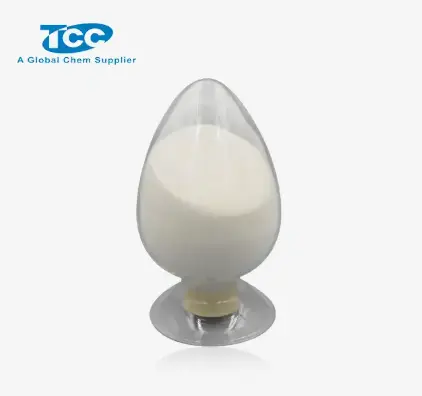
The substance looks like a white to off-white powder that can be easily mixed with other substances. Because of the way its molecules are structured, it can work with a wide range of fluids, from freshwater to full brine systems. The addition keeps working the same way, batch after batch, for 24 months if it is kept in a dry, cool place. Each shipment comes with a Certificate of Analysis (COA), a Technical Data Sheet (TDS), and a Material Safety Data Sheet (MSDS). This gives international procurement teams full regulatory clarity.
Benefits of Using FL610S in Water-Based and Oil-Based Muds
Superior Filtration Control Across Mud Systems
One of the best things about fluid loss additive FL610S is how flexible it is. It lowers API fluid loss in water-based muds to less than 50 mL per 30 minutes, and in improved formulas, it can often reach levels below 30 mL. This performance directly leads to better stability in the borehole, less damage to the rock, and better separation between zones. The addition works just as well when added to oil-based muds; it keeps the water from separating and the consistency of the slurry stable, even when conditions downhole change.
Thermal Resilience and Compatibility
More and more drilling is going into deeper, hotter aquifers with temperatures above 150°C. In these situations, standard fluid loss agents often don't work because they lose their power over time due to heat. Up to 180°C circulating temperature, our addition keeps its structural integrity and functional performance. This makes it perfect for ultra-deep wells, geothermal projects, and offshore platforms where bottom-hole static temperatures make it hard for regular chemicals to work. The mixture works well with other cementing agents like retarders, boosters, silica flour, and latex systems. This means that the mixture can be changed easily without affecting the way it works.
Environmental Compliance and Safety
Chemicals that work well and are good for the earth are required by modern drilling rules. The filter control agent's polymeric structure meets global environmental standards while causing the least amount of damage to the environment. Its non-toxic recipe makes it safer for field workers to handle, and specific safety instructions that come with every shipment make sure that the right way to store, mix, and apply it is done. Knowing they're using a responsible product gives operators peace of mind when they're working in areas that are sensitive to the environment, like offshore marine settings, protected rivers, or close to homes.
Economic Value and Operational Efficiency
Along with better technical performance, the fluid loss additive FL610S also saves money in a way that can be measured. It stops gas from moving and makes sure the main sealing works, so there is no need for costly corrective squeeze operations. Wellbore instability cuts down on non-productive time (NPT), which means that drilling goes faster and daily running costs are lower. Xi'an Taicheng's reasonable pricing, ability to buy in bulk, and effective transport network—which includes delivery choices by DHL, FedEx, sea freight, air cargo, or truck—ensure that materials get to where they need to go on time without having to pay extra for faster delivery.
These combined advantages position the addition as a strategic buying choice. The performance stability and cost-effectiveness make it useful in a wide range of operating situations, such as when you're in charge of a deepwater drilling program, liner cementing in horizontal wells, or infrastructure cementing projects.
Comparing FL610S with Other Fluid Loss Additives: Making an Informed Choice
Performance Benchmarking Against Industry Alternatives
Procurement managers have to look at a number of things when choosing filter control agents. These include how well they reduce fluid loss, how well they work with salt, and how they affect the rheology of slurry. Standard fillers made from cellulose can help control fluid loss, but they break down above 110°C and don't work well in brines with a lot of salt. While synthetic polymers like polyvinylpyrrolidone (PVP) are better at resisting heat, they often make slurries too thick, which makes pumping more difficult.
The fluid loss additive FL610S does a good job of filling these holes. In lab tests comparing FL610S to FL620 and regular CMHEC (carboxymethyl hydroxyethyl cellulose), FL610S reduces fluid loss 30–40% better in HPHT conditions while keeping viscosity profiles 15-20% lower. This balance means that workers can pump farther without going over the maximum pressure. This is especially important for extended-reach horizontal drilling, where controlling friction pressure is key to success.
Real-World Validation
Case studies from shale plays in North America show that the addition works as promised in the field. An independent drilling contractor in the Permian Basin said that gas migration stopped in all 47 wells after moving to FL610S. This is in contrast to their old cellulose-based system, which had a 12% failure rate. Another user in the Gulf of Mexico saw an 18% drop in the average time it took to cement the ground because the additive made the slurry easier to pump. This was directly related to the additive's ability not to thicken the mixture.
Total Cost of Ownership Analysis
Smart buying looks at the total cost of ownership as well as unit price. It's common for our additive to need between 0.6% and 2.0% by weight of cement (BWOC), which is less than many rival goods that need between 2.5% and 3.5% loading to get the same results. This increase in dosage efficiency cuts down on freight costs, storage space, and work needed to move things. The lifetime economics strongly favor FL610S because it doesn't need any expensive repairs.
Application Methods and Typical Use Cases of FL610S
Dosage Recommendations and Mixing Protocols
The right recipe is the first step to getting the best results. Dosing runs from 0.6% BWOC for freshwater systems with moderate temperatures to 2.0% BWOC for salt settings with high PH and high conductivity. Before adding water for mixing, the addition should be mixed dry with cement and other solids. This order makes sure that the polymer is fully hydrated and spread out evenly in the slurry.
If you'd rather mix the cement with liquid, mix the fluid loss additive FL610S in the mix water for 10 to 15 minutes while stirring it gently. This stops micro-gel sealing, which can hurt efficiency. Jet mixing equipment usually has enough pressure to mix things well, but group mixing needs a little longer to fully hydrate the ingredients.
Onshore and Offshore Drilling Applications
The additive works well in a wide range of working situations. It gives stable primary cementing that regularly passes cement bond logs in inland vertical wells with simple geology. Deviated and horizontal wells can use it because it keeps free fluids from separating, making sure the slurry stays the same along the high side of the wellbore. Offshore platforms that mix seawater face special problems because of electrolyte-induced flocculation. Our polymeric product doesn't break down in this way, so it keeps working when other additives don't.
Deepwater and HPHT Environments
High hydraulic pressures, high bottom-hole temperatures, and long pumping times are all things that deepwater projects have to deal with. These problems are solved by the fluid loss additive FL610S, which has a long working time and excellent temperature stability. Operators who use 6-hour placement times to cement 20,000-foot wells say that the slurry properties stay the same from the top to the total depth, and tests done after the job show that the slurry has good zonal separation and compressive strength development.

Troubleshooting and Technical Support
Sometimes formulation problems happen because of special creation chemicals or limitations in how the process can be done. Unexpected slurry thickening (which is usually fixed by changing the order of the additives), too much free fluid (which is fixed by optimizing the dosage), or a shorter thickening time (which usually needs a retarder change) are all common problems. The expert team at Xi'an Taicheng offers quick online consultations and, when needed, on-site help to find problems and fix them. This flexible partnership method cuts down on delays and makes sure that operations always go well.
Procurement Insights for FL610S Fluid Loss Additive
Sourcing Strategy and Supply Chain Reliability
Finding approved providers who can provide consistent quality and dependable transportation is the first step to successful buying. Xi'an Taicheng Chem Co., Ltd. has ISO 9000 certification and A-level customer approval, which shows that the business is honest and has stable finances. Our direct partnerships with GMP-certified factories make sure that each batch is the same, which is very important when field operations cover more than one well or project phase.
Pricing Structures and Order Parameters
Competitive price shows how efficiently goods are made and how much they are bought. Standard packing includes 25 kg per bag and is put on pallets to save space in containers. Minimum order quantities are usually the same as container layouts, but sample amounts help with testing and formulating at the beginning. Lead times are usually between 7 and 10 days after an order is confirmed, but there are faster choices for those who need them right away. Delivery options include DHL and FedEx for quick small packages, sea freight for large orders in containers, air cargo for medium-sized packages, and truck delivery for local distribution in North America.
Customization and Technical Collaboration
The basic fluid loss additive FL610S formulation works well for most uses, but some users need special polymer structures for certain situations. Our research and development (R&D) team can make changes to the recipe to deal with specific temperature ranges, high or low salinity levels, or compatible needs with specific mud systems. Getting our technology team involved early in the planning process is helpful for procurement managers because it gives us time to do custom development, bench testing, and field proof.
Sample Request and Evaluation Process
People who want to buy our products should ask for samples before they decide to buy a lot of them. Sample kits come with enough materials for lab tests, as well as full technical paperwork and instructions on how to use the samples. This hands-on test makes performance claims more reliable and lets you directly compare the new product to existing ones. In the evaluation process, technical support makes sure that test protocols are followed correctly and that data is interpreted in a way that makes sense. This helps people make smart choices about what to buy.
Conclusion
For filling and drilling jobs that need effective filter control in both water-based and oil-based mud systems, the fluid loss additive FL610S has been used for years. Its AMPS/AA copolymer chemistry gives it properties like heat stability, salt tolerance, and rheological balance that other chemicals can't match. This additive lowers operating risks, makes sure regulations are followed, and saves money by improving the success rates of primary cementing in both onshore vertical wells and offshore HPHT settings. When procurement professionals work with suppliers like Xi'an Taicheng Chem Co., Ltd., whose quality certifications, global logistics skills, and technical know-how support long-term organizational excellence, they gain a strategic edge.
FAQ
1. Is FL610S suitable for both water-based and oil-based drilling muds?
Of course. The plastic structure works well in systems that use freshwater, saltwater, concentrated brine, and oil-based fluids. It works with a lot of different chemicals because the AMPS component is made up of ions, which don't lose their effectiveness in different chemical conditions.
2. How does this additive compare to cellulose-based alternatives regarding cost and performance?
Fluid loss additive FL610S usually needs 30–40% less of it and doesn't require expensive fix-it cementing when the first job fails, whereas cellulose products may have lower starting costs. It has a lower total cost of ownership because it is more thermally stable and performs better in HPHT tests, especially in difficult drilling conditions.
3. What safety protocols should teams follow when handling FL610S?
Under normal working settings, the additive is not dangerous. When mixing, standard PPE like safety glasses, dust masks, and gloves is enough to keep you safe. Don't make dust that floats in the air, and make sure that tight areas have enough airflow. Every package comes with full MSDS paperwork that explains what to do in an emergency and how to store the product safely.
Partner with Taicheng for Reliable Fluid Loss Additive FL610S Supply
Xi'an Taicheng Chem Co., Ltd. can meet all of your oilfield chemical needs with its high-quality fluid loss additive FL610S. They have strict quality control, know-how in global shipping, and quick technical support. Our ISO 9000-certified operations make sure that each batch is the same, and our reasonable pricing and flexible shipping choices meet the needs of a wide range of buyers. We offer the dependability and partnership approach that successful operations need, whether you need material right away for future drilling efforts or want to work with a supplier for a long time.
Email our team at sales@tcc-ofc.com to get product samples, talk about customizing the recipe, or get full quotes. As a reliable producer and provider of the fluid loss additive FL610S, we want to help you achieve operational excellence by providing you with the best cementing chemical and working with you to solve any technical issues.
References
1. American Petroleum Institute. (2013). Recommended Practice for Testing Well Cements (API RP 10B-2). API Publishing Services, Washington, DC.
2. Nelson, E. B., & Guillot, D. (2006). Well Cementing (2nd Edition). Schlumberger Educational Services, Sugar Land, Texas.
3. Plank, J. P., & Bassioni, G. (2007). Adsorption behavior of synthetic fluid loss additives in oil well cement slurries. Journal of Applied Polymer Science, 106(5), 3580-3589.
4. Smith, D. K. (1990). Cementing Monograph. Society of Petroleum Engineers, Richardson, Texas.
5. Taylor, H. F. W. (1997). Cement Chemistry (2nd Edition). Thomas Telford Publishing, London, United Kingdom.
6. Zhu, D., Hill, A. D., & Economides, M. J. (2003). Fluid placement and fluid loss control for cementing horizontal wells. SPE Drilling & Completion, 18(3), 232-240.
_1745407713975.webp)
Learn about our latest products and discounts through SMS or email