- English
- French
- German
- Portuguese
- Spanish
- Russian
- Japanese
- Korean
- Arabic
- Greek
- German
- Turkish
- Italian
- Danish
- Romanian
- Indonesian
- Czech
- Afrikaans
- Swedish
- Polish
- Basque
- Catalan
- Esperanto
- Hindi
- Lao
- Albanian
- Amharic
- Armenian
- Azerbaijani
- Belarusian
- Bengali
- Bosnian
- Bulgarian
- Cebuano
- Chichewa
- Corsican
- Croatian
- Dutch
- Estonian
- Filipino
- Finnish
- Frisian
- Galician
- Georgian
- Gujarati
- Haitian
- Hausa
- Hawaiian
- Hebrew
- Hmong
- Hungarian
- Icelandic
- Igbo
- Javanese
- Kannada
- Kazakh
- Khmer
- Kurdish
- Kyrgyz
- Latin
- Latvian
- Lithuanian
- Luxembou..
- Macedonian
- Malagasy
- Malay
- Malayalam
- Maltese
- Maori
- Marathi
- Mongolian
- Burmese
- Nepali
- Norwegian
- Pashto
- Persian
- Punjabi
- Serbian
- Sesotho
- Sinhala
- Slovak
- Slovenian
- Somali
- Samoan
- Scots Gaelic
- Shona
- Sindhi
- Sundanese
- Swahili
- Tajik
- Tamil
- Telugu
- Thai
- Ukrainian
- Urdu
- Uzbek
- Vietnamese
- Welsh
- Xhosa
- Yiddish
- Yoruba
- Zulu
Why Is Fluid Loss Additive FL610S Preferred in Deep Drilling Projects?
Fluid loss additive FL610S has become the preferred cementing option for deep drilling projects due to its demonstrated ability to prevent slurry drying in the harshest downhole environments. This AMPS/AA copolymer mix makes a strong filter cake that stops water from moving into porous rocks. This makes sure that the cement fully hydrates, the wellbore stays intact, and there is less downtime. Because it doesn't change when heated or cooled and works in a wide range of drilling conditions, workers who have to deal with the unique problems of ultra-deep wells can't do without it.
Understanding Fluid Loss Challenges in Deep Drilling
When going deep, problems come up that smaller wells never have to deal with. When cement slurries lose too much water to porous rocks, it affects every part of the well-building process. Dehydration that happens too soon weakens the cement coat, makes holes that let gas move through, and makes the circular seal between the casing and the formation less stable.
The Mechanics of Fluid Loss in Extreme Environments
Bottom-hole temperatures often rise above 150°C at depths of more than 10,000 feet, and differential pressures force slurry fluids into cracks and pore spaces over and over again. Engineers call this uneven cure "channeling." It happens when cement sets too quickly on one side of the annulus while staying open on the other. This makes zonal isolation less effective, which is the main goal of any cementing job.
In these hard conditions, most traditional fluid loss agents break down. At high temperatures, cellulose-based chemicals burn off and lose their ability to increase viscosity. When formation brines are present, starch products start to ferment. When these things go wrong, operators have to fix the cementing, which can cost between $500k and $2m per event, not adding the time they lose making things.
Financial and Safety Implications
Uncontrolled fluid loss not only lowers the quality of the cement, but it also threatens the well's ability to make money. A 2019 study of the industry found that 23% of wellbore integrity breakdowns were caused by not controlling fluid loss well enough during initial cementing. Each failure set off a chain of problems that led to more problems: continued case pressure, environmental violations, and late completions that cut into project profits.
It's not possible to ignore the human part. Zones that aren't well isolated pose a higher risk of blowout during later drilling or workover operations. Reliable walls between hydrocarbon zones and the wellbore are important for crew safety. This is why effective cementing agents are an important part of operational risk management.
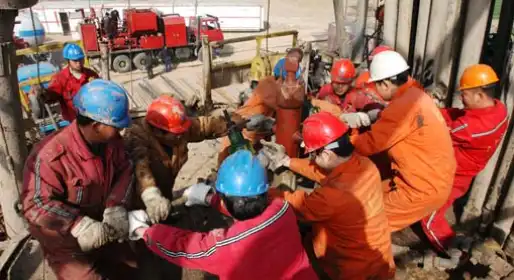
Core Properties and Technical Specifications of FL610S
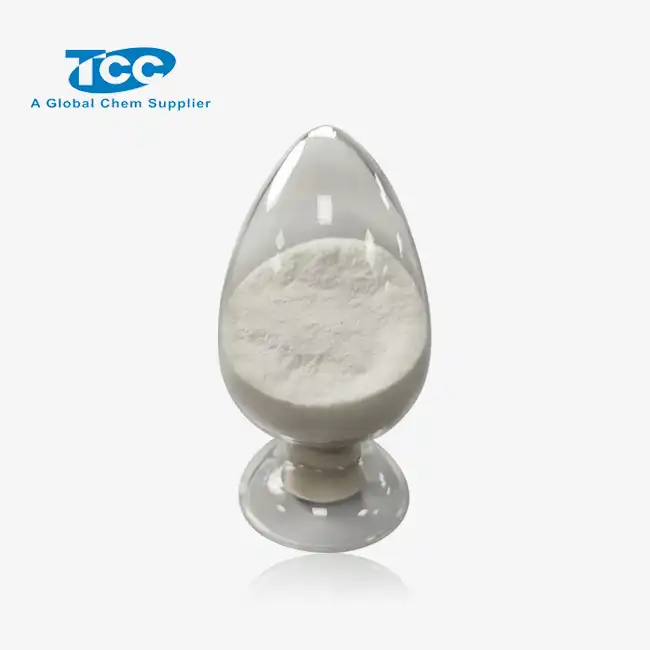
This polymer-based addition is different from older goods because of the way its chemicals are structured. Fluid loss additive FL610S is a copolymer made up of acrylamide and 2-Acrylamido-2-methylpropane sulfonic acid. It controls filtration in two ways: one stops heat breakdown, and the other stops salt contamination.
Chemical Composition and Performance Metrics
This white, fluid powder works at temperatures ranging from 30°C to 180°C, which covers almost all coastal and offshore drilling situations that come up in North American activities. According to API RP 10B-2 guidelines, lab tests always show that fluid loss rates are less than 50 mL per 30 minutes, and the best formulations get values of less than 30 mL.
The sulfonic acid groups in the polymer chain make it very resistant to salt. When Fluid loss additive FL610S is mixed with fresh water, ocean water with 35,000 ppm dissolved solids, or saturated brines close to 300,000 ppm, it keeps its ability to mix and filter. Because it can work with different types of formation water, it doesn't need different additives. This makes planning easier for drilling projects with more than one well.
Mechanism of Filtration Control
Fluid loss additive FL610S molecules move to the interface and form a thin, cohesive filter cake when the cement mix hits a permeable forming face. This polymer makes a semi-permeable barrier at the molecular level, which is different from particulate bridging agents that depend on physical plugging. Water molecules have a hard time getting through this barrier, but the cement particles stay in the mix and keep it pumpable until the job is done.
The non-retarding nature of the substance is also very important. A lot of fluid loss agents accidentally make the hardening process take longer by removing calcium ions that are needed for the cement to harden. Fluid loss additive FL610S avoids this mistake by letting you plan reliable pump times that work with the shape of the wellbore and your operations. The growth of compressive strength is going as planned, and the results of the 12-hour and 24-hour crush tests meet or beat the design requirements.
Environmental compliance is another area where this tool really shines. Heavy metals, aromatic hydrocarbons, and chronic organic toxins are not in its mix. Extra slurry or washout fluids can be thrown away through normal oilfield waste management routes without being labeled as hazardous waste. This makes it easier to follow the rules and lowers the cost of removal.
Comparative Advantages of FL610S Over Other Fluid Loss Additives
When procurement managers look at bonding ingredients, they find a market full of companies making different claims. To tell the difference between real performance benefits and marketing hype, you need to look at head-to-head measures in the real world.
Performance Against Conventional Alternatives
Cellulose-based goods are still widely used because they are cheap, but their flaws become clear in tough situations. When heated above 110°C, these natural polymers break down, going from thickening substances to solids that don't do anything. The slurry that forms loses liquids quickly and has a rheology that is hard to predict.
Synthetic rubber systems keep temperatures stable, but they make it harder for different materials to work together. It's important to keep an eye on the pH level of latex because it doesn't like some dispersants or retarders that are often used in complex slurry designs. Along with silica flour to stop strength loss, rubber to stop gas movement, and different retarder packages, Fluid loss additive FL610S works well with all of them without any problems.
Economic Value Proposition
The cost-effectiveness measure is more than just the additive's price per pound. There may be a 15-20% price difference between Fluid loss additive FL610S and basic cellulose goods, but the usual dosage rates are between 0.6% and 2.0% by weight of cement. For cement slurry, this means an extra $8 to $12 in material costs per barrel, which is very small when compared to rig day rates of more than $50,000 for land operations and $200,000 for offshore platforms.
The real savings come from operational dependability. The extra cost of the additive is spread out over dozens of wells, and it is paid for by a single saved repair cement job. Less fluid loss means less cement is needed to fill the circular space because less slurry water is lost into the rock. When projects move from using traditional additives to this polymer system, the total amount of the cement is said to go down by 3–5%.
User Testimonials and Field Performance
During a horizontal well campaign in 2021, drilling experts in the Permian Basin wrote up an interesting case study. After two wells in a row had routing problems with an old additive, the operator moved to Fluid loss additive FL610S for the last eight wells in the pad. Post-job cement bond logs showed that the whole side part was fully bonded, so there was no need for any repairs. The project was finished early, and because of better zonal isolation, output rates were 12% higher than expected before the drill.
In the Gulf of Mexico, an underwater worker said that this additive worked consistently in 15 subsea wells that were in high-pressure, high-temperature settings. Temperature logs showed that the cement was spread out evenly, and pressure tests showed that the producing zones were hydraulically isolated from each other. These are important results in a regulatory setting where failures in mechanical integrity can lead to expensive investigations and even lease penalties.
Application Methods and Best Practices for FL610S Usage
To use any binding agent effectively, you need to know the right way to mix it, how to figure out the right amount, and how to make sure it works with other materials. Even the best energy doesn't work when it's used in the wrong way.
Mixing Protocols and Dosage Guidelines
For best results, dry mixing is the best way to add Fluid Loss Additive FL610S to cement systems. Before adding the mixing water, the powder should be mixed with the cement and any other dry ingredients. This process makes sure that all of the polymer chains are completely hydrated, which stops "fish-eyes" from forming, which are gel bits that haven't dissolved and make the slurry less uniform.
If conditions in the field require liquid mixing, the detergent must be mixed into the mixing water while being stirred very hard for at least five minutes before the cement is added. If you don't give the polymer molecules enough time to fully unfold and react, the efficiency is lower.
Dosage adjustment depends on the properties of the formation and the operating conditions. 0.6% to 0.8% by weight of cement is usually enough for freshwater systems in wells with reasonable temperatures below 120°C. In places with a lot of salt or where temperatures are very high, 1.5 to 2.0% amounts may be needed. The most accurate way to figure out the right dose is to test the material in the lab with formation fluids that are typical of what will be found underground.
Compatibility Across Fluid Systems
Fluid loss additive FL610S is flexible enough to work with all the different kinds of cement slurry used in current drills. Better filter control is good for all water-based systems, from neat Class G to foam cement mixes. Oil- and synthetic-based drilling mud pollution, which is unavoidable during cementing operations, doesn't have as much of an effect on the performance of additives as it does on cellulose options.
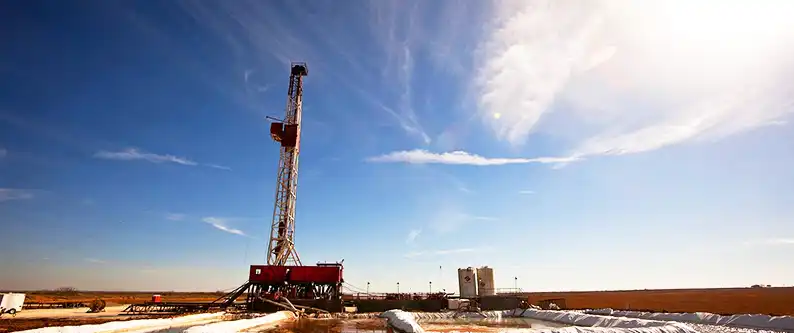
When making complicated slurries with a lot of different specialty additives, interaction testing is very important. When you mix Fluid Loss Additive FL610S with dispersants, the liquid can still flow even when it has more solids in it. When used with retarders, it increases the pump time without affecting the final fluid loss performance. When used together, the additive and rubber systems work better, with less fluid loss and better control of gas movement than when either component is used alone.
Real-World Implementation Results
A Canadian company that was drilling in the Montney formation kept running into problems with micro-annuli forming between the casing strings. This was because gas was leaking out while the cement was setting. After doing a lot of work in the lab, engineers came up with a slurry that had 1.2% Fluid Loss Additive FL610S and a gas movement agent mixed in it. Acoustic cement evaluation tools proved full zonal isolation across all subsequent wells. This got rid of the need for expensive squeeze cementing operations that had been a problem with earlier completions.
There is another case from South Texas, where geothermal wells are deeper than 200°C. Standard polymer additives stopped working after 180°C, so users had to switch to more expensive custom goods. Testing showed that Fluid loss additive FL610S still worked well when mixed with dispersants that didn't change with temperature. This cut the cost of materials by 40% while keeping fluid loss at the same level in this very hot climate.
Procurement Insights: Where and How to Source FL610S for Your Projects
To get reliable quantities of technical additives, you have to figure out how to use supplier networks, quality control systems, and transportation planning. When materials aren't available on time for critical path projects or multi-well plans, the stakes are higher.
Selecting Certified Suppliers
With ISO 9000 approval and a thorough quality control system, Xi'an Taicheng Chemical has proven itself to be a reliable source for Fluid loss additive FL610S. Their relationships with GMP-certified factories make sure that the consistency of each batch is maintained, which is a must when cement designs are being approved by regulators for use abroad.
Verifying the identity of a product keeps supply chains safe from fake goods that sometimes get in. Reliable providers give out Certificates of Analysis that list important details like having a moisture content below 10%, API fluid loss performance within limits, and no contaminants. Material Safety Data Sheets and Technical Data Sheets provide extra proof by explaining how to handle the product and what kind of performance is expected.
Pricing Structures and Order Volumes
When you buy in bulk, you can take advantage of better prices for big digging projects. Standard packing in 25 kg bags with cart layouts makes it easier to handle warehouses and move materials around on rig sites. Most of the time, minimum order numbers are the same as truckload or container volumes. This makes it easier for owners to combine purchases from multiple wells.
Lead times of 7–10 days on average from order confirmation to shipment give most drilling plans enough time to plan. For emergency needs, expedited logistics like air freight or fast courier services can be used, but the higher shipping costs mean that small buffers of vital additives need to be kept on hand.
Strategic buyers discuss outline deals that set prices, delivery times, and quality standards for the next 12 to 18 months. These contracts protect budgets and make sure that supplies will be available during times of high demand across the industry, which can put a strain on spot market channels.
Technical Support and After-Sales Service
The connection between a provider and a customer goes beyond just delivering goods. Before starting a job, Taicheng's expert team meets with the client to go over wellbore conditions, cement slurry designs, and operating limitations. This joint method finds possible compatibility problems before they happen on-site, where they are much harder to fix and cost a lot more.
As part of post-job support, fluid loss test results are analyzed, strange slurry behavior is troubleshooted, and suggestions for better design on future wells are made. The gap between lab theory and actual reality can be bridged by having access to experienced staff who understand both the science and how it is used in the field.
Conclusion
For deep drilling projects, you need cementing additives that can work in situations that show how limited regular goods are. Fluid loss additive FL610S solves these problems with chemicals that don't change with temperature, a wide range of compatibilities, and effective filter control that keeps the wellbore's integrity. The polymer has been used successfully in a wide range of geological conditions, from horizontal shale wells to very deep ocean exploration holes. This shows how versatile and useful it is. Long-term well performance is more important to operators than short-term material savings. They see this additive as an investment in their business success and risk mitigation.
FAQ
1. Does FL610S require special mixing procedures?
The best results come from dry mixing cement with water before adding water. If you need to mix liquids, make sure the addition is well mixed in the water by stirring it around very hard for at least five minutes before adding the cement. If you don't, a gel will form, which will make the cement less effective.
2. How does this additive affect cement compressive strength?
Lab tests show that using the suggested dosage amounts has no major effect on the growth of 12-hour or 24-hour compressive strength. The non-retarding chemistry of the polymer lets normal hydration processes happen, and strength values are usually the same as or slightly higher than those of regular cement.
What storage conditions maintain product quality?
Keep it in a cool, dry, well-ventilated place that is out of direct sunlight and away from leaks. The material can break down in high humidity because it is hygroscopic. When kept correctly, material stays fully functional for 24 months from the date it was made.
Can FL610S work with latex or silica flour systems?
Both of the additions work perfectly together. When two or more parts are used together, they often have synergistic effects that make them work better than when they are used separately. The best dosage amounts are confirmed by lab tests that show they will work with your unique slurry design.
Partner with Taicheng for Your Fluid Loss Additive FL610S Supply Needs
Fluid loss additive FL610S can be bought from Xi'an Taicheng Chemical, which offers reasonable prices and guarantees quality all the time. Our global transport network makes sure that your orders get to you on time, no matter if your activities are in the Permian Basin or on offshore platforms in the Gulf of Mexico. We make the buying process easier for you by offering full technical help, approved paperwork like COA and MSDS, and flexible order sizes starting from container loads. Email our team at sales@tcc-ofc.com to talk about project-specific needs, ask for sample testing, or get detailed quotes that are made to fit the needs and schedule of your drilling program.
References
1. American Petroleum Institute. "Recommended Practice for Testing Well Cements" (API RP 10B-2), 8th Edition, Washington DC, 2020.
2. Nelson, E.B. and Guillot, D. "Well Cementing—2nd Edition," Schlumberger Educational Services, Houston, Texas, 2006.
3. Patel, A.D. and McLaurine, H.C. "Fluid Loss Control in Cement Slurries," Journal of Petroleum Technology, Society of Petroleum Engineers, Vol. 45, No. 3, 1993.
4. Bensted, J. and Smith, P. "Structure and Performance of Cements—2nd Edition," CRC Press, Taylor & Francis Group, London, 2008.
5. Cheung, P.R. and Beirute, R.M. "Gas Flow in Cements," Journal of Petroleum Technology, Society of Petroleum Engineers, Vol. 37, No. 6, 1985.
6. Ravi, K., Bosma, M., and Gastebled, O. "Improve the Economics of Oil and Gas Wells by Reducing the Risk of Cement Failure," Offshore Technology Conference, Houston, Paper OTC-16968, 2005.
Learn about our latest products and discounts through SMS or email