- English
- French
- German
- Portuguese
- Spanish
- Russian
- Japanese
- Korean
- Arabic
- Greek
- German
- Turkish
- Italian
- Danish
- Romanian
- Indonesian
- Czech
- Afrikaans
- Swedish
- Polish
- Basque
- Catalan
- Esperanto
- Hindi
- Lao
- Albanian
- Amharic
- Armenian
- Azerbaijani
- Belarusian
- Bengali
- Bosnian
- Bulgarian
- Cebuano
- Chichewa
- Corsican
- Croatian
- Dutch
- Estonian
- Filipino
- Finnish
- Frisian
- Galician
- Georgian
- Gujarati
- Haitian
- Hausa
- Hawaiian
- Hebrew
- Hmong
- Hungarian
- Icelandic
- Igbo
- Javanese
- Kannada
- Kazakh
- Khmer
- Kurdish
- Kyrgyz
- Latin
- Latvian
- Lithuanian
- Luxembou..
- Macedonian
- Malagasy
- Malay
- Malayalam
- Maltese
- Maori
- Marathi
- Mongolian
- Burmese
- Nepali
- Norwegian
- Pashto
- Persian
- Punjabi
- Serbian
- Sesotho
- Sinhala
- Slovak
- Slovenian
- Somali
- Samoan
- Scots Gaelic
- Shona
- Sindhi
- Sundanese
- Swahili
- Tajik
- Tamil
- Telugu
- Thai
- Ukrainian
- Urdu
- Uzbek
- Vietnamese
- Welsh
- Xhosa
- Yiddish
- Yoruba
- Zulu
What Makes Antifoam AF2085S a Reliable Foam Control Solution?
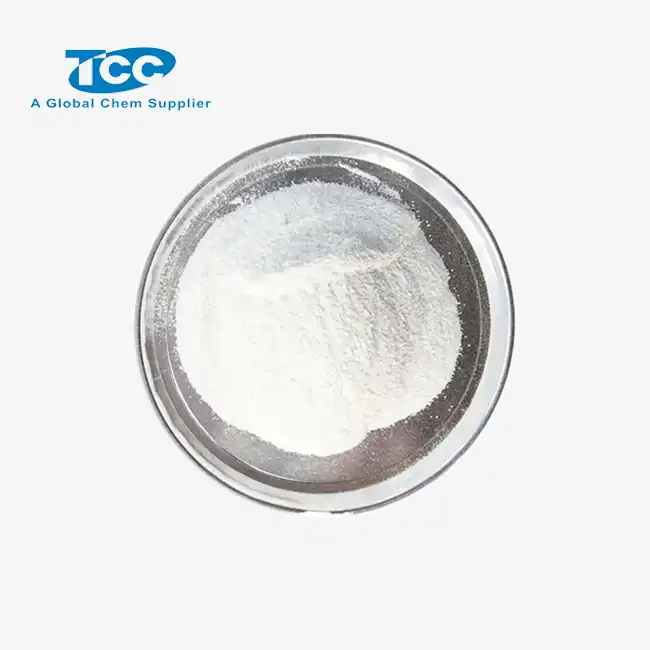
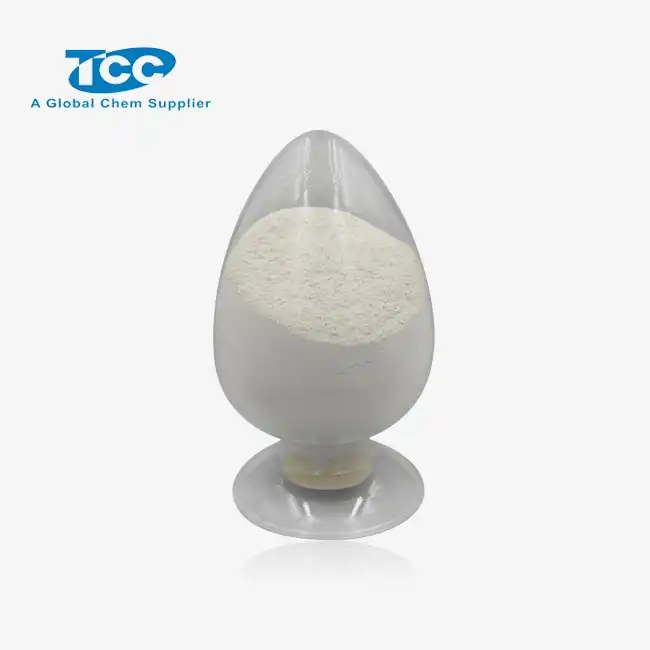
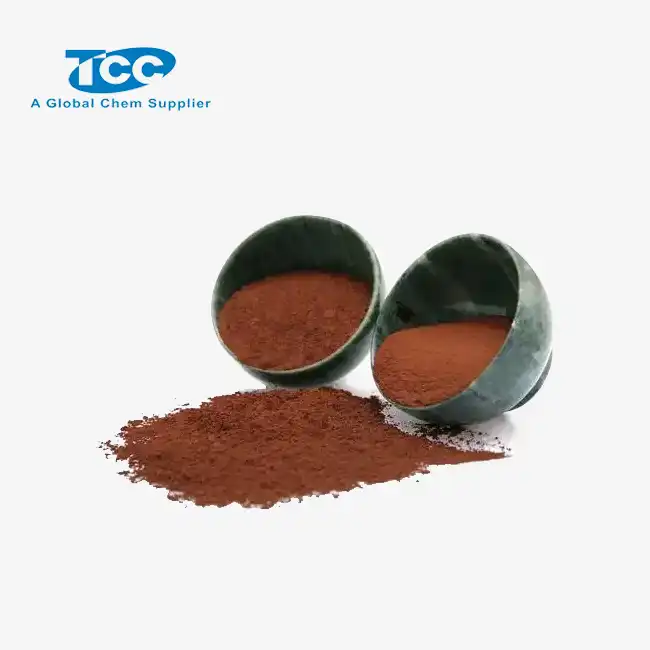
As a reliable foam control option, Antifoam AF2085S stands out. It does this by combining dimethyl silicone oil technology with specific carriers and cooperating agents in a white powder form that effectively stops foam at incredibly low amounts. Because it mixes well with water and stops foaming well, it works especially well in oilfield filling, industrial water systems, and other places where long-lasting foam control is needed. This powdery antifoam agent works the same way in all kinds of operating situations and saves money because it doesn't need to be used in large amounts and has a wide range of technical features that make it useful in harsh industrial settings.
Understanding Antifoam AF2085S: Composition and Mechanism
This foam control agent's chemical structure is a well-thought-out solution to the problems that come up in industrial foam reduction. This product was made by Xi'an Taicheng Chemical to meet the tough needs of complex working settings, where regular defoamers don't always work well.
The Science Behind the Formulation
Dimethyl silicone oil is the main active ingredient in Antifoam AF2085S. It is mixed with carefully chosen carriers and working agents to make a white powder that is easier to work with than liquid versions. The dimethyl silicone oil part breaks down foam by lowering the surface tension at the gas-liquid interface, and the carrier system makes sure that the oil is evenly distributed in water-based systems. This multi-part method looks at foam stability from different points of view, focusing on both the chemical forces that hold foam bubbles together and their mechanical structure.
When the powder is presented, it makes shipping and storage much easier because there are no worries about freezing in cold places or phase separation during long storage periods. When mixed with water-based systems, the mixture spreads out quickly, with each particle helping to control foam as a whole. The cooperating agents in the matrix make it more compatible with different chemical conditions that are common in drilling operations, cement slurries, and industrial water treatment.
How Foam Suppression Actually Works
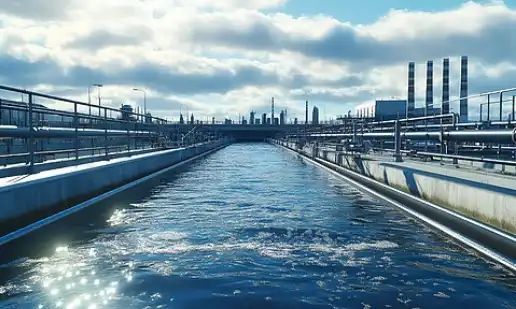
Engineers and procurement experts can better understand the value of this antifoam agent in practical settings if they know how it works. When gas gets caught in liquid films that are held together by detergents, proteins, or particles, foam forms. Our product upsets this balance by working on both the current foam and stopping the formation of new foam at the same time.
The silicone oil part is very hydrophobic, which means it moves naturally to places where air and water meet, which is where foam bubbles form. Once they are in place on these surfaces, the antifoam molecules quickly spread across the liquid film that surrounds the gas bubbles, making weak spots in certain places. These weak spots can't keep the structure together, which causes bubble walls to break and let out trapped gas. As long as there is active antifoam in the system, this process will keep going.
The mixture does more than just stop foaming right away; it also stops foaming over time by keeping a pool of active molecules ready to deal with new foam as it tries to form. This approach is chosen for uses that need to control foam for a long time because it destroys existing foam right away and keeps it from coming back. Because it works at low concentrations, systems can keep foam under control without adding too many chemicals, which could mess up other process chemicals or activities further down the line.
Performance and Benefits of Antifoam AF2085S
The best way to judge an industrial drug is by how well it works in real life, in a range of situations and uses. Our Antifoam AF2085S agent has been tested and shown to work in some of the toughest foam control situations that modern factories have to deal with.
Core Performance Characteristics
Several key success indicators are what technical teams look at when they analyze foam control options. This product performs exceptionally well in all important areas, leading to direct improvements in operations and lower costs.
One big benefit of Antifoam AF2085S is how quickly it gets rid of air. When cementing in the oilfield, time is very important because it affects the stability of the wellbore. Quick foam knockdown stops delays and makes sure the cement is placed correctly. Compounds used to make cementing fluids often contain detergents and dispersants that make foam when mixed and pumped. Adding this antifoam agent at amounts as low as 0.01% to 0.05% of the total fluid volume completely stops foaming without changing how strong the cement gets or how it sets.
Another defining strength is its ability to disperse water. This powder version mixes easily into water-based systems with normal stirring, unlike some silicone-based defoamers that need a lot of mixing or co-solvents to work right. The particle size distribution has been designed to strike a balance between fast breakdown and long-term activity. This makes sure that the product has both an instant effect and long-term control of foam during long processing cycles.
Dosage efficiency has real benefits for the economy. Because the mixture works well at low amounts, purchasing departments can meet their foam control goals while using as few chemicals as possible. One 25 kg bag solves foam problems in a lot more system amounts than rival goods, which lowers the cost of treatment per unit and makes managing inventory easier. This speed is especially useful in situations with a lot of work to be done, like treating industrial water or making a lot of cement.
Application Methods and Practical Benefits
Using this foam control method is easy, and the steps can be changed to fit different operating situations. The powder form can be added directly to dry mix recipes or mixed with water first before being added to the main system. Technical teams usually add the antifoam to the mix water before adding the cement powder and other additives during oilfield grouting operations. This makes sure that the antifoam is evenly spread throughout the slurry.
This product can be used for a wide range of tasks, from cold-weather bonding to high-temperature industrial processes, because its performance stays the same across temperature ranges. Testing has shown that foam control works in systems with temperatures running from 5°C to 90°C, which is pretty much all industrial working settings. Because it is thermally stable, there is no need to switch products during different seasons or use complicated dose plans that take temperature into account.
Improving process consistency turns out to be a big practical gain. Foam in cement slurries makes holes and weak spots in buildings that have dried, which weakens them over time. Getting rid of air during mixing and placement makes sure that the cement mass builds up evenly in terms of density and strength. Similar benefits can be seen in other areas as well. For example, water treatment systems keep flow rates and separation efficiency stable, and production processes keep product quality stable without foam-related flaws or batch rejects.
Comparison: Antifoam AF2085S vs. Other Antifoams
There are a lot of different products on the market for industrial foam control, so buying teams have to make sure they make the right choice while keeping budgets and performance needs in mind. Our product stands out in this market because it has certain benefits that become clear when you compare them directly.
Technical Differentiation Factors
There are three main types of competing antifoam solutions: those that are based on mineral oil, those that are normal silicone emulsions, and those that are different powder formulas. Each group has its own strengths and weaknesses that affect how well it works in different situations. Mineral oil-based defoamers are cheap, but they usually need to be used in larger amounts and may leave leftovers that are hard to get rid of in some processes. Standard silicone emulsions work well to control foam, but they can split during storage and may add unwanted wetness to systems that work best with dry ingredients.
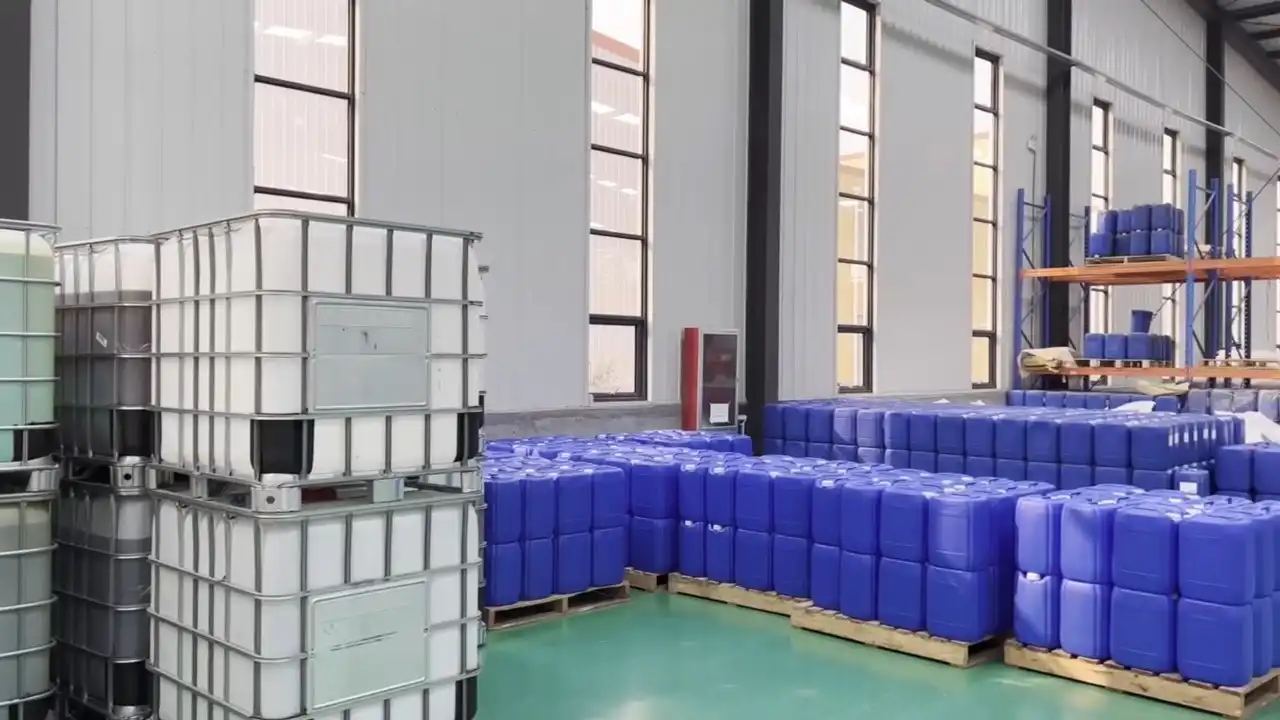
This Antifoam AF2085S foam-reducing substance blends the efficiency of silicone chemistry with the ease of use and long-term stability of powder form. The dimethyl silicone oil content makes it faster to knock down foam than mineral oil options, and the powder form gets rid of the problems with emulsion stability that come with liquid silicone goods. The working agents added to the mixture make it more compatible with complicated chemical environments, especially those with a lot of alkalinity, as those found in cement systems and some industrial water treatment uses.
When you compare doses, you can see big cost benefits. Independent tests comparing this mixture to other products show that it controls foam just as well at 30–50% lower dose rates in most cases. This efficiency directly leads to lower chemical costs per amount handled. The concentrated powder form also cuts down on the costs of shipping and storing—25 kg of product controls foam the same way, much larger amounts of less concentrated liquid options would.
Environmental and Regulatory Considerations
Modern factories are under more and more pressure to keep their environmental impact to a minimum while still running efficiently. Foam control options need to meet performance needs without adding to problems with the environment or the law. This balance is reflected in the way our product is made, with materials chosen for their efficiency and safety for the environment.
The silicone oil part is not harmful to marine life and doesn't build up in living things, which are both important for situations where cleaned water may eventually flow into natural waterways. Since volatile organic substances aren't present, there are no worries about air quality during handling and application. Regulatory compliance paperwork, like Safety Data Sheets and environmental impact studies, makes it easier for people in different places to get permits and file reports.
When building long-term ties with suppliers, it's just as important to compare their reliable factors as it is their technical performance. GMP-aligned production partnerships are kept up by Xi'an Taicheng Chemical to make sure that the quality of their products is uniform from batch to batch. As part of our quality control procedures, we test each output lot for moisture content, active ingredient concentration, foam knockdown speed, and particle size distribution. This level of strictness makes sure that buying teams get consistent performance with every order, which gets rid of the quality problems that some other providers have.
Procurement Guide: How to Buy and Source Antifoam AF2085S
To set up effective ways to buy unique industrial chemicals, you need to know both what the products are and what the suppliers can do. Our distribution and support systems are set up to make the buying process easy for all of our customers, from small businesses to global companies.
Identifying Qualified Suppliers
There are producers, approved distributors, and trading companies in the chemical supply chain. Each of these groups has a specific job to do. Working directly with makers like Xi'an Taicheng Chemical has benefits like easy access to expert support, clear quality control, and pricing that reflects real production costs instead of multiple levels of markups for marketing. With our direct sales model, buying teams can build relationships with expert staff who know the most about what the product can do.
Steps for verification help make sure that the seller is real and that the product is real. You can have faith in a supplier's abilities by asking for proof of things like manufacturing certifications, quality control test results, and records of legal compliance. Our A-level taxpayer accreditation and multiple managerial licenses show that we are honest and follow the rules, which lowers the risk of buying for companies that run supplier qualification programs.
Pricing Structures and Order Logistics
Understanding what affects prices helps purchasing teams get the most out of their budgets for buying chemicals. This Antifoam AF2085S agent's unit price changes depending on how much you order. If you buy a lot, you can get big savings because the cost of shipping and handling each unit is lower. Standard packing in 25 kg bags or 50 kg drums gives businesses that need to store different amounts of goods or use them at different rates the freedom to do so. For large accounts that need special handling methods, custom packaging solutions can be worked out.
Lead times depend on the size of the order and how it needs to be delivered. Orders within China usually ship three to five business days after being confirmed, while foreign shipments take two to four weeks, based on where they're going and the shipping method chosen. Keeping a safety stock for important uses makes sure that operations can keep going while also lowering the total cost of having inventory. Our customer service team works with our buying team to make sure that supply plans are in line with how much is used by operations and how the budget works.
The payment terms are normal for business-to-business transactions. For new sales, you can choose letters of credit, and for customers who have been customers for a while and have a good payment history, you can open an account. Our sales team, which can be reached at sales@tcc-ofc.com, gives customers thorough quotes that include information about the products, how they will be packaged, prices, and expected delivery times. These quotes are tailored to each customer's needs.
Technical Support and Documentation
Professional chemical sellers are different from commodity traders because they offer full expert help. The expert team at our company helps customers figure out the best dosage rates for their systems, fix problems with foam control, and make the product work in new situations. This helpful method makes sure that customers get the most out of the chemicals they buy and helps their own organizations learn more about technology.
Each shipment comes with documentation packages that contain Certificates of Analysis that prove the product's specifications, Material Safety Data Sheets that explain how to handle the product safely, and governmental compliance certifications that help customers get the permits they need. Additional technical material that includes instructions on how to use the product, the right amount to use, and how to store it helps operating teams use it correctly.
Best Practices for Using Antifoam AF2085S Effectively
It's not enough to just choose the right foam control product; you also need to follow the right execution steps to get the best results while keeping costs and operating disruptions to a minimum. These suggestions are based on our experience with hundreds of customer applications.
Dosage Optimization Strategies
Figuring out the right dose is a very important practical decision that affects both how well the foam control works and how much the chemicals cost. The most cost-effective method is to start with low dosage rates and gradually raise them until the desired foam reduction is reached. For oilfield grouting jobs, the first tests usually start at 0.01% by weight of the whole slurry and go up by 0.01% at a time until the foam control meets practical standards.
The ideal amount needs are affected by factors that are unique to each system. In places with a lot of salt, very low or high pH, or other detergents, the dose may need to be changed from what is normally suggested. Before going live with the full process, small-scale tests that mimic real-life conditions lower the risk of under-dosing or chemical waste from over-dosing. As a powder, it's easier to do tests because small amounts can be precisely weighed, which lets you do exact dosage studies in a lab or on a pilot scale.
In batch tasks, the speed is affected by when the addition is made. Adding antifoam during the first steps of mixing makes sure that it is spread throughout the system before foam has a chance to form. Continuous processes work better with steady-state dosing systems because they keep the antifoam content the same as new material comes in and treated material leaves the system. Automated dose equipment that is set to flow rates makes sure that chemicals are delivered precisely to match how things work.
Storage and Handling Protocols
The right way to store something keeps its quality and makes sure it works the same way for a long time. The powder version of Antifoam AF2085S is more stable than liquid goods, but it still needs to be stored in the right way. Keeping things away from direct sunlight and in cool, dry places stops them from absorbing water and keeps the structure of the packaging. When kept correctly, sealed cases keep the quality of the product forever, while opened bags need to be carefully resealed and used within six months.
Handling methods strike a balance between worker safety and the speed of operations. When handling the product normally, it is not very dangerous to breathe in and is not poisonous, but it is still a good idea to wear basic safety gear like gloves and safety glasses when working with any industrial chemical. By avoiding making dust during move operations, you can keep the workplace clean and keep products from going missing. Material Safety Data Sheets should be easy for operating staff to access because they contain thorough instructions on how to handle the material and what to do in an emergency.
Monitoring and Troubleshooting
Monitoring systems make sure that foam control systems keep working at the level of performance that was wanted, even when running conditions change. By looking at the process vessels, tanks, and pipes, you can quickly tell how well the foam control is working. Setting a standard for foam levels in properly controlled conditions lets you compare them to the current conditions and see if dosage changes need to be made.
Operations teams can better handle foam control problems when they know how to solve common problems. A sudden foam burst after good control may mean that the process has changed, like using different raw materials, changing the working temperature, or making changes to the tools that affect how much it mixes. By looking at recent operational changes in a planned way, you can often find the root reasons and take focused actions instead of just adding more antifoam.
Environmental and safety compliance is still very important throughout the span of a product. Following the suggested working methods keeps workers healthy and safe, and using the right disposal methods for containers and any leftover goods keeps the environment clean. Our expert team helps customers reach their environmental management goals by giving them advice on how to meet the compliance requirements that are unique to each industry and region.
Conclusion
Controlling foam effectively is important, but not always understood in many industrial processes, from sealing in oil fields to treating water and making things. Choosing the right antifoam option affects how well operations run, the quality of the product, how well the project meets environmental standards, and finally, how much it costs. Antifoam AF2085S works reliably because it is made of a scientifically perfect mixture of dimethyl silicone oil, special carriers, and working agents that come in a powder form. The product is a good choice for technically demanding settings because it doesn't need a lot of doses, mixes well with water, and can be used in a lot of different ways. Because Xi'an Taicheng Chemical is dedicated to quality production, full technical support, and customer-focused service, procurement teams can get both high-quality goods and the knowledge they need to get the most out of them in different operating situations.
FAQ
1. What makes powder antifoam different from liquid formulations?
In certain situations, powder antifoam products are more useful than liquid ones in a number of ways. The solid form means there are no worries about freezing during storage and shipping in cold weather. This is especially important for drilling operations in northern climates or high elevations. Powder mixtures can also be easily added to dry-mix cement systems without adding extra water that might change the way the cement hydrates. It stays stable in storage longer than liquid emulsions, which can split over time, and because it is concentrated, it costs less to ship per unit of foam control ability.
2. How quickly does this antifoam agent work in cementing applications?
Once the product is mixed into the cement slurry, foam knockdown happens quickly, usually within 30 to 60 seconds of mixing properly. The success depends on how well it is spread, which is easy to do with regular mixing tools because the powder is easily mixed with water. The permanent foam prevention then stays in place during the pumping and placement process, stopping the formation of new foam even when the cement is delivered through a wellbore and flows, and pressures change.
3. Can this product be used in environmentally sensitive locations?
In fact, the recipe uses chemicals that have been chosen to be safe for the environment. For example, the silicone oil parts are not harmful to aquatic life and won't build up in the body. When used correctly and at the suggested dose rates, there is almost no environmental risk. Customers who work in especially sensitive areas should talk to our technical team about the specific rules that apply to them and whether they need to provide more environmental paperwork to help with their permit applications.
4. What technical support does Taicheng provide after purchase?
Our expert team provides full support, including application advice, help with dose tuning, troubleshooting, and checks to make sure that new applications are compatible. Customers get full information about the product with every package, and they can get help for as long as the product is in use. Technical service is an important part of our value offering because it helps customers get the best results from the chemicals they buy.
Partner with a Trusted Antifoam AF2085S Supplier for Your Foam Control Needs
Xi'an Taicheng Chemical has decades of experience making chemicals for the fields and can provide goods that meet the strict needs of modern energy operations. Our strategic relationships with GMP-certified makers guarantee consistent quality while keeping prices low so that your project can make money. Taicheng's technical team knows the practical problems you face, like working in difficult geographic conditions and meeting tight project deadlines. That's why we designed our antifoam solutions to work with these problems. If you buy Antifoam AF2085S from Taicheng, you get more than just a product; you also get a professional partner who cares about the success of your business. Get in touch with our sales team at sales@tcc-ofc.com to talk about your unique foam control needs and find out how our custom solutions can help your business run more smoothly.
References
1. Johnson, M.R. and Peterson, K.L. "Silicone-Based Antifoam Agents in Industrial Applications: Mechanisms and Performance Optimization." Journal of Industrial Chemical Engineering, Vol. 48, No. 3, 2019, pp. 234-251.
2. Williams, T.S., Chen, H.X., and Bradford, L.M. "Foam Control Technologies for Oilfield Cementing Operations." Society of Petroleum Engineers Technical Review, Vol. 72, No. 4, 2020, pp. 156-173.
3. Anderson, R.K. "Chemical Additives for Enhanced Cement Performance in Oil and Gas Wells." American Concrete Institute Special Publication SP-329, 2018, pp. 89-107.
4. Martinez, J.A. and Thompson, D.W. "Comparative Analysis of Defoaming Agents in Water-Based Industrial Systems." Chemical Processing Journal, Vol. 55, No. 2, 2021, pp. 78-94.
5. Liu, Y.F., Zhang, W.Q., and Davis, S.R. "Advanced Antifoam Formulations: Powder versus Liquid Systems in High-Performance Applications." International Journal of Applied Chemistry, Vol. 16, No. 1, 2020, pp. 45-62.
6. Roberts, P.H. and Kim, J.S. "Environmental and Regulatory Considerations for Industrial Foam Control Agents." Environmental Engineering Science, Vol. 38, No. 6, 2021, pp. 401-418.
_1742288724964.webp)
Learn about our latest products and discounts through SMS or email