- English
- French
- German
- Portuguese
- Spanish
- Russian
- Japanese
- Korean
- Arabic
- Greek
- German
- Turkish
- Italian
- Danish
- Romanian
- Indonesian
- Czech
- Afrikaans
- Swedish
- Polish
- Basque
- Catalan
- Esperanto
- Hindi
- Lao
- Albanian
- Amharic
- Armenian
- Azerbaijani
- Belarusian
- Bengali
- Bosnian
- Bulgarian
- Cebuano
- Chichewa
- Corsican
- Croatian
- Dutch
- Estonian
- Filipino
- Finnish
- Frisian
- Galician
- Georgian
- Gujarati
- Haitian
- Hausa
- Hawaiian
- Hebrew
- Hmong
- Hungarian
- Icelandic
- Igbo
- Javanese
- Kannada
- Kazakh
- Khmer
- Kurdish
- Kyrgyz
- Latin
- Latvian
- Lithuanian
- Luxembou..
- Macedonian
- Malagasy
- Malay
- Malayalam
- Maltese
- Maori
- Marathi
- Mongolian
- Burmese
- Nepali
- Norwegian
- Pashto
- Persian
- Punjabi
- Serbian
- Sesotho
- Sinhala
- Slovak
- Slovenian
- Somali
- Samoan
- Scots Gaelic
- Shona
- Sindhi
- Sundanese
- Swahili
- Tajik
- Tamil
- Telugu
- Thai
- Ukrainian
- Urdu
- Uzbek
- Vietnamese
- Welsh
- Xhosa
- Yiddish
- Yoruba
- Zulu
Why Is Calcium Carbonate Powder Essential in Modern Manufacturing?
Due to its special mix of affordability, adaptability, and environmental friendliness, Calcium Carbonate powder has become essential in modern manufacturing. This mineral filler, which has the chemical formula CaCO₃, solves important problems in many fields, such as lowering the cost of formulating polymers and making digging more efficient in gas operations. Because it can be used in many different fields, such as oil and gas, pharmaceuticals, and water treatment, it is a valuable raw material that strikes a balance between performance and sustainability. This makes it a solution to problems with operating efficiency and regulatory compliance.
Understanding Calcium Carbonate Powder: Composition, Properties, and Production
Understanding what makes this material so valuable across businesses is the first step to building a successful procurement plan. At Xi'an Taicheng Chemical, we know that buyers who are well-informed need to know exactly what the chemicals are made of and how they are made.
Chemical Structure and Physical Characteristics
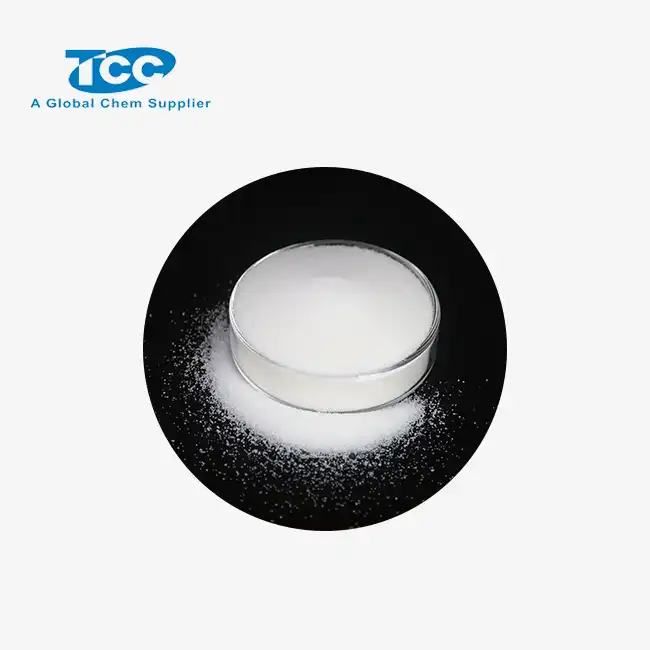
The main ingredient is CaCO₃ (CAS No. 471-34-1), which usually looks like a white to light brown powder with well-controlled particle sizes. Our material stays chemically pure for more than 98.5% of the time, so it always works well in tough situations. The molecular formula CCaO3 shows that it has a solid carbonate structure, which helps it resist heat and work with different formation chemicals. The shape of particles has a big effect on how well they work. Ground types (GCC) made from limestone are cheaper, but solidified forms (PCC) let you control the particle size more precisely for certain uses. How the powder reacts with drilling muds, grouting slurries, and treatment mixtures is based on the median particle diameter (D50) and top-cut specs (D97).
Production Methods and Quality Control Protocols
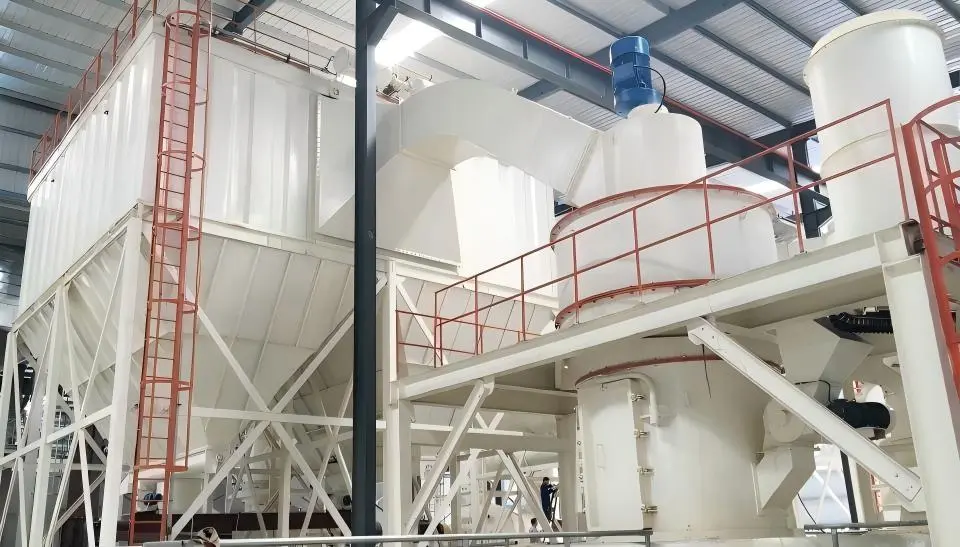
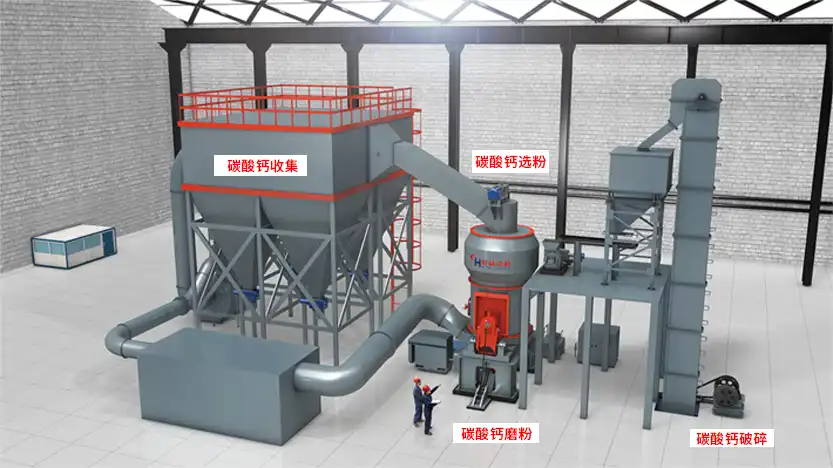
Chemical precipitation methods and mechanical grinding of natural materials are both used in different ways to make things. To get particles in the right size range, usually between 1 and 50 microns for industrial use, grinding processes go through several steps of milling and air classification. Changing the surface with stearic acid or other binding agents turns hydrophilic surfaces into hydrophobic ones, which makes it easier for molecules to spread out in organic mixtures. Our facility's quality assurance procedures are based on ISO 9000 standards and include thorough testing at several stages of production. To make sure that each batch is the same, we keep an eye on the wetness content (which is kept below 0.2%), the pH levels (which are usually 9.0–10.0), and the whiteness scores (90%–97%). There is full traceability for your purchasing needs because every package comes with Certificates of Analysis (COA), Material Safety Data Sheets (MSDS), and records of legal compliance.
Safety and Compliance Standards
When handling things in the workplace, you need to be careful about dust control because small particles can be dangerous to breathe in during mixing and moving tasks. Our expert paperwork spells out the right conditions for storage, ventilation, and personal safety equipment (PPE) to keep the integrity of the product. Because this material is non-toxic, it meets environmental standards in North America, Europe, and the Asia-Pacific region. This means it can be used in areas that are sensitive to the environment.
Key Industrial Applications and Benefits of Calcium Carbonate Powder
Procurement teams can figure out how important this flexible material is to their processes by figuring out where Calcium Carbonate powder adds value.
Oilfield Drilling and Cementing Operations
In upstream oil and gas operations, this addition raises the specific gravity of the drilling mud and adds weight to the wellbore to make it more stable. When mixed with water- or oil-based drilling fluids, it works well as a bridge agent to seal microporous rocks and stop fluid loss into permeable zones. The Mohs hardness of 3.0 of the material keeps downhole tools from wearing down too quickly while still having enough density to control formation pressures.
In high-pressure, high-temperature (HPHT) conditions like those found in deep wells, our mixture works very well. The thermal stability up to 825°C makes sure that the qualities of the drilling fluid stay the same over long periods of time. This cuts down on time spent not working and increases the total efficiency of drilling. When operators in the Permian Basin and Gulf of Mexico use properly mixed mixes, they report better rate-of-penetration measures and fewer lost circulation events.
The bridging process is based on optimizing the particle size distribution. Larger parts (20–50 microns) make up the original structure of the filtercake, while smaller particles (2–10 microns) fill in the gaps between the larger particles, creating barriers with low permeability. This two-step process keeps the wellbore from collapsing in rocks that aren't fully solidified and keeps the hydraulic integrity during sealing operations.
Water Treatment and Environmental Applications
This material is used to change the pH of water and precipitate heavy metals in municipal and corporate water treatment plants. The alkaline nature can cushion waste streams that are acidic, and the carbonate ions help metal hydroxide form, which gets rid of toxins like lead, copper, and zinc effectively. Operators of treatment plants like that the reaction rates are reliable and that less waste is made than with other neutralizing agents.
The material's ability to immobilize dangerous chemicals in polluted soils helps with environmental cleanup projects. The precipitation process traps metals that have been dissolved, which lowers the risks of leaching and movement. Regulatory permission across all EPA Superfund sites shows that strict environmental security standards are being met.
Pharmaceutical and Food-Grade Applications
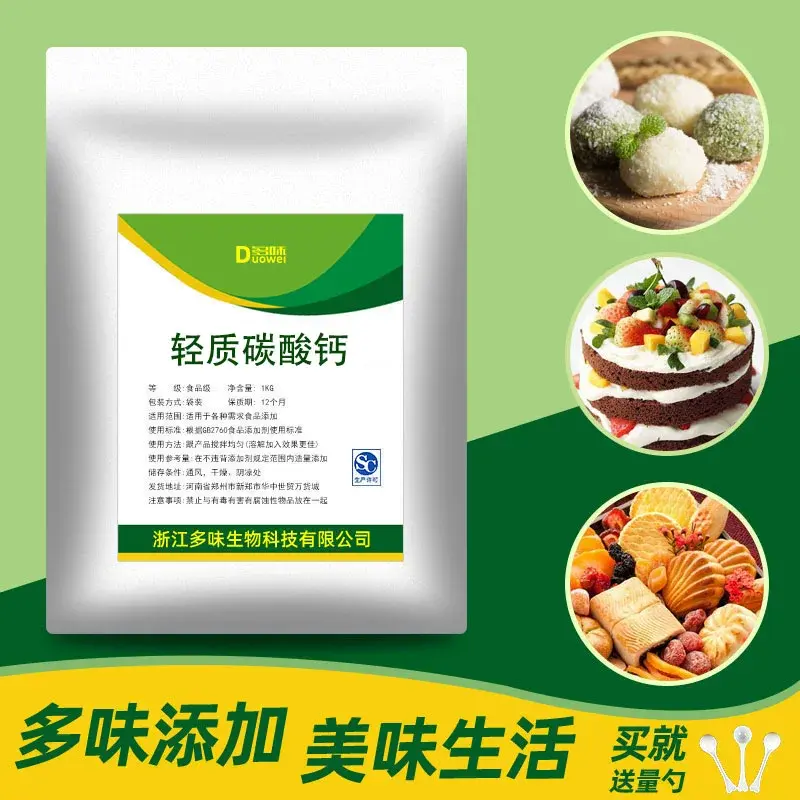
Our main focus is on industrial and oilfield uses, but we also work with GMP-certified manufacturers who provide pharmaceutical-grade versions that meet USP standards. These materials are tested for higher purity to make sure that the amount of heavy metals in them stays below strict pharmacopeial limits. Pharmaceutical companies use them as calcium supplements and fillers in tablets because they value regular particle properties that make sure drugs are released evenly.
Food-grade vitamin additives need the same strict quality controls, plus extra tests for bacterial contamination and following FDA rules. Our stable supply chain, which we've built through smart relationships, makes sure that clients who need certified products can always get them.
Comparing Calcium Carbonate Powder with Alternatives: Making Informed Procurement Decisions
To make smart purchases, you need to know how this material compares to other materials that do the same job and different grades.
Grade Differentiation: Industrial versus Food Grade
Industrial-grade materials focus on how well they work and how little they cost. They have strict requirements for things like particle size distribution, whiteness, and chemical cleanliness that are important for drilling, bonding, and treating water. The majority of these goods are made up of 95–98% CaCO₃, with small amounts of silica, iron oxide, and other minerals that don't affect how well they work in the fields.
Food-grade and medicinal versions need higher levels of purity (>99% CaCO₃) and strict heavy metal tests (lead <3 ppm, arsenic <3 ppm, mercury <1 ppm). Microbiological testing makes sure that there are no germs, and particle size standards stress how bioavailable the material is. Certified grades cost more because they have to go through more steps of cleaning and have more paperwork to prove it.
Particle Size Impact on Application Performance
When drilling, coarse grades (D50 = 20–50 microns) work best because they have the best bridging action and settling properties. These particles effectively stop fluid loss without making the viscosity rise too much, which keeps circulation systems pumpable.
Microfine forms (D50 = 2–10 microns) work well for tasks that need a lot of surface area, like treatments that improve wellbores and special cementing additives. Higher processing costs are represented in price structures because the materials are more reactive and stable in suspension.
Ultrafine or nano-grades (particle size <0.1 microns) are new technologies that can improve the dynamic qualities of polymer composites and more complex cementing systems. Although these products are more expensive, they work better in certain situations.
Comparing Carbonate Alternatives
In some situations, calcium citrate and magnesium carbonate can be used instead of each other. Calcium citrate is more bioavailable and can be used in diet uses better, but it costs a lot more. Magnesium carbonate has a smaller density and different buffering properties. It can be useful in certain drilling situations, but it doesn't have the same cost-performance balance as Calcium Carbonate powder, which is the standard in the business.
Barite, or barium sulfate, is another weighting agent that can be used in drilling muds. It has a higher specific gravity (4.2 vs. 2.7), but it is more expensive and can be bad for the environment. The choice is based on the conditions of the well, the rules that apply, and economic factors.
How to Choose the Best Calcium Carbonate Powder Supplier: A B2B Procurement Guide
When you choose the right supply partner, it affects everything from the quality of your products to your long-term costs of doing business.
Evaluating Supplier Credentials and Capacity
Suppliers you can trust show they know how to make things by showing certifications, info on output ability, and clear quality systems. Our ISO 9000 certification shows that Xi'an Taicheng Chemical follows documented quality management methods for finding raw materials, keeping an eye on output, and checking the finished product. Our A-level government approval (2021) shows that we are financially stable and follow the rules, which lowers the risks in the supply chain.
When figuring out production capacity, you should look at how much is made each month, how much is stored, and how well the company can adapt to high demand. Our strategic relationships with GMP-certified factories all over China give us manufacturing freedom and redundancy, so we can keep supplying you even when there are problems in other parts of the country or when demand goes up during certain times of the year.
Understanding Pricing Models and Commercial Terms
By buying in bulk, you can save a lot of money thanks to lower prices and better logistics. Minimum order numbers (MOQs) are usually between 20 and 25 metric tons, which are full container loads that keep shipping costs low per unit. When negotiating yearly contracts, procurement teams should look into price models that take into account changes in the commodity market and keep budgets stable.
Total arrival costs are affected by payment terms, shipping ways, and Incoterms in a big way. FOB (Free On Board) pricing shifts the risk and responsibility to the port of origin, while CIF (Cost, Insurance, Freight) pricing gives you shipped prices that make planning easier. Our global transportation network helps clients in North America, South America, Europe, Africa, and the Asia-Pacific region. We are experts at helping with customs paperwork and following rules for packages going across borders.
Technical Support and Partnership Value
Value-added partnerships include more than just supply ties. They also include expert advice, help with formulation, and help with fixing problems. To help you make a choice, our experienced team gives you thorough product specs, performance data, and application case studies. We make sure that drilling operations go smoothly and quickly by doing everything from testing the fit of materials in the lab to helping on-site when problems arise.
When dealing with pressing technical issues or supply changes, responsive contact routes are important. When you email our sales team at sales@tcc-ofc.com, they answer quickly and send you quotes, technical data sheets, and legal paperwork within 24 hours.
Maximizing ROI: Integrating Calcium Carbonate Powder into Your Manufacturing Process
When you strategically add this material to your processes, you can see measured gains in performance and savings on costs.
Optimizing Formulation Parameters
The first step to a successful execution is figuring out the right dosage based on the needs of the program. When making drilling mud, loading rates usually fall between 5% and 25% by weight, but this can change based on the density and bridging performance that is needed. Careful choice of particle size strikes a balance between controlling fluid loss and managing viscosity, making sure that the fluid can be pumped through moving systems.
The choice of surface treatment affects the quality of the spread and how well it works with base fluids. Different types covered with stearic acid easily mix with oil-based muds, while raw materials work well with water-based systems. Blending methods that mix particles of different sizes improve packing density and filtercake quality, which leads to better control of fluid loss.
Monitoring Performance Metrics
Optimization attempts are guided by measurable success indicators. Drilling operations keep track of changes in the rate of entry, the amount of fluid lost (API filtrate tests), and the rate at which equipment wears out. North American users who use our formulas say that lost circulation events are 15 to 20 percent lower and bit life is longer because of less abrasive wear.
When cementing, workers keep an eye on how the compression strength grows, how well the fluids mix, and how well the zones are isolated. The material adds to the density of the cement matrix while keeping it pumpable. This makes it possible to successfully cement the wellbore even when the geometry is difficult.
Emerging Trends and Future Developments
Nano-scale materials are the cutting edge of formulation technology because they have better dynamic qualities and can do new things. Bio-based surface treatments and environmentally friendly sources that fit with companies' sustainability goals are still being looked into. Our dedication to ongoing research and development (R&D) makes sure that our clients can get new solutions as technologies improve and rules change.
People are becoming more interested in life-cycle assessment and circular economy concepts as businesses move toward carbon-neutral operations. Getting materials from mines that are handled properly and figuring out how to use the least amount of energy during processing can help the environment, meet the needs of stakeholders, and keep costs low.
Conclusion
It's impossible to say enough about how important this adaptable mineral is to modern industry. Calcium Carbonate powder offers a special mix of functional performance, cost-effectiveness, and environmental compatibility that makes it useful for everything from improving digging efficiency in tough oilfields to helping with water treatment and medicine production. To be good at procurement, you need to know about the specifics of the makeup, the needs of the application, and the supplier's skills. Procurement teams gain a competitive edge through improved formulations and organizational success when they work with experienced makers who offer consistent quality, technical support, and reliable logistics.
FAQ
What safety considerations apply when handling this material in industrial settings?
Controlling dust is the most important safety issue during moving and touching things. Fine particles are easily carried through the air, which means they pose an inhalation risk that needs proper ventilation systems and lung protection in tight areas. Dry conditions should be kept in storage places to stop caking and make sure materials can flow. Chemical dangers are kept to a minimum by their non-toxicity and neutral reactivity. However, standard workplace hygiene rules must be followed to keep eyes and skin from getting irritated or dry from prolonged touch.
How does particle size affect drilling mud performance?
The particle size distribution has a direct effect on how well the bridge works and how well it stops fluid loss. Coarser parts (20–50 microns) build the initial structure of the filtercake against porous formations, while finer particles (2–10 microns) fill the gaps between the larger particles, making them less permeable. The best blends keep these parts in balance so that low API fluid loss values are reached without too much viscosity rise, which would make it harder to pump through circulation systems and downhole tools.
What distinguishes food-grade from industrial-grade materials?
The main differences are purity standards and testing methods. Food-grade versions have to meet rules about the amount of heavy metals they contain, the number of microbes they contain, and the way the particles are shaped so that they are bioavailable. When it comes to industrial grades, practical qualities like particle size distribution and whiteness are given more weight. Higher amounts of mineral impurities that don't affect the performance of oilfield or water treatment systems are also acceptable. The higher price of approved food-grade products is justified by the fact that they have to be cleaned and documented more thoroughly.
Partner with Taicheng for Superior Calcium Carbonate Powder Solutions
Xi'an Taicheng Chemical is ready to help your business succeed by providing you with high-quality materials designed for tough oilfield uses. Our Calcium Carbonate powder has been tested and shown to work well as an addition to drilling mud and cement. It is backed by ISO 9000 approval and strict quality controls. We offer low prices, reliable logistics, and skilled technical advice to oil and gas operators, service companies, and building firms all over the world. Our team can help you with customized formulas and quick responses, whether you're digging in the Permian Basin, developing offshore resources in the Gulf of Mexico, or running mining operations in South America.
Email our experts at sales@tcc-ofc.com to talk about your unique needs, get full technical data sheets, or set up a sample of our products. As a reliable company that makes Calcium Carbonate powder, we're dedicated to building long-term relationships based on quality, dependability, and our mutual success. You can look at our full line of products at www.tcc-ofc.com and learn how our oilfield chemical solutions can help you run your business more efficiently and save you money.
References
1. Oates, J.A.H. (1998). Lime and Limestone: Chemistry and Technology, Production and Uses. Weinheim: Wiley-VCH.
2. Caenn, R., Darley, H.C.H., & Gray, G.R. (2017). Composition and Properties of Drilling and Completion Fluids (7th ed.). Gulf Professional Publishing.
3. Wypych, G. (2016). Functional Fillers: Chemical Composition, Morphology, Performance, Applications. ChemTec Publishing.
4. Nelson, E.B., & Guillot, D. (2006). Well Cementing (2nd ed.). Schlumberger Educational Services.
5. Brobst, D.A., & Pratt, W.P. (1973). United States Mineral Resources (Professional Paper 820). U.S. Geological Survey.
6. Mitchell, R.F., & Miska, S.Z. (2011). Fundamentals of Drilling Engineering (SPE Textbook Series Vol. 12). Society of Petroleum Engineers.
Learn about our latest products and discounts through SMS or email