- English
- French
- German
- Portuguese
- Spanish
- Russian
- Japanese
- Korean
- Arabic
- Greek
- German
- Turkish
- Italian
- Danish
- Romanian
- Indonesian
- Czech
- Afrikaans
- Swedish
- Polish
- Basque
- Catalan
- Esperanto
- Hindi
- Lao
- Albanian
- Amharic
- Armenian
- Azerbaijani
- Belarusian
- Bengali
- Bosnian
- Bulgarian
- Cebuano
- Chichewa
- Corsican
- Croatian
- Dutch
- Estonian
- Filipino
- Finnish
- Frisian
- Galician
- Georgian
- Gujarati
- Haitian
- Hausa
- Hawaiian
- Hebrew
- Hmong
- Hungarian
- Icelandic
- Igbo
- Javanese
- Kannada
- Kazakh
- Khmer
- Kurdish
- Kyrgyz
- Latin
- Latvian
- Lithuanian
- Luxembou..
- Macedonian
- Malagasy
- Malay
- Malayalam
- Maltese
- Maori
- Marathi
- Mongolian
- Burmese
- Nepali
- Norwegian
- Pashto
- Persian
- Punjabi
- Serbian
- Sesotho
- Sinhala
- Slovak
- Slovenian
- Somali
- Samoan
- Scots Gaelic
- Shona
- Sindhi
- Sundanese
- Swahili
- Tajik
- Tamil
- Telugu
- Thai
- Ukrainian
- Urdu
- Uzbek
- Vietnamese
- Welsh
- Xhosa
- Yiddish
- Yoruba
- Zulu
Antifoam AF3200L Applications Across Food, Pharma, and Chemicals
Foam control is a big problem in the chemical industry around the world, especially in food preparation, medicine manufacturing, and chemical production industries. When foam builds up without being stopped, production lines slow down, equipment rusts, and the quality of the products quickly goes downhill. Antifoam AF3200L is an engineering solution that is made to get rid of foam in these tough industrial settings. This silicone-based defoaming agent has a 100% active ingredient content, which means it quickly stops and stops foaming, which directly improving the stability of the process and cutting down on costs. Purchasing managers and engineers who are in charge of keeping operations running smoothly depend more and more on tried-and-true defoaming formulas like this to protect their investments and make sure they meet strict regulatory standards.
Understanding Antifoam AF3200L and Its Industrial Role
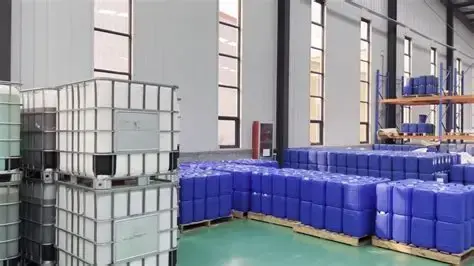
To get rid of foam effectively, you must first choose a defoamer that works well in your working setting. The mixture we're talking about here stands out because of its technical features and wide range of uses.
Core Composition and Technical Specifications
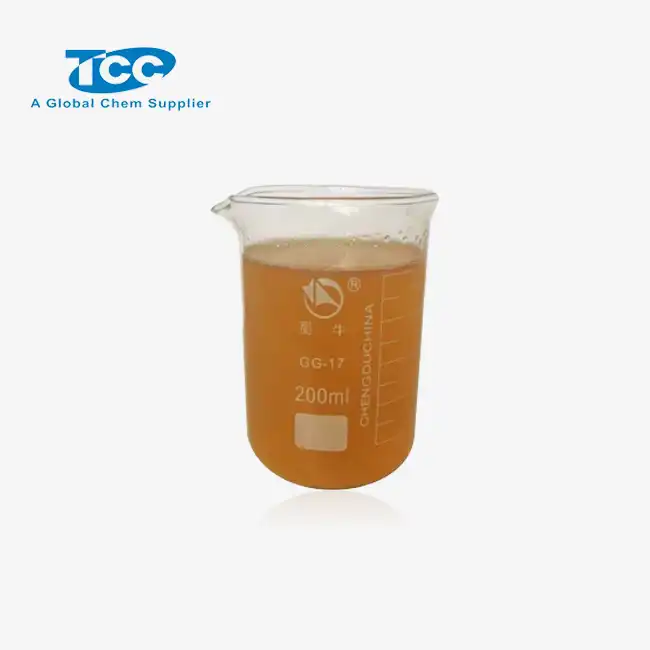
With a viscosity of 100 to 800 mPas at 25°C, Antifoam AF3200L appears as a clear to pale yellow liquid. The product has 100% effective ingredients, which means that every drop helps to stop foaming without diluting the effect. This polyether-modified silicone mixture has the quick knockdown power of regular siloxanes and works better in both water- and oil-based systems. As the pH level goes from 3 to 12, the mixture stays stable, and it works well at temperatures above 95°C, where other mineral oil defoamers fail because the emulsion breaks down.
Mechanism of Foam Suppression
Disrupting surface tension at the edges of gases and liquids is what makes defoaming work. When put into foamy settings, the molecules made of silicone quickly spread across the layers of foam and into the layers of anchoring surfactant. This intrusion makes bubble walls weaker, which causes them to fall apart right away and stops them from reforming. The polyether change makes it easier for the substance to mix with water, which lowers the chance of silicone spots or oil shrinkage holes that ruin the look of products used in coating and textiles.
Safety Protocols and Storage Requirements
For safe handling, you need to pay attention to how things are stored. Store the item somewhere between 0°C and 30°C, out of direct sunlight and heat sources. Do not add acids, alkalis, or salts because they can make the mixture less stable. Plastic drums of 25, 50, or 200 kg are offered as packaging choices, and they can be changed to fit the needs of each project. If stacking happens after being stored for a long time, all that needs to be done is stir the mixture to make it equal again. Always close things tightly when they're not in use to keep them from getting dirty and to keep them working at their best.
Dosage Guidelines for Optimal Performance
Dosage usually falls between 0.1% and 0.5% by weight of the foamy system, but exact amounts needed rely on how thick the foam is, how viscous the system is, and how it is being used. For mild foaming settings, lower amounts work best. For sustained micro-foam in high-viscosity systems, however, higher doses may be needed. We suggest doing small-scale tests on a bench to find the best application rates that will reduce waste while increasing foam control effectiveness.
Antifoam AF3200L Applications in Food, Pharmaceutical, and Chemical Industries
Real-world success in a variety of industries shows that the defoaming options are flexible and reliable, which is what procurement professionals look for.
Food Processing: Fermentation and Beverage Production
In the food business, fermentation processes make a lot of foam that gets in the way of bioreactor capacity and tracking accuracy. The defoamer stops foaming in yeast fermentation, brewing, and enzyme production without adding any harmful substances that could affect food safety. Regulatory compliance is still very important, and the formulation's clean makeup meets food-grade standards when used according to the guidelines given. Manufacturers of drinks say that batch consistency has improved and processing times have been cut, which has led to real gains in output and cost savings.
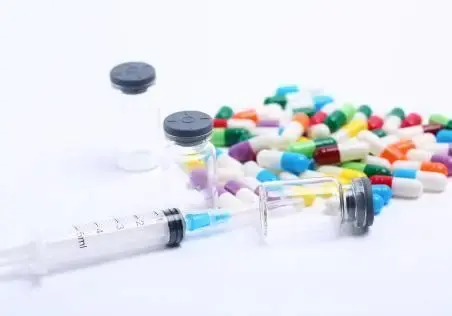
Pharmaceutical Manufacturing: API Production and Formulation
Pharmaceutical businesses need to meet very high standards for cleanliness and be very efficient. Foam changes the patterns of motion and measurement errors that affect yield estimates during the synthesis of active pharmaceutical ingredients and fermentation-based production. The Antifoam AF3200L stops foaming without leaving behind any leftovers that could get in the way of further cleaning. Because it stays stable during sterilization and works with GMP-compliant production processes, it can be used in places that have to meet strict legal requirements. The product's uniform performance from batch to batch is valued by quality assurance teams because it helps with validation efforts and lowers process error.
Chemical Production: Bulk Reactions and Wastewater Treatment
Extreme temperatures make it important to have strong foam control in chemical production settings. Foam can cause the tank to overflow and the product to become contaminated during polymerization processes. The defoamer works well in both oil-based drilling muds and water-based systems, showing that it can be used in a variety of situations, such as alkaline water treatment and desulfurization processes in power plants. Industrial wastewater treatment plants use the mixture to keep foam under control in aeration tanks and biological treatment systems without hurting active bacteria populations. This keeps biological oxygen demand and chemical oxygen demand equal while increasing the efficiency of filtration.
Documented Case Performance
After moving to this defoaming option, an oilfield services contractor in Texas saw a 40% drop in downtime caused by drilling fluid foam. This directly increased the efficiency of drilling in high-pressure operations. A pharmaceutical company in New Jersey reported better usage of bioreactor capacity, leading to a 15% increase in output in antibiotic fermentation processes. A textile dyeing plant in North Carolina got rid of fabric flaws caused by silicone spotting. This cut down on the need for repairs and raised customer happiness. These real-world results give buying professionals looking at options reason to be confident.
Comparing Antifoam AF3200L with Other Industrial Antifoams
To get around in the crowded defoamer market, you need to know how different versions work in different operating situations and what the pros and cons of each choice are.
Chemical Formulation Differences
Traditional mineral oil antifoams are cheap, but they don't hold up well at high temperatures and don't mix well with water. Unaltered silicone defoamers work quickly to get rid of foam, but they often leave surface flaws in fabrics and finishes. The polyether-modified silicone emulsion method takes the best parts of both groups and makes the worst parts less bad. Standard silicone emulsions and other competing goods don't have the shear stability needed for high-turbulence pumps and spray applications. This makes equipment get clogged, and performance isn't reliable.
Performance Under Extreme Conditions
Independent tests show that this material is more thermally stable than other options. Standard defoamers break down above 80°C, but this mixture stays intact above 95°C. The pH range of 3–12 is wider than what most commercial antifoams can handle. Most antifoams lose their usefulness in environments that are very acidic or basic. Shear stability testing shows that the emulsion doesn't break down during high-speed mixing and pumping. This keeps the emulsion from separating, which would otherwise pollute the process further down the line.
Decision Criteria for B2B Buyers
Five important factors should be used by procurement workers to assess antifoams. How well the defoamer works with the current process chemistry decides whether it fits smoothly or causes problems. To make sure uniform performance, the temperature and pH working windows must match the conditions that are actually used in production. The features of the dispersion affect whether the product leaves marks on the surface or blends in smoothly. Documentation for regulatory compliance helps quality management systems and audit needs. Total cost of ownership looks at more than just the unit price. It also looks at how well the amount is used, how to improve process uptime, and how to cut down on quality defects.
Customer Feedback and Comparative Testing
Third-party lab reports show lower dosage needs compared to competing formulas, saving 20–30% on costs at the same level of foam reduction. Chemical distributors' customer reviews show that the supply chain works reliably and that expert help is quick to respond, both of which lower the risk of buying. Quality managers like having a lot of paperwork, such as a Certificate of Analysis, Material Safety Data Sheets, and help from regulators, which makes it easier to make sure that rules are being followed.
Conclusion
Foam control is an important but often overlooked part of making sure that industrial processes work well and that products are of good quality in the chemical, pharmaceutical, and food-producing sectors. Antifoam AF3200L has been shown to work well thanks to its polyether-modified silicone recipe, which is more stable, compatible, and effective than other options. The product can be used in many different ways, from fermentation processes to oilfield operations. This makes it a flexible option for a wide range of buying needs. When procurement professionals look at defoaming choices, they shouldn't just look at unit price. They should also look at technical compatibility, source trustworthiness, regulatory compliance paperwork, and total cost of ownership. Advanced recipe technology, excellent production, and quick customer service are all things that Xi'an Taicheng Chem Co., Ltd. does well. This builds partnerships that go beyond just supplying products.
FAQ
Is Antifoam AF3200L Safe for Food and Pharmaceutical Manufacturing?
When used within the suggested dosage amounts, the defoamer meets the safety standards for areas that process food and make medicines. The formulation's clean ingredients and ability to stay stable during processing keep contaminants from getting into the product and making it less pure. Material Safety Data Sheets should be looked over by procurement teams, and their production systems should be tested for fit to make sure the materials are safe for use in controlled situations.
How Do I Determine the Optimal Dosage for My Process?
To find the best dosage, you need to do bench-scale tests that mimic the real-life production conditions, such as temperature, pH, stirring strength, and foaming severity. Start with 0.1% by weight and slowly increase it while keeping an eye on how well it stops foaming and making sure the system works with it. Technical help from Xi'an Taicheng can give application-specific advice based on similar customer solutions. This speeds up the optimization process and keeps it from having to go through too many trial-and-error steps.
What Certifications Support Quality Assurance?
Xi'an Taicheng keeps its ISO 9001 certification and works with GMP-certified makers to make sure that production is controlled by quality management systems. Each batch comes with a Certificate of Analysis that verifies the key specs. The business gives detailed Material Safety Data Sheets and regulatory support materials that make it easier to prove compliance during checks and quality management reviews.
Partner with Taicheng for Reliable Antifoam AF3200L Supply
If you need to get rid of foam, Xi'an Taicheng Chem Co., Ltd. has high-quality Antifoam AF3200L, as well as professional know-how and helpful customer service. As a reliable global shipping partner, reasonable pricing, and full after-sales support make us a trusted maker and seller. This lowers the risk of buying from us. If you need thorough technical data sheets, sample requests, or volume quotes, please email our team at sales@tcc-ofc.com. This is for buying managers, engineers, and procurement experts. Our personalized formulations and application advice help you get the most out of your business while keeping costs low, whether you're making pharmaceuticals, oilfield chemicals, or industrial processing. You can look at our full line of products at https://www.tcc-ofc.com/ and learn how our chemical solutions can help your business in several ways.
References
1. Smith, J.R. & Thompson, M.K. (2021). Industrial Defoaming Technologies: Applications in Food and Pharmaceutical Manufacturing. Chemical Engineering Press.
2. Williams, A.T. (2020). "Silicone-Based Antifoams: Formulation Chemistry and Performance Optimization." Journal of Industrial Chemical Applications, 45(3), 187-204.
3. Chen, L. & Rodriguez, P. (2022). Foam Control in Oilfield Operations: Technical Guidelines for Chemical Selection. Petroleum Engineering Institute.
4. European Food Safety Authority (2021). Chemical Additives in Food Processing: Safety Assessment and Regulatory Framework. EFSA Technical Report 2021-08.
5. Martinez, D.S. (2020). "Comparative Analysis of Defoaming Agents in Pharmaceutical Bioreactors." Pharmaceutical Engineering Quarterly, 38(2), 76-89.
6. National Association of Chemical Distributors (2022). Procurement Best Practices for Specialty Chemicals: A Guide for Industrial Buyers. NACD Industry Standards Publication.
Learn about our latest products and discounts through SMS or email