- English
- French
- German
- Portuguese
- Spanish
- Russian
- Japanese
- Korean
- Arabic
- Greek
- German
- Turkish
- Italian
- Danish
- Romanian
- Indonesian
- Czech
- Afrikaans
- Swedish
- Polish
- Basque
- Catalan
- Esperanto
- Hindi
- Lao
- Albanian
- Amharic
- Armenian
- Azerbaijani
- Belarusian
- Bengali
- Bosnian
- Bulgarian
- Cebuano
- Chichewa
- Corsican
- Croatian
- Dutch
- Estonian
- Filipino
- Finnish
- Frisian
- Galician
- Georgian
- Gujarati
- Haitian
- Hausa
- Hawaiian
- Hebrew
- Hmong
- Hungarian
- Icelandic
- Igbo
- Javanese
- Kannada
- Kazakh
- Khmer
- Kurdish
- Kyrgyz
- Latin
- Latvian
- Lithuanian
- Luxembou..
- Macedonian
- Malagasy
- Malay
- Malayalam
- Maltese
- Maori
- Marathi
- Mongolian
- Burmese
- Nepali
- Norwegian
- Pashto
- Persian
- Punjabi
- Serbian
- Sesotho
- Sinhala
- Slovak
- Slovenian
- Somali
- Samoan
- Scots Gaelic
- Shona
- Sindhi
- Sundanese
- Swahili
- Tajik
- Tamil
- Telugu
- Thai
- Ukrainian
- Urdu
- Uzbek
- Vietnamese
- Welsh
- Xhosa
- Yiddish
- Yoruba
- Zulu
Microsilica Powder vs Fly Ash: Which Enhances Concrete Better?
When you compare these two types of concrete fillers, Microsilica powder is clearly the better option for projects that need to be very strong and last a long time. Both materials improve the performance of concrete, but silica fume, which is another name for Microsilica powder, has the best density and impermeability because its particles are so small. Its average width of 0.15 micrometers fills in tiny holes that fly ash particles can't get to, making concrete mixes with compressive forces higher than 100 MPa. Because of this main distinction, Microsilica powder is the best choice for building materials that will be used in harsh chemical settings and under a lot of strain.
Understanding Microsilica Powder and Fly Ash
Origins and Production Processes
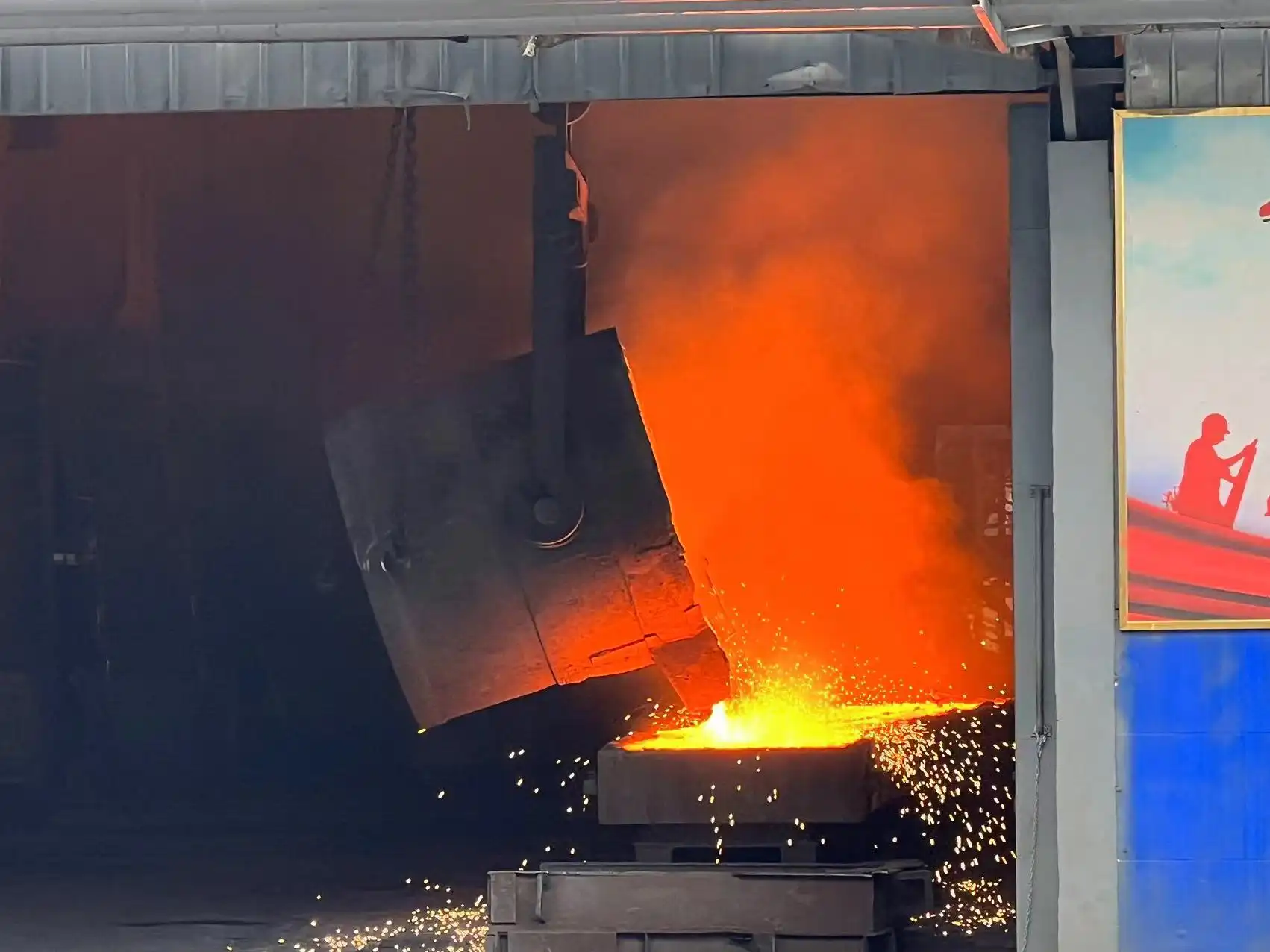
When high-purity quartz is reduced in an electric arc furnace to make silicon metal or ferrosilicon alloys, Microsilica powder is created as a byproduct. Amorphous silicon dioxide (SiO2) particles of a very high fineness are made by the process and gathered using special filter systems. This gray-white powder or spherical particle material has a CAS number of 60676-86-0 and is made up of 85–95% SiO2. Fly ash, on the other hand, is made when power plants burn coal. It is divided into two groups: Class F (low-calcium, from anthracite or bituminous coal) and Class C (high-calcium, from lignite or sub-bituminous coal). The way a material is made has a big effect on how it reacts and what it can be used for.
Physical and Chemical Characteristics
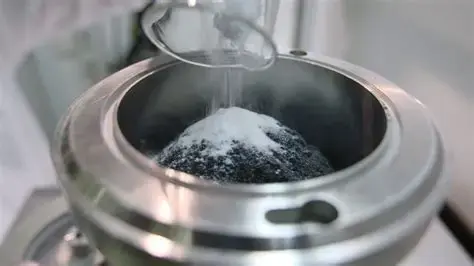
When compared to fly ash's usual 200-700 m2/kg, the specific surface area of Microsilica powder, which ranges from 15,000 to 30,000 m2/kg, demonstrates its exceptional properties. Because of its very high fineness, it packs more densely into cement structures. The material can be found in two different forms: one that isn't dense (200–350 kg/m³ bulk density) for specific dispersion, and one that is (500–700 kg/m³) for better logistics. It can be mixed in different ways to meet different needs. Particles of fly ash are 10 to 100 micrometers on average, which is about 100 times bigger than particles of silica dust. The difference in size between them explains why they work in different ways: fly ash replaces the volume of cement while Microsilica powder fills tiny holes. The chemical make-up also varies a lot. Microsilica powder always has high-purity SiO2, but fly ash's make-up changes depending on the coal source, which makes it harder to plan predictable mixes.
Environmental Profiles and Sustainability
Both of these additions help make building more environmentally friendly, but they do so in different ways. Microsilica powder makes concrete last longer by greatly lowering its porosity. This cuts down on the number of times it needs to be fixed and the amount of resources that are used over many years. This improvement in durability means that a building will leave less of a carbon impact over its entire life. By reusing materials, fly ash recycles industrial trash that would otherwise end up in landfills. This has direct benefits for the environment. Procurement professionals must consider lifetime effects when balancing corporate duty and performance. For example, Microsilica powder lowers long-term environmental costs by making things last longer, and fly ash gives the impression of being environmentally friendly up front by reusing trash.

How Microsilica Powder and Fly Ash Influence Concrete Performance
Strength Development and Matrix Densification
Microsilica powder changes the texture of concrete in two ways. Its pozzolanic process changes calcium hydroxide into more calcium silicate hydrate (C-S-H) gel, which is what cement paste uses to stick things together. At the same time, its micro-filler effect fills in the spaces between cement grains, getting rid of the capillary gaps. In ideal mixes, this mixture allows compressive values above 100 MPa, which is very important for uses like offshore platforms and precast components. By strengthening the paste-aggregate interface transition zone (ITZ), which is normally the weaker link in regular concrete, the material makes it stronger in both bending and pulling. Through slow pozzolanic action, fly ash helps build strength over time. Peak performance happens between 28 and 90 days. Even though fly ash works well for general building, it can't make things as dense as silica fume can in high-performance settings.
Workability and Setting Characteristics
Microsilica powder has a very large surface area, which means it needs a lot more water. To keep its workability, it needs high-range water reducers (superplasticizers). If you dose the material correctly, this problem can be turned into a benefit. The cohesiveness that results cuts down on segregation and bleeding, which is especially helpful in shotcrete situations where rebound loss needs to be kept to a minimum. Because the particles in fly ash are round, they make the concrete easier to work with. They work like tiny ball bearings, making the concrete move better. Different materials have different effects on setting time. Microsilica powder may speed up early strength development in some situations, which is good for quick building. Fly ash, on the other hand, slows down setting time, which is good for big continuous pours in hot weather. By knowing about these changes in behavior, procurement teams can choose materials that work with the project's schedule and setting.
Durability and Chemical Resistance
Microsilica powder is a great way to protect against permeability-driven wear and tear. It stops chloride ions from getting into concrete by making it almost impenetrable. This stops reinforcement corrosion in coastal buildings and de-icing salt exposure. Studies show that chloride diffusion values are 60–80% lower than in plain concrete. This material is very good at resisting chemicals. It can handle salt attack, carbonation, and acid exposure. It stops the "concrete cancer" that kills infrastructure by eating free alkalis and making the pores denser. This is called alkali-silica reaction (ASR). Fly ash can also reduce ASR and protect against sulfates to a modest degree, especially Class F types. The decision relies on how bad the exposure is. Microsilica powder is used in harsh environments where failure costs would be too high, while fly ash is cheaper and better for moderate exposure.
Comparing Microsilica Powder vs Fly Ash in Concrete Applications
Dosage Rates and Mixing Protocols
For general longevity improvement, the best amount of Microsilica powder to use is between 5 and 8 percent by weight of cement. For ultra-high-strength concrete uses, the amount should be between 8 and 15%. For proper dispersion, careful batching is needed. Adding the material with mixing water or as a slurry stops it from sticking together, which makes it less effective. It is easier to work with dense silica fume in automatic batching plants because it lowers dust and makes doses more accurate. Depending on the class and performance goals, fly ash replacement rates range from 15% to 40% of the cement weight. For structural uses, Class F rates are usually limited to 25%. The volumetric difference is striking: to achieve similar performance gains, 2-4 times more fly ash is needed than Microsilica powder, which has an effect on the logistics of storage, handling, and transportation.
Application-Specific Performance
Material choices are based on the needs of the project. Microsilica powder is the main ingredient in high-strength concrete mixes used for tall buildings, long-span bridges, and precast parts where the best design rests on the best material qualities. In saltwater splash zones, heavy-duty naval infrastructure relies on silica fume to make it impermeable, which increases its useful life. Its role in low-cement castables makes monolithic refractories more resistant to thermal shock. Tunnel shotcrete uses its ability to stick together to make single-pass layers that are heavier and less likely to bounce back. Fly ash works well in mass concrete projects like foundations and dams where controlling the heat of hydration is more important than early strength. Pavement concrete is easier to work with and costs less when fly ash is added. By understanding these application areas, you can avoid misapplication and get the most out of your materials.
Cost-Effectiveness and Supply Chain Considerations
The initial cost of the materials is only one part of the purchase study. Microsilica powder costs more per unit than fly ash, but because it works more effectively, it needs less of it. Densified silica dust is easier to transport, which lowers the cost of freight per performance unit supplied. Supply stability varies by area. Where you can get Microsilica powder depends on where you can get ferrosilicon and silicon metal, and where you can get fly ash depends on where coal-fired power plants are located. The people who work in procurement have to compare the total landing cost, which includes freight, storage, and handling, to the performance that was provided. Long-term value estimates should take durability benefits into account. Microsilica powder's ability to increase service life and lower upkeep costs provides lifecycle cost advantages despite higher initial costs. This is especially important for investments in key infrastructure.
Making the Right Choice: Procurement Insights for B2B Clients
Project-Specific Decision Criteria
To choose between these additives, you need to carefully consider a lot of different factors. Since fly ash alone cannot meet strength standards above 70 MPa, Microsilica powder is essentially required. Targets for durability in harsh settings, like coastal buildings, chemical processing plants, and wastewater treatment plants, like how silica fume doesn't let water through. Environmental standards have a bigger impact on the materials that are used. For example, projects that want to get LEED approval or meet carbon reduction goals need to weigh the benefits of Microsilica powder's long life with those of fly ash. Because of limited funds, we need to be honest about what we want: immediate cost savings or long-term value? Logistics in the supply chain are very important. Things like wait times, minimum order amounts, and storage facilities affect how feasible a material is, even if it is technically sound.
Supplier Qualification and Quality Assurance
Working with skilled providers keeps projects from failing because of materials. Important requirements for approval include X-ray fluorescence testing to confirm a stable SiO2 content, loss on ignition (LOI) certification showing a low carbon content that won't affect air-entraining additives, and recording of moisture content to ensure accurate dosing. Pozzolanic reactivity meets ASTM C1240 or EN 13263 norms for Microsilica powder, according to activity index tests. Qualified sellers have certifications from trustworthy third-party labs, detailed technical data sheets with particle size distribution, and quick technical support. Xi'an TaiCheng Chem Co., Ltd. upholds these quality standards by working together with GMP-certified factories. This makes sure that procurement teams get materials that meet strict requirements for important uses in oilfield cementing, infrastructure construction, and refractory manufacturing.
Regional Availability and Logistics
Geographical factors have a big effect on how easy it is to choose materials. With a dependable logistics system that enables just-in-time delivery to building sites, the United States keeps established Microsilica powder supply networks that serve major urban areas and industry corridors. For big projects, pneumatic trucks are the most cost-effective way to ship in bulk, while super sacks are more flexible for smaller amounts or faraway places. Importers have to deal with customs paperwork, follow EPA rules, and the possibility of tax effects. Planning for lead times is essential because getting Microsilica powder usually takes 4–8 weeks from ordering to delivery for foreign material. Getting to know sellers who offer expert advice, sample testing programs, and flexible payment terms can help lower the risk of buying.
Best Practices and Future Trends in Concrete Additives
Emerging Technologies and Hybrid Systems
As performance needs get higher, new concrete additives are being developed faster. The next step forward is nano-silica products, which are even finer than regular Microsilica powder and have higher reactivity. It seems possible that these nanomaterials could make things much stronger at lower doses. When Microsilica powder is mixed with fly ash or other extra cementitious materials, they improve more than one performance measure at the same time. Silica fume gives the mixture impermeability and early strength, while fly ash controls heat generation and makes it easier to work with. The use of graphene in concrete fillers and bio-based pozzolans is at the cutting edge of study, but they won't be available for sale for years to come. Purchasing teams that keep an eye on these changes put themselves in a position to adopt tried-and-true innovations early on, giving them a competitive edge through material technology leadership.
Regulatory Evolution and Market Expectations
The rules that govern the specs for concrete additives are always changing. Environmental product statements (EPDs) are becoming more important in purchasing decisions as owners want to know more about the carbon effects of materials. Standards governing the use of Microsilica powder and fly ash are updated on a regular basis by the American Concrete Institute and ASTM International. Recent changes place more emphasis on performance-based specs than on rigid requirements. This change gives engineers the freedom to make mix designs that work best for certain performance goals instead of having to stick to strict formulation rules. European rules called the Construction Products Regulation make sure that all products that come into the EU meet strict standards for conformity. When looking for suppliers for foreign projects, procurement workers have to deal with a lot of different regulatory frameworks. They need suppliers who have shown they can follow the rules and are good at paperwork.
Optimization Strategies for Modern Construction
Systematic improvement methods are needed to get the best performance from concrete while keeping costs low. When you look at a lot of different additive mixtures in a comprehensive mix design study, you can find solutions that meet all of your needs, including strength, workability, longevity, cost, and sustainability. Real-life building conditions are used in field trials to confirm lab results. These tests show practical issues like how pumps work and how finishes are applied. Performance monitoring during building and the first few years of service life shows that the choice of materials met the design purpose. Material testing programs should be a normal part of procurement strategies, and sellers should offer samples for pre-qualification testing before placing bulk orders. This organized method lowers the chance of mistakes and makes sure the materials work as planned, keeping project schedules and budgets safe from expensive fixes caused by wrong material specs.
Conclusion
In current concrete technology, fly ash and Microsilica powder play supportive rather than competitive roles. When unwavering durability and high strength are important, silica fume is the best material choice. This is especially true in harsh settings where long-term performance explains higher prices. Fly ash is a cheap alternative to cement that can be used in places where modest performance improvement is enough and environmental qualifications are important. When choosing materials, procurement professionals have to make sure they don't conflict with the project's goals. They do this by looking at technical needs, price limitations, and the realities of the supply chain. In the end, the choice comes down to strategic priorities: selecting Microsilica powder shows a dedication to maximum performance and lifecycle value, while naming fly ash shows cost-effectiveness and an instant commitment to environmental benefits through recycling industrial waste. As technology for concrete improves, both materials will continue to change.
FAQ
Can microsilica powder and fly ash be used interchangeably in concrete mixes?
Because of basic differences in particle size, reactivity, and dosing needs, these materials cannot be used in place of each other. Microsilica powder works at replacement rates of 5–15% and provides high densification. Fly ash, on the other hand, needs replacement rates of 15–40% to have similar but less intense effects. If you replace one for the other without redesigning the whole mix, you might end up with poor performance or problems with how it works. Each material aims to meet different engineering goals. For example, silica fume aims to maximize strength and impermeability, while fly ash aims to maximize cost and workability.
What safety precautions are necessary when handling microsilica powder?
Microsilica powder is made of chemically harmless and very small particles, but it is important to wear protective gear when handling it to keep from breathing it in. Dust masks with an N95 rating or higher keep workers safe from breathing in harmful particles. Chemicals are safe to touch, but gloves keep your skin from getting irritated. Densified silica smoke makes less dust in the air than undensified forms, which makes the workplace safer. Having enough airflow in storage and mixing areas keeps dust from building up. Material Safety Data Sheets (MSDS) give detailed instructions on how to handle materials. Before materials arrive, buying teams should give these sheets to people on site.
How does particle size influence concrete performance outcomes?
The size of the particles directly affects how well they pack and respond. The nanoscale gaps between cement grains are directly filled by the 0.15-microliter particles in Microsilica powder, blocking any potential paths for water to penetrate. This very fineness makes a huge surface area that speeds up pozzolanic processes. Particles of fly ash measuring 10 to 100 micrometers in size help pack things better, but they don't stop air from moving through them as silica fume does. Microsilica powder has better strength and longevity than fly ash, even though it is used in smaller amounts. This is because its particles can get into areas that fly ash can't, fundamentally changing the microstructure of concrete.
Partner with Taicheng for Premium Microsilica Powder Supply
Xi'an TaiCheng Chem Co., Ltd. is a reliable source for Microsilica powder. They offer approved materials that meet the strict requirements of building infrastructure, sealing oil fields, and making refractories all over the world. Our strategic relationships with GMP-certified factories make sure that the SiO2 content always exceeds 85%, that the moisture level is controlled, and that the activity indices are checked to make sure they meet ASTM C1240 standards. We know that choices about buying involve more than just the specs of the materials. They also involve things like the trustworthiness of the supply, expert help, and quick communication. Our skilled workers give you a lot of paperwork, like Certificates of Analysis (COA) and Material Safety Data Sheets (MSDS), to back up your quality control procedures. We can help you find densified silica fume for automated batching plants or undensified powder for specific uses. Our packing choices are flexible, our bulk prices are low, and our services are reliable and will work with your project's schedule. Email our sales team at sales@tcc-ofc.com to talk about your specific needs, get detailed data sheets, or set up sample tests to make sure of the quality of our materials before you commit to buying a lot of them.
References
1. American Concrete Institute (ACI) Committee 234. (2006). "Guide for the Use of Silica Fume in Concrete." ACI 234R-06, Farmington Hills, Michigan.
2. Mehta, P. K., & Monteiro, P. J. M. (2014). "Concrete: Microstructure, Properties, and Materials." Fourth Edition, McGraw-Hill Education, New York.
3. Malhotra, V. M., & Ramezanianpour, A. A. (1994). "Fly Ash in Concrete." Second Edition, CANMET, Natural Resources Canada, Ottawa.
4. ASTM International. (2020). "Standard Specification for Silica Fume Used in Cementitious Mixtures." ASTM C1240-20, West Conshohocken, Pennsylvania.
5. Neville, A. M., & Brooks, J. J. (2010). "Concrete Technology." Second Edition, Pearson Education Limited, Harlow, England.
6. Siddique, R., & Khan, M. I. (2011). "Supplementary Cementing Materials." Engineering Materials Series, Springer-Verlag, Berlin, Germany.
Learn about our latest products and discounts through SMS or email