- English
- French
- German
- Portuguese
- Spanish
- Russian
- Japanese
- Korean
- Arabic
- Greek
- German
- Turkish
- Italian
- Danish
- Romanian
- Indonesian
- Czech
- Afrikaans
- Swedish
- Polish
- Basque
- Catalan
- Esperanto
- Hindi
- Lao
- Albanian
- Amharic
- Armenian
- Azerbaijani
- Belarusian
- Bengali
- Bosnian
- Bulgarian
- Cebuano
- Chichewa
- Corsican
- Croatian
- Dutch
- Estonian
- Filipino
- Finnish
- Frisian
- Galician
- Georgian
- Gujarati
- Haitian
- Hausa
- Hawaiian
- Hebrew
- Hmong
- Hungarian
- Icelandic
- Igbo
- Javanese
- Kannada
- Kazakh
- Khmer
- Kurdish
- Kyrgyz
- Latin
- Latvian
- Lithuanian
- Luxembou..
- Macedonian
- Malagasy
- Malay
- Malayalam
- Maltese
- Maori
- Marathi
- Mongolian
- Burmese
- Nepali
- Norwegian
- Pashto
- Persian
- Punjabi
- Serbian
- Sesotho
- Sinhala
- Slovak
- Slovenian
- Somali
- Samoan
- Scots Gaelic
- Shona
- Sindhi
- Sundanese
- Swahili
- Tajik
- Tamil
- Telugu
- Thai
- Ukrainian
- Urdu
- Uzbek
- Vietnamese
- Welsh
- Xhosa
- Yiddish
- Yoruba
- Zulu
Why Fluid Loss Additive FL310S Is Essential for Modern Drilling Operations
Fluid loss additive FL310S has established itself as a fundamental answer for contemporary cementing operations, solving one of the industry’s most vexing problems: uncontrolled filtrate loss during wellbore cementing. Cement slurry that is too quick to lose water to porous rocks might threaten wellbore stability, slow operations, and raise expenses. Reliable filtration control at medium to low temperatures (typically less than 150°C (302°F BHCT)) is provided by this polymer-based cement additive. It is a must for oil and gas operators seeking cost-effective performance while ensuring operational integrity and environmental compliance in today's challenging geological environments.
Understanding Fluid Loss Additive FL310S: Composition and Functionality
Chemical Engineering Behind Performance
FL310S, an AMPS/AA copolymer-based polymer-type cementing fluid loss agent, is designed for water-based cement slurry systems. This synthetic polymer structure differs from cellulose-based additives that thermally degrade and function inconsistently under downhole stress. The formulation is ideal for medium- to low-temperature wells where many traditional additives fail since it retains molecular integrity up to 150°C (302°F BHCT).
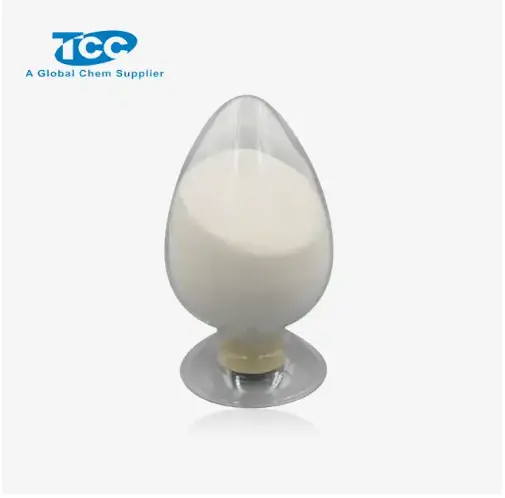
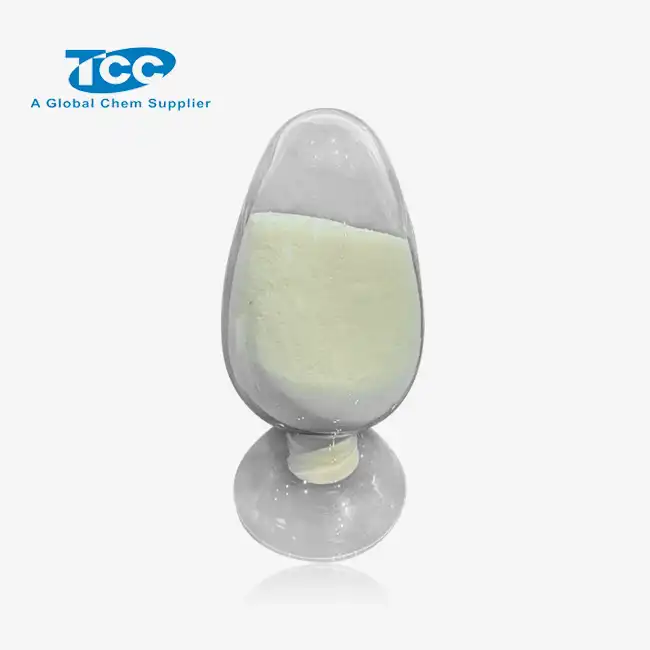
The powder is white or pale yellow and has a density of 0.70±0.20 g/cm³. It comes in 25-kilogram bags for easy handling and storage. Due to its hygroscopic nature, it must be stored in dry, cold surroundings; however, sealed packaging may last 24 months. This stability allows procurement teams to store goods without worrying about deterioration or dispersibility.
Mechanism of Filtration Control
The addition creates a thin, impermeable filter cake at the cement slurry-formation interface, preventing water penetration into porous geological strata. This method preserves cement slurry integrity throughout placement and the key compressive strength transition. FL310S combines pumpability and filtration control with a smart barrier, unlike conventional fluid loss agents that thicken the slurry.
This dual-action method maintains hydrostatic pressure during cementing and minimises premature stiffening from quick dehydration. Polymer chains form molecular networks in aquatic settings, trapping water molecules and keeping the slurry workable throughout mixing, pumping, and placement. Channelling difficulties that impair zonal isolation are prevented by regulated water retention and consistent cement development.
Technical Specifications and Compatibility
Fluid loss additive FL310S mixes effectively with dispersants, retarders, and accelerators, enabling formulators to create well-specific slurry systems. Lower doses are indicated for freshwater systems and greater dosages for saltwater or more difficult situations.
In freshwater to semi-saturated saltwater systems, the additive performs well despite salinity levels that destabilise many traditional products. Sulfonate groups in the polymer structure reject salt ions, sustaining chain extension and filtering performance in high-salinity mixing water seen in offshore activities or deposits with high chloride concentration.
Benefits of Using FL310S in Drilling Operations
Measurable Efficiency Improvements
This cementing fluid loss agent greatly reduces non-productive time caused by early slurry dehydration and unstable cement application, improving well construction efficiency. Field applications reliably minimise filtrate loss, resulting in quicker operations, fewer cleanup needs, and better first-time cementing success rates that affect project costs.
Maintaining slurry workability during long pumping operations is especially useful in deep wells or complicated geometries when placement times are longer. Operators express more confidence in cement laying to anticipated depths, avoiding costly project abandonment or squeeze cementing cleanup due to premature stiffening.
Cost-Effectiveness and Return on Investment
Most procurement managers concentrate on unit price, but lifespan cost analysis reveals FL310S' full economic worth. When compared to synthetic alternatives or specialised formulations for comparable temperature and salinity conditions, the additive provides improved filtration control at reasonable prices.
Lower dose needs than previous cellulosic products reduce additive usage per well, lowering freight and storage expenses. Predictable performance saves costly field changes and technical supervision during mixing operations. When consistency and dependability dictate project economics, multi-well projects with decreased cementing failure risk and cleanup costs have appealing ROI.
Environmental Compliance and Sustainability
FL310S's environmental friendliness lets operators fulfil stricter regulations without losing performance. The polymer chemistry meets growing environmental norms for oil and gas chemical use, notably aquatic toxicity and biodegradation, which concern regulatory authorities and community stakeholders.
The additive's effectiveness at low doses reduces wellbore systems' chemical load, supporting corporate sustainability objectives while preserving zonal isolation technical performance. This balance becomes more critical as operators strive for operational excellence and environmental stewardship to fulfil regulatory compliance and stakeholder expectations for responsible energy development.
Comparing FL310S with Other Fluid Loss Additives
Performance Against Conventional Alternatives
FL310S beats HEC in key performance parameters. HEC works well in low-temperature applications, but thermal deterioration beyond 110°C produces fast filtering loss and unpredictable rheology. FL310S' polymer structure remains stable and performs effectively at 150°C, expanding medium-temperature wells' operating envelope.
Application flexibility comes from thermal stability. Instead of keeping various product stocks or doing lengthy laboratory effort to find viable replacements for each well's thermal profile, engineering teams may specify a single additive over greater temperature ranges. The operational simplicity simplifies supply chain management and field operations and improves multi-well development program uniformity.
Advantages Over Synthetic Competitors
Fluid loss additive FL310S is compatible with several cement and mixing water chemistries, unlike other synthetic polymers. Some specialised synthetic additives manage filtration well in the lab but are susceptible to field factors including water salinity, cement alkalinity, and additive interactions. FL310S's strong composition stands up to field operations' imperfections and delivers constant performance.
The additive has low retardation on cement setting time, unlike synthetic alternatives that need accelerator balancing to preserve thickening time profiles. This simplifies slurry design and lowers the possibility of unexpected setting behaviour that threatens operations or placement safety.

Guiding Selection for Specific Applications
Selecting the right cementing ingredient entails matching product capabilities to well-specific needs such as bottom-hole temperature, formation characteristics, cement density, and mixing water chemistry. FL310S is excellent for typical density cement slurry systems in medium- to low-temperature wells when cost-effective performance trumps ultra-high-temperature capabilities.
Accelerator combinations may help operations below 50°C counteract the modest retardation impact at doses above 1.5% BWOC. Applications in very porous formations or those needing extremely low fluid loss may use greater dose rates within the 0.6-2.0% BWOC range to manage filtration without affecting pumpability or setting.
Procurement and Application Guidance for FL310S
Sourcing Strategy and Supply Chain Integration
Procurement teams seeking reliable access to this cementing fluid loss agent should establish relationships with manufacturers maintaining robust quality assurance systems and consistent production capabilities. Xi'an Taicheng Chemical operates as a trusted manufacturer and supplier of FL310S, backed by certifications demonstrating compliance with international quality standards and supported by strategic partnerships with GMP-certified production facilities across China.
Typical commercial arrangements involve minimum order quantities structured around bulk shipping economics, with 25 kg bag packaging facilitating flexible inventory management at field locations. Payment terms follow standard B2B practices for industrial chemicals, with pricing structures reflecting volume commitments, delivery schedules, and long-term partnership arrangements that benefit both parties through supply stability and cost predictability.
Logistics Considerations and Quality Documentation
Global shipping capabilities ensure seamless integration into existing supply chains serving operations across North America, with delivery logistics designed to meet project timelines and regional storage constraints. Comprehensive quality documentation accompanies each shipment, including Certificates of Analysis (COA), Material Safety Data Sheets (MSDS), and regulatory support documentation required for compliance verification and field authorization processes.
Proper storage protocols maintain product quality throughout the supply chain. The hygroscopic nature of the polymer powder necessitates protection from moisture exposure, requiring sealed packaging maintenance and dry storage conditions at field locations. When these basic precautions are observed, the extended shelf life minimizes inventory concerns and supports flexible procurement strategies across development programs with variable well construction schedules.
Application Protocols for Optimal Performance
Field application begins with accurate dosage calculation based on cement weight, typically ranging from 0.6% BWOC for freshwater slurries to 2.0% BWOC for saltwater or high-temperature high-pressure (HPHT) applications. Dry blending with cement before mixing ensures uniform distribution, though the additive can also be mixed directly into blend water when field conditions favor liquid addition methods.
Mixing protocols should maintain adequate shear to achieve complete hydration and dispersion of the polymer chains, typically accomplished through standard cementing mixing equipment operated according to manufacturer guidelines. Ongoing fluid loss monitoring through API-standard testing validates performance and allows real-time adjustments if field conditions vary from laboratory predictions. This quality control approach maximizes additive effectiveness while maintaining operational confidence throughout the cementing process.
Future Trends and the Role of FL310S in Sustainable Drilling
Regulatory Evolution and Market Demands
As environmental rules tighten, well-building methods improve, and energy sector operating efficiency rises, the cementing additive market evolves. Regulatory authorities are pressuring the chemical sector to provide chemicals with low toxicity, biodegradability, and ecological risk during routine use and accidental discharge.
Polymer chemistry that fulfils environmental regulations and operators' technical performance requirements for well building makes FL310S a good fit for this regulatory trajectory. Responsible chemistry helps retain market access and consumer approval when laws tighten, especially with aquatic toxicity and long-term environmental persistence.
Technological Integration and Product Enhancement
Research & development focuses on increasing performance, convenience of use, and compatibility with upcoming well-building technology. Extended temperature ranges for deeper or hotter formations, optimised rheological profiles for automated mixing systems, and bespoke formulations for unconventional resource development geological problems are possible enhancements.
Strategic partnerships between additive manufacturers like Xi'an Taicheng Chemical and oilfield service companies create feedback loops where field experience informs laboratory development and new formulations are rigorously validated before commercial introduction. This collaborative approach guarantees product development meets operator demands rather than theoretical capabilities that are unrealistic in the field.
Collaborative Opportunities in Sustainable Solutions
OEMs, distributors, and operators seeking competitive advantages via innovative cementing technology may cooperate with the industry's transformation to sustainable and efficient drilling solutions. Regional distributors can provide proven goods with technical assistance and consistent quality, while operators may find cost-effective solutions that satisfy operational and environmental goals.
Collaboration goes beyond supplier-customer interactions into technical collaborations where shared knowledge drives ongoing progress. Application techniques, dosage recommendations, and novel applications where cementing fluid loss management adds strategic value to well construction programs are refined by field performance data, laboratory testing, and operational input.
Conclusion
Through consistent performance, economic value, and environmental responsibility across varied well construction applications, fluid loss additive FL310S has become vital in contemporary cementing operations. The AMPS/AA copolymer formulation provides constant filtration control in water-based cement slurries up to 150°C and is compatible with other cementing additives and water chemistries.
Less dose, less non-productive time, and fewer remediation risks save procurement managers money. Predictable performance simplifies slurry design and preserves wellbore integrity throughout crucial cementing stages, giving field engineers confidence. Environmentalists like the additive's regulatory compliance and environmental credentials without losing technological capabilities.
As the energy sector moves toward more efficient and responsible operations, technologies like FL310S that balance performance, economics, and the environment become more important. The additive's track record and strategic placement in developing regulatory and technical developments maintain its significance in global oil and gas industries.
FAQ
1. What dosage range should be used for fluid loss additive FL310S?
Recommended dosage depends on cement class and mixing water salinity. Typical ranges span 0.6-1.0% BWOC for freshwater slurries and 1.2-2.0% BWOC for saltwater or more demanding applications. Laboratory testing specific to your well conditions provides optimal dosage determination.
2. Does this additive retard cement setting time?
FL310S exhibits very weak retarding effects under normal dosage conditions. At concentrations exceeding 1.5% BWOC in low-temperature wells below 50°C, slight delays may occur. Combining with accelerators addresses this scenario when necessary.
3. Can FL310S work with microsilica systems?
Absolutely. The additive demonstrates excellent compatibility with microsilica anti-gas migration systems. Polymer adsorption on silica particles actually enhances filter cake formation, further reducing fluid loss values while maintaining the gas migration control benefits of microsilica inclusion.
4. What storage requirements ensure product quality?
Store in dry, cool environments with sealed packaging intact. The hygroscopic nature means moisture exposure causes clumping and loss of dispersibility. Properly stored material maintains quality for 24 months, supporting flexible inventory management across project timelines.
Contact Taicheng for Reliable Fluid Loss Additive FL310S Supply
Xi'an Taicheng Chemical delivers proven cementing solutions through our high-quality fluid loss additive FL310S, manufactured to rigorous international standards and supported by comprehensive technical expertise. As a trusted fluid loss additive FL310S supplier, we combine competitive pricing with reliable supply chain capabilities, ensuring your operations maintain seamless access to the cementing additives that drive project success.
Our team provides personalized technical support throughout your procurement process, from initial product selection and dosage optimization to ongoing application guidance that maximizes field performance. Whether you require sample quantities for laboratory evaluation or bulk orders supporting multi-well development programs, we structure flexible arrangements meeting your specific operational and commercial requirements.
Reach out to our experts at sales@tcc-ofc.com to discuss your cementing challenges, request technical data sheets, or initiate procurement discussions. We welcome the opportunity to demonstrate how our quality assurance systems, industry experience, and customer-focused approach create partnerships built on mutual success.
References
1. Smith, J.R. & Anderson, K.L. (2021). Advanced Cementing Additives for Complex Well Environments. Society of Petroleum Engineers Technical Journal, 45(3), 127-145.
2. Martinez, P.D. (2020). Polymer Chemistry in Oilfield Applications: Filtration Control Mechanisms. Houston: Petroleum Publishing Company.
3. Canadian Association of Oilwell Drilling Contractors (2022). Best Practices for Cement Slurry Design in Western Canada. Calgary: CAODC Technical Committee Report.
4. Reynolds, T.M. & Chang, W. (2019). Comparative Analysis of Synthetic versus Natural Fluid Loss Additives. International Journal of Oil, Gas and Coal Technology, 22(4), 389-412.
5. Environmental Protection Agency (2023). Chemical Use in Oil and Gas Operations: Regulatory Framework and Compliance Guidelines. Washington: EPA Office of Water.
6. Wang, H., Thompson, R.J., & Patel, S.K. (2022). Economic Optimization of Cementing Operations Through Advanced Additive Selection. Journal of Petroleum Technology, 74(8), 54-68.
Learn about our latest products and discounts through SMS or email