- English
- French
- German
- Portuguese
- Spanish
- Russian
- Japanese
- Korean
- Arabic
- Greek
- German
- Turkish
- Italian
- Danish
- Romanian
- Indonesian
- Czech
- Afrikaans
- Swedish
- Polish
- Basque
- Catalan
- Esperanto
- Hindi
- Lao
- Albanian
- Amharic
- Armenian
- Azerbaijani
- Belarusian
- Bengali
- Bosnian
- Bulgarian
- Cebuano
- Chichewa
- Corsican
- Croatian
- Dutch
- Estonian
- Filipino
- Finnish
- Frisian
- Galician
- Georgian
- Gujarati
- Haitian
- Hausa
- Hawaiian
- Hebrew
- Hmong
- Hungarian
- Icelandic
- Igbo
- Javanese
- Kannada
- Kazakh
- Khmer
- Kurdish
- Kyrgyz
- Latin
- Latvian
- Lithuanian
- Luxembou..
- Macedonian
- Malagasy
- Malay
- Malayalam
- Maltese
- Maori
- Marathi
- Mongolian
- Burmese
- Nepali
- Norwegian
- Pashto
- Persian
- Punjabi
- Serbian
- Sesotho
- Sinhala
- Slovak
- Slovenian
- Somali
- Samoan
- Scots Gaelic
- Shona
- Sindhi
- Sundanese
- Swahili
- Tajik
- Tamil
- Telugu
- Thai
- Ukrainian
- Urdu
- Uzbek
- Vietnamese
- Welsh
- Xhosa
- Yiddish
- Yoruba
- Zulu
Fluid Loss Additive FL610S Performance in High-Pressure High-Temperature Conditions
Controlling fluid loss is crucial in ultra-deep wells and extreme geological formations where cementing occurs. Fluid loss additive FL610S is a polymer-based cementing ingredient that maintains slurry integrity under HPHT settings. Even at bottom-hole temperatures over 150°C, this AMPS/AA copolymer formulation generates an impenetrable filter cake on formation walls to avoid premature dehydration and optimise cement hydration. A proven cementing fluid loss agent affects zonal isolation, operational safety, and well integrity for upstream operators and oilfield service providers.

Understanding FL610S: Properties and Working Mechanism
Chemical Composition and Technical Specifications
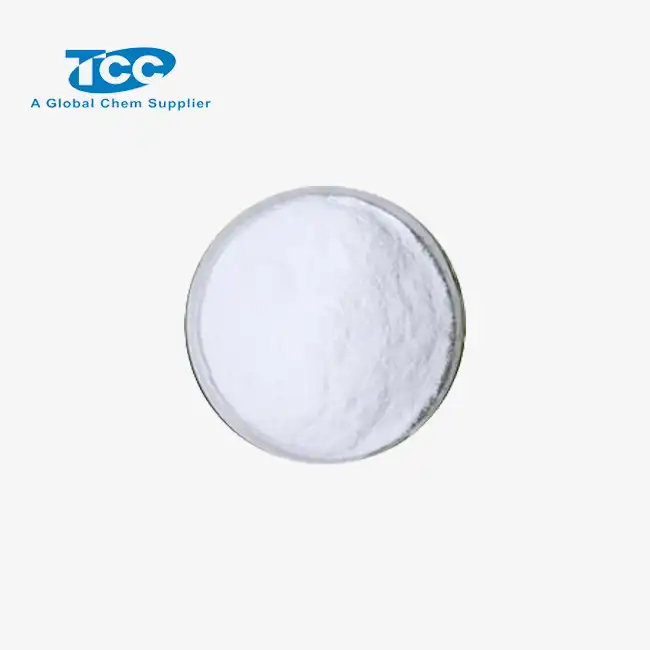
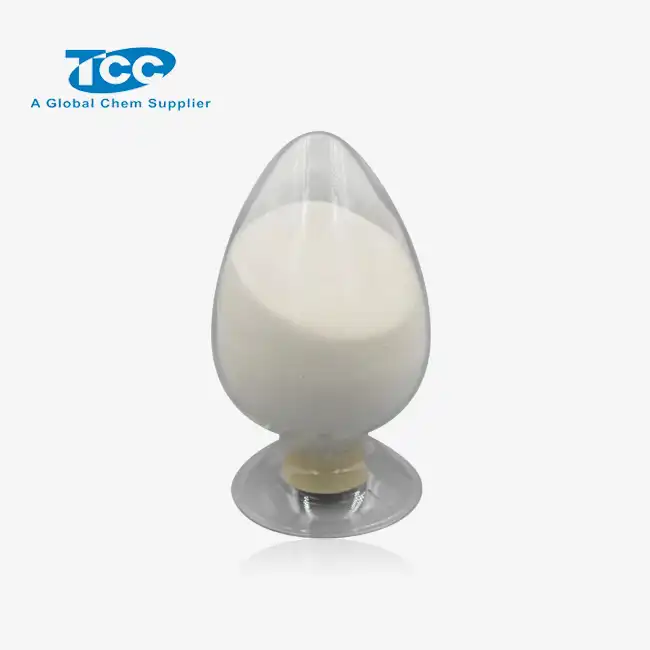
Acrylamide-AMPS copolymer chemistry underpins this cementing additive. FL610S is molecularly stable from 30°C to 180°C, unlike cellulose-based alternatives that decay quickly. This synthetic polymer is highly soluble in freshwater, seawater, and saturated brine systems, making it suitable for offshore rig and onshore operations with regional mix water fluctuations.
Each 25kg bag prevents caking over 24 months with uniform particle size distribution and moisture below 10%. Every batch of ISO 9000-certified Chinese-made products contains COA, TDS, and MSDS to meet worldwide regulatory compliance standards.
How Filtration Control Works in HPHT Environments
Hydrostatic pressure drives slurry water into porous structures during cement installation. FL610S polymers produce a thin, strong barrier layer on cement particles and the formation face. This mechanism minimises API fluid loss to below 50 mL per 30 minutes, sometimes sub-30 mL in optimised systems evaluated to API RP 10B-2 standards.
The additive's non-dispersing qualities sustain slurry rheology and pumpability across lengthy horizontal stretches and small annular gaps without viscosity accumulation. Controlled water retention ensures homogeneous cement column hydration, improving compressive strength during the crucial 12-24 hour curing window.
Compatibility and Dosage Optimization
This cementing fluid loss agent mixes well with silica flour, latex, retarders, and accelerators. Depending on downhole temperature and mix water salinity, dosage should be 0.6% to 2.0% by weight of cement (BWOC). High quantities work in saturated salt situations when electrolyte interference confronts additions.
Dry blending cement and other solids prevents "fish-eye" gel formation by fully hydrating polymers before mixing. When using liquid mixing techniques, pre-hydrating the additive in mix water before cement input optimises dispersion. Technical teams from Xi'an Taicheng Chemical offer dose methods tailored to local formations and drilling fluid systems.
Comparative Performance: FL610S vs Other Fluid Loss Additives
Thermal Stability and Efficiency Benchmarks
Above 120°C, traditional cellulose derivatives lose efficacy, requiring synthetic polymers or higher doses that complicate slurry design. FL610S reduces formulation complexity and additive expenses per barrel by maintaining filtration up to 180°C without chemical breakdown.
Similar to FL615, FL610S reduces fluid loss at 15-20% lower doses in high-salinity environments. The AMPS component's sulfonate groups improve salt tolerance and cement surface adsorption under high ionic strength conditions, boosting efficiency.
Economic Value and Operational Reliability
Bulk purchases of this polymer-type cementing ingredient, fluid loss additive FL610S, from recognised vendors like Taicheng provide bulk savings and 7-10 day loading rates for just-in-time inventories. Contractors managing different project sites with varied activity levels benefit from the 24-month shelf life, which reduces expired material waste.
When FL610S replaces previous additives, offshore cementing operations show 30% reductions in free fluid separation and near-zero gas migration. Lower remedial cementing rates minimise non-productive time (NPT), saving some operators over $200,000 per avoided squeezing work on deep water wells.

Real-World Application Outcomes
A North American shale operator used this synthetic polymer in their cement design for horizontal laterals of 10,000 feet. A post-job cement bond log indicated 95% zonal isolation against 78% with their prior additive program. Reduced fluid loss kept the slurry at a constant density and zero free water throughout the placement, minimising weak areas in long horizontal well heels.
Another ultra-HPHT exploration well in the Gulf of Mexico with circulating temperatures of 175°C used FL610S for primary cementing without high-temperature latex systems, saving $85,000 in material costs and achieving design compressive strength targets 18% faster than historical averages.
Procurement Guide: How to Source FL610S Efficiently
Identifying Certified Manufacturers and Supply Channels
Sourcing a reliable cementing fluid loss agent begins with verifying supplier credentials. Xi'an Taicheng Chemical holds ISO 9000 certification and maintains strategic partnerships with GMP-certified manufacturing facilities equipped with advanced polymerization technology. This network ensures batch-to-batch consistency and scalable production capacity to meet large-volume requirements from multinational operators and drilling contractors.
Direct engagement with manufacturers offers advantages over multi-tier distribution channels, including technical support access, customizable packaging options, and priority allocation during peak demand periods.
Ordering Options and Logistics Planning
Standard packaging in 25kg bags on pallets facilitates container loading and warehouse handling. For projects requiring hundreds of tons, coordinating shipment schedules with 7-10 day lead times prevents costly drilling delays. Multiple delivery methods accommodate global B2B logistics preferences—DHL and FedEx for sample shipments and urgent small volumes, sea freight for economical bulk orders, and air cargo for time-sensitive projects in remote locations.
Transparent pricing structures based on FOB China terms simplify cost comparisons and budgeting. Volume tiers typically unlock 5-12% discounts at 20-ton, 50-ton, and 100-ton thresholds, making long-term supply agreements financially attractive. Sample availability enables laboratory pre-qualification testing before committing to full-scale purchases, reducing procurement risk when transitioning from incumbent suppliers.
Post-Purchase Support and Quality Assurance
Comprehensive documentation accompanies every shipment—COA with API fluid loss test results, TDS detailing dissolution procedures and compatibility guidelines, and MSDS for safe handling protocols. Technical support extends beyond delivery, with Taicheng engineers offering on-site consultations to optimize mixing procedures and troubleshoot unexpected slurry behavior.
Warranty policies cover material defects and performance deviations from specified parameters, backed by responsive customer service channels. Establishing partnerships with suppliers demonstrating this level of commitment mitigates operational disruptions and supports continuous improvement initiatives across cementing programs.
Application Best Practices for Maximizing FL610S Performance
Preparation and Mixing Protocols
Mixing sequences are crucial for polymer-type cementing additive efficacy. Localised polymer concentration produces viscosity spikes, whereas dry mixing guarantees uniform dispersion before water contact. Mixing equipment should give enough shear energy to thoroughly hydrate polymers in 10-15 minutes; however, high-speed mixers may damage polymer chains and impair efficacy.
Water quality greatly affects slurry. Chelating agents may be needed to prevent polymer adsorption in hard water with calcium or magnesium ions. Due to its sulfonate activity, this AMPS copolymer may withstand mild hardness better than carboxylate-based alternatives.
Dosage Adjustment Strategies Across Well Conditions
To achieve goal fluid loss rates, shallow wells with bottom-hole static temperatures below 90°C need Fluid loss additive FL610S 0.6-0.8% BWOC. Ultra-HPHT applications over 150°C may need 1.5-2.0% BWOC and silica flour to minimise strength retrogression. Intermediate-depth wells (90-150°C) function best at 1.0-1.5% BWOC.
Formation permeability controls dose refinement. Tight shales regulate filtration at lower dosages than highly permeable sandstones and fractured carbonates, which need greater concentrations to make thick filter cakes. Before field deployment, laboratory testing replicating downhole circumstances offers the most accurate dose recommendations.
Compatibility Considerations and Troubleshooting
Complex slurries including extenders, weighting agents, or specialised additives need compatibility assessment to avoid expensive failures. Synergistic effects reduce dose needs for latex gas migration control systems using this synthetic polymer.
Extreme fluid loss additive concentrations may cause retarder function to fail and accelerate thickening time. If early testing shows this interaction, increasing retarder dose by 10-15% generally recovers design pumpability windows. In contrast, free fluid concerns may suggest inadequate mixing time or polymer under-dosage compared to mix water volume.
Monitoring and In-Field Adjustments
Real-time slurry property monitoring during batch mixing enables quick modifications before pumping. Marsh funnel viscosity, portable API cell fluid loss tests, and thickening time measures indicate formulation variations. Modern cementing machines with automatic blending systems may dynamically change additive injection rates depending on density feedback, but quality assurance requires operator inspection.
After-job cement bond records, temperature surveys, and pressure integrity tests verify FL610S performance to design goals. Documenting results generates an experience record that improves future well designs and boosts trust in this cementing technique across operating situations.
Future Trends and Innovations in Fluid Loss Additives
Advancing Thermal Resilience for Frontier Wells
Advanced polymer chemistries are needed for ultra-deep reservoir exploration at bottom temperatures of 230°C. Research focuses on crosslinked copolymer topologies and thermally stable monomers that enhance useful temperature ranges without losing rheology. FL610S formulations work well for most HPHT applications, while continual research prepares for severe frontier conditions.
Another approach is developing hybrid organic-inorganic additives using nanoparticles. These technologies attempt to minimise doses and improve filter cake impermeability, reducing material costs and easing remote drilling logistics.
Sustainability and Environmental Compliance
Regulatory and corporate environmental responsibilities drive greener oilfield chemical formulations. Synthetic polymers may lower their carbon footprint using bio-based monomers from renewable feedstocks. This cementing fluid loss agent already fulfils current environmental criteria throughout key operating locations, and Xi'an Taicheng's R&D plan involves studying bio-sourced components that maintain performance benchmarks while boosting sustainability characteristics.
Biodegradability and ecotoxicity tests increasingly impact product selection, especially for environmentally sensitive offshore activities. End-of-life environmental compatibility and operational performance will likely be prioritised in future product lines to meet global energy transition targets.
Digital Integration and Predictive Optimization
Machine learning algorithms analyse past cementing data to estimate fluid loss additive performance based on formation factors, well shape, and slurry composition. These technologies let engineers optimise doses more precisely than rules-of-thumb methods, reducing material waste and improving zonal isolation dependability.
IoT sensors following slurry parameters from mixing to placement produce real-time feedback loops that might automate additive injection modifications. As digital oilfield technologies improve, cementing additives like FL610S will integrate into well construction optimisation systems, improving drilling program efficiency.
Understanding these patterns helps procurement and engineering teams future-proof cementing plans. Partnering with suppliers that specialise in both product and innovation gives access to cutting-edge solutions as industry needs change.
Conclusion
HPHT wells need cementing additives proven under harsh downhole conditions for zonal isolation. For initial cementing in difficult geological conditions, Fluid loss additive FL610S provides temperature stability, salt tolerance, and filtration control. Upstream operators and service contractors prioritise technical and economic benefits, including its AMPS/AA copolymer chemistry and field-validated NPT and remedial cost reduction. Effective procurement from qualified manufacturers, application best practices, and industry trends improve cementing results and well integrity.
FAQ
1. What temperature range does this cementing additive effectively cover?
The formulation maintains consistent filtration control and rheological stability from 30°C up to 180°C circulating temperature, encompassing the vast majority of commercial drilling environments. Ultra-HPHT wells approaching 200°C may require specialized formulations or supplemental additives, though standard FL610S serves most deep and ultra-deep applications without modification.
2. How does salinity affect recommended dosages?
Freshwater systems typically require 0.6-1.2% BWOC, while seawater increases dosage to 1.0-1.5% BWOC due to ionic strength effects. Saturated brine environments may demand 1.5-2.0% BWOC to overcome electrolyte interference and achieve target fluid loss rates. Laboratory testing with actual mix water samples provides precise dosage recommendations for specific projects.
3. Can samples be obtained before large-volume purchases?
Yes, sample quantities are available for laboratory qualification testing. Procurement teams commonly request 2- 5 kg samples to conduct API fluid loss tests, thickening time evaluations, and compatibility assessments with other planned slurry components. This qualification process mitigates risk when transitioning to new suppliers or optimizing existing cement designs.
Partner with Taicheng for Superior Cementing Solutions
Xi'an Taicheng Chemical has established itself as a trusted fluid loss additive FL610S supplier through unwavering commitment to quality, technical expertise, and customer-centric service. Our ISO 9000-certified manufacturing partnerships deliver batch consistency and scalable production capacity meeting the demands of global upstream operations. With competitive pricing, comprehensive documentation (COA, TDS, MSDS), and 7-10 day delivery timelines, we support your cementing programs with reliability and responsiveness. Reach our technical team at sales@tcc-ofc.com to discuss your specific HPHT challenges, request performance data, or arrange sample shipments. Let us demonstrate how this advanced cementing fluid loss agent optimizes your well construction outcomes.
References
1. American Petroleum Institute. Recommended Practice for Testing Well Cements (API RP 10B-2). Washington, DC: API Publishing Services, 2013.
2. Nelson, E.B., and Guillot, D. Well Cementing, 2nd Edition. Sugar Land, TX: Schlumberger Educational Services, 2006.
3. Shahriar, A., and Nehdi, M.L. "Optimization of Rheological Properties of Oil Well Cement Slurries Using Experimental Design." Journal of Materials in Civil Engineering 24, no. 9 (2012): 1180-1190.
4. Brenneis, D.C., and Root, R.L. "Development of Improved Cement Systems for High-Temperature Applications." SPE Drilling & Completion 18, no. 3 (2003): 211-217.
5. Plank, J., and Sachsenhauser, B. "Experimental Determination of the Effective Anionic Charge Density of Polycarboxylate Superplasticizers in Cement Pore Solution." Cement and Concrete Research 39, no. 1 (2009): 1-5.
6. Michaux, M., and Oberste-Padtberg, R. "New Polymer Chemistry for Fluid Loss Additives in Oil Well Cementing." SPE International Symposium on Oilfield Chemistry, Houston, TX, 2001.
_1741769350436.webp)
Learn about our latest products and discounts through SMS or email