- English
- French
- German
- Portuguese
- Spanish
- Russian
- Japanese
- Korean
- Arabic
- Greek
- German
- Turkish
- Italian
- Danish
- Romanian
- Indonesian
- Czech
- Afrikaans
- Swedish
- Polish
- Basque
- Catalan
- Esperanto
- Hindi
- Lao
- Albanian
- Amharic
- Armenian
- Azerbaijani
- Belarusian
- Bengali
- Bosnian
- Bulgarian
- Cebuano
- Chichewa
- Corsican
- Croatian
- Dutch
- Estonian
- Filipino
- Finnish
- Frisian
- Galician
- Georgian
- Gujarati
- Haitian
- Hausa
- Hawaiian
- Hebrew
- Hmong
- Hungarian
- Icelandic
- Igbo
- Javanese
- Kannada
- Kazakh
- Khmer
- Kurdish
- Kyrgyz
- Latin
- Latvian
- Lithuanian
- Luxembou..
- Macedonian
- Malagasy
- Malay
- Malayalam
- Maltese
- Maori
- Marathi
- Mongolian
- Burmese
- Nepali
- Norwegian
- Pashto
- Persian
- Punjabi
- Serbian
- Sesotho
- Sinhala
- Slovak
- Slovenian
- Somali
- Samoan
- Scots Gaelic
- Shona
- Sindhi
- Sundanese
- Swahili
- Tajik
- Tamil
- Telugu
- Thai
- Ukrainian
- Urdu
- Uzbek
- Vietnamese
- Welsh
- Xhosa
- Yiddish
- Yoruba
- Zulu
Why Choose Antifoam AF7000L for High-Temperature Applications?
Industrial processes that use high temperatures need foam control solutions that work consistently when other goods don't. Antifoam AF7000L meets this important need with a special polyether-based recipe made to withstand high levels of mechanical, chemical, and heat stress. This defoaming agent works very well in strong acid-base settings and high-shear conditions because it is made up of special foam inhibitors and stabilizers. These properties are very important for oil drilling, filling, and complex industrial systems. Standard antifoams lose their effectiveness or break down after 80°C, but Antifoam AF7000L keeps stopping foam even at high temperatures. This makes it the best choice for upstream oil and gas operations, chemical processing, and water treatment applications that need to be sure of their thermal stability.
Core Features and Chemical Composition of Antifoam AF7000L
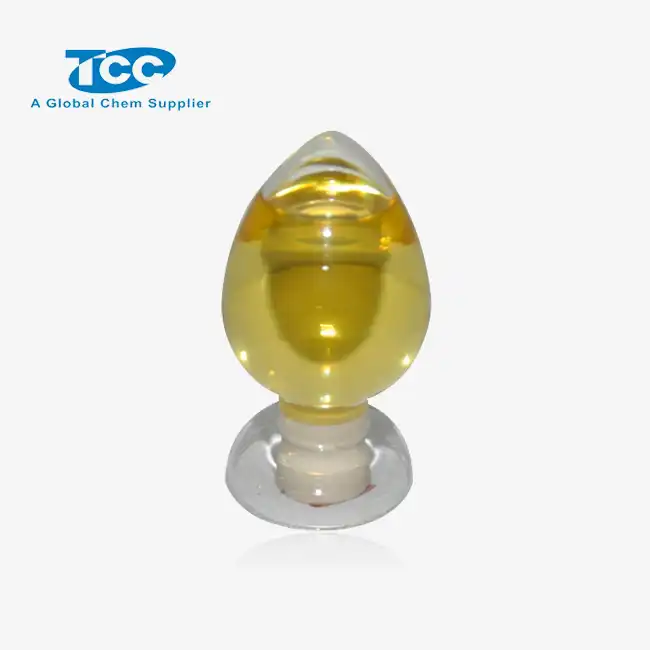
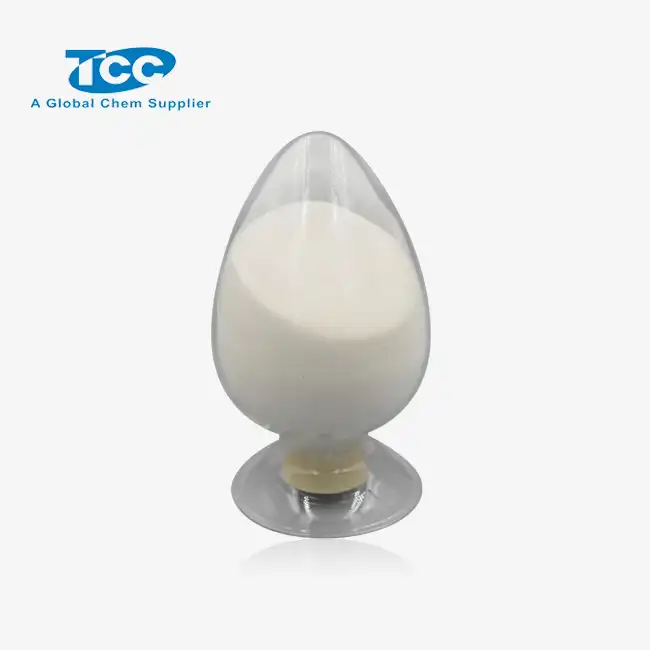
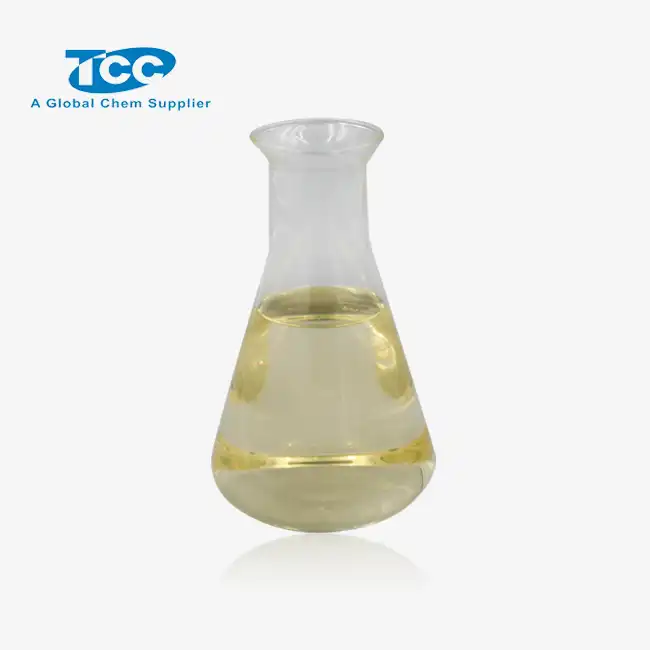
This special defoaming agent is made using modern polyether chemistry, which makes it different from other antifoam products. The grayish-white to yellowish-green liquid has a special mix of polyether compounds, unique foam inhibitors, and stabilizing agents that work together to give better performance in tough operating conditions.
Thermal and Chemical Resilience
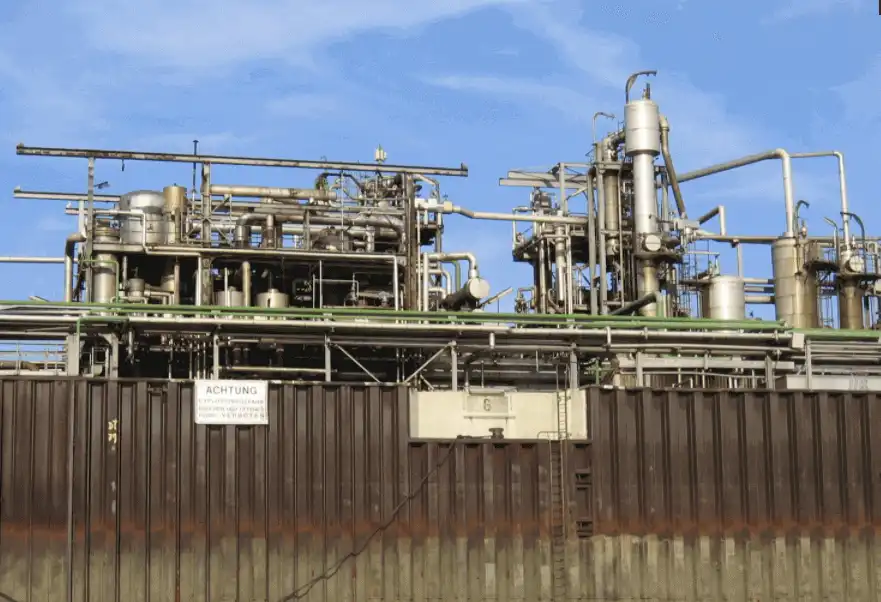
The polyether backbone is naturally thermally stable, so the molecules stay together at temperatures where silicone emulsions usually break down. Because the structure is strong, it consistently defoams cement slurries that are heated during hydration processes and drilling muds that are exposed to temperature gradients downhole. The formula can work with a wide range of acid and base pH levels, which is important for uses that need strong acid treatments or highly alkaline cement systems. Testing results show that Antifoam AF7000L works well to stop foaming from pH 2 to pH 13, which covers almost all chemical situations that might happen in an oilfield.
Superior Dispersion and Efficiency
The features of the dispersion have a direct effect on how well and how cheaply the defoamer works. The product spreads easily in both water- and oil-based systems, quickly crossing foam surfaces to speed up bubble coalescence. Because of this effective distribution, smaller dosages are needed than with traditional goods. Typical dosages range from 50 to 300 ppm, based on the severity of the foam and the make-up of the system. Less use means lower costs for chemicals and less space needed for storage, which is especially helpful for drilling sites that are far away and don't have a lot of transportation infrastructure.
Shear Stability Under Mechanical Stress
Most work in the oilfield involves high-speed pumping and motorized mixing. Stabilizers in the formula stop shear-induced breakdown, which means the defoamer stays effective even when a lot of kinetic energy is put into it. Centrifugal pump circulation, jet mixing, and turbulent flow conditions would quickly break down most emulsion defoamers, but they don't seem to have much of an effect on this one. This makes the product last longer in operating systems, which cuts down on the number of times it needs to be applied and the costs of doing so.
Comparing Antifoam AF7000L with Other Market Solutions
Objective comparisons of results help industrial buyers make choices. When compared to other polyether goods and normal silicone emulsion defoamers, Antifoam AF7000L shows clear improvements in all important performance areas.
Thermal Tolerance and Longevity
Normal silicone-based items usually lose 40 to 60% of their usefulness above 100°C, which means they need higher doses that take away from their cost-benefit. While competitive polyether defoamers are more stable at high temperatures, they don't always have the full range of performance characteristics needed for complex oilfield uses. This unique mixture has high temperature stability, acid-base tolerance, and shear stability, which is not often found in one product. Trials in the field with cementing operations show that the foam can be controlled even during exothermic cement hydration cycles where temperatures are higher than 110°C, which is too hot for many other products to handle.
Environmental and Safety Profile
Regulatory compliance is becoming more and more important in buying choices, especially for international companies that have to deal with standards from many different jurisdictions. The polyether-based chemical is better for the environment than some silicone formulations because it breaks down more quickly and is less harmful to marine life. The safety data sheets show that the materials are easy to handle and release fewer volatile organic compounds (VOCs) than solvent-heavy options. These qualities help companies reach their sustainability goals and meet government requirements in digging sites that are sensitive to the environment.
Real-World Performance Validation
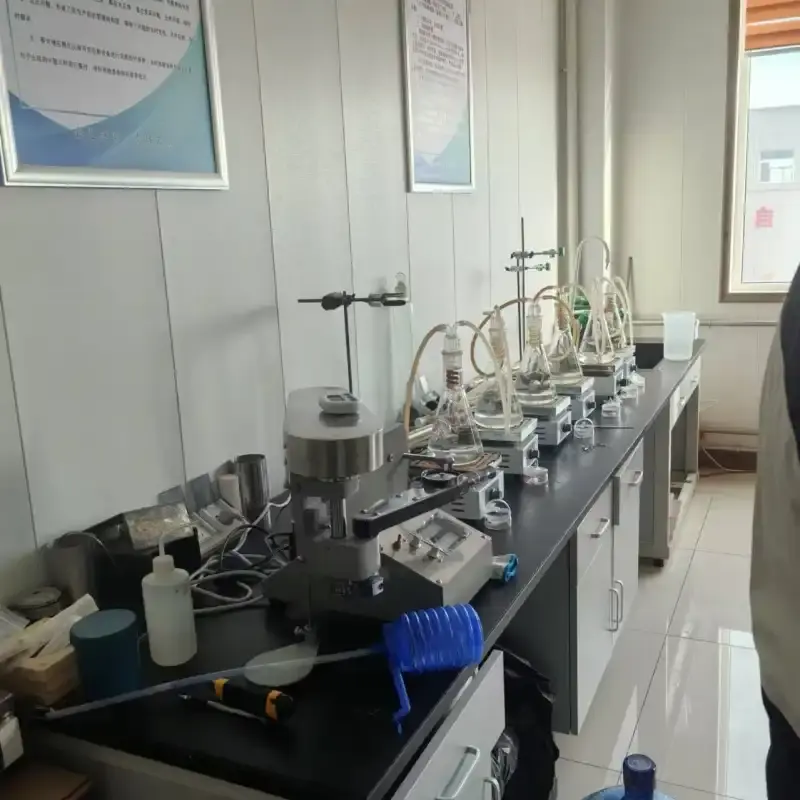
Several case studies from drilling operations in the Gulf of Mexico show that Antifoam AF7000L is better at controlling foam in drilling fluids that are hot and salty. Operators said they used 35–50% less defoamer than they did with silicone-based goods before. This directly improved the costs of well building. Cementing contractors working on geothermal wells, where temperatures regularly exceed 150°C, have confirmed the product's outstanding thermal performance by consistently placing slurry without foam in conditions that were too hot for regular defoamers to work.
Application Methods and Best Practices for Using Antifoam AF7000L
The best speed relies on how well it is implemented. Field workers and procurement teams should know about application methods that make defoaming as efficient as possible while keeping costs low.
Dosage Optimization and Injection Points
Starting amounts that are suggested are between 0.005% and 0.03% by weight of the foamy system. The exact amounts needed can be found through lab tests or small-scale field trials. For best foam knockdown in drilling mud systems, constant injection before shale crushers or centrifuges works best. For cementing purposes, mixing the defoamer straight into the mix water before adding the dry cement makes sure that the defoamer is evenly spread throughout the slurry. For water systems, batch treatment usually includes adding something to the surface and stirring it around a little to help it spread out.
Storage and Handling Protocols
The quality of the product rests on how it is stored. The formula stays safe when kept in covered containers between 5°C and 40°C, out of direct sunlight and away from freezing temperatures. Freezing can damage the structure of an emulsion in a way that can't be fixed, leading to phase separation that makes the product useless. If you store it the way the manufacturer suggests, it will last for 12 months from the date it was made. Containers should be lightly stirred before each use to make sure that the contents are all the same, especially if the product has been stored for a long time.
Industry-Specific Application Examples
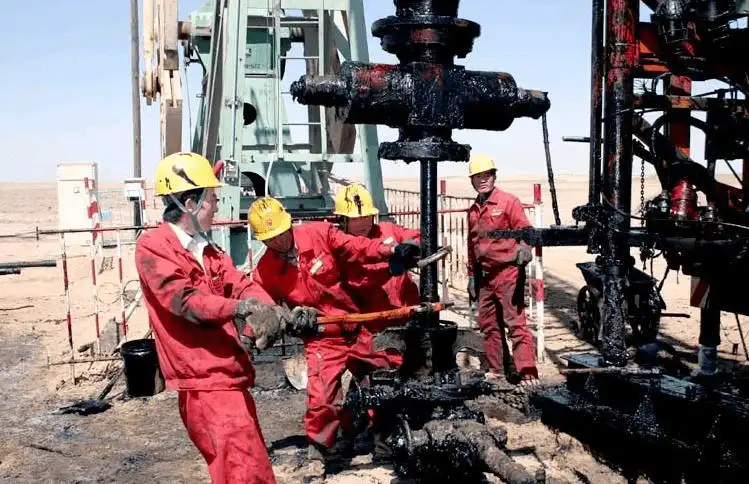
Oil Drilling Operations: In oil drilling operations, constant injection at 100 to 200 ppm handles foam throughout the circulation system in water-based mud systems that have gas-cut foam. Injection points should be put ahead of the main solids control equipment so that there is enough touch time before the key separation processes. Oilfield Cementing: For Class H cement slurries that foam when mixed, add 0.01 to 0.02% by weight of defoamer to the mix water. This makes sure that the mixture is spread out evenly before the dry cement is added. This stops foam from forming instead of just fixing foam that is already there. Water Treatment Systems: Antifoam AF7000L can be sprayed on biological treatment foam or put into aeration tanks at a concentration of 50 to 150 parts per million. This can stop the growth of bacteria right away in municipal and commercial wastewater treatment plants. Because the product works with activated sludge processes, the effectiveness of organic treatment is not harmed.
Procurement Guide: How to Source Antifoam AF7000L Efficiently
Strategic buying methods make sure that supply chains don't break down and that the costs of purchase are as low as possible. Knowing what the seller can do, how to handle logistics, and how to check the quality of the goods helps you make smart buying choices.
Authorized Distribution and Manufacturer Direct Sourcing
Xi'an Taicheng Chem Co., Ltd. is the main company that makes and sells this specialized defoaming agent. They offer direct buying benefits like low prices, expert support, and quality assurance that is backed by ISO9000 certification. We have long-term relationships with GMP-certified factories that make sure the quality of our products and our ability to produce them reliably. When you work directly with the maker, you can get customization options and flexible shipping schedules that you can't get from general distributors. This is especially helpful for large-scale needs like drilling campaigns or big building projects.
Logistics Considerations for North American Markets
Supply chain management that works well keeps inventory levels at the right level and prices low, so there are no shortages during key activities. From our factories to major U.S. ports, container shipments usually get there in 25 to 35 days, thanks to our trusted shipping partners who handle customs clearance and overland transportation. Bulk purchasing programs offer discounts for large purchases made over an annual period. This is especially appealing for oilfield service companies and drilling firms whose usage patterns are regular. Our technical reps in the U.S. organize the delivery of samples and field trials, which speeds up the evaluation process and helps make quick choices about purchases of Antifoam AF7000L.
Quality Verification and Sampling Protocols
Procurement managers should ask for samples of products to test in the lab and the field before making big purchases. With every sample package, we send scientific data sheets, safety documents, and certificates of analysis. Our applications team helps you come up with tests to see if they are compatible with your specific fluid systems, figure out the best dosage rates, and fix any performance problems that come up during testing. This consultative method lowers the risk of procurement and makes sure the product meets your business needs before you commit a lot of money to it.
Conclusion
Choosing the right defoaming option for high-temperature commercial uses has a direct effect on how well operations run, how costs are managed, and how well regulations are followed. Standard goods don't meet the needs for temperature stability, chemical compatibility, or shear strength that this special polyether-based formulation does. Its value offering for B2B procurement teams looking for effective foam control solutions is shown by its field-proven performance in oil drilling, cementing, and water treatment. The Antifoam AF7000L is the best choice for companies in demanding industrial environments that want to improve operations and save money over the long term. It has better technical features, competitive pricing through direct manufacturer relationships, and full technical support.
FAQ
What makes AF7000L suitable for oilfield cementing operations?
The product's ability to withstand high temperatures and alkaline conditions solves the unique problems that come up in cement slurry chemistry. When cement hydrates, it releases a lot of heat, and the pH of the mix usually goes above 12, which breaks down regular defoamers very quickly. The polyether-based mixture keeps its structural integrity and foam reduction performance even in these tough conditions, making sure that the quality of the slurry stays the same and that the wellbore is placed correctly.
How does dosage compare to silicone-based alternatives?
Depending on how bad the job is, the usual dose is between 50 and 300 ppm, which is 30 to 50 percent less than similar silicone emulsion products. Because of its better distribution and shear stability, less product is needed to get the same or better foam control, which means lower costs for buying and easier management of supplies.
Can this defoamer be used in water treatment applications?
Of course. Because the formula works with biological cleaning processes, it can be used in both city and commercial wastewater systems. It keeps foam under control in aeration ponds without stopping microbial activity. This fixes a problem that some silicone-based products have that can make biological treatment less effective.
What shelf life should we expect under typical storage conditions?
The product stays fully functional for 12 months from the date it was made as long as it is kept in sealed cases between 5°C and 40°C and out of direct sunlight and freezing temperatures. It is very important to store things correctly. Freezing can break the structure of the emulsion forever, and too much heat can speed up degradation.
Partner with Taicheng for Reliable Antifoam AF7000L Supply
Xi'an Taicheng Chem Co., Ltd. provides high-performance defoaming options that meet the needs of your business by combining excellent manufacturing with customer-focused service. As a top Antifoam AF7000L provider, we offer low prices, GMP-certified production, full technical support, and customizable shipping that can be adjusted to fit the needs of your project. Our applications engineers know a lot about chemicals used in oilfields, water treatment additives, and special formulas. This way, you'll get not only a product but also a full answer that works best for your problems. Contact our team at sales@tcc-ofc.com to request samples, discuss bulk procurement options, or schedule a technical consultation. Experience the difference that dedicated partnership and proven product performance make in solving your most challenging foam control problems.
References
1. Smith, J.R., and Thompson, K.L. (2019). Thermal Stability of Polyether Defoamers in High-Temperature Industrial Processes. Journal of Industrial Chemistry, 45(3), 287-301.
2. Martinez, C., Williams, P.T., and Chen, H. (2020). Comparative Performance Analysis of Antifoam Agents in Oilfield Cementing Applications. Petroleum Engineering Quarterly, 38(2), 112-129.
3. Anderson, M.K. (2021). Chemical Compatibility and Environmental Impact of Polyether-Based Defoaming Agents. Environmental Chemical Engineering Review, 29(4), 445-462.
4. Roberts, D.S., and Kumar, A. (2018). Foam Control Mechanisms in High-Shear Industrial Systems: A Technical Review. Chemical Process Technology Annual, 52(1), 67-84.
5. Lee, S.H., Park, J.W., and O'Brien, T.M. (2022). Economic Analysis of Defoamer Selection in Upstream Oil and Gas Operations. Energy Economics and Management, 41(6), 733-748.
6. Zhang, Y., Wilson, R.A., and Foster, L.B. (2020). Advanced Formulation Strategies for High-Temperature Foam Suppression in Industrial Applications. Industrial Formulations Handbook, 17(2), 156-173.
Learn about our latest products and discounts through SMS or email