- English
- French
- German
- Portuguese
- Spanish
- Russian
- Japanese
- Korean
- Arabic
- Greek
- German
- Turkish
- Italian
- Danish
- Romanian
- Indonesian
- Czech
- Afrikaans
- Swedish
- Polish
- Basque
- Catalan
- Esperanto
- Hindi
- Lao
- Albanian
- Amharic
- Armenian
- Azerbaijani
- Belarusian
- Bengali
- Bosnian
- Bulgarian
- Cebuano
- Chichewa
- Corsican
- Croatian
- Dutch
- Estonian
- Filipino
- Finnish
- Frisian
- Galician
- Georgian
- Gujarati
- Haitian
- Hausa
- Hawaiian
- Hebrew
- Hmong
- Hungarian
- Icelandic
- Igbo
- Javanese
- Kannada
- Kazakh
- Khmer
- Kurdish
- Kyrgyz
- Latin
- Latvian
- Lithuanian
- Luxembou..
- Macedonian
- Malagasy
- Malay
- Malayalam
- Maltese
- Maori
- Marathi
- Mongolian
- Burmese
- Nepali
- Norwegian
- Pashto
- Persian
- Punjabi
- Serbian
- Sesotho
- Sinhala
- Slovak
- Slovenian
- Somali
- Samoan
- Scots Gaelic
- Shona
- Sindhi
- Sundanese
- Swahili
- Tajik
- Tamil
- Telugu
- Thai
- Ukrainian
- Urdu
- Uzbek
- Vietnamese
- Welsh
- Xhosa
- Yiddish
- Yoruba
- Zulu
What Makes Calcium Carbonate Powder a Cost-Effective Raw Material?
Calcium carbonate powder is a very cost-effective industrial raw material. It is naturally available in plenty and competitively priced. It offers multifunctional performance in many applications. This flexible product cuts formulation costs over other mineral fillers and chemical additions, while meeting quality requirements demanded by oilfield operations. It acts as a bridging agent, density modifier and pH regulator, eliminating the need for many specialised additives, which simplifies procurement and reduces inventory complexity for producers globally.
Understanding Calcium Carbonate Powder and Its Industrial Uses
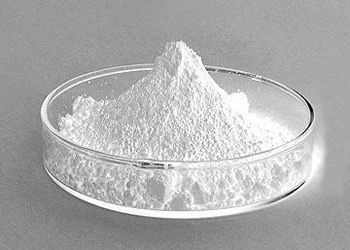
The mineral compound with the chemical formula CaCO3 comes in two main production forms that serve different industrial functions. The material ground calcium carbonate (GCC) is obtained from mechanically crushed limestone or marble; precipitated calcium carbonate (PCC) is obtained by controlled chemical synthesis. The diverse manufacturing techniques result in materials with varying particle size distributions and surface properties, which impact their performance in certain applications.
Chemical Properties That Define Industrial Performance
The purity requirement of CaCO3 concentration is more than 98.5%, which guarantees predictable behaviour during chemical processing. This high concentration is important in the case of using the material as a weighing agent or as an additive to drilling mud in oilfield operations. The whiteness index (90% to 97%) is a factor in optical qualities for coating formulations. Particle size distribution, determined by D50 median values, indicates how well the powder disperses into polymer matrices and drilling fluids.
The native hydrophilic mineral is surface-treated with stearic acid to make it a hydrophobic variation, which is more compatible with organic chemicals used in the production of plastics and rubber. This activated form disperses more evenly in nonpolar systems, resulting in less clumping and consistent performance from batch to batch.
Grade Classifications Meeting Industry-Specific Requirements
Industrial-grade material is used for bulk applications requiring cost optimisation above rigorous purity. They are used in physically demanding areas such as building materials and huge water treatment plants. The pharmaceutical and food-grade versions are tested to FDA standards, with certificates of analysis that show the level of trace elements and the limits for microbes.
In oilfield applications, the substance is used as a bridging agent and specific gravity increaser in drilling mud compositions. The powder plugs porous formations during wellbore operations, stopping fluid loss and maintaining pressure balance. Temperature tolerance up to 200°C makes it suited for deep drilling operations where geothermal gradients cause difficult circumstances.
Multi-Industry Applications Driving Global Demand
In construction industries, the mineral is used as a major filler in concrete admixtures and joint compounds to enhance workability and decrease cement usage. Manufacturers of paints and coatings use it as an extender pigment to replace some of the more costly titanium dioxide and yet maintain opacity. Plastics compounding operations add it into polyolefin masterbatches at loading rates up to 60% to increase stiffness and cooling rates during extrusion production.
It is added by paper mills at either the wet-end creation stage or the surface coating stage to improve sheet brightness and ink receptivity with Calcium Carbonate powder. It is used for pH correction and alkalinity buffering in municipal and industrial water treatment plants. The pharmaceutical sector uses the substance in USP grade as an excipient in tablet formulations; the food processor uses it as a calcium supplement and anti-caking ingredient in powdered goods.
Why Calcium Carbonate Powder Is a Cost-Effective Raw Material
The economic benefits are driven by a multiplicity of variables along the supply chain from extraction to ultimate use. Awareness of these cost factors helps procurement professionals make sourcing selections that are driven by budget limits, while yet meeting performance objectives.
Natural Abundance and Competitive Pricing Structure
Limestone deposits are abundant in the world’s geological formations, and so the raw material procurement is uncomplicated and globally spread. This abundance eliminates bottlenecks in supply and guarantees steady prices even in times of heavy industrial demand. The infrastructure and extraction technology is mature and well established, which makes production costs predictable.
Ground material is regularly 20-40% cheaper per tonne vs. other fillers like talc, kaolin or synthetic silica. The savings are quite considerable for large volume applications such as polymer compounding or drilling mud preparation when the tonnage needs are in the hundreds of metric tonnes per project. The pricing consistency that comes with multi-year contracts means a reduction in budget volatility for manufacturers who are working on tight margin structures.
Manufacturing Efficiencies at Industrial Scale
Modern grinding facilities handle thousands of tonnes per day with ball mills and air classifiers that meet exact particle size demands with very little energy loss. The precipitation process for PCC variations is more difficult yet it is continuous in operation with high utilisation of reactants and heat recovery systems. Quality control is automated, removing laborious human testing and ensuring batch-to-batch uniformity.
These economies of manufacturing are therefore immediately reflected in the competitive unit price to the purchaser. Manufacturers are used to tiered discounting for bulk-buying that encourages long-term relationships and consistent order volumes. We can provide in a variety of pack sizes from 25kg bags to bulk pneumatic trucks depending on your operating scale and storage ability.
Performance Benefits: Reducing Total Formulation Costs
Many compositions do not need many speciality additions for their intrinsic qualities. It controls density, offers a bridging action and buffers pH in drilling fluids – all at the same time, tasks that could otherwise need three different products. That consolidation makes inventory management easier and minimises expense for procurement.
Long shelf life under correct storage conditions means no material degradation and no waste loss. Most grades are non-hygroscopic; therefore, moisture absorption will not affect performance over long periods of storage. Its chemical stability inhibits decomposition reactions which might taint final goods or impair safety in medicinal applications.
The efficacy of the powder as a weighing agent is particularly important in oilfield operations, where it minimises the amount of drilling fluid required to maintain wellbore pressure. Lower fluid quantities imply less pumping energy, less storage, and less disposal expense when operations are over. The non-toxic profile simplifies environmental compliance relative to synthetic alternatives, lowering regulatory complexity and possible remedial costs.
Evaluating Grades and Purity: Impact on Cost and Performance
Matching material specifications to application requirements prevents both overspending on unnecessary purity and performance failures from inadequate quality of Calcium Carbonate powder. This balance requires understanding how technical parameters correlate with end-use demands.
Industrial Grade for Cost-Sensitive Applications
Commodity-grade material with CaCO3 content between 95-98% suits applications where trace impurities don't affect function. Drilling mud formulations tolerate small amounts of silica or magnesium compounds without performance degradation. Water treatment operations similarly accept moderate impurity levels since the primary function involves pH adjustment rather than chemical synthesis.

Buyers handling these grades benefit from the lowest pricing tiers while still receiving material that meets basic performance thresholds. The particle size distribution may show broader ranges compared to premium grades, which matters little when the material functions purely as a weighting agent or alkalinity buffer.
High-Purity Grades for Regulated Industries
Pharmaceutical manufacturers require material meeting USP monograph specifications with certified heavy metal limits below strict thresholds. The testing documentation includes certificates of analysis for each production lot, tracing material back to specific mining locations. This traceability supports audit requirements and validates GMP compliance during regulatory inspections.
Food-grade variants carry GRAS status with detailed specifications for arsenic, lead, and mercury content measured in parts per billion. Suppliers maintaining these grades undergo periodic facility audits and implement quality management systems aligned with ISO 22000 food safety standards. The premium pricing for these materials reflects the additional testing burden and quality assurance infrastructure required.
Technical Parameters Affecting Application Suitability
Oil absorption values measured by DOP testing indicate how much plasticizer the powder absorbs in polymer systems. Lower absorption values around 12-18 g/100g suit plastic applications where resin economy matters, while higher values benefit paper coatings requiring good ink receptivity. Understanding these nuances prevents formulation problems that waste time and materials during product development.
Surface treatment selection impacts dispersion quality in different matrix systems. Stearic acid-coated variants integrate smoothly into non-polar polymers and drilling fluids with hydrocarbon bases. Uncoated material works better in aqueous systems where hydrophilic behavior promotes wetting and suspension stability. Matching surface chemistry to application environments prevents processing difficulties and ensures uniform product quality.
How to Choose the Right Calcium Carbonate Powder Supplier
Supplier selection is more than just unit price. Quality consistency, regulatory compliance, and service capabilities need to be considered for long-term operational success. This translates to fewer supply chain risks that might affect your production schedule or product quality.
Certification and Quality Management Systems
ISO 9000 accreditation is a sign of a dedication to defined quality standards and continuous improvement initiatives. This baseline requirement requires that suppliers have calibrated testing equipment, qualified people, and a systematic approach to the resolution of nonconformances. For pharma applications, the ISO 13485 or explicit GMP alignment is a must.
European markets: REACH registration. U.S. pharmaceutical markets: FDA facility registration. These are signals that providers understand the regulatory environment and have the relevant paperwork in place. These certifications demand continuing compliance efforts and occasional re-audits, indicating steady businesses less likely to have abrupt quality system breakdowns.
Xi'an TaiCheng Chem Co., Ltd is ISO9000 approved and has strategic alliances with GMP-certified manufacturing plants all over China. We check the particle size by laser diffraction as part of our quality assurance methods. The whiteness of the product is measured by calibrated spectrophotometers. The moisture level of the material is tested to verify it matches 0.2% requirements, which is crucial for extrusion processing.
Sample Testing and Performance Validation
You may request representative samples before you commit to substantial purchases, and have them tested in the laboratory to verify the stated specifications. Testing should include particle size analysis, chemical purity determination using XRF or titration, and application-specific trials under real usage circumstances. For drilling fluid applications, this implies that the bridging efficiency and viscosity effect must be assessed at common dose rates.
The difference between the data on certificates and the independent test findings raises questions about the suppliers’ quality control capacity. Good suppliers will have tight tolerances around goal specs, and will invite third-party testing. This shows process control, not simply minimum thresholds.
Logistics Capabilities and Supply Chain Reliability
If manufacturing plans rely on materials arriving exactly in time, delivery consistency is as important as product quality. Supplier logistics infrastructure evaluation involves warehouse site review, transportation partnerships, and buffer inventory capacity. For regional customers, suppliers with several distribution hubs may help cut transit times and freight costs.
The quality of service that builds long-term relationships is timeliness in communication while ordering, tracking the shipment, and solving any issues. Availability of technical assistance helps diagnose application difficulties and optimise formulations, offering value beyond commodity material supply.
Pricing Transparency and Contract Terms
Transparent pricing structures include minimum order quantities, volume discount levels, and surcharge conditions to avoid surprises on the bill. Payment terms should be consistent with industry norms yet flexible for long-term clients with good credit.
Long-term contracts with price adjustment provisions based on public commodity indexes safeguard both sides against market fluctuations. These contracts provide purchasers with supply security in a tight market and budget predictability for financial planning.
Streamlining Procurement: Best Practices for Buying Calcium Carbonate Powder
Strategic procurement tactics optimise total cost of ownership by looking beyond the original price tag. These approaches improve supply chain efficiency while preserving material quality and availability.
Bulk Purchasing and Volume Optimization
Order in full truckload or container amounts to take advantage of the largest volume savings and reduce the per-unit freight expenses. A 20-foot container will normally carry 20-25 metric tonnes of bagged material, whereas bulk pneumatic trucks would transport 25-30 tonnes to facilities with silo storage. Buyers must determine breakeven thresholds at which storage expenses and capital tied up in inventory are balanced against volume discount benefits.
When orders are coordinated across departments or facilities, buying power and bargaining leverage increase. With annual blanket orders, suppliers have insight into demand via planned releases, which may lead to better pricing while maintaining material availability in line with production projections.
Packaging Selection Based on Handling Infrastructure
Bag packing, either 25kg or 50kg, is suitable for small-scale operations or for goods that will be used in many places. This allows for manual handling and exact batch measurement. Plants that have material handling equipment and storage silos should look at bulk delivery methods that minimise bag disposal and minimise packing waste.
Intermediate bulk containers (IBCs) of 500- 1000 kg are compromise solutions offering forklift-portable units protecting cargo from moisture while facilitating inventory counting. Evaluating package choices in the light of handling labour cost and storage space utilisation might identify chances for operational improvements beyond the apparent material cost reductions.
Quality Verification and Specification Management
Pre-production incoming inspection processes identify quality variations before material enters production, avoiding expensive rework or product rejections. Confirmation of quality may be obtained quickly without laboratory effort by simple tests such as pH measurement, visual comparison of whiteness with maintained standards, and spot checks of particle size.
Detailed specification sheets for all grades of material, and updating those records when changing suppliers, help avoid formulation drift. Production teams need to be able to distinguish between crucial parameters and informative data points, and concentrate verification on features that directly impact product performance.
Building Strategic Supplier Relationships
They don’t see suppliers as just a vendor with whom they have a transactional relationship; they see them as partners. Sharing production estimates allows suppliers to plan capacity and raw material purchases, and might lead to priority allocation in the event of supply shortages or preferred pricing in the event of market downturns.
Regular business evaluations addressing quality trends, delivery performance, and market circumstances promote mutual understanding and highlight chances for improvement. Suppliers who invest in customer success give proactive technical assistance and early warnings of possible supply interruptions.
Conclusion
The economic benefit of this versatile mineral compound stems from the natural abundance, sophisticated manufacturing processes, and multi-functional performance of Calcium Carbonate powder that decreases the complexity of formulations. Strategic sourcing techniques that balance grade selection and application needs optimise overall cost while maintaining quality standards. Certification verification, performance testing, and collaborative communication develop supplier alliances that build robust supply chains that enable long-term operational success. Material requirements and supplier relationships that are suited for the application may bring ongoing cost savings and performance dependability, whether in oilfield operations, pharmaceutical manufacture, or industrial processes.
FAQ
1. What makes this material more economical than synthetic alternatives?
Natural occurrence eliminates synthesis costs associated with laboratory-produced compounds. Mining and grinding operations leverage economies of scale unavailable to batch chemical manufacturing. The stable supply chain prevents price volatility common with petrochemical derivatives, providing budget predictability for procurement planning.
2. How does particle size affect cost and performance?
Finer particles require more grinding energy, increasing production costs and unit pricing. However, ultrafine grades disperse better in some applications, potentially reducing required dosage rates. Matching particle specifications to functional requirements prevents overpaying for unnecessary fineness while ensuring adequate performance in the target application.
3. Can switching suppliers affect product quality?
Different deposits contain varying trace mineral profiles that might subtly alter performance characteristics. Conducting application trials with new supplier samples before full conversion prevents formulation disruptions. Maintaining detailed specifications and testing protocols ensures new sources meet established quality standards.
Partner with Taicheng for Reliable Calcium Carbonate Supply
Taicheng delivers consistent quality and responsive service that oilfield operators depend on for challenging drilling environments. Our material performs reliably as a drilling mud specific gravity enhancer and bridging agent, maintaining wellbore stability across diverse geological formations from the Permian Basin to Middle Eastern operations. As an established calcium carbonate powder manufacturer with proven expertise in oilfield chemical formulations, we understand the technical demands and operational pressures facing drilling contractors and oil companies.
Our ISO9000-certified production ensures batch-to-batch consistency with detailed certificates of analysis documenting particle size distribution, chemical purity, and physical properties. Technical support teams provide formulation guidance and troubleshooting assistance, helping optimize fluid systems for specific well conditions. Competitive pricing structures and reliable global logistics make us a preferred supplier for companies seeking cost-effective solutions without compromising performance standards.
Contact our team at sales@tcc-ofc.com to discuss your calcium carbonate requirements and request samples for evaluation. We're committed to supporting your operational success through quality materials and partnership-driven service.
References
1. Carr, David D. Industrial Minerals and Rocks: Commodities, Markets, and Uses. Society for Mining, Metallurgy, and Exploration, 7th Edition, 2005.
2. Wypych, George. Handbook of Fillers, 4th Edition. ChemTec Publishing, 2016.
3. Bates, Robert L. Geology of the Industrial Rocks and Minerals. Dover Publications, 1969.
4. Murphy, John. Additives for Plastics Handbook, 2nd Edition. Elsevier Advanced Technology, 2001.
5. Kogel, Jessica Elzea, et al. Industrial Minerals & Rocks: Commodities, Markets, and Uses. Society for Mining, Metallurgy, and Exploration, 2006.
6. Rothon, Roger N. Particulate-Filled Polymer Composites, 2nd Edition. Rapra Technology Limited, 2003.
Learn about our latest products and discounts through SMS or email