- English
- French
- German
- Portuguese
- Spanish
- Russian
- Japanese
- Korean
- Arabic
- Greek
- German
- Turkish
- Italian
- Danish
- Romanian
- Indonesian
- Czech
- Afrikaans
- Swedish
- Polish
- Basque
- Catalan
- Esperanto
- Hindi
- Lao
- Albanian
- Amharic
- Armenian
- Azerbaijani
- Belarusian
- Bengali
- Bosnian
- Bulgarian
- Cebuano
- Chichewa
- Corsican
- Croatian
- Dutch
- Estonian
- Filipino
- Finnish
- Frisian
- Galician
- Georgian
- Gujarati
- Haitian
- Hausa
- Hawaiian
- Hebrew
- Hmong
- Hungarian
- Icelandic
- Igbo
- Javanese
- Kannada
- Kazakh
- Khmer
- Kurdish
- Kyrgyz
- Latin
- Latvian
- Lithuanian
- Luxembou..
- Macedonian
- Malagasy
- Malay
- Malayalam
- Maltese
- Maori
- Marathi
- Mongolian
- Burmese
- Nepali
- Norwegian
- Pashto
- Persian
- Punjabi
- Serbian
- Sesotho
- Sinhala
- Slovak
- Slovenian
- Somali
- Samoan
- Scots Gaelic
- Shona
- Sindhi
- Sundanese
- Swahili
- Tajik
- Tamil
- Telugu
- Thai
- Ukrainian
- Urdu
- Uzbek
- Vietnamese
- Welsh
- Xhosa
- Yiddish
- Yoruba
- Zulu
Antifoam AF3200L for Liquid Processing: Key Performance Advantages
When foam disrupts your liquid processing operations, productivity losses and equipment inefficiencies are not far behind. Antifoam AF3200L is a defoamer specifically designed to meet these issues head-on for the industrial environment. The silicone-based solution provides fast foam knockdown and long-term stability for oilfield operations, power plant desulfurization, fermentation processes and water treatment systems. This defoamer is a major step forward in the ability to address foam-related issues that jeopardise process integrity and operational efficiency due to its 100% active ingredient composition and regulated viscosity profile.

Understanding Antifoam AF3200L: Composition and Working Mechanism
Effective foam management is based on sophisticated molecular engineering, and knowing how defoaming agents work empowers procurement departments to make wise choices about how to best improve their processes.
Chemical Composition and Active Ingredients
Our Antifoam AF3200L formulation is based on a silicone chemistry that provides 100% active chemicals without any additional carriers or diluents. The colourless to light yellow liquid has a viscosity of 100-800 mPa·s at 25°C, which gives optimum spreading qualities in a variety of liquid systems. This concentrated solution provides cost-effectiveness and greater performance in oil-based drilling muds, fracturing fluids, and cationic water treatment systems, compared to diluted alternatives requiring higher dosage rates.
Polysiloxane chains are present in the molecular framework and move quickly to foam surfaces. This directed design allows the defoamer to effectively diffuse throughout the bubble surface to form small, low-surface-tension regions that destabilise foam lamellae and promote bubble collapse.
How Defoaming Technology Works
Foam results from gas being trapped in layers of liquid, stabilised by surfactants or suspended particles. AF3200L defoams by acting in numerous ways simultaneously. The silicone molecules diffuse through the pre-existing foam structures and distribute over the surface of the bubbles, where they generate tension gradients which lead to the rupture of the stabilising layers. The spreading coefficient advantage permits the defoamer to outcompete the foam stabilising agents for the interface.
The composition not only gives instant foam knockdown, but also inhibits foam renewal due to the long-lasting surface activity. The product is distributed throughout the liquid system to handle fresh foam development instantly as process conditions change. It is this two-pronged attack - destroying the foam that is already there and preventing new bubbles from stabilising - that sets the high-performance defoamers apart from the simple offerings that merely provide a momentary reprieve.
Storage and Handling Requirements
Proper storage procedures help maintain product effectiveness and increase shelf life. We suggest storage settings of 0-30°C, away from direct sources of heat and exposure to direct sunlight. The product is offered in 25 kilogram, 50 kg or 200 kg plastic barrels and may be adapted to suit operating needs.
Chemical compatibility: Direct mixing with acids, alkalis and salts is not permitted as this may cause a change in emulsion stability. Containers should be closed while not in use to avoid contamination or moisture absorption. Stratification after lengthy storage is readily corrected by simple stirring to restore homogeneity without affecting performance qualities. The simple handling requirements mean less operational complexity and consistent outcomes across many applications.
Key Performance Advantages of Antifoam AF3200L in Liquid Processing
Defoaming systems for industrial operations must provide proven benefits in process control, efficiency, and cost control. This custom formulation of Antifoam AF3200L’s performance profile solves major operational pain areas across many industries.
Superior Foam Suppression Efficiency
Better workflow and less stress on equipment are achieved with direct foam removal. AF3200L has great knockdown speed, killing foam constructions in seconds after application. This rapid reaction eliminates foam build-up, which may lead to equipment overflow, product loss, and process disruptions.
The defoamer may be used at very low dose levels, generally 0.1-0.5% by weight of the foaming solution. This efficiency results in cost savings from chemical use and minimises possible interactions with other process additives. This focused performance is especially valuable in oilfield operations when you want to minimise the impact of the additives yet need complete control of foaming in the high-pressure, high-temperature environments of drilling mud systems and fracturing fluids.
Thermal and Chemical Stability
Stability across extreme parameters is needed since processing environments never provide optimal circumstances. This formulation works at temperatures over 95°C when traditional products demulsify and fail, yet still has defoaming action. The chemical resistance is between pH 3 and 12, so that acidic as well as alkaline process conditions are possible without loss of performance.
Desulfurization systems in power plants illustrate these stability needs. Inferior defoamers would be quickly deactivated by the hostile chemical environment and high temperatures in flue gas treatment. AF3200L provides constant foam control even in long operating cycles. This durability means the addition has to be replenished less often, reducing the related labour expenses.
Environmental Compliance and Safety Profile
As firms combine performance with environmental responsibility, regulatory alignment is increasingly influencing procurement choices. Our defoaming solution is manufactured to strict safety requirements and avoids hazardous elements that make waste disposal or discharge to the environment difficult.
Its low toxicity and capacity to biodegrade make this formulation a good fit for business sustainability programs and yet allow operations to be successful. This environmental compatibility is especially advantageous for water treatment applications where the effluent to be discharged must fulfil discharge restrictions. The solution works in wastewater systems to reduce foam without adding impurities that would need further treatment or cause compliance problems.
Process Efficiency and Cost Optimization
The operational gains also lead to process improvements at higher levels, other than only foam control. Reliable foam suppression also keeps the liquid levels in processing vessels from becoming too high, which may lead to overflow accidents that waste resources and cause cleaning difficulties. All equipment is working within design limitations, removing the stress that may be placed on sensors, agitators and transfer systems by foam.
An important economic gain is reduced downtime. Foam-related disruptions = process shutdowns + human intervention + restart procedures = time and labour with production stopped. AF3200L allows continuous foam control for uninterrupted operations and maximum throughput and asset utilisation. These averted losses need to be included in the return on investment calculation as well as the direct chemical expenses.
Comparative Analysis: Antifoam AF3200L vs Other Antifoam Solutions
Understanding performance variations, applicability, and overall cost implications of Antifoam AF3200L choices is critical when selecting the best defoaming technique.
Silicone-Based vs. Water-Based Formulations
Conventional water-based defoamers are cheaper to buy initially but usually have to be dosed at greater levels and don’t last as long. These items may not perform well in oil-based systems or high-temperature applications where their dispersibility and stability are limited. AF3200L is formulated using a silicone-based chemistry which provides better spreading properties and longer lasting activity and is more appropriate to demanding applications, but it may be more expensive per unit.
Additional water may be problematic for systems sensitive to water, and occasionally water-based alternatives pose this problem. Defoamers are required in oilfield drilling muds and in oil-based fracturing fluids that may be added without affecting fluid characteristics or causing phase separation. The silicone composition overcomes these problems while giving consistent performance under varying operating circumstances.
Performance Comparison with Alternative Products
AF3200L is distinguished from other silicone defoamers of the same kind by its optimised concentration and viscosity. 100% active ingredient content avoids carrier diluents that dilute effective dose and demand greater storage capacities. It gives a concentration advantage, easy logistics, less freight, and less reordering of material for high-volume operations.
The regulated viscosity range of 100-800 mPa·s offers easy handling and dispersion, which is an advantage over very viscous materials that need specialised pumping equipment or dilution processes before they can be used. This product, in contrast, does not have the over-fluidity of low-viscosity products that may separate quickly in storage or do not provide sufficient residence time at the foam interfaces.
Total Cost of Ownership Analysis
Beyond unit cost, the economic benefits of high-performance defoamers are seen in purchasing choices. The effective dose rate has a direct bearing on consumption costs - a product needing 0.2% dosing compared to 0.5% will mean considerable savings in large-scale applications. A simple price comparison doesn’t capture the added value of operational gains that come from less downtime, less loss of material, and a longer life for equipment.
Supply chain dependability is also included in the overall cost estimates. Using established suppliers like Taicheng guarantees constant product quality, availability of technical assistance, and reliable delivery schedules, which prevents expensive operating interruptions caused by material shortages or quality fluctuations.
Application Methods and Best Practices for Antifoam AF3200L
Proper methods of integration, dosing strategies, and systematic problem shooting are critical to optimise defoaming efficacy.
Dosing Strategies and Injection Points
To get the most out of it, first decide where it fits best into your process flow. You stop the foam from being made by putting the defoamer in before the foam is made. If you put it in after the foam is made, you have to use a lot more to fix it. In general, greater outcomes are obtained by injecting upstream near sources of turbulence or locations of gas input rather than treating formed foam downstream.
Continuous metered dosage is for constant foam control in continuous processes, whereas batch addition is used for intermittent operations or initial system treatment. When used in conjunction with foam detecting sensors, automated dosing systems minimise any unpredictability of human intervention and may adapt dynamically to changing foam conditions. A good starting point is the recommended dose of 0.1-0.5% by system weight, which may be optimised for a given severity of foam and process circumstances.
Integration with Existing Systems
Compatibility testing avoids unanticipated contact with current process chemicals. Performance in representative samples is evaluated in bench-scale testing before full-scale deployment. This conservative method will identify possible problems such as chemical incompatibility, product quality effects, or dose changes that could be required for your particular application.
In the fermentation process, good integration is important. Bioreactors need foam control that does not disturb microbial activity or taint end products. The stability of the formulation and the low toxicity profile of AF3200L make it appropriate for these delicate applications; however, preliminary testing indicates compatibility with certain microbial strains and fermentation medium.
Troubleshooting Common Application Challenges
Persistent foam despite defoamer addition usually indicates either inadequate dose, poor dispersion, or chemical deactivation. Gradually increasing dose and observing the effects determines whether the amount or technique of application has to be changed. Better dispersion throughout the foaming system may be achieved by improved mixing or by moving the injection locations.
Over time, the product may deteriorate because of poor storage or chemical reactivity with incompatible chemicals, which may result in reduced efficacy. Diagnosis of these problems is based on review of storage conditions and chemical exposure history. Performance loss will result from excessive temperatures or contamination by acids, bases, or salts, and fresh material application and improved handling practices are necessary.
Procurement and Supplier Information for Antifoam AF3200L
Strategic sourcing choices are all about balancing product quality, supplier dependability, technical support, and logistical efficiency to keep the company running consistently.
Supplier Selection Criteria
The quality guarantee is provided by verified manufacturing procedures and uniform formulation control by working with reputable manufacturers. The company works with GMP key manufacturing partners to provide batch-to-batch consistency and regulatory compliance paperwork such as Certificates of Analysis and Material Safety Data Sheets.
The supplier’s technical know-how is vital for effective product deployment. Our staff provides application advice, customisation to meet regional needs and rapid troubleshooting for operational issues. This partnership method is different from transactional connections to collaborative issue solving that optimises your process performance.
Logistics and Supply Chain Reliability
Global enterprises demand reliable delivery dates and variable order volumes. Volume needs from trial amounts to bulk purchases are supported. Packaging is in 25 kg, 50 kg, and 200 kg barrels, catering to different operating sizes. Special handling or storage limitations at your facilities? We have custom packaging solutions for you.
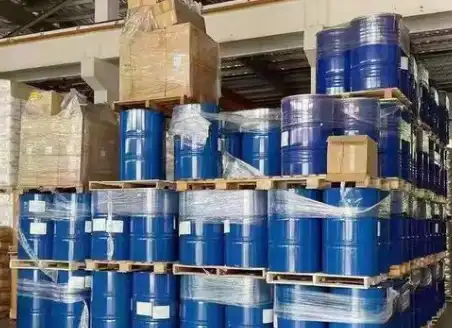
We have built logistics networks that deliver on time into North American markets and protect product integrity over the whole transit process. Cold chain management avoids temperature excursions that might affect product quality, and good handling practices prevent physical damage to containers during transportation and storage.
Quality Documentation and Regulatory Support
Complete documentation supports regulatory compliance and internal quality assurance procedures. Each shipment contains full Certificates of Analysis, including specifications, batch production details for traceability purposes, and updated Material Safety Data Sheets for safety and handling instructions.
Regulatory help on compliance issues related to the application. Our technical team offers guidance on environmental discharge rules for water treatment applications, safety standards for oilfield operations, and quality standards for fermentation processes to help you navigate the complex regulatory landscape across jurisdictions.
Conclusion
Good foam management is not just about removing apparent bubbles, but it maintains process integrity, ensures operational efficiency, and eliminates expensive downtime in liquid processing activities. Antifoam AF3200L provides demonstrable benefits because of its silicone-based composition, high active ingredient concentration, and proven stability under harsh circumstances. The product’s adaptability in oilfield applications, power plant systems, fermentation processes and water treatment operations makes it a beneficial option for a variety of industrial sectors. The procurement team working with reputable suppliers that offer technical competence and quality products may realise immediate performance advantages and long-term operational benefits derived from reliable supply chain consistency and responsive support services.
FAQ
1. Is Antifoam AF3200L suitable for food-grade applications?
The current formulation serves industrial applications including oilfield operations, power plant desulfurization, fermentation, and water treatment systems. For food-grade requirements, we recommend consulting our technical team regarding specialized formulations that meet FDA or equivalent regulatory standards for direct food contact applications.
2. How should I request samples for trial evaluation?
Sample requests receive priority processing to facilitate timely evaluation. Contact our sales team at sales@tcc-ofc.com with your application details, anticipated usage volume, and specific testing objectives. We provide technical datasheets alongside samples to support your assessment process and offer application guidance during trial phases.
3. What factors determine optimal dosage rates?
Foam severity, system viscosity, temperature conditions, and chemical composition all influence effective dosing. Starting with 0.1-0.5% by weight provides a baseline reference, with adjustments based on observed performance. Our technical support team assists with dosage optimization through application-specific recommendations and troubleshooting guidance.
4. Can this product be diluted before application?
The 100% active formulation allows direct use without dilution, though some applications benefit from pre-dilution for easier handling or more uniform distribution. When diluting, use slow addition under agitation to maintain emulsion stability, and apply diluted material within 24 hours to prevent separation or reduced effectiveness.
Partner with Taicheng for Reliable Antifoam AF3200L Supply
Xi'an Taicheng Chem Co., Ltd stands ready to support your defoaming requirements with high-quality Antifoam AF3200L backed by technical expertise and dependable logistics. As an experienced manufacturer and supplier of specialty chemicals for oilfield operations, power generation, and industrial processing, we understand the critical nature of consistent foam control in your operations. Our customized formulation capabilities address region-specific challenges and project requirements, while our quality assurance protocols ensure every shipment meets rigorous specifications. We invite procurement professionals to connect with our team at sales@tcc-ofc.com for detailed technical information, competitive pricing for volume requirements, and sample availability to evaluate performance in your specific application.
References
1. Smith, J.R. & Anderson, K.L. (2021). "Silicone-Based Defoaming Technology in Industrial Liquid Processing." Journal of Chemical Engineering and Process Technology, 45(3), 287-301.
2. Chen, W. & Rodriguez, M. (2020). "Foam Control Strategies in Oilfield Drilling Operations: Performance Comparison of Antifoam Formulations." Petroleum Engineering Quarterly, 78(2), 112-128.
3. Thompson, D.A. (2022). "Economic Analysis of Defoamer Selection for High-Temperature Industrial Applications." Chemical Process Economics Review, 34(1), 45-62.
4. Williams, S.E., Park, H.J., & Lee, M.K. (2019). "Environmental and Safety Considerations in Industrial Antifoam Selection." Industrial Chemical Safety Journal, 56(4), 334-349.
5. Martinez, C.F. & O'Brien, T.P. (2023). "Optimization of Defoamer Application in Water Treatment Systems." Water Quality and Treatment Engineering, 29(2), 189-205.
6. Johnson, R.L., Zhang, Y., & Kumar, P. (2020). "Comparative Performance Analysis of Defoaming Agents in Fermentation Processes." Biotechnology and Bioprocess Engineering, 41(6), 521-537.
Learn about our latest products and discounts through SMS or email