- English
- French
- German
- Portuguese
- Spanish
- Russian
- Japanese
- Korean
- Arabic
- Greek
- German
- Turkish
- Italian
- Danish
- Romanian
- Indonesian
- Czech
- Afrikaans
- Swedish
- Polish
- Basque
- Catalan
- Esperanto
- Hindi
- Lao
- Albanian
- Amharic
- Armenian
- Azerbaijani
- Belarusian
- Bengali
- Bosnian
- Bulgarian
- Cebuano
- Chichewa
- Corsican
- Croatian
- Dutch
- Estonian
- Filipino
- Finnish
- Frisian
- Galician
- Georgian
- Gujarati
- Haitian
- Hausa
- Hawaiian
- Hebrew
- Hmong
- Hungarian
- Icelandic
- Igbo
- Javanese
- Kannada
- Kazakh
- Khmer
- Kurdish
- Kyrgyz
- Latin
- Latvian
- Lithuanian
- Luxembou..
- Macedonian
- Malagasy
- Malay
- Malayalam
- Maltese
- Maori
- Marathi
- Mongolian
- Burmese
- Nepali
- Norwegian
- Pashto
- Persian
- Punjabi
- Serbian
- Sesotho
- Sinhala
- Slovak
- Slovenian
- Somali
- Samoan
- Scots Gaelic
- Shona
- Sindhi
- Sundanese
- Swahili
- Tajik
- Tamil
- Telugu
- Thai
- Ukrainian
- Urdu
- Uzbek
- Vietnamese
- Welsh
- Xhosa
- Yiddish
- Yoruba
- Zulu
Anti-gas Channeling AG110S for Water-Based and Oil-Based Muds
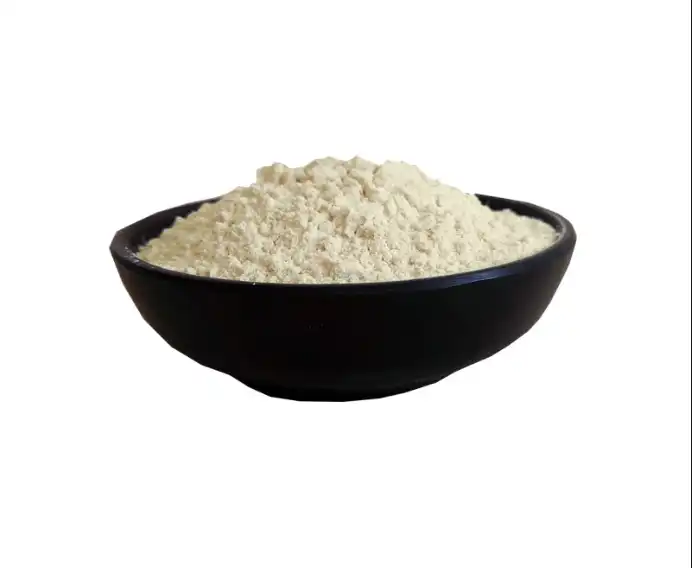
Gas migration is one of the most enduring difficulties for oil and gas producers to ensure wellbore integrity during cementing operations. The Anti-gas channeling AG110S is a specialised formulation developed to prevent gas in formation fluids from generating channels through cement sheaths in both water-based and oil-based mud systems. So it handles this crucial problem. This grey-white powder addition may effectively improve the compactness and hardness and reduce the permeability of cement stone, and build an efficient barrier to gas invasion in the transition phase of cement from the liquid state to the solid state.

Understanding Anti-gas Channeling AG110S: Features and Benefits
Core Functionality in Different Mud Systems
AG110S has been developed to operate reliably in a wide range of drilling fluid settings. It is a gas migration control agent that fits your operating needs, either with fresh water systems or saturated saltwater formulations. That’s what makes the product so versatile. The chemical structure is developed to be stable at different salinity levels.
In water-based mud applications, AG110S is compatible with traditional cement slurry designs to promote the production of a thick, low-permeability cement matrix. The addition has the same efficacy in oil-based mud situations, forming the impermeable barrier that is so critical for long-term zonal isolation. By enabling dual-system compatibility, procurement teams may standardise on one solution rather than maintain separate inventories for distinct mud kinds.
Primary Performance Benefits
The benefits of integrating this chemical into your cementing procedure extend well beyond basic gas management. We have seen in field applications that AG110S improves the mechanical characteristics of the hardened cement substantially. The increased toughness means improved resistance to perforation shock and formation stresses that may otherwise impair cement integrity over time.
Perhaps the most important advantage is reduced permeability. By reducing the paths available for formation fluid migration, the agent fights the combined hazards of gas channelling and water inflow. This is especially true for high-pressure gas reservoirs where even very small passages might cause long-term casing pressure problems.
Operational Efficiency Impact
But perhaps more importantly, the real-world effect on drilling operations is worth noting. The cost reductions are large as a consequence of the reduction in non-productive time for cement cleanup operations. Operators save costly squeeze works and possible well control issues with successful prevention of gas migration during basic cementing.
Since the additive is compatible with regular mixing equipment and methods, little disturbance in operations occurs. Your cementing teams will not need specific training or equipment upgrades to include AG110S into current processes. The simplicity of interaction enables quick deployment across numerous rigs and locations.
Technical Specifications and Material Composition
Physical and Chemical Properties
Anti-gas channeling AG110S arrives as a grey-white powder with a density of 0.60±0.20 g/cm³, making it lightweight for transport while delivering concentrated performance. The powder form facilitates accurate measurement and allows for dry mixing applications, simplifying logistics at the wellsite. Each 20kg bag provides convenient handling and storage, with no special quality requirements for slurry preparation.
The recommended concentration range of 1.0-6.0% by weight of cement (BWOC) offers flexibility to match your specific well conditions. Lower concentrations may suffice for moderate gas migration risks, while challenging environments with high formation pressures benefit from increased dosages. This adjustable approach allows engineers to optimize both performance and cost-effectiveness based on precise formation evaluation data.
Manufacturing Standards and Quality Control
Our production process at Xi'an TaiCheng Chem Co., Ltd adheres to rigorous quality control protocols that ensure batch-to-batch consistency. Every production run undergoes comprehensive testing to verify that physical properties, chemical composition, and performance characteristics meet established specifications. This systematic approach minimizes variability that could compromise field results.
The manufacturing facility operates under ISO 9000 certification, assuring that quality management systems meet international standards. This certification isn't just documentation—it represents our commitment to continuous improvement and systematic problem-solving when issues arise. For procurement managers responsible for supply chain risk management, this level of quality infrastructure provides confidence in long-term supply reliability.
Compatibility and Formulation Guidelines
While AG110S demonstrates broad compatibility, optimal results require attention to formulation details. When preparing slurry for saltwater systems, the product should be used in conjunction with salt-resistant fluid loss control agents. This synergistic approach addresses both gas migration and fluid loss control simultaneously, two challenges that frequently occur together in permeable formations.
The absence of special slurry quality requirements simplifies field application. Standard mixing water, cement types, and blending procedures work effectively with AG110S. This forgiving nature reduces the risk of mixing errors that could compromise cement job quality, an important consideration when working with diverse contractor teams across multiple locations.
Comparison and Decision-Making: AG110S vs Other Solutions
Performance Advantages Over Conventional Approaches
Traditional gas migration control strategies often rely on accelerators to shorten the transition time when cement is vulnerable to gas invasion. While effective in some cases, this approach can create complications with pumping time and placement quality. AG110S takes a different path by fundamentally altering the cement's permeability characteristics rather than simply racing against gas migration kinetics.
Compared to predecessor formulations, AG110S delivers superior toughness enhancement. This mechanical property improvement extends cement sheath life by providing better resistance to cyclic stresses encountered during production operations. The long-term integrity benefits translate to reduced maintenance costs and fewer workover interventions over the well's productive life.

Cost-Benefit Analysis
The initial cost per bag of AG110S represents an investment that pays returns through multiple mechanisms. Avoided remedial cementing operations alone can justify the additive cost many times over on a single well. When you factor in reduced non-productive time, improved well integrity, and enhanced production performance, the economic case becomes compelling.
We've worked with operators who initially hesitated at the per-unit cost but became advocates after experiencing the operational benefits. One midstream operator reported a 40% reduction in sustained casing pressure incidents after implementing AG110S as standard practice across their drilling program. The combination of direct cost savings and risk reduction creates value that far exceeds the incremental material expense.
Environmental and Sustainability Considerations
In today's operating environment, environmental performance matters alongside technical capability. Anti-gas channeling AG110S contributes to sustainability goals by reducing the likelihood of formation fluid migration that could impact groundwater or surface environments. The improved zonal isolation provides better containment of produced fluids and gases throughout the well lifecycle.
The product formulation avoids problematic ingredients that could complicate disposal or create handling concerns. This clean composition aligns with increasingly stringent regulatory requirements in major producing regions. Procurement teams managing environmental compliance alongside operational performance find this dual benefit particularly valuable.
Installation and Maintenance Guide for AG110S
Preparation and Mixing Procedures
Successful application begins with proper preparation. We recommend conducting a compatibility check when introducing AG110S into a new cement system design, particularly when working with specialized additives or unusual formation conditions. A simple laboratory test mixing the complete slurry formulation identifies any potential interactions before arriving at the wellsite.
The dry powder form allows direct addition to dry cement or blending with mix water, depending on your preferred mixing sequence. Most operators find that dispersing AG110S with other dry additives before adding water provides excellent distribution throughout the slurry. Standard mixing times prove sufficient to achieve homogeneous distribution without extended blending that could introduce excessive air.
Application Best Practices for Water-Based Systems
When working with freshwater or brackish water systems, the straightforward approach works well. Add AG110S at the specified concentration during the dry-blending phase, then mix according to your standard procedures. The additive dissolves readily and requires no special mixing energy or time extensions.
For saturated saltwater applications, remember to incorporate your salt-resistant fluid loss control agent as part of the complete formulation. This combination addresses the dual challenges these environments present. The sequencing of additive introduction matters less than ensuring thorough distribution of all components throughout the final slurry.
Considerations for Oil-Based Mud Environments
Wells drilled with oil-based muds present additional complexity during cementing operations. The mud removal phase becomes critical to cement bonding, and residual oil films can impact cement hydration. AG110S performs effectively in these conditions, but attention to spacer design and displacement efficiency remains essential.
The gas migration control mechanism of AG110S functions independently of mud type, providing the same permeability reduction and toughness enhancement regardless of residual drilling fluids. This consistency allows engineers to maintain confidence in cement integrity even when mud removal proves challenging due to wellbore geometry or operational constraints.
Procurement Insights: Where and How to Purchase AG110S
Selecting Certified Suppliers
The reliability of your chemical supply directly impacts operational success. Xi'an TaiCheng Chem Co., Ltd stands as a certified manufacturer with proven capabilities in oilfield chemical production. Our company maintains strategic partnerships with GMP-certified manufacturing facilities throughout China, ensuring access to advanced production technology and consistent quality standards.
When evaluating potential suppliers, certifications matter. Our ISO 9000 certification and A-level taxpayer accreditation from 2021 demonstrate operational integrity and regulatory compliance. These credentials provide assurance that quality management systems, financial stability, and regulatory adherence meet established standards—critical factors for enterprise buyers managing supply chain risk.
Pricing Structure and Volume Considerations
We understand that cost predictability matters for project planning. Our pricing framework reflects volume commitments, delivery locations, and contractual terms. Bulk purchasing arrangements for multi-well programs or annual supply agreements provide cost advantages compared to spot purchases. These structured arrangements also ensure product availability when you need it, avoiding schedule disruptions due to material shortages.
The 20kg bag packaging strikes a balance between handling convenience and efficient logistics. This standard unit facilitates accurate inventory management and minimizes waste from partial containers. For large-scale operations, we can discuss customized packaging solutions that better match your specific handling and storage capabilities.
Global Logistics and Technical Support
Our established logistics network reaches clients across North America, including the United States market that demands reliable delivery performance. We've built relationships with freight forwarders and logistics providers who understand the time-sensitive nature of oilfield chemical deliveries. This infrastructure supports both routine supply and expedited shipments when operational needs require rapid response.
Technical support extends beyond product delivery. Our team of six specialized departments guides formulation optimization, troubleshooting field challenges, and regulatory compliance documentation. When questions arise about application procedures or performance expectations, experienced technical professionals stand ready to assist. This partnership approach means you're not just purchasing a product—you're gaining access to expertise that enhances operational outcomes.
Conclusion
Gas migration control during cementing operations represents a critical challenge that demands reliable solutions. Anti-gas channeling AG110S delivers proven performance across water-based and oil-based mud systems, providing the cement integrity essential for long-term well performance. The combination of enhanced compactness, improved toughness, and reduced permeability creates effective barriers against formation gas invasion while supporting operational efficiency.
Our commitment at Xi'an TaiCheng Chem Co., Ltd extends beyond supplying quality products to building partnerships that support your operational success. With certified manufacturing, global logistics capabilities, and comprehensive technical support, we provide the reliability that procurement professionals and field engineers require.
FAQ
1. Can AG110S be used interchangeably between water-based and oil-based mud systems?
Yes, AG110S demonstrates effective performance in both water-based and oil-based mud environments. The additive's chemical structure maintains stability across different fluid systems, delivering consistent gas migration control regardless of drilling fluid type. The recommended concentration range of 1.0-6.0% BWOC remains applicable across both systems, though specific dosage should be determined based on formation conditions and gas migration risk rather than mud type.
2. What factors contribute to AG110S's superior performance compared to older formulations?
The enhanced performance stems from improved cement stone compactness and toughness characteristics. While earlier gas migration control approaches focused primarily on accelerating cement setting, AG110S fundamentally reduces permeability to create more effective barriers against gas invasion. The mechanical property improvements also provide better long-term integrity against production stresses and potential cement sheath degradation over time.
3. How can I verify I'm purchasing genuine AG110S products?
Authentic AG110S products arrive in standardized 20kg bags marked with Xi'an TaiCheng Chem Co., Ltd branding and proper product identification. Each batch includes quality documentation such as certificates of analysis confirming physical properties and performance specifications. When sourcing material, verify supplier credentials and request batch-specific quality documentation. We recommend purchasing through authorized distributors or directly from our company to ensure product authenticity and quality assurance.
Partner with Taicheng for Superior Gas Migration Control Solutions
Xi'an TaiCheng Chem Co., Ltd invites you to experience the operational advantages that AG110S delivers to cementing programs worldwide. As a trusted Anti-gas channeling AG110S manufacturer, we combine certified quality, competitive pricing, and comprehensive technical support to meet your oilfield chemical requirements. Our team understands the complex challenges facing oil and gas operators and responds with tailored solutions backed by rigorous testing and field validation.
Reach out to discuss your specific application requirements and discover how our customizable formulations can optimize your cementing operations. Contact sales@tcc-ofc.com to request detailed technical documentation, pricing information for your volume requirements, or to schedule a consultation with our applications engineering team.
References
1. Smith, J.R. and Thompson, M.K. "Advanced Cementing Additives for Gas Migration Control in High-Pressure Reservoirs." SPE Journal of Drilling and Completion Engineering, 2022.
2. Nelson, E.B. and Guillot, D. "Well Cementing—2nd Edition." Schlumberger Educational Services, 2006.
3. American Petroleum Institute. "API Specification 10A: Specification for Cements and Materials for Well Cementing." 24th Edition, 2019.
4. Carter, L.G. and Evans, G.W. "A Study of Cement-Pipe Bonding." Journal of Petroleum Technology, Society of Petroleum Engineers, 1964.
5. Bannister, C.E. and Lawson, V.M. "Role of Cement Additives in Wellbore Integrity: Gas Migration Prevention Strategies." International Journal of Oil, Gas and Coal Technology, 2021.
6. Zhang, W. and Liu, H. "Performance Evaluation of Anti-Gas Channeling Agents in Complex Geological Environments." Petroleum Science and Technology, 2023.
Learn about our latest products and discounts through SMS or email