- English
- French
- German
- Portuguese
- Spanish
- Russian
- Japanese
- Korean
- Arabic
- Greek
- German
- Turkish
- Italian
- Danish
- Romanian
- Indonesian
- Czech
- Afrikaans
- Swedish
- Polish
- Basque
- Catalan
- Esperanto
- Hindi
- Lao
- Albanian
- Amharic
- Armenian
- Azerbaijani
- Belarusian
- Bengali
- Bosnian
- Bulgarian
- Cebuano
- Chichewa
- Corsican
- Croatian
- Dutch
- Estonian
- Filipino
- Finnish
- Frisian
- Galician
- Georgian
- Gujarati
- Haitian
- Hausa
- Hawaiian
- Hebrew
- Hmong
- Hungarian
- Icelandic
- Igbo
- Javanese
- Kannada
- Kazakh
- Khmer
- Kurdish
- Kyrgyz
- Latin
- Latvian
- Lithuanian
- Luxembou..
- Macedonian
- Malagasy
- Malay
- Malayalam
- Maltese
- Maori
- Marathi
- Mongolian
- Burmese
- Nepali
- Norwegian
- Pashto
- Persian
- Punjabi
- Serbian
- Sesotho
- Sinhala
- Slovak
- Slovenian
- Somali
- Samoan
- Scots Gaelic
- Shona
- Sindhi
- Sundanese
- Swahili
- Tajik
- Tamil
- Telugu
- Thai
- Ukrainian
- Urdu
- Uzbek
- Vietnamese
- Welsh
- Xhosa
- Yiddish
- Yoruba
- Zulu
What Factors Affect Anti-gas Channeling AG110S Effectiveness?
The efficiency of Anti-gas channeling AG110S is controlled by a number of interrelated elements that directly affect cementing performance in oilfield operations. The performance of this grey-white powder is critically dependent on the dosage concentration, mixing processes, formation circumstances, temperature profiles, and compatibility with other additives. When appropriately formulated at 1.0-6.0% BWOC with adequate fluid loss agents, AG110S greatly improves the compactness and hardness of cement stone while minimising permeability from fresh to saturated saltwater systems.

Understanding the Core Mechanism of AG110S Anti-gas Channeling
Gas migration during well cementing is one of the most challenging problems addressed by upstream operators. During the crucial transition phase, when the slurry transforms from liquid to solid, the formation pressure may surpass the hydrostatic pressure of the cement column, resulting in gas invading the annular gap. This will compromise zonal isolation and long-term well integrity.
AG110S provides a more advanced multi-barrier solution to solve this issue. This additive fills the micro-spaces between the cement particles, which increases the density of the cement matrix, leading to a more compact microstructure. This physical densification lowers permeability routes that would otherwise enable the gas molecules to pass through the setting cement.
In addition to basic pore blockage, the chemical also improves the rheological qualities of the slurry itself. AG110S controls the viscosity during the critical gelation stage, providing enough hydrostatic pressure to control formation gases. The increased thixotropic behaviour guarantees that the slurry does not break down structurally while it is static, which is exactly when gas invasion normally happens.
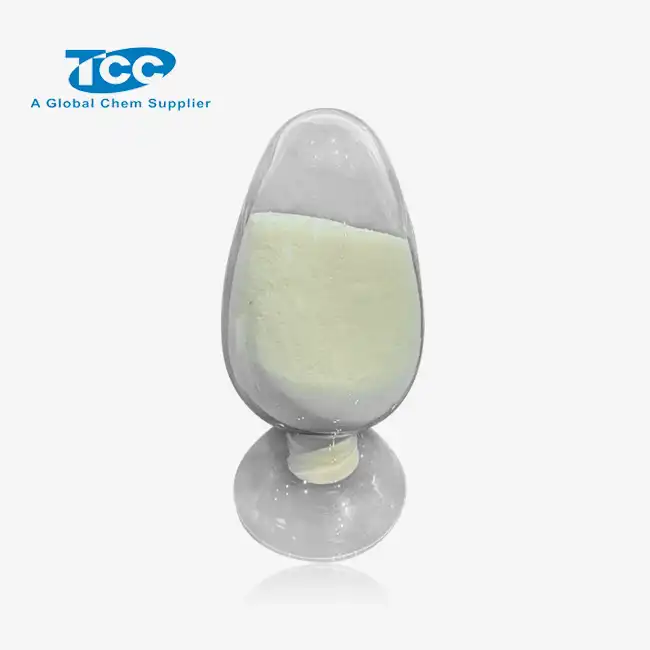
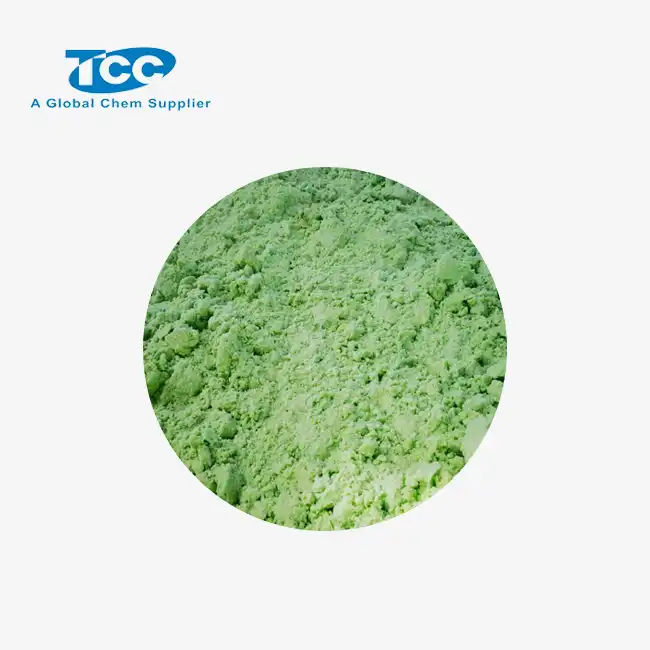
The chemical makeup of this cementing ingredient also helps to speed up strength development. The faster you get to the solid state, the less time you have to be exposed to the hazards of gas migration. The grey-white powder has a density of 0.60±0.20g/cm³ and is evenly dispersed in the cement system, therefore protecting the cemented interval.
The main advantage of this formulation is that it is robust in a variety of water chemistries. The AG110S continues to operate in fresh drilling water or in the saturated brine systems typical to older fields. This flexibility is achieved by precise molecular engineering to resist flocculation or degradation in high salinity conditions; however, partnering with salt-resistant fluid loss agents is still important for best outcomes.
Critical Factors Influencing AG110S Effectiveness
Dosage Optimization and Mixing Protocol
Concentration matters tremendously when working with anti-gas migration additives. The recommended range of 1.0-6.0% BWOC provides flexibility, but selection within this window should reflect specific well conditions. High-pressure gas reservoirs demand concentrations toward the upper range, while moderate formations perform adequately at lower dosages. Under-dosing leaves gaps in the protective barrier; over-dosing can negatively impact slurry pumpability and increase unnecessary costs.
Proper mixing sequences ensure uniform dispersion. The dry-mixing capability of AG110S simplifies field operations—no pre-hydration or special blending equipment is required. However, adding the powder gradually during continuous agitation prevents clumping and ensures each cement particle receives adequate coating. Mixing energy and duration directly correlate with final slurry homogeneity, which in turn affects gas blocking performance.
Temperature and Pressure Dynamics
Bottomhole temperatures profoundly influence how Anti-gas channeling AG110S cement additives behave. AG110S maintains stability across typical oilfield temperature ranges, but extreme heat can accelerate cement thickening time, potentially reducing the working window for proper placement. Conversely, cooler surface temperatures during mixing require adjustments to retarder or accelerator dosages to maintain consistent pump time.
Pressure differentials between formation and wellbore drive gas invasion attempts. Wells with aggressive gas kicks need more robust anti-channeling protection. AG110S responds to this need through its permeability reduction mechanism, but engineers must account for the magnitude of differential pressure when designing slurry formulations. Static gel strength development must outpace gas migration velocity—a timing challenge that temperature and pressure both influence.
Water Quality and Chemical Compatibility
Formation water chemistry varies dramatically across geographical regions and geological formations. Hard water with high calcium content can interfere with some additives, though AG110S demonstrates good tolerance. Saturated saltwater systems present different challenges related to ionic strength and osmotic effects. The product specification explicitly confirms suitability for these conditions, but field testing under actual water sources remains the gold standard for verification.
Chemical interactions between multiple additives deserve careful attention. Salt-resistant fluid loss agents, retarders, dispersants, and weighting materials all coexist in the same slurry. AG110S must function synergistically with these components rather than competing or neutralizing their effects. Pre-job laboratory testing using actual well fluids and planned additive packages identifies potential incompatibilities before costly field failures occur.
Formation Characteristics and Well Geometry
Permeable formations allow fluid loss from the cement slurry, concentrating solids and potentially creating channels. While AG110S reduces cement stone permeability, pairing it with appropriate fluid loss control agents creates layered defense. The agent works best when the slurry maintains its designed water content throughout placement and initial setting.
Annular geometry affects flow patterns and static conditions. Narrow annuli create higher friction pressures but may promote better mud removal. Wide annuli provide easier placement but can develop preferential flow paths. Highly deviated or horizontal sections present unique challenges where cement slurry must resist settling and maintain homogeneity. AG110S contributes to suspension stability, but well angle must inform overall slurry design.
Comparative Analysis – AG110S Versus Other Anti-gas Channeling Solutions
There are a variety of techniques for gas migration control available in the oilfield cementing industry, including latex systems, expandable cements, and specific particle additives. Knowing how AG110S fits within this ecosystem may help procurement managers make educated sourcing selections.

The market has been dominated for decades by traditional latex-based anti-gas migration technologies. The liquid additives generate flexible films in the cement matrix, which make the cement elastic and decrease the permeability. Latex systems, however, usually need special treatment to avoid freezing, are sensitive to high levels of salt, and may greatly impede the setting time of cement. AG110S in powder form takes the worry out of freeze-thaw and is cheaper to transport. This dry format also enables inventory management at distant well sites that may not have the best storage conditions.
Expandable cement systems allow for gas migration due to an increase in volume that keeps the cement in touch with the casing or formation. These systems work well but need careful engineering to prevent excessive expansion that might harm casing. AG110S is a new solution to the problem, one of densification, not growth, which minimises complexity and risk but still provides great zonal isolation.
Particulate bridge agents are another competitive category. These materials act as physical pore throat blockers by size exclusion. AG110S has elements of this process but adds the dimension of cement matrix improvement. It doesn’t only fill gaps; it substantially enhances the structural integrity and impermeability of the cured cement stone.
The cost-performance of AG110S is outstanding in actual applications. The proposed dose range allows for individual adjustments to personal demands, preventing overuse of the substance. The 20kg bag packaging allows for precise batching and generates less waste compared to bulk liquid solutions that can need specialised equipment. There is still the advantage of cheaper transport costs with powder goods, especially to the isolated sites often found in oil and gas operations.
Measurable benefits are shown by field performance data from high-pressure gas wells. Properly designed AG110S slurries have decreased annular pressure accumulation over the crucial 24-72 hour post-cement phase. Long-term monitoring indicates continuous zonal isolation with no deterioration often seen with less strong additives. These operational gains immediately translate into lower remedial cementing costs and improved production efficiency.
Procurement Considerations and Supplier Information for AG110S
Sourcing selections for Anti-gas channeling AG110S cementing additive are very important to operational performance and project costs. Knowing where to get AG110S, what specs to check, and how to assess vendors enables procurement teams to make decisions that benefit both urgent demands and long-term strategic objectives.
AG110S is produced in China by Xi’an Taicheng Chem Co., Ltd., which follows quality management procedures in accordance with international standards. The firm has ISO 9000 accreditation showing adherence to consistent manufacturing procedures and quality assurance standards. Their A-level taxpayer accreditation is a sign of financial health and regulatory compliance – both of which count in terms of building long-term supplier partnerships.
Ask for full technical documentation while considering possible vendors. A Certificate of Analysis (COA) must accompany each shipment, verifying that the material fulfils published criteria for density, appearance and performance qualities. Material Safety Data Sheets (MSDS) include important handling and storage information. Regulatory support documents may be useful in identifying import requirements and compliance with regional chemical laws.
Minimum order quantities are generally in line with container shipping economics. The 20kg bag package type offers flexible ordering, whether for servicing a single exploratory well or for storing inventories for continuing development initiatives. Lead times are determined by manufacturing schedules and delivery issues; however, established suppliers will hold buffer stock to meet urgent requests. Discussing projected demand with your supplier can allow them to prepare better and provide you with a preferred price for committed quantities.
Bulk purchase agreements are a great benefit to large-scale enterprises. Annual contracts or project-specific agreements can give pricing stability and continuity of supply. Typical of these contracts include value-added services such as on-site technical support, bespoke formulation help, and accelerated delivery when the field situation changes on short notice.
What differentiates good suppliers from good partners is the ability to do logistics on a global basis. Taicheng has a well-developed shipping network to Europe, South America, Africa, and North American markets. Learning the customs processes, hazardous chemicals restrictions, and documents needed for each destination can help make sure your delivery goes well. Tracking systems and proactive communication on shipment progress decrease uncertainty in project planning.
Post-sales technical assistance is an important but frequently unrecognised procurement aspect. Having access to qualified cementing engineers that understand product and application difficulties brings enormous value. Responsive technical help protects your investment and project schedules – whether troubleshooting unexpected slurry behaviour, optimising dose for new well conditions, or interpreting quality control test findings.
Best Practices for Maximizing AG110S Performance and Longevity
Achieving optimal results with cementing additives requires more than simply adding powder to water. Systematic approaches to storage, mixing, application, and quality verification ensure that AG110S delivers its full performance potential across diverse operating conditions.
Storage conditions directly affect material usability. Although AG110S tolerates normal warehouse environments better than liquid additives, certain precautions optimize longevity. Keep bags sealed until use to prevent moisture absorption, which could cause clumping. Store in dry locations away from direct sunlight and temperature extremes. While the powder won't freeze like latex products, excessive heat can degrade packaging integrity. Rotating inventory based on delivery dates ensures older material gets used first, maintaining freshness.
Pre-job laboratory testing eliminates guesswork and prevents costly field failures. Using actual formation water samples and planned additive combinations, test various AG110S concentrations to identify optimal dosage. Measure thickening time under anticipated bottomhole temperature using a pressurized consistometer. Evaluate fluid loss characteristics, rheology, and compressive strength development. These data points inform final slurry design and provide baseline expectations for field mixing.
Field mixing procedures must maintain the quality established in laboratory testing. Calibrate equipment accurately—small measurement errors multiply across large cement volumes. Add AG110S at the specified point in the mixing sequence, typically after base cement and water but before specialized additives like retarders. Maintain adequate mixing energy throughout, monitoring density to confirm proper proportioning. Avoid prolonged recirculation that could cause additive degradation or air entrainment.
Placement technique influences how well even perfectly designed slurries perform. Maintain steady pump rates within the laminar flow regime to promote effective mud displacement. Avoid sudden starts or stops that create pressure surges and turbulence. Monitor returns carefully for signs of lost circulation or channeling. Calculate proper displacement volumes accounting for wellbore geometry and potential washouts identified during caliper logs.
Post-placement monitoring provides early warning of potential problems. Wait-on-cement time should reflect laboratory-derived strength development data rather than arbitrary schedules. Pressure testing verifies zonal isolation before proceeding with completion operations. Document any anomalies such as sustained casing pressure or unexpected fluid returns—these may indicate gas migration despite additive use and warrant investigation.
Continuous improvement comes from analyzing both successes and challenges. When wells perform as expected, document the specific conditions and formulations for future reference. When issues arise, conduct root cause analysis rather than simply blaming materials. Was dosage appropriate for actual conditions? Did water quality differ from assumptions? Were temperature or pressure profiles more severe than anticipated? Sharing these learnings with your supplier strengthens the partnership and improves future performance.
Conclusion
Maximizing Anti-gas channeling AG110S effectiveness requires understanding the interplay between product characteristics, application techniques, and well-specific conditions. Proper dosage selection within the 1.0-6.0% BWOC range, combined with compatible fluid loss agents and appropriate mixing protocols, establishes the foundation for success. Environmental factors including temperature, pressure, and water chemistry must inform formulation decisions. AG110S offers distinct advantages over competing technologies through its powder format, broad compatibility, and proven field performance in challenging high-pressure gas environments. Procurement strategies that emphasize supplier reliability, technical support, and quality documentation protect operational investments while enabling consistent results across diverse projects.
FAQ
1. What makes AG110S different from latex-based gas migration additives?
AG110S arrives as a grey-white powder rather than liquid latex, eliminating freeze-thaw sensitivity and simplifying storage logistics. The dry format integrates easily into standard dry-blend cementing operations without special handling equipment. While latex systems form flexible films, AG110S densifies the cement matrix and reduces permeability through particle packing optimization. This mechanism provides excellent gas blocking without the salt sensitivity or significant retardation effects sometimes associated with latex products.
2. Can AG110S work in both freshwater and saltwater cement systems?
The formulation specifically supports applications ranging from freshwater to saturated saltwater environments. This versatility proves valuable across diverse geographical regions and formation water chemistries. However, high-salinity systems require pairing AG110S with salt-resistant fluid loss control agents to achieve optimal performance. Laboratory testing using actual field water samples confirms compatibility before committing to full-scale application.
3. How does temperature affect AG110S performance in deep wells?
The additive maintains stability across typical oilfield temperature ranges encountered in most drilling operations. Elevated bottomhole temperatures accelerate cement hydration kinetics, potentially shortening thickening time. Engineers compensate by adjusting retarder dosages based on actual temperature profiles. Conversely, cooler surface mixing temperatures may require accelerators to ensure adequate strength development. Pre-job testing under anticipated thermal conditions identifies necessary adjustments before field application.
Partner with Taicheng for Reliable Anti-gas Channeling AG110S Supply
Successful cementing operations demand more than quality products—they require suppliers who understand your operational challenges and provide comprehensive support throughout project lifecycles. Taicheng specializes in delivering high-performance cementing additives backed by technical expertise and reliable global logistics. Our Anti-gas channeling AG110S manufacturing maintains rigorous quality standards verified through ISO 9000 certification, ensuring consistent batch-to-batch performance you can depend on. Whether sourcing material for exploration wells or maintaining inventory for ongoing development programs, our team provides responsive communication, complete documentation including COA and MSDS, and competitive pricing structures that recognize the value of long-term partnerships. As an experienced Anti-gas channeling AG110S supplier serving upstream operators and oilfield service companies across North America, we combine local market understanding with efficient international shipping capabilities. Reach our technical sales team at sales@tcc-ofc.com to discuss your specific requirements, request product samples, or explore customized formulation options tailored to your geological conditions.
References
1. Nelson, E. B., & Guillot, D. (2006). Well Cementing (2nd ed.). Schlumberger Educational Services.
2. Smith, R. C. (1990). Successful Primary Cementing Can Be a Reality. Journal of Petroleum Technology, 42(11), 1352-1359.
3. Bannister, C. E., & Lawson, V. M. (1985). Role of Cement Additives in Well Cementing. Society of Petroleum Engineers Annual Technical Conference Proceedings.
4. Parcevaux, P., & Sault, P. H. (1984). Cement Shrinkage and Elasticity: A New Approach for a Good Zonal Isolation. SPE Annual Technical Conference and Exhibition Paper Series.
5. Cheung, P. R., & Beirute, R. M. (1985). Gas Flow in Cements. Journal of Petroleum Technology, 37(6), 1041-1048.
6. Backe, K. R., Lile, O. B., Lyomov, S. K., Elvebakk, H., & Skalle, P. (1999). Characterizing Curing-Cement Slurries by Electrical-Conductivity Measurements. SPE Drilling & Completion, 14(3), 201-207.
_1742288724964.webp)
_1741765404878.webp)
Learn about our latest products and discounts through SMS or email