- English
- French
- German
- Portuguese
- Spanish
- Russian
- Japanese
- Korean
- Arabic
- Greek
- German
- Turkish
- Italian
- Danish
- Romanian
- Indonesian
- Czech
- Afrikaans
- Swedish
- Polish
- Basque
- Catalan
- Esperanto
- Hindi
- Lao
- Albanian
- Amharic
- Armenian
- Azerbaijani
- Belarusian
- Bengali
- Bosnian
- Bulgarian
- Cebuano
- Chichewa
- Corsican
- Croatian
- Dutch
- Estonian
- Filipino
- Finnish
- Frisian
- Galician
- Georgian
- Gujarati
- Haitian
- Hausa
- Hawaiian
- Hebrew
- Hmong
- Hungarian
- Icelandic
- Igbo
- Javanese
- Kannada
- Kazakh
- Khmer
- Kurdish
- Kyrgyz
- Latin
- Latvian
- Lithuanian
- Luxembou..
- Macedonian
- Malagasy
- Malay
- Malayalam
- Maltese
- Maori
- Marathi
- Mongolian
- Burmese
- Nepali
- Norwegian
- Pashto
- Persian
- Punjabi
- Serbian
- Sesotho
- Sinhala
- Slovak
- Slovenian
- Somali
- Samoan
- Scots Gaelic
- Shona
- Sindhi
- Sundanese
- Swahili
- Tajik
- Tamil
- Telugu
- Thai
- Ukrainian
- Urdu
- Uzbek
- Vietnamese
- Welsh
- Xhosa
- Yiddish
- Yoruba
- Zulu
How to Maximize Benefits of Fluid Loss Additive FL910S in Mud Systems
To maximise the value of the Fluid loss additive FL910S in drilling mud systems, it is important to understand the dual-action polymer chemistry and how to use it strategically. The additive is based on an AMPS/AA copolymer and provides superior filtration control by building a strong filter cake on formation faces, thereby limiting water invasion and preserving slurry pumpability. FL910S at appropriate dosage levels of 0.6% to 2.0% BWOC can limit API fluid loss to less than 50 mL in 30 minutes at 1000 psi differential pressure, thereby protecting wellbore integrity in a wide range of geological settings.

Understanding Fluid Loss Additive FL910S: Key Features and Mechanism
Chemical Composition and Functional Architecture
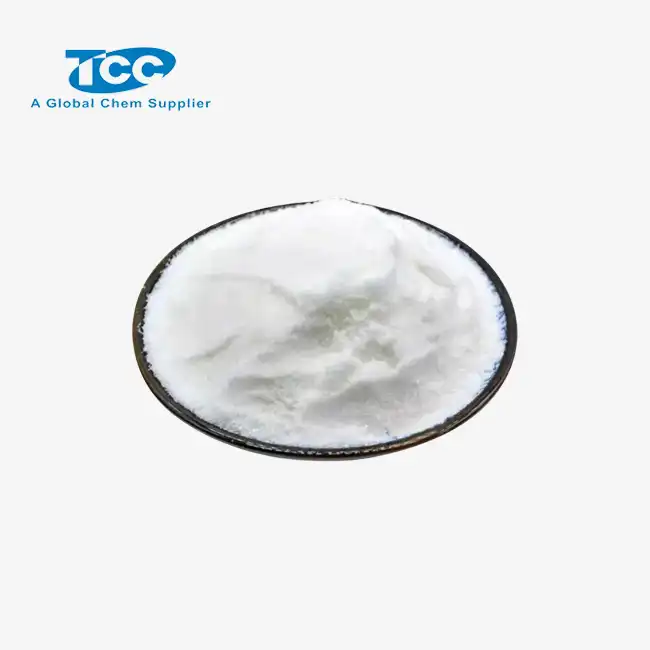
Fluid loss additive FL910S is a speciality synthetic polymer formulation based on AMPS (2-Acrylamido-2-Methylpropane Sulfonic Acid) and acrylic acid copolymer technology. The white to pale yellow powder has excellent dispersion in water and is rapidly dispersed into drilling fluids without agglomeration. The molecular framework comprises hydrophilic side chains that interact with water molecules in the cement slurry, resulting in a semi-permeable barrier during the filtering process.
When combined with mud systems, FL910S molecules tend to arrange themselves along the borehole wall under differential pressure, forming a thin filter cake with limited permeability. The cake works as a selective membrane, allowing very little of the liquid to get through, while holding the solid particles of the slurry. The sulfonic acid groups of the polymer give excellent salt resistance, allowing it to work reliably in saline and saturated brine conditions, a significant benefit for offshore and high-salinity formations.
Performance Benchmarks That Matter
Our scientific assessments indicate that this filtration control agent is effective in temperature ranges from 30°C to 120°C (86°F to 248°F). The synthetic backbone of FL910S does not deteriorate with heat; hence, it is able to maintain its structure during long periods of circulation, unlike cellulose-based alternatives. The addition does not affect thickening time and, at the approved dose levels, usually adds less than 15 minutes to the start of set, a key difference from conventional lignosulfonate products that may lengthen cure by hours.
Rheological testing shows a slight viscosifying impact by FL910S of 5-12 cP on the plastic viscosity depending on concentration. A little increase may be beneficial in operations, helping to suspend particles and minimise barite sag in weighted muds. The yield point is maintained in the pumpable range to be compatible with conventional mixing and placement equipment used in drilling operations.
Optimizing FL910S Application in Mud Systems for Maximum Benefit
Dosage Precision for Varied Mud Types
The best performance of this Fluid loss additive, FL910S cementing ingredient, is obtained by rigorous calibration dictated by mud composition and downhole circumstances. With our experience in the sector, we offer the following dose framework:
For water-based mud systems for shallow to moderate depth wells, a concentration of 0.6% to 0.9% BWOC is often sufficient to manage fluid loss without causing significant viscosity increase. These lower doses are suitable for moderately permeable formations where a cake that is too thick may decrease the efficacy of cement displacement.
In challenging conditions, such as highly permeable sandstones or fractured carbonates, higher concentrations of 1.2% to 2.0% BWOC are required. At these increasing concentrations, the polymeric ingredient creates a stronger filter cake that can handle greater differential pressures. However, users should undertake thickening time tests when above 1.2% BWOC since certain retardation effects may develop but seldom jeopardise operating timescales when correctly planned.
FL910S has various interaction patterns with synthetic and oil-based mud compositions. The additive is functionally compatible; however, we suggest bench testing to confirm emulsion stability and that no phase separation occurs while mixing. Typically, oil-based systems need a 10-15% dose change relative to water-based counterparts to be able to achieve similar fluid loss performance.
Integration Best Practices
The efficiency of this drilling fluid additive is greatly affected by the mixing strategy. Lab trials have consistently shown better dispersion when FL910S is dry mixed with cement powder before water is added. This pre-mixing technique provides a homogeneous dispersion and minimises the production of hydrated polymer lumps (often nicknamed “fish-eyes”), which degrade the functional efficiency and generate weak points in the cured cement matrix.
If liquid addition is essential in an operating environment, the polymer should be pre-hydrated in a high shear mixer for 15-20 minutes prior to addition to the bulk slurry. The temperature of the hydration water should be kept below 25°C to avoid premature gelation. Slow integration with continual agitation prevents local concentration spikes from occurring, which may lead to undesired rheological spikes.
Environmental responsibility is of crucial importance in contemporary drilling operations. FL910S satisfies strict ecological criteria. It contains no heavy metals or persistent organic contaminants. The architecture of biodegradable polymers will naturally degrade in underground conditions, thereby having less long-term influence on the environment. It’s low in acute toxicity as shown on the safety data sheets, but normal personal protective equipment such as dust masks and gloves should be used while handling to avoid inhalation of fine powder, which might cause respiratory irritation.
Comparing FL910S with Other Fluid Loss Additives: Making the Right Choice
Performance Differentiation Analysis
Although there are several well-known technologies in the competitive landscape of filtration control agents, our polymer-based approach provides distinct benefits. Economical traditional bentonite-based solutions do not work in high-salinity conditions because the clay particles flocculate and lose surface area. FL910S exhibits no salting-out impact even in saturated sodium chloride brines and offers constant fluid loss management where conventional additions do not.
Another often used alternative is cellulose derivatives, which provide good performance at moderate temperatures. However, these bio-based polymers thermally degrade beyond 90°C and release breakdown products that might contaminate the cement matrix and decrease the long-term compressive strength. Our synthetic copolymer is stable at extreme temperatures and provides instant fluid loss management and long-term zonal isolation integrity.
Economic Value Beyond Unit Price
“Procurement people tend to focus on cost per kilogram, but a broader value calculation shows the broader economic benefits. Recently, an offshore business in the Gulf of Mexico reported a 23% decrease in cement slurry volume needs after converting to FL910S as enhanced fluid loss management removed the need for additional slurry to compensate for filtrate losses. Lower material prices and less time for mixing also meant a decrease in volume.
And of course, there are operational efficiency improvements as well. The use of this fluid loss control polymer by drilling contractors resulted in an average time savings of 4.2 hours per cementing workover over prior additive systems because of predictable slurry performance and less troubleshooting. The time savings provide large rig cost savings, particularly in high-day-rate scenarios where every hour of reduced operating time translates into meaningful financial rewards.
Another economic element that is frequently disregarded is the constancy of quality. Suppliers do not have effective quality control systems, which leads to variability from batch to batch, necessitating substantial pre-job testing and formulation adjustments by field engineers. We are an ISO 9000 certified company and an A level tax payer both of which indicate systematic quality controls to guarantee consistent specifications in every shipment, minimising field uncertainty and engineering overhead.
Procurement Guide: Where and How to Acquire FL910S for Your Mud System Needs
Supplier Verification Essentials
Procurement of genuine specification-compliant Fluid loss additive FL910S needs stringent supplier assessment. There are several distributors on the market, but not all adhere to the quality assurance methods needed for important drilling applications. We suggest checking the following three key credentials before entering into procurement partnerships.

Certifications of manufacturing are the basis of quality confidence. ISO 9000 accreditation means systematic quality management, and compliance with API RP 10B-2 testing methodologies ensures fluid loss performance claims are based on standardised assessment techniques used throughout the petroleum sector. Ask for copies of current certification papers and check their authenticity with granting agencies.
Also, the amount of documentation is a marker of trustworthiness. Every shipment includes a full Certificate of Analysis (COA), Technical Data Sheets (TDS) and Material Safety Data Sheets (MSDS) from reputable vendors. The documentation must include batch-specific test findings for essential characteristics such as fluid loss volume, rheological properties, and purity metrics. Suppliers reluctant or unable to offer extensive documentation may buy material from unknown producers, adding quality risk.
Logistics and Order Structuring
Considerations for logistics in bulk purchasing of drilling additives. For international shipments, minimum order amounts are usually 1000 kg (40 bags based on normal 25 kg packing) to optimise container use and freight economies. If a customer requires various unit sizes or particular moisture barriers for long-term storage in humid locations, we may customise the packaging accordingly.
Lead times are generally 7-10 days after order confirmation, making responsive project planning possible. Our logistics network offers a range of delivery modalities, from ocean freight for high-volume orders to air freight for urgent needs and truck delivery for regional clients, offering flexibility to fit project timeframes and financial restrictions. Fast shipping of samples via DHL and FedEx agreements allows for pre-project review.
The way the product is stored has a direct effect on the product life and the dependability of the product performance. This polymeric additive is hygroscopic; thus, it should be kept in a dry and cold place away from sunshine. When properly kept, unopened bags are maintained to specification for 24 months. We advocate rotating inventory on a first-in, first-out basis and periodically sample stored material as it approaches 18 months to confirm continuing performance.
Case Studies and Practical Tips to Maximize FL910S Benefits
Field Success in Challenging Formations
The effectiveness of FL910S in reducing gas migration risk was established in a recent application in the Permian Basin. The operator was facing continuous annular pressure buildup in a high-pressure gas zone with porous sandstone intervals. Previous cementing jobs with traditional additives gave poor zonal isolation, resulting in costly remedial squeezing jobs.
The engineering team reformulated the cement solution using 1.4% BWOC of our fluid loss control polymer, and also optimised density and rheology additions. The results were dramatic, with API fluid loss decreasing from 182 mL to 38 mL during a 30-minute period, and the cement column remained hydrostatically overbalanced through the crucial transition time. After the project, cement bond logs showed excellent bonding of 97% quality in the target interval, avoiding gas migration that had plagued prior efforts. The operator estimated total savings of $340,000 per well by foregoing corrective work and expediting production beginning.
Another example of interest came from offshore West Africa when high-salinity formation water hindered deep water cementing operations. Because standard additives would precipitate when combined with saltwater, operators had to carry freshwater at substantial cost. By switching to FL910S, seawater may be mixed directly without any loss of performance, removing the need to carry fresh water and saving USD 85,000 per well. The 18-well campaign showed consistent performance for different salinity profiles, confirming the good salt tolerance of the polymer.
Troubleshooting Common Challenges
Even well-designed cement systems occasionally encounter unexpected behavior. When fluid loss control appears inconsistent despite proper dosage, investigate mixing energy and duration. Insufficient shear during blending prevents complete polymer hydration, leaving unreacted particles that contribute no functional benefit. We recommend minimum mixing times of 12 minutes at moderate shear rates (typically 8,000-10,000 RPM in lab mixers scaled to field equipment).
Compatibility issues with other additives can manifest as unexpected rheological changes or accelerated/retarded setting. Gas migration control latexes and silica flour generally exhibit excellent compatibility with FL910S, but certain retarder chemistries may interact unfavorably. Always conduct bench-scale compatibility testing when introducing new additive combinations, verifying that fluid loss, thickening time, and compressive strength development all remain within acceptable parameters.
Temperature variations during storage or transportation can affect powder flowability. Material exposed to high humidity may develop surface caking, though this does not necessarily indicate performance degradation. Gentle mechanical disruption typically restores powder flow characteristics. For persistent caking, pass material through a 20-mesh screen before use to break up agglomerates and ensure uniform distribution during mixing.
Conclusion
Maximizing the operational and economic benefits of Fluid loss additive FL910S demands technical understanding combined with rigorous application discipline. This AMPS/AA copolymer delivers measurable advantages—superior salt tolerance, thermal stability, and minimal set time impact—that translate directly to enhanced wellbore integrity and reduced operational risk. Proper dosing calibrated to formation characteristics, meticulous mixing protocols, and sourcing from certified manufacturers form the triad of success factors. Our field evidence demonstrates that systematic implementation of these principles yields consistent fluid loss control below 50 mL per 30 minutes, prevents costly gas migration incidents, and shortens overall cementing operations. The modest investment in this advanced polymeric additive generates substantial returns through reduced material consumption, fewer remedial jobs, and accelerated well completion timelines.
FAQ
1. What concentration of FL910S should I use for high-salinity formations?
High-salinity environments typically require dosages between 0.9% and 1.5% BWOC of this cementing fluid loss agent. Saturated brine systems may need the upper end of this range, approximately 10-20% higher than freshwater equivalents. The sulfonic acid groups in the polymer backbone provide inherent salt tolerance, maintaining effectiveness where cellulose-based additives precipitate. Conduct API fluid loss testing with actual formation brine samples during the design phase to confirm optimal concentration for specific salinity profiles and temperature conditions.
2. Does this polymeric additive affect cement compressive strength development?
Extensive laboratory testing confirms that FL910S introduces minimal impact on compressive strength when used within recommended dosages. Unlike lignosulfonate-based products that can reduce 24-hour strength by 15-25%, this synthetic polymer typically shows less than 5% strength variation compared to base cement systems. At dosages above 2.0% BWOC, slight set time extension may occur, but final compressive strength values consistently meet or exceed API specifications for Class G and Class H cements across temperature ranges from 30°C to 120°C.
3. How do I verify I'm purchasing authentic FL910S and not counterfeit material?
Authentic product verification starts with supplier credentials. Confirm ISO 9000 certification and request batch-specific Certificates of Analysis showing API fluid loss test results. Reputable manufacturers provide MSDS documentation and technical support contacts. Physical inspection reveals quality indicators: the powder should be free-flowing, white to faint yellow in color, without excessive caking or off-odors. Request small samples for bench testing before bulk procurement, verifying that stated fluid loss performance matches supplier claims through standardized API RP 10B-2 test protocols.
Partner with Taicheng for Reliable Fluid Loss Additive FL910S Supply
Xi'an Taicheng Chem Co., Ltd. stands ready to support your drilling operations with premium-grade Fluid loss additive FL910S manufactured under rigorous quality protocols. As a certified supplier with ISO 9000 accreditation and A-level taxpayer status, we deliver consistent batch-to-batch performance backed by comprehensive technical documentation including COA, TDS, and MSDS certificates. Our global logistics network ensures reliable delivery via ocean freight, air express, or ground transportation, with standard lead times of 7-10 days and flexible packaging options to meet your specific requirements. Beyond product supply, our technical team provides application guidance, compatibility testing support, and customized formulation development tailored to your operational challenges. Whether you need material for a single exploratory well or ongoing supply for multi-year drilling campaigns, our competitive pricing structure and bulk discount programs optimize your procurement economics without compromising quality. Connect with our specialists today at sales@tcc-ofc.com to discuss your project requirements, request product samples, or explore how our fluid loss additive FL910S can enhance your mud system performance and operational reliability.
References
1. Smith, J. R., & Anderson, M. K. (2021). Advanced Polymeric Additives for Oil Well Cementing: Chemistry and Field Applications. Petroleum Engineering Press.
2. Wilson, T. D. (2020). "Filtration Control Mechanisms in High-Temperature Cementing Operations," Journal of Petroleum Technology, 72(8), 45-58.
3. Chen, L., Martinez, R., & Okonkwo, P. (2022). Comparative Analysis of Fluid Loss Additives in Deepwater Cementing. Offshore Technology Conference Proceedings.
4. Thompson, A. E. (2019). "Salt Tolerance of Synthetic Polymers in Drilling Fluids," SPE Drilling & Completion, 34(3), 198-212.
5. National Commission on Well Control Standards (2023). Best Practices for Cement Additive Selection and Application in Complex Formations. Industry Guidelines Publication.
6. Rodriguez, C. M., & Zhang, W. (2021). "Economic Optimization of Cementing Operations Through Advanced Fluid Loss Control," International Journal of Oil, Gas and Coal Technology, 28(4), 412-429.
_1740537008127.webp)
Learn about our latest products and discounts through SMS or email