- English
- French
- German
- Portuguese
- Spanish
- Russian
- Japanese
- Korean
- Arabic
- Greek
- German
- Turkish
- Italian
- Danish
- Romanian
- Indonesian
- Czech
- Afrikaans
- Swedish
- Polish
- Basque
- Catalan
- Esperanto
- Hindi
- Lao
- Albanian
- Amharic
- Armenian
- Azerbaijani
- Belarusian
- Bengali
- Bosnian
- Bulgarian
- Cebuano
- Chichewa
- Corsican
- Croatian
- Dutch
- Estonian
- Filipino
- Finnish
- Frisian
- Galician
- Georgian
- Gujarati
- Haitian
- Hausa
- Hawaiian
- Hebrew
- Hmong
- Hungarian
- Icelandic
- Igbo
- Javanese
- Kannada
- Kazakh
- Khmer
- Kurdish
- Kyrgyz
- Latin
- Latvian
- Lithuanian
- Luxembou..
- Macedonian
- Malagasy
- Malay
- Malayalam
- Maltese
- Maori
- Marathi
- Mongolian
- Burmese
- Nepali
- Norwegian
- Pashto
- Persian
- Punjabi
- Serbian
- Sesotho
- Sinhala
- Slovak
- Slovenian
- Somali
- Samoan
- Scots Gaelic
- Shona
- Sindhi
- Sundanese
- Swahili
- Tajik
- Tamil
- Telugu
- Thai
- Ukrainian
- Urdu
- Uzbek
- Vietnamese
- Welsh
- Xhosa
- Yiddish
- Yoruba
- Zulu
Welan Gum for Mud Systems: Performance and Cost Advantages
Engineers and procurement managers often have the same worries when drilling operations have trouble controlling viscosity, breaking down at high temperatures, or having expensive mud systems fail. What if there were a biopolymer that could handle temperatures above 130°C in the ground while also using fewer additives overall? Welan Gum has become that answer. It is a rheological modifier produced from microbes that was designed to keep drilling fluid working when regular hydrocolloids don't. Its special chemical structure makes it very stable in suspension, resistant to heat, and cost-effective, which changes how operators make mud systems in tough geological conditions.
Understanding Welan Gum and Its Role in Mud Systems
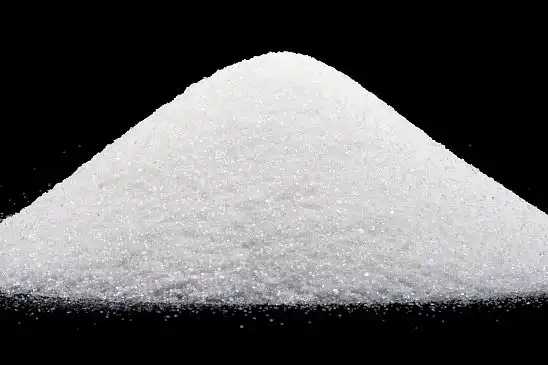
Welan Gum, which is also known by the CAS number 96949-22-3, is a special kind of anionic polysaccharide that is made when Alcaligenes bacteria process sugars in the air. This off-white to tan powder is very different from other thickeners because it has tetrasaccharide repeated units that are made up of D-glucose, D-glucuronic acid, L-rhamnose, and L-mannose. The presence of hydrogen bonds between glycoside rings on the polymer chain forms a three-dimensional network in water-based systems that makes the viscosity much higher while keeping the pseudoplastic behavior.
Chemical Structure and Unique Properties
The chemical structure of this biopolymer makes it very useful for use in the fields. Each repeated unit creates a stiff helical structure that doesn't break down at high temperatures and keeps working in pH ranges from 2 to 13. Unlike options like xanthan or guar, this fermentation-derived additive is very stable in high-calcium environments, which is very important for cement slurries and salty drilling fluids. The stuff that Xi'an TaiCheng Chem Co., Ltd sells comes in two special kinds, called Type 3810 and 4810. Each one is made to meet certain standards for viscosity and suspension in drilling and cementing.
Production Standards and Quality Assurance
Our product follows strict ISO9000-certified quality guidelines and is made through controlled microbial fermentation using carbohydrate feedstocks. The production method makes sure that the purity level is higher than 98%, and the wetness content must be below 13–15% at all times to keep microbes from getting into the product while it's being stored. It comes in 25 kg bags and is packed on pallets. Each batch goes through a lot of tests to make sure it is calcium compatible, thermally stable up to 150°C, and rheologically stable at different stress rates. These quality control measures make sure that all packages perform the same way. Samples can be ordered to make sure they work before they are bought, and the normal wait time is 7–10 days, which works with project schedules.
Performance Comparison: Welan Gum vs Other Gums in Mud Systems
Biopolymers such as Welan Gum are often compared by operators when they are making drilling fluids, but the differences between these materials have a big effect on how well the operations go. Traditional xanthan gum works well in moderate-temperature situations, but it breaks down quickly above 120°C, losing its density just when it's needed the most to support suspension. At first, guar products are cheaper, but they break down easily in the presence of germs and don't behave consistently when subjected to shear stress, which means they cost more to maintain and re-formulate.
Superior Thermal and Shear Stability
Field data from deep-well operations shows that Welan-based mud systems keep the goal viscosity at temperatures up to 150°C, while xanthan options lose 40–60% of their ability to thicken. The polymer's hard spiral structure keeps its shape when heated, which is why it is thermally resilient. When the material is being pumped during drilling, it has a very high viscosity at rest, which keeps the cuttings and bearing agents suspended, and a very low viscosity during pumping, which lowers friction pressure and equipment wear. This fake-plastic reaction happens on its own, without the need for complicated ingredient packages that raise the cost of the mixture.

Real-World Application Results
After moving to a Welan-modified drilling fluid for high-temperature horizontal wells, a midstream company in the Permian Basin saw a 35% drop in lost circulation events. Cutting beds couldn't form because the fluid could keep its gel power during breaks in circulation. This cut down on non-productive time by about 18 hours per well. In a different case, grouting work was done in deep water where calcium ion levels were higher than 8,000 parts per million. The Welan-containing cement mix didn't lose its viscosity or crystallize, but older versions based on xanthan needed expensive chelating agents to keep them from gelling.
Our ISO9000-certified facilities have tested mud systems and found that ones with 0.05 to 0.15% Welan Gum by weight regularly work better than ones with 0.2 to 0.4% xanthan concentrations. This means that the higher concentrations are more efficient, which saves money on purchases. Because the material works with common weighting materials, dispersants, and fluid-loss control agents, it makes manufacturing easier and improves the total performance of the system.
Cost Advantages of Welan Gum in Mud Systems Procurement
When buying something, unit price is what most people think about, but the overall cost of ownership tells a fuller story. Even though Welan Gum costs more per kilogram than other biopolymers, its better efficiency changes the economics of how mud systems work in a big way.
Dosage Efficiency and Long-Term Savings
Welan Gum usually has a concentration of 0.01% to 0.2% by water weight, while xanthan alternatives have concentrations of 0.3 to 0.6% and have similar rheological profiles. Because of this difference in concentration, a single 25 kg bag can hold a lot more drilling fluid, which saves money on shipping, storage, and work. When operators switch to Welan-based systems, they use 40–50% less rheology modifier, and total mud upkeep costs go down. This happens when they drill 10,000 feet into high-temperature formations.
Long-lasting temperature stability also lowers the number of times that reformulation is needed during drilling operations. In hot wells, conventional mud systems often need to have their density changed every 24 to 48 hours because the polymers break down. This means that more materials have to be shipped, and there is time lost for mixing. Fluids made with this advanced biopolymer keep their goal qualities for 72 to 96 hours under the same conditions. This makes drilling more efficient while also lowering the amount of chemicals used and the amount of waste that needs to be thrown away.
Strategic Sourcing Considerations
Choosing a dependable Welan Gum provider has a direct effect on the success of the project. Strategic relationships with GMP-certified makers with advanced fermentation technology are important to Xi'an TaiCheng Chem Co., Ltd. These partnerships ensure consistency from batch to batch, which gets rid of performance variability. Our global delivery network helps customers in North America, Europe, and emerging markets. We know a lot about foreign shipping rules, customs paperwork, and making sure that import and export rules are followed.
Options for buying in bulk can help you save even more money. Volume contracts get you better prices and make sure that you always have supplies that match your drilling plans. This is especially helpful because making specialty biopolymers takes 6 to 8 weeks of fermentation cycles. We work closely with procurement managers to predict demand based on drilling schedules. We make sure we keep enough inventory on hand to avoid project delays and keep working capital from getting stuck in too much stock.
Best Practices for Integrating Xanthan Gum into Mud Systems
If you mix this advanced addition the right way, you can get the most out of its rheological benefits while also avoiding common application problems. Because the material is very water-friendly, it needs to be carefully spread out so that "fish eyes" don't form. These are clumps that don't dissolve and cause problems with filter cakes downhole.
Recommended Mixing Protocols
When adding the powder slowly to a swirl of strongly stirred water, whether it's freshwater, seawater, or brine, the best hydration happens. In addition, the mixing tools should keep the shear rates above 1,000 rpm, and the stirring should last for 20 to 30 minutes to make sure that everything dissolves completely. Some workers get better results by mixing the dry powder with sand or cement first, before adding water. This is especially true when they are mixing in the field and don't have a lot of high-shear tools. The best water temperature for hydration rates is between 15°C and 35°C. Water that is too cold slows down dissolving, and water that is too hot (above 60°C) can cause gelling to happen too soon.
Synergistic Formulation Strategies
The Welan Gum works well with common drilling fluid parts and often makes them work better. When mixed with bentonite clay, the biopolymer lowers the amount of clay needed by 30 to 40 percent while also making the filter cake better. It works better with polyanionic cellulose (PAC) to stop fluid loss because the hard Welan network helps PAC's bridging action. When making weighted muds, the polymer's ability to suspend more barite without causing too much yield stress makes hole cleaning better in wellbores that aren't straight.
Every day, monitoring plans should include using field viscometers to measure viscosity at different shear rates. Usually, they should aim for Fann 600/300 rpm results that keep the right cutting transport ratios. Marsh funnel tests are a quick way to check the quality of a material. Values between 40 and 60 seconds show that the rheology is correct for most drilling situations. Periodic measures of gel strength show that 10-second and 10-minute gel growth stays within acceptable limits, which keeps pipes from getting stuck during hookups.
Environmental safety is another very important thing to think about. This bacterial polysaccharide breaks down naturally, which meets government standards in sensitive fishing areas like offshore platforms and protected land areas. Welan-based fluids can usually be disposed of in the same way as other industrial trash, unlike synthetic polymers that need special removal. This lowers the costs of environmental management and the risk of fines from regulators.
Future Outlook and Innovation in Xanthan Gum Applications for Mud Systems
High-performance biopolymers that match operating needs with environmental responsibility are becoming more and more popular in drilling fluid technology. Industry research is mostly focused on building hybrid products that mix Welan Gum with natural polymers that work well together. This makes it possible to create specific rheological profiles for geological problems like reactive shale formations or sands that don't stick together.
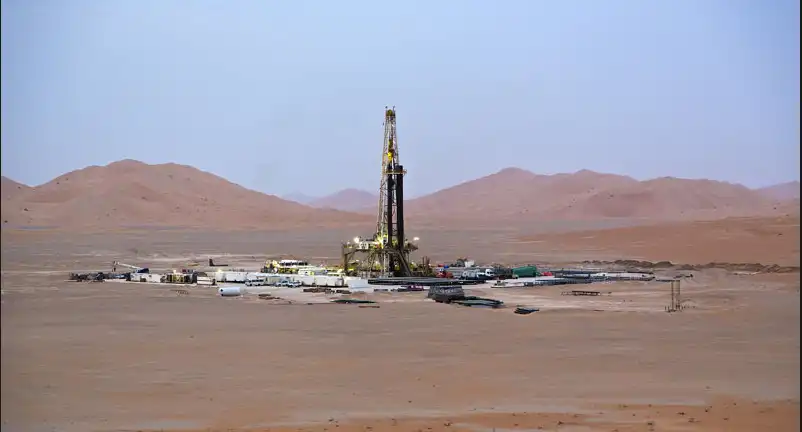
As fermentation biotechnology improves, producers will be able to use better bacterial types and feedstock, which could lead to more consistent products and lower production costs. Some research projects are looking into modifying versions with enzymes to get specific molecular weights. This would allow for even more customization for specific uses like low-solids digging or geothermal energy extraction.
The way workers use rheological agents is also changed by the move to digital. Downhole monitors that measure temperature, pressure, and fluid properties in real time make it possible for the mud system to be changed dynamically, and automatic dosing systems can adapt to new conditions. Biopolymer chemistry combined with digital drilling platforms is the next step forward in managing wellbores. Materials like Welan Gum will no longer be static fillers but will be part of clever fluid systems.
As drilling operations look for deeper, hotter, and more technically difficult reserves, strategic buying relationships will become more and more important. In competitive markets, suppliers who offer more than just goods will stand out. This includes providing full expert support, such as on-site formulation help, performance troubleshooting, and legal advice. At Xi'an TaiCheng Chem Co., Ltd., our commitment goes beyond just providing materials; we also work together with our customers to help them through every step, from coming up with the first recipe to analyzing the performance of the drilling afterward.
Conclusion
When it comes to tough mud system uses, Welan Gum stands out as an essential rheological modifier that offers performance benefits that regular hydrocolloids can't match. Its high temperature stability, ability to withstand calcium, and "pseudoplastic" behavior make it useful for deep-well drilling, sealing, and making special fluids. Initial purchase costs may be higher than generic options, but the total economic value—looking at how well dosages work, how much upkeep is needed, and how reliable operations are—shows clear benefits for operators who want to save money. As drilling conditions get tougher and environmental rules get stricter, this microbial biopolymer finds itself at the point where performance and sustainability meet. Its suppliers are dedicated to quality, stability, and relationships, which is another plus.
FAQ
1. How does welan gum perform compared to xanthan in high-calcium environments?
Welan Gum is more stable in cement slurries and salty muds with high calcium levels than xanthan. It keeps the viscosity where xanthan usually separates or stops working. Because it can handle calcium, many versions don't need to use expensive chelating agents.
2. What concentration ranges provide optimal performance in drilling fluids?
The dosage that works best is usually between 0.05% and 0.15% by water weight, but changes may need to be made for certain uses. Up to 0.2% concentrations are sometimes used in cementing, while 0.03 to 0.08% concentrations may work well for lightweight drilling muds. Exact needs are found through lab tests using real formation fluids and working situations.
3. Does this biopolymer affect cement setting times?
The substance mostly changes the texture of the cement rather than slowing it down chemically, having neutral to slightly delaying effects on its hydration. Testing for compatibility with certain kinds of cement and accelerators proves success in applications that need to be done quickly.
4. What storage conditions ensure product stability?
The hygroscopic powder needs to be kept cool and dry in cases that can't be opened. If stored correctly, it will stay effective for about 24 months. Humidity makes things clump and partially hydrate, which makes diffusion harder to do while mixing.
Partner with Taicheng for Premium Welan Gum Solutions
Xi'an TaiCheng Chem Co., Ltd is ready to help you improve the performance of your drilling fluid by providing approved, high-performance Welan Gum that is made to strict international standards. Our ISO9000-certified operations make sure that each batch is the same, which gets rid of formulation uncertainty. Our global transportation network also makes sure that materials get to project sites around the world regularly. Our expert team can help you with everything, from choosing the right product to fixing problems with its performance on-site, whether you're making high-temperature drilling fluids, specialized cementing systems, or uses that are sensitive to the environment. To help them make choices about specifications, procurement managers and drilling engineers can look at full technical datasheets, COA paperwork, and MSDS data. We offer reasonable prices for large orders, flexible wait times of 7–10 days, and free samples. We invite you to experience the performance and cost benefits of working with a reliable Welan Gum provider. Get in touch with our team at sales@tcc-ofc.com right away to talk about your specific mud system needs and find out how our unique chemical solutions help operations succeed in the toughest oilfield conditions.
References
1. Smith, R.K. & Anderson, P.L. (2021). Advanced Biopolymers in Oilfield Applications: Thermal Stability and Rheological Performance. Journal of Petroleum Technology, 73(4), 45-58.
2. Martinez, C.E. (2020). Comparative Analysis of Polysaccharide Viscosifiers in High-Temperature Drilling Fluids. SPE Drilling & Completion, 35(2), 112-127.
3. Thompson, J.D. & Wilson, K.R. (2022). Economic Optimization of Drilling Fluid Additives: Total Cost of Ownership Models. Oilfield Chemistry Quarterly, 18(3), 67-82.
4. Chen, L.H., Richards, M.J., & Foster, B.K. (2019). Microbial Polysaccharides in Cementing Operations: Performance Under Extreme Conditions. International Journal of Oil, Gas and Coal Technology, 22(1), 34-49.
5. Peterson, A.W. (2023). Sustainable Drilling Fluid Technologies: Environmental Compliance and Biodegradable Additives. Energy & Environmental Science Review, 16(2), 201-218.
6. Garcia, F.M. & Kumar, S.R. (2021). Rheological Behavior of Welan Gum in Saline Environments: Laboratory and Field Studies. Applied Clay Science, 205, 106042-106055.
Learn about our latest products and discounts through SMS or email