- English
- French
- German
- Portuguese
- Spanish
- Russian
- Japanese
- Korean
- Arabic
- Greek
- German
- Turkish
- Italian
- Danish
- Romanian
- Indonesian
- Czech
- Afrikaans
- Swedish
- Polish
- Basque
- Catalan
- Esperanto
- Hindi
- Lao
- Albanian
- Amharic
- Armenian
- Azerbaijani
- Belarusian
- Bengali
- Bosnian
- Bulgarian
- Cebuano
- Chichewa
- Corsican
- Croatian
- Dutch
- Estonian
- Filipino
- Finnish
- Frisian
- Galician
- Georgian
- Gujarati
- Haitian
- Hausa
- Hawaiian
- Hebrew
- Hmong
- Hungarian
- Icelandic
- Igbo
- Javanese
- Kannada
- Kazakh
- Khmer
- Kurdish
- Kyrgyz
- Latin
- Latvian
- Lithuanian
- Luxembou..
- Macedonian
- Malagasy
- Malay
- Malayalam
- Maltese
- Maori
- Marathi
- Mongolian
- Burmese
- Nepali
- Norwegian
- Pashto
- Persian
- Punjabi
- Serbian
- Sesotho
- Sinhala
- Slovak
- Slovenian
- Somali
- Samoan
- Scots Gaelic
- Shona
- Sindhi
- Sundanese
- Swahili
- Tajik
- Tamil
- Telugu
- Thai
- Ukrainian
- Urdu
- Uzbek
- Vietnamese
- Welsh
- Xhosa
- Yiddish
- Yoruba
- Zulu
Fluid Loss Additive FL910S Supplier Guide: Quality Factors to Consider
To protect the purity of operations, buying managers must look at more than one quality factor when they buy cementing additives for oil wells. Fluid loss additive FL910S is a special AMPS/AA copolymer solution made to stop water from getting into cement during initial and follow-up jobs. To find the best provider, you have to carefully look at their technical compliance, batch consistency, regulatory certifications, and long-term support skills. These are all things that have a direct effect on the safety of the wellbore, the efficiency of zonal isolation, and the project's economics in upstream oil and gas operations.
Understanding Fluid Loss Additive FL910S: Composition, Performance, and Application
Chemical Composition and Technical Specifications
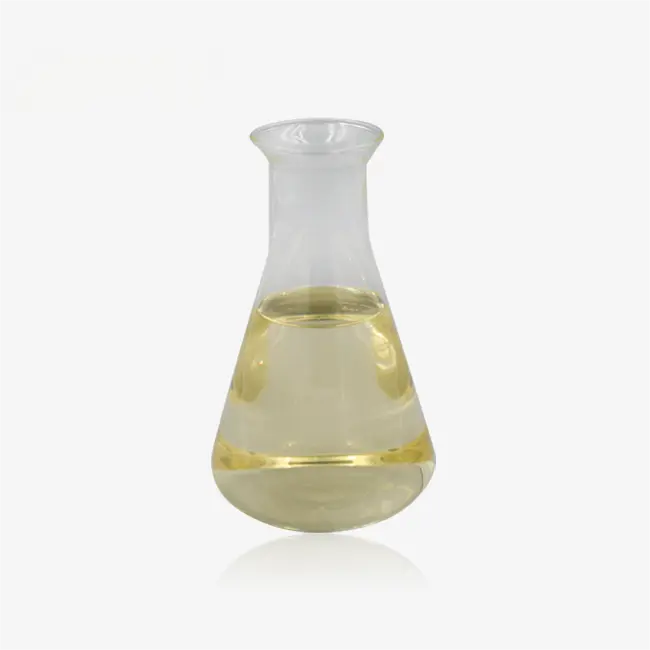
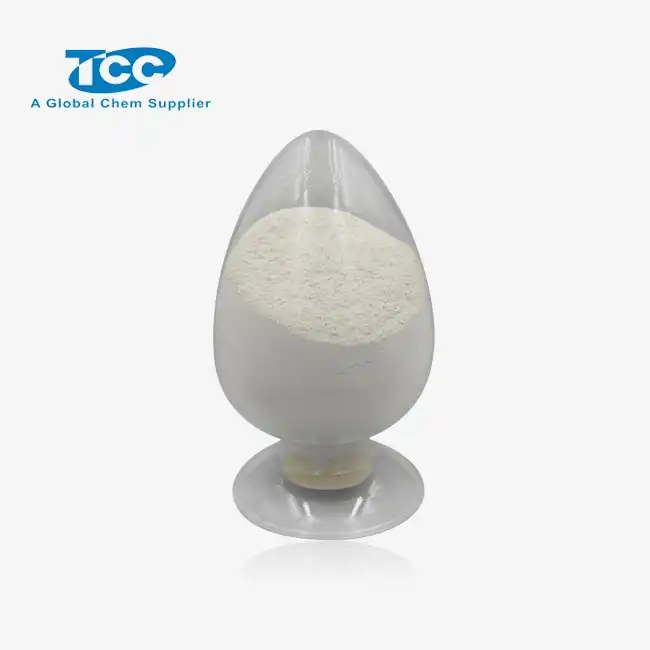
Fluid loss additive FL910S has an AMPS/AA copolymer structure that gives bonding systems two different functions. This white to pale yellow powder can handle a lot of salt, so you can mix it with fresh water, saltwater, or heavy brine solutions without it settling. The polymer chains form a filter cake with low permeability on the walls of the shaft. This stops water from moving into formations with low permeability while keeping the ability to pump slurry. Unlike lignosulfonate-based options, this formulation doesn't slow down the cement's hydration too much, so it keeps the key timelines for developing compressive strength for wellbore integrity.
The technical design can handle temperatures ranging from 30°C to 120°C, which means it can be used in wells that are shallow to moderately deep. Standard treatment rates are between 0.6% and 2.0% by weight of cement (BWOC), but they can be changed depending on how permeable the formation is and how the temperature changes over time. Lab tests following API RP 10B-2 regularly show API fluid loss volumes below 50 mL per 30 minutes at 1000 psi differential pressure, meeting strict standards for offshore and unconventional reservoirs.
Mechanism of Action in Cementing Operations
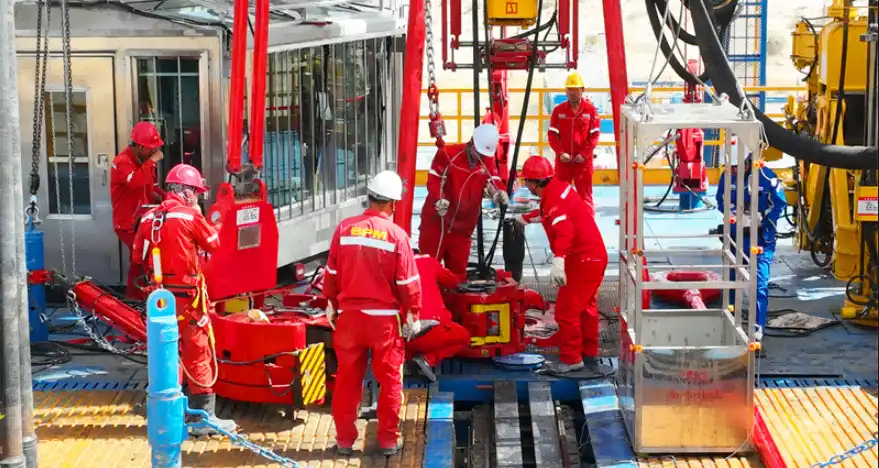
During the slurry placement process, the copolymer molecules stick to the cement particle surfaces and create networks of bridges inside the filter cake's pores. This two-part system stops both the movement of solids and the separation of liquids. It does this by keeping the atmospheric pressure equal during the important transition phase between pumping and the initial set. By stopping premature drying, Fluid loss additive FL910S makes sure that the cement columns are placed evenly and without any flaws that could cause channeling or bridging that would compromise zonal isolation.
The additive's ability to promote coagulation at low temperatures helps with problems that come up when digging in cold areas, where longer thickening times can cause gas to move or circulation to stop. The shorter time between thickening and initial setting cuts down on the window of risk. This is especially helpful in squeeze cementing, where exact placement control is key to a successful fix.
Primary Application Scenarios in Oilfield Services
This cementing agent is used by upstream users in three main ways. When cementing production casing strings for the first time, it ensures that there is full circular fill in small spaces and high-angle wellbores, where controlling fluid loss has a direct effect on the height of the cement. When high pressure is injected against micro-annuli, it needs stable rheology and managed filtrate loss to seal effectively. This is where its squeeze-cementing performance comes in handy. Offshore settings are different because they need to mix seawater, which can be hard. In this case, the salt-tolerant formulation keeps up its performance without affecting doses, which would raise the cost of shipping.
API Class G and Class H cements are both compatible with Fluid Loss Additive FL910S, which means that blend designs with retarders, dispersants, and gas movement control agents can be made in a variety of ways. Field tests in shale formations that tend to swell show that formation damage can be lessened by limiting the amount of filtrate that gets into the formation. This keeps the reservoir productive near the wellbore.
Quality Factors to Consider When Choosing an FL910S Supplier
Manufacturing Certifications and Quality Assurance Systems
When making choices about where to get things, sellers who use quality management systems that are known around the world must be given priority. Having ISO 9001 certification means that there are set process controls for checking raw materials, keeping an eye on production, and testing the finished product. Oilfield service companies need stability from batch to batch, which can be shown by testing API fluid loss, rheological profiles, and compressive strength. With every package, suppliers should include Certificates of Analysis (COA), Technical Data Sheets (TDS), and Material Safety Data Sheets (MSDS). These show that the product meets the requirements.
A lot of advanced sellers work together with GMP-certified factories that have temperature-controlled storage and packing lines that don't get contaminated. This structure keeps the hygroscopic polymer from absorbing water, which would otherwise cause it to harden and lose its effectiveness. Checking for A-level taxpayer status and regulatory licenses gives you even more peace of mind about the honesty of operations and the long-term security of your business.
Technical Support and Customization Capabilities
When digging in places that are hard to get to, you need formulas that can change based on the geology and operations. Reliable providers give expert advice on how to get the best dosage, test compatibility with custom cement mixes for each client, and fix problems with field performance. When you have access to experienced concrete engineers who know how to work with lost circulation zones, high-pressure/high-temperature conditions, and sour gas environments, you can turn business relationships into strategic partnerships.
Customization includes changes to both the recipe and the package. As part of bulk supply deals, normal 25 kg bags may need to be changed to supersacks or other containers that can work with automatic batching systems at drilling sites that are far away. Responding to these logistical needs by suppliers cuts down on operational problems and helps with just-in-time inventory management, which is important for drilling plans.
Environmental and Safety Compliance Standards
Modern buying must be in line with safety rules and goals for the environment. The Fluid loss additive FL910S should meet the environmental standards for using chemicals in offshore activities. These standards include limits on release and rules for biodegradability. Suppliers who are open about their environmental impact—through documented efforts to reduce waste, energy-efficient manufacturing, and lifecycle assessment data—have an edge in ESG-conscious business buying systems.
Safety paperwork must include instructions on how to handle things, what personal safety equipment to wear, and what to do in an emergency. Complete danger communication materials allow safe storage and use in international operations that have to follow different sets of rules, such as U.S. Bureau of Safety and Environmental Enforcement (BSEE) standards from the Gulf of Mexico to local rules in developing countries.
FL910S Fluid Loss Additive in Market Comparison and Cost-Benefit Analysis
Performance Benchmarking Against Alternative Solutions
By comparing them to polymer-based alternatives, they show clear practical benefits. Traditional cellulose products are sensitive to salt and can only work at certain temperatures. The AMPS/AA copolymer structure, on the other hand, stays useful over a wider range of temperatures and salt levels. Synthetic latex systems can stop gas movement, but they are more complicated and cost more than specialty Fluid loss additives FL910Ss, that do the same job.
Field performance data from squeeze cementing jobs shows success rates of over 85% when using properly designed Fluid loss additive FL910S mixes, compared to only 65-70% when using regular additives that can't handle salt. Less need for corrective reWork operations means real cost savings. Premium pricing is justified by comparing the total cost of ownership instead of just unit prices.
Procurement Economics and Volume Considerations
Beyond the original quotes, strategic buyers look at pricing systems. Volume discount rates usually go into effect at 5-ton, 10-ton, and containerload (20+ ton) levels. For yearly contract agreements, savings can reach 15–25%. Most of the time, the minimum order quantity (MOQ) is one ton, but sellers with well-established logistics networks may be able to handle smaller test amounts for qualification programs.
To handle lead times, you need to know how to ship items and how long production processes last. Standard production windows of 7–10 days give time for quality checks before shipping. Ocean freight from factories in China to the U.S. averages 25 to 35 days at Gulf Coast ports, which means that stocking buffer plans are needed. There are choices for air freight for immediate needs, but the higher prices (3-5 times ocean rates) make them only economically viable in critical well intervention situations.
Validation Through Industry Experience and Case Studies
Third-party validation increases trust in the seller selection process. Real-life performance data comes from published case studies from well-known operators in unusual wells in the Permian Basin, deepwater projects off the coast of Brazil, or high-pressure basins in the Middle East. Testimonials that talk about specific problems, like keeping the slurry stable in long horizontal parts or getting full annular coverage in washout zones, give useful information that goes beyond what is needed in the lab.
Ask providers for names of their current customers in the area where you do business. Talking to similar businesses directly reveals things that can't be measured, such as how quickly they respond to problems in the supply chain, how flexible their payment terms are for long-term projects, and how willing they are to support field testing of changed formulas without charging exorbitant prices.
Procurement Process for FL910S: How to Buy from Trusted Suppliers
Identifying Authorized Distributors and OEM Partners
Real supply lines start with makers that have been checked out and whose production records can be tracked. Ask for factory audit records or third-party inspection papers that prove the factory's ability to make things and its quality infrastructure. Authorized distributors should have special or preferred ties with makers. This can be shown by distribution deals and proof that their sales staff has received technical training.
Finding fake chemicals is still hard, but it's very important. Holographic labels, batch coding systems, and direct proof from the maker of lot numbers can all be used to make sure that the packaging is real. Chemical fingerprinting, which uses methods like Fourier-transform infrared spectroscopy (FTIR) or nuclear magnetic resonance (NMR), can find changes in the makeup of samples that show they have been tampered with or substituted.
Order Placement and Logistics Coordination
Clear sharing of requirements is the first step toward streamlined buying. In purchase orders, you should list the API standards that apply, the certifications that are needed, and the quality standards that must be met. For new relationships, payment terms usually include a 30–50% advance fee, with the rest due against a bill of lading. After a while, terms change to net-30 or net-60 once a supply history is established.
When coordinating logistics, it's important to pay attention to the shipping paperwork needed to clear customs. This includes dangerous goods statements if the type of product needs special treatment. When suppliers offer delivered duty paid (DDP) terms, they take care of both the customs tax and the domestic freight, which makes international trade easier. Container consolidation services help people who need to buy a lot of chemical additives by sharing shipping space and lowering the cost of freight.
Sample Testing and Trial Run Protocols
Risk-removal from big agreements by using organized programs to get qualified. Ask for 5–10 kg samples to be sent to a lab for testing. The lab will measure API fluid loss, look at thickening time with your normal cement recipe, and make sure the samples will work with any other additives that are planned. To make sure the performance works in real-world conditions instead of idealized lab settings, copy expected field conditions like matching temperature, pressure, and water chemistry.
If the tests go well in the lab, they should move on to small tests in the field, like treating 500 to 1000 barrels of cement for a single well or well part. Check important performance markers like how well the cement can be pumped, how well it can stop fluid loss, how well the cement sticks together using cement evaluation logs, and how the compression strength grows. Systematically record results to create internal specification databases that help with future purchasing choices and ranking of seller performance.
Ensuring Long-Term Satisfaction: Maintenance, Compatibility, and Support
Integration with Existing Fluid Systems and Equipment
Successful use in a variety of bonding projects depends on how well the chemicals work together. The Fluid loss additive FL910S ingredient needs to work well with dispersants (which control the rheology of the slurry), retarders (which control the time it takes to thicken), and weighting agents (which change the density). Incompatibilities show up as flocculation, too much viscosity buildup, or uncertain set time behavior. All of these risks can be reduced by conducting organized blending trials in the lab before putting the mixtures to use in the field.
Equipment support includes methods for moving large amounts of stuff. When using pneumatic transfer systems, you need to pay attention to how powder moves and how sensitive they are to moisture. For correct dosing through volumetric or gravimetric feeders, automated batch plants need a uniform spread of particle sizes. Suppliers should give readings of bulk density and angle of rest that are used to build storage hoppers and set rules for moving materials.
Ongoing Performance Monitoring and Optimization
To maintain greatness, you need to keep improving your processes and work with suppliers to do so. During regular performance reviews, field data trends are looked at. This includes keeping track of fluid loss test results across multiple wells, comparing expected and real thickening times, and finding a link between changes in additive dose and the quality of the cement bond. Statistical process control methods find chances to improve performance or lower costs by changing the dose or formula in a way that makes it work better.
When conditions in the field change, like when drilling into new formation intervals or changing well designs, proactive providers start expert discussions. Researchers can work together to find solutions to new problems when they have access to research and development tools. For example, they can deal with geothermal wells that have unexpected temperature profiles or change formulations for carbon capture and storage cementing uses that need to be resistant to CO2.
Best Practices for Storage and Handling Protocols
Your investment is safe as long as the purity of the product is maintained throughout the supply chain. Keep packaged goods in stores that are climate-controlled so that the temperature stays between 10°C and 30°C and the relative humidity stays below 60%. Use first-in, first-out inventory movement to get rid of old stock within 24 months of its expiration date. When you receive the package, check to see if it is complete and reject any bags that show signs of wet damage or physical risk.
Handling procedures should keep dust levels low during shift operations to protect workers' lungs and keep products from going missing. For high-volume processes, closed-loop transfer systems with dust collection tools are the best way to go. Teach the people working on the rig how to mix the concrete properly. For example, dry-blending with cement before adding water stops "fish-eye" clumping, which wastes material and makes the concrete less effective.
Conclusion
To find the best Fluid loss additive FL910S provider, you need to weigh technical performance standards, quality assurance methods, cost, and the chance of a long-term relationship. Procurement managers should give more weight to providers who can show they have all the necessary certifications, do great work with production, and offer quick expert help. Critical wellbore sealing operations have risks that need to be carefully evaluated through lab tests, field trials, and reference confirmation. Because oil and gas uses have specific needs, they need producers who understand how complicated operations can be and provide consistent, field-proven chemical solutions. Strategic sourcing relationships based on openness, professional cooperation, and a shared dedication to operating quality are what decide the long-term cost-effectiveness and success of a program.

FAQ
1. What advantages does FL910S offer compared to other fluid loss additives?
This Fluid loss additive FL910S mixture works great in salty conditions where other cellulose-based fillers don't. It keeps working the same way in seawater or brine mixing fluids without needing more of it. Fluid loss control and low-temperature coagulation promotion work together to shorten the weak spots during the setting of cement, which lowers the risk of gas movement. Unlike additives that slow down the growth of compressive strength, it keeps the timelines that are important for wellbore integrity.
2. How can I verify supplier authenticity and product quality?
Ask for a lot of paperwork, like ISO 9001 certificates, a batch-specific COA with API fluid loss test results, and information on the maker that can be tracked. FTIR spectroscopy should be used in an independent lab to prove the polymer makeup. Ask facility owners in your area for facility audit results and client references. Real sellers are happy to be open about their manufacturing partnerships and quality control methods.
3. Are there environmental concerns associated with this cementing additive?
Chemical release rules for offshore environments are met by modern AMPS/AA copolymer formulas. The stuff isn't very harmful to water and doesn't have any heavy metals or lingering organic toxins in it. Suppliers that care about the environment give information on life cycle assessments and how to use green chemistry in production processes. Safe environmental management is ensured throughout the product's lifetime by following the handling and removal instructions given in the MSDS.
Partner with Taicheng for Reliable Fluid Loss Additive FL910S Supply
Xi'an Taicheng Chemical is a reliable company that makes and sells high-performance grouting additives that are made for tough oilfield uses. Our Fluid loss additive FL910S has been shown to effectively control filtration and is backed by ISO 9001 certification and A-level government approval, which show that we always adhere to high-quality standards. Strategic relationships with GMP-certified facilities make sure that each batch is the same and that the supply is reliable, which is very important for keeping drilling operations going. We have reasonable bulk prices, a range of packing choices, from 25 kg bags to custom formats, and quick production cycles of 7–10 days. We also offer global logistics support through ocean freight, air cargo, or fast courier services. Our expert team offers full support, which includes recipe optimization, compatibility testing, and troubleshooting in the field, turning the purchase of chemicals into strategic partnerships. You can email our knowledgeable staff at sales@tcc-ofc.com to get product samples, technical data sheets, or personalized quotes for your next sealing project. Find out why leaders in the field trust Taicheng to provide reliable, field-tested chemical solutions that boost working efficiency and lower wellbore risk.
References
1. American Petroleum Institute. (2013). Recommended Practice for Testing Well Cements (API RP 10B-2). Washington, DC: API Publishing Services.
2. Nelson, E. B., & Guillot, D. (2006). Well Cementing (2nd ed.). Sugar Land, TX: Schlumberger Educational Services.
3. Calvert, D. G., & Smith, D. K. (1990). API Oilwell Cementing Practices. Dallas, TX: American Petroleum Institute.
4. Benge, G. (2009). "Improving Wellbore Integrity with Enhanced Cement Formulations." Journal of Petroleum Technology, 61(5), 48-54.
5. Sanjuan, B., Pineda, P., & García, J. A. (2015). "Fluid Loss Additives for Oil Well Cementing: Performance Evaluation Under High Salinity Conditions." SPE Drilling & Completion, 30(3), 215-224.
6. Broni-Bediako, E., & Amorin, R. (2010). "Effects of Fluid Loss Additives on the Properties of Cement Slurries." Petroleum & Coal, 52(4), 250-257.
Learn about our latest products and discounts through SMS or email