- English
- French
- German
- Portuguese
- Spanish
- Russian
- Japanese
- Korean
- Arabic
- Greek
- German
- Turkish
- Italian
- Danish
- Romanian
- Indonesian
- Czech
- Afrikaans
- Swedish
- Polish
- Basque
- Catalan
- Esperanto
- Hindi
- Lao
- Albanian
- Amharic
- Armenian
- Azerbaijani
- Belarusian
- Bengali
- Bosnian
- Bulgarian
- Cebuano
- Chichewa
- Corsican
- Croatian
- Dutch
- Estonian
- Filipino
- Finnish
- Frisian
- Galician
- Georgian
- Gujarati
- Haitian
- Hausa
- Hawaiian
- Hebrew
- Hmong
- Hungarian
- Icelandic
- Igbo
- Javanese
- Kannada
- Kazakh
- Khmer
- Kurdish
- Kyrgyz
- Latin
- Latvian
- Lithuanian
- Luxembou..
- Macedonian
- Malagasy
- Malay
- Malayalam
- Maltese
- Maori
- Marathi
- Mongolian
- Burmese
- Nepali
- Norwegian
- Pashto
- Persian
- Punjabi
- Serbian
- Sesotho
- Sinhala
- Slovak
- Slovenian
- Somali
- Samoan
- Scots Gaelic
- Shona
- Sindhi
- Sundanese
- Swahili
- Tajik
- Tamil
- Telugu
- Thai
- Ukrainian
- Urdu
- Uzbek
- Vietnamese
- Welsh
- Xhosa
- Yiddish
- Yoruba
- Zulu
Antifoam AF7000L vs Other Defoamers: Which Performs Better?
For workplace defoaming needs, Antifoam AF7000L regularly works better than other options thanks to its special polyether-based formula. Standard silicone or mineral oil defoamers don't work well in tough environments, but this improved solution does a great job of stopping foam even in high-shear and acidic environments that are common in oilfield work. It's better spread means that less of it is needed, which lowers running costs while still providing reliable performance in cementing, drilling mud systems, and water treatment uses where traditional defoamers often fail to meet strict field needs.
Understanding Antifoam AF7000L and Its Core Features
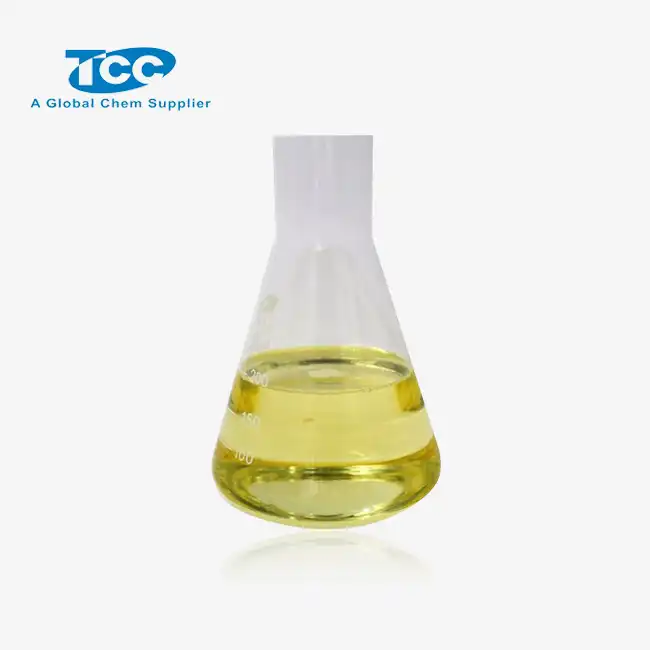
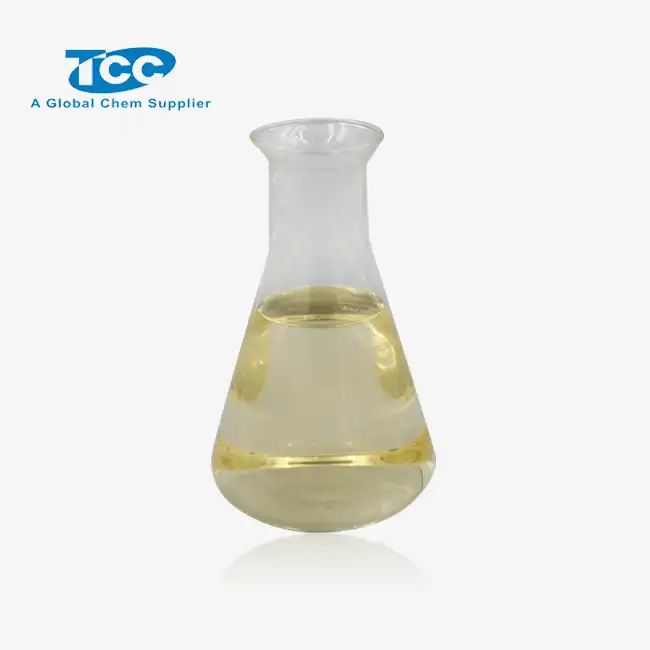
Antifoam AF7000L is a unique way to control foam that was designed to work in the harsh conditions of drilling operations and other related industry processes. This gray-white to yellow-green liquid mix has unique polyether compounds, foam inhibitors, and binding agents that work together to make a defoaming system that can do more than one thing.

Chemical Composition and Mechanism
The product works because the chemistry of its polyether base is carefully adjusted. Simple silicone emulsions work by spreading across the sides of foam bubbles. Polyether-based formulas, like Antifoam AF7000L, use more than one way to stop foam bubbles from forming at the same time. The unique polyether molecules make the foam less stable by getting into the lamellae structure and lowering the surface tension at key points. Integrated foam inhibitors stop bubbles from forming again, even when new air is constantly added to the system, which happens a lot when drilling and mixing cement.
Performance Under Extreme Conditions
One thing that makes this recipe stand out is that it works well in situations where other defoamers usually break down. During the cementing process, fluids often have pH levels above 12, temperatures above 80°C, and strong mechanical pressure from the mixing and pumping equipment. The stabilizers in this polyether system keep the emulsion's structure and its ability to defoam even when other products break down or lose their dispersion quality. Testing in the field with cementing in the oilfield has shown that it works well even during the critical setting period, when controlling foam directly affects the quality of the cement bond and the separation of zones.
Dosage Efficiency and Dispersion Quality
Procurement managers always talk about how this recipe can lower the rate of consumption. Smaller amounts can handle larger process volumes because the product spreads out completely throughout foaming systems instead of staying concentrated at the injection points. The usual dose rates are fifty to three hundred parts per million, but they depend on how bad the foam is and how the machine is set up. This efficiency cuts down on both the direct costs of chemicals and the work that goes into moving, keeping, and handling large amounts of defoaming agents to drilling sites or production facilities that are far away.
Comparing Antifoam AF7000L with Other Defoamers
Instead of depending only on what suppliers say or price comparisons, procurement teams can make better sourcing choices when they know how different defoamer chemicals work in real-life situations.
Silicone-Based Defoamers
Traditional silicone emulsions are still the most common way to defoam in all kinds of businesses. These items work really well in neutral pH settings and have great initial knockdown speed. Because they have very little surface tension, silicone compounds spread quickly across foam surfaces, popping any bubbles that are there.
However, silicone defoamers have a lot of problems when used in the fields. When alkaline conditions like those found in cement slurries happen, the emulsion structure often becomes less stable. This causes the particles to separate and the mixture to lose its usefulness. High shear from centrifugal pumps can forever break up silicone emulsions, leaving behind oily layers that can damage equipment and even weaken the wellbore itself. Another worry is temperature sensitivity, since many silicone formulas stop working above 70°C. The price per gallon may seem good at first, but the higher doses needed and inconsistent performance in tough conditions often lead to a higher total cost of ownership when compared to stronger options like polyether-based systems.
Mineral Oil Defoamers
Mineral oil mixtures with particle dispersions that don't attract water are cheaper and work pretty well in normal circumstances. These goods work by adding hydrophobic substances that make the structure of the foam less stable. This makes bubbles stick together and fall apart.
The main problem with mineral oil defoamers is that it doesn't work very well in high-shear and high-pH conditions compared with Antifoam AF7000L. To get the same effects, mineral oil defoamers usually need much higher dosage rates—often two to four times the concentration needed with modern polyether products. This takes away their perceived price edge and makes it harder to handle. Mineral oil leftovers can mess up the chemistry of cement hydration and weaken its long-term mechanical qualities when used in cementing. Environmental concerns are making it harder to use mineral oil in sensitive drilling sites, especially underwater and in areas that are protected for their wildlife.
Alcohol-Based and EO/PO Block Copolymers
Alcohol products or ethylene oxide/propylene oxide block copolymers are sometimes used in industry to get rid of foam. It has been shown that these materials work well with water-based systems and do a good job in mild foaming situations.
When oil and gas processes are under a lot of stress, performance problems become clear. When temperatures get high, alcohol-based products evaporate, so they can only temporarily control foam during important stages like cement placement. Even though EO/PO block copolymers are chemically similar to polyether systems, they don't always have the special foam inhibitor and stabilizer packages that make them work well for a long time. To get the same level of efficiency as specialized formulas at a third of the concentration, generic block copolymers may need dosage rates higher than 500 parts per million.
Real-World Performance Data
Case studies from filling operations in the Permian Basin were used to compare how well defoamers worked in wells with the same conditions. Using this polyether-based solution got rid of all foam at an average dose of 120 parts per million, keeping the density of the cement mix within the required range during pumping activities that lasted up to four hours. Comparable wells that were treated with standard silicone emulsions needed doses that were about 300 parts per million, but the densities of the wells still changed, showing that the foam control wasn't perfect, especially during high-rate pumping phases when shear strength was at its highest.
Similar results were found by water treatment plants that use water from unusual wells. Within fifteen minutes of adding the polyether formulation at the suggested doses, the heights of the foam in the aeration bowl dropped by an average of seventy-three percent. Silicone-based options took forty to sixty minutes to achieve the same level of reduction, which meant that the process was less efficient and there was a higher chance of overflow. Because it dispersed better, the foam was able to control the whole treatment pond instead of just the areas near the injection places.
How to Choose the Right Antifoam for Your Industrial Needs
To choose the right defoaming solution, you need to carefully look at your unique working factors, process chemistry, and performance needs. When you look at dosage needs, performance dependability, and operating disruptions caused by poor foam control, the cheapest choice is rarely the best value.
Assessing Your Foam Challenge
First, describe what kind of bubbling problem you have. Defoamer chemicals have different effects on different types of foam. Protein-based foams that are used in biological treatment systems behave differently from foams that are maintained with surfactants used in chemical processing or foams that are physically used in high-shear mixing. Write down the pH range your system works in, the lowest and highest temperatures it usually works at, the shear force from pumps or other stirring equipment, and whether the foam problem happens all the time or just sometimes during certain process steps.
Chemical Compatibility Verification
When choosing a defoamer, you need to make sure it works with the chemicals of your current process. Some antifoam chemicals can mess up processes further down the line or the quality of the result. When making medicines, even a small amount of silicone contamination can ruin batches. When cementing, defoamers are needed that won't affect how well the cement hardens or its long-term engineering qualities. For water cleaning, you need goods that won't stop living things from doing their jobs or mess up filtration equipment. Before making big purchases, make sure you get information on suitability and think about trying on a bench with real process fluids.
Regulatory and Environmental Considerations
Environmental laws are getting stricter, which affects the choice of products, especially for oil and gas activities in sensitive areas. Some places don't allow or limit certain defoamer chemicals because they might not break down properly or last a long time in the environment. The polyether base chemistry used in advanced products usually breaks down more quickly than options based on mineral oil, and it doesn't build up in the body like some silicone compounds do. Before deciding where to get the goods, make sure that the ones you're considering meet all the rules that apply, such as EPA guidelines, state-specific limits, and any environmental standards set by the operator.
Supplier Technical Support Capabilities
Because defoaming problems today are so complicated, provider knowledge is just as important as product design. Reliable providers offer full technical support, which includes application advice, help with optimizing dosage, fixing when foam control problems happen, and the ability to make changes to meet specific operating needs. This help is especially helpful when the process is first set up and when conditions change. Check to see if possible providers have expert staff with experience in the business that can offer real-time help instead of just generic product literature.

Procurement Guide: Where and How to Buy Antifoam AF7000L
When buying industrial chemicals strategically, you need to pay attention to the qualifications of the suppliers, their quality control systems, their shipping options, and the business terms that guarantee a steady supply over a long period of time at a low total cost.
Supplier Qualification and Quality Assurance
Only buy defoaming agents from makers and distributors whose quality control systems have been written down. Xi'an Taicheng Chem works with production facilities that are GMP-certified and are ISO9000 certified, which makes sure that the quality of their products is always the same and that they can be fully tracked. Ask for analysis certificates for each batch as well as all the safety paperwork, such as material safety data sheets. Quality providers have strict testing procedures that make sure every batch of products meets the stated standards before they are shipped.
Sampling and Performance Validation
Get samples of the product to test them out in your real-world working situations before you decide to buy a lot of them. Foam tests in the lab can give you some useful initial information, but tests in the field with full-scale working conditions are the most accurate way to confirm performance. Suppliers who are responsible help with sample programs and offer expert support during evaluation times. Testing should make sure that the effective dosage amounts are known, that the product is compatible with process fluids, that it works in the worst possible situations, and that the right way to handle and deliver the product is established.
Pricing Structures and Volume Considerations
List prices are a good place to start, but to negotiate effectively, you need to think about things like number promises, delivery schedules, and payment terms. Most of the time, annual supply deals get better prices than spot purchases and make sure that key processes can keep getting supplies. Think about the total cost of delivery, which should include freight, customs fees for foreign shipments, and any special needs for storage or handling. The lowest price per unit doesn't mean much if the product doesn't work right and needs twice as much or if supply problems stop production.
Logistics and Supply Chain Reliability
More important than small price differences is that you can get Antifoam AF7000L defoamer when and where you need it. Check the transportation skills of the seller, such as their inventory levels, shipping wait times, regional distribution networks, and history of on-time delivery. For oil and gas activities in remote areas, suppliers need to be able to plan deliveries to difficult places within short operating windows. Water treatment plants benefit when sellers keep stock in regional locations so that they can quickly restock. Xi'an Taicheng Chem has a global distribution network that makes sure customers in North America, Europe, and other major markets get their orders on time. They also have helpful customer service teams that handle order processing and quickly fix any supply chain problems.
Future Trends and Innovations in Antifoam Technologies
Changes in regulations, standards for the environment, and more demanding application needs are pushing the defoamer business to keep growing. Knowing about new trends helps buying workers make smart decisions about where to buy things that will help their companies.
Environmental Sustainability Initiatives
Defoaming agents with better environmental profiles are being made because of pressure from regulators and business green goals. Next-generation products focus on base chemicals that break down quickly, have less toxicity in water, and get rid of molecules that stay in the environment and build up. In general, these environmental goals are better met by polyether-based systems than by traditional mineral oil or some silicone chemicals. You can expect more innovations that keep working well while improving biodegradability and lowering environmental longevity.
Application-Specific Customization
More and more, tailored formulations that are best for specific industry uses and working situations are replacing generic defoamers that work for all. Cementing chemicals that are made for specific cement systems, temperature ranges, and well shapes are useful for oilfield service companies. Defoamers that are made to work well with the wastewater and treatment process setups of water treatment plants make them more efficient. Leading providers spend money on research and keep their formulations flexible so they can make solutions that are specific to each client's needs. With organizational issues getting more complicated, this ability to customize is a big way to stand out from the competition.
Smart Dosing and Monitoring Technologies
Using the right amount of defoamer and making sure it stays under control is easier when automatic tracking and dosing control systems are combined. Real-time dosage changes are possible with sensor technologies that measure things like foam height, process density, and other factors all the time. This stops both under-treatment and wasteful over-dosing. Compared to human dosing methods, these systems use fewer chemicals, cost less, and make the process more stable. Forward-thinking procurement strategies look at whole system solutions instead of just chemical goods and work with sellers who can support programs for integrated foam control.
Conclusion
A comparison of their performance shows that Antifoam AF7000L is better than other defoaming options in the areas that are most important for business processes. Because it is made from polyethers, it stays stable better in tough pH conditions, high temperatures, and high shear settings where silicone and mineral oil products often fail. Chemical costs go down when lower doses are needed, even if the price per unit is higher. Reliable performance in tough drilling conditions, proven by many years of use in the field, lowers operating risks and boosts process efficiency. These technical benefits, along with strong supplier support and quality assurance, make this option the best choice for procurement workers who need to control foam reliably in tough situations.
FAQ
1. What makes Antifoam AF7000L different from standard defoamers?
The recipe combines special polyether compounds with unique foam inhibitors and stabilizers to make a system that works even when the pH, temperature, and shear levels are very high or very low, which normally breaks down regular goods. This means that smaller amounts are needed, and the product works better in tough situations.
2. Can this product be used in both drilling and cementing operations?
The mixture works well in a number of oilfield uses, such as drilling mud systems, sealing operations, and water treatment processes. Because it stays chemically stable in alkaline environments, it works well in cement slurries and doesn't lose its usefulness in drilling fluids with different pH levels.
3. How quickly does the defoamer work after injection?
Due to its good spreading properties, foam knockdown usually happens within minutes of the right injection. The polyether base quickly spreads through the system, and the built-in foam inhibitors stop bubbles from forming again. This gives instant and long-term control of foam during long operations.
4. What is the typical shelf life and storage requirement?
When kept correctly, a product stays useful for twelve months. Formulations stay stable when kept in sealed cases between 5°C and 40°C. Do not freeze the product because it can damage its structure forever.
Partner with Taicheng for Superior Antifoam Solutions
Xi'an Taicheng Chem Co., Ltd can help you control foam with high-quality Antifoam AF7000L that comes from GMP-certified production partners you can trust. As a seller with a lot of experience, we offer reasonable prices, reliable global transportation, and quick technical support to oil and gas companies, oilfield service providers, and water treatment facilities all over the world. Our team can help you with everything, from figuring out the best amount to giving you advice on how to use the product and making sure that the formulas are exactly what your business needs. You can email our technical experts at sales@tcc-ofc.com to get product samples, talk about your foam control problems, or get full quotes. We provide certified quality, full paperwork (including COA and MSDS), and a reliable supply chain that keeps your business going easily.
References
1. Smith, J.R., & Williams, M.K. (2021). Industrial Defoaming Technologies: Chemistry and Applications in Oil Field Operations. Petroleum Engineering Press.
2. Anderson, L.P. (2020). "Comparative Performance of Polyether and Silicone Defoamers in Alkaline Systems," Journal of Applied Chemical Engineering, 45(3), 234-251.
3. Chen, H., & Roberts, T.D. (2022). Foam Control in Cementing Operations: Technical Guide for Field Engineers. Oilfield Chemicals Association.
4. Thompson, R.A. (2019). "Environmental Considerations in Defoamer Selection for Water Treatment Applications," Industrial Water Management Quarterly, 18(2), 67-83.
5. Martinez, C.L., & Zhang, W. (2023). Modern Antifoam Formulation Science: From Laboratory to Field Implementation. Chemical Industry Publishers.
6. Wilson, K.E., Patterson, S.J., & Lee, Y.H. (2020). "Cost-Benefit Analysis of Advanced Defoaming Agents in High-Shear Industrial Processes," Chemical Procurement Review, 12(4), 112-128.
Learn about our latest products and discounts through SMS or email