- English
- French
- German
- Portuguese
- Spanish
- Russian
- Japanese
- Korean
- Arabic
- Greek
- German
- Turkish
- Italian
- Danish
- Romanian
- Indonesian
- Czech
- Afrikaans
- Swedish
- Polish
- Basque
- Catalan
- Esperanto
- Hindi
- Lao
- Albanian
- Amharic
- Armenian
- Azerbaijani
- Belarusian
- Bengali
- Bosnian
- Bulgarian
- Cebuano
- Chichewa
- Corsican
- Croatian
- Dutch
- Estonian
- Filipino
- Finnish
- Frisian
- Galician
- Georgian
- Gujarati
- Haitian
- Hausa
- Hawaiian
- Hebrew
- Hmong
- Hungarian
- Icelandic
- Igbo
- Javanese
- Kannada
- Kazakh
- Khmer
- Kurdish
- Kyrgyz
- Latin
- Latvian
- Lithuanian
- Luxembou..
- Macedonian
- Malagasy
- Malay
- Malayalam
- Maltese
- Maori
- Marathi
- Mongolian
- Burmese
- Nepali
- Norwegian
- Pashto
- Persian
- Punjabi
- Serbian
- Sesotho
- Sinhala
- Slovak
- Slovenian
- Somali
- Samoan
- Scots Gaelic
- Shona
- Sindhi
- Sundanese
- Swahili
- Tajik
- Tamil
- Telugu
- Thai
- Ukrainian
- Urdu
- Uzbek
- Vietnamese
- Welsh
- Xhosa
- Yiddish
- Yoruba
- Zulu
Fluid Loss Additive FL310S Supplier Guide: Quality Factors to Consider
When choosing an oil and gas cementing fluid loss control agent, it's important to know the technical details and provider records of the one you're considering. Not doing so could mean the difference between a well that works perfectly and one that fails and costs a lot of money to fix. Fluid loss additive FL310S is a special kind of polymer-based AMPS/AA copolymer that is added to cement mix to control how much water filters into forms during the cementing process. To find a good supplier, you need to look at their quality control systems, how well they follow regulations, how well they can customize their products, and how long they offer expert help. This guide tells buying professionals about important quality factors to think about when looking for this important cementing additive. This will help you make smart choices that protect both project costs and working efficiency.
Understanding Fluid Loss Additive FL310S: Key Properties and Applications
Chemical Composition and Performance Mechanism
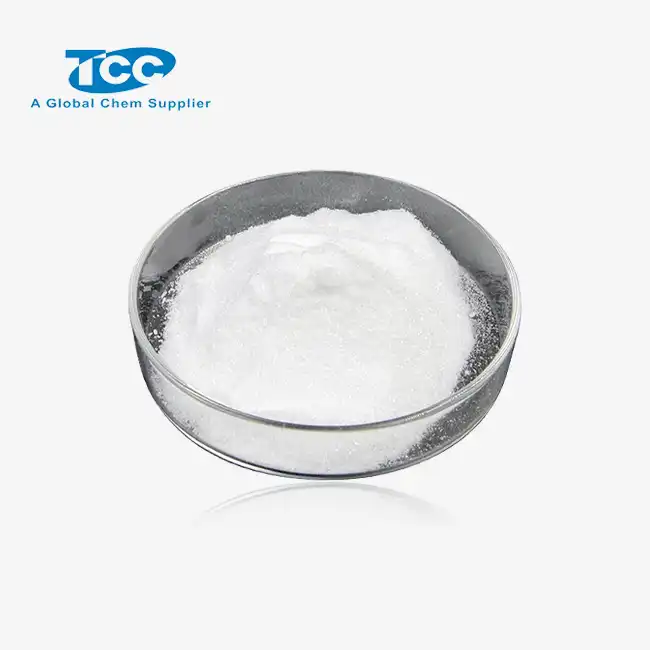
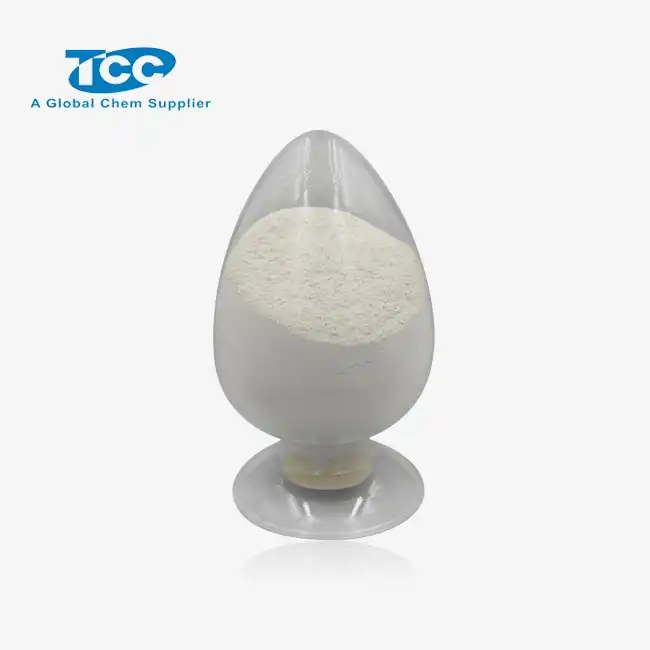
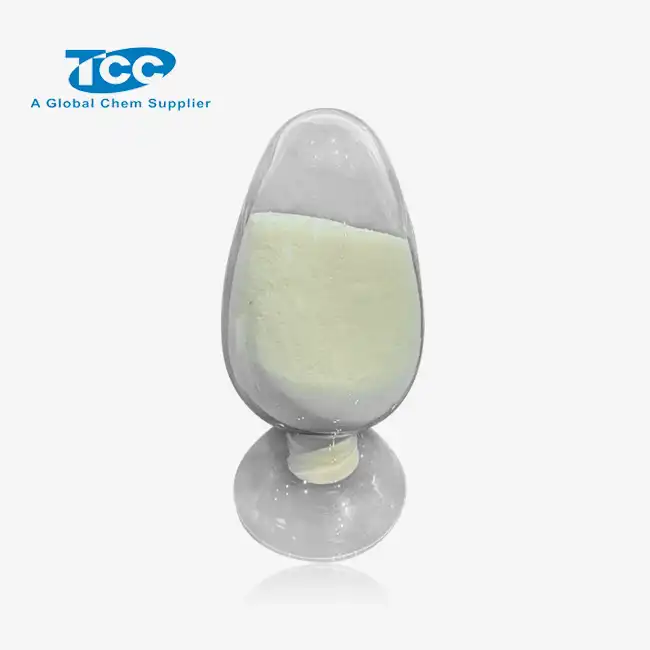
Fluid loss additive FL310S is a high-tech AMPS/AA copolymer that was made to be used for sealing in wells with medium to low temperatures. The substance is a white or slightly yellow powder that has a density of 0.70±0.20g/cm³ and comes in handy 25kg bags. This polymer-type cementing agent stays stable at temperatures up to 150°C (302°F BHCT), while cellulose-based alternatives break down when heated. This means it can be used in standard density cement slurry systems in freshwater to partially saturated saltwater environments. The power of FL310S comes from its ability to create a thin, solid filter cake on the forming face. During the cementing process, the copolymer molecules stick to the cement particles and the top of the formation. This makes a shield that keeps fluid from escaping into the porous formations. This controlled filter keeps the slurry from drying out too quickly, keeps the right density, and makes sure that the cement is spread evenly around the casing string.

Technical Performance Metrics
API Specification 10A procedures are used to test the performance of filling fluid loss agents. Good FL310S providers give detailed technical data sheets that show API fluid loss rates that are usually less than 50 mL/30 minutes at a difference pressure of 1000 psi. The suggested amount is between 0.6 and 2.0% by weight of cement (BWOC). The best ratios depend on the well conditions, the permeability of the rock, and the needs of the slurry design. Rheological tests show that FL310S is a mild surfactant that lowers the plastic viscosity of cement slurries without causing flocculation, which is not what is wanted. Because of this property, pumping and placing are easier while still keeping the right viscosity for solids solution. Laboratory tests on the hardening time show that there aren't many effects that slow it down. This means that set times can be predicted and work with the plans of cementing jobs.
Common Applications and Operational Benefits
Controlling cementing fluid loss is an important job that needs to be done in many drilling situations. In regular vertical wells, FL310S stops gas from moving by keeping the hydraulic pressure high during the cement transition phase, which is when the slurry goes from being liquid to solid. Controlled fluid loss makes sure that the cement shaft stays strong and that each zone is properly isolated. When it comes to horizontal and directional wells, it can be hard to keep the cement evenly distributed along the side section. FL310S stops the growth of free fluid on the high side of the wellbore. This gets rid of a main reason why gas channels and separation fail. This additive works well in wells that go through salt layers or are mixed with seawater, where most other additives lose their effectiveness. This makes it especially useful for offshore activities.
Costs are cut directly because of the practical benefits. Failures in cement jobs, which usually require expensive fix-cementing operations, are less likely if fluid loss is controlled properly. Better separation between zones stops contact between zones, which can lower productivity and pose safety risks. Because the additive works with other cementing chemicals, it makes it easier to build slurries and lessens the need for complicated changes to the recipe.
Comparing FL310S with Other Fluid Loss Additives: Making the Right Choice
Performance Differentiation Among Product Options
There are a lot of different fluid loss control agents on the market for bonding additives, and each one works differently. Traditional cellulosic additives, such as hydroxyethyl cellulose (HEC), help with filtration at lower temperatures. However, they break down at temperatures above 110°C, making it impossible to control the flow of fluid in wells with mild to high temperatures. Different types of synthetic polymers have different chemical structures, and some of them don't handle salt well or slow down too much. Fluid loss additive FL310S stands out because it performs well across a wide range of factors. It works well in high-salinity settings because its AMPS/AA copolymer structure makes it more stable at high temperatures than cellulose materials. The sulfonate groups in the polymer chain keep salt ions away, so the polymer chain can continue to extend and filter even when the brine is filled. This ability to handle salt is very important for operations that take place at sea and wells that go into evaporite rocks.
Compared to other manmade polymers, FL310S has a small effect on the time it takes for cement to thicken. Some rival goods slow down the process a lot, which can make planning the job harder and even dangerous if the cement doesn't set in the time allotted. Because FL310S's rheological behavior can be predicted, it makes it easier to create slurries and cuts down on the need for extensive lab tests during the planning stages of a job.
Cost-Benefit Analysis for Long-Term Value
When buying things, people have to weigh the initial costs of the materials against the value of the whole job and the reduction of risk. Premium cementing chemicals may cost more per unit than basic options, but a full cost study shows that they are worth the extra money. Avoiding just one failed cement job can save managers anywhere from $500,000 to several million in repair costs, lost production time, and problems with the law. The FL310S dosage needs of 0.6 to 2.0% BWOC are better than options that need higher treatment rates. Because they work well at lower ratios, the total cost of chemicals per job goes down, and they are easier to transport and store. For service companies that are working on multiple projects at the same time, this concentration efficiency means lower costs for keeping inventory and more operating freedom.
The costs of environmental regulations are another thing to think about. Using additives that meet safety and environmental standards lowers your risk of being sued and makes managing waste easier. FL310S is compatible with environmental laws, which lowers the cost of removal and the risk of fines that can be many times higher than the cost of the chemical itself.
Selection Criteria Based on Operational Parameters
To pick the right grouting fluid loss agent, you have to make sure that the product's abilities match the well's conditions and the needs of the operation. Temperature is the most important factor in the choosing process because additives stop working completely when they get too hot. The fact that FL310S can work in temperatures below 150°C means that it can be used in most standard oil and gas wells around the world, especially onshore and in shallow ocean situations. The nature of the water has a big effect on how well additives work. Additives that can handle salt must be used in wells that need to mix seawater or go through salt formations. The FL310S keeps filtering under control in systems that range from freshwater to semi-saturated saltwater. This gives operators more options and gets rid of the need to keep a lot of different product types on hand for different types of water.
Compatibility with other bonding agents makes sure that complex slurry systems work reliably. Modern cement designs often use a number of different useful ingredients, such as latex, dispersants, retarders, and boosters, to meet different performance needs. It's easy to make new formulations with FL310S because it works well with many popular ingredients. This also lowers the risk of unexpected chemical interactions happening in the field.

Procurement Essentials: Sourcing FL310S Fluid Loss Additive with Confidence
Supplier Credentials and Verification Methods
To find trustworthy providers, you need to carefully look at their qualifications, which should show that they can make things, have quality control systems in place, and follow all the rules. ISO 9001 certification means that quality management systems are well-established, and ISO 14001 certification means that a company is committed to environmental management. Suppliers who work within these systems keep written rules for how to handle materials, test them, and keep track of them, which lowers the differences between batches.
Manufacturing licenses that are specific to making chemicals give people even more trust. Good Manufacturing Practice (GMP) alignment is mostly used in the pharmaceutical industry, but it can also be used in the production of specific chemicals because it follows strict rules for quality control and preventing contamination. Strategic relationships between suppliers and GMP-certified factories guarantee consistent material quality and supply lines that you can count on.
Industry recognition and track records are useful ways to make sure that a company can do what they say they can do. Established providers that work with big oil and gas companies and service firms show that their products work well in real life. References from current clients who work in similar settings can tell you a lot about how quick a seller is, how good their technical help is, and how well they can solve problems when they come up.
Pricing Structures and Commercial Terms
Learning about price models helps buying teams get good deals and make sure the supply chain works well. When you buy in bulk, the price per unit usually goes down by a lot, and the savings get bigger as your yearly commitment level goes up. To find the right balance between inventory holding costs and unit price savings, you need to carefully look at how fast things are used up and how much space you have.
Minimum order numbers (MOQs) vary from supplier to supplier based on how much it costs to make the product and how to best use transportation. Lower MOQs are good for smaller operations or test runs, but established providers with good production systems can usually work with long-term customers to make custom order amounts. Negotiating the right MOQs keeps you from building up too much inventory and makes sure you have materials when you need them.
The terms of payment show how much the seller trusts the quality of the goods and the relationship with the buyer. Chemical companies usually have standard terms of 30 to 90 days, but this can change based on the size of the order and the buyer's credit background. Suppliers who offer open payment plans show that they want to build partnerships with their customers instead of just doing business with them.
Logistics and Supply Chain Management
To get cementing ingredients from around the world, you need strong transportation systems that make sure they get to project sites on time. Suppliers with well-established delivery networks cut down on wait times and offer backup plans in case of supply problems. The ability to send containers, help with clearing customs, and help with paperwork all make foreign purchasing easier.
Logistics productivity and on-site handling are both affected by how things are packaged. The normal Fluid loss additive FL310S packaging of 25 kg bags makes the units easy to handle for physical tasks and can also be used for bulk mixing. The hygroscopic polymer powder is kept safe from humidity during transport and storage in moisture-resistant packaging, which keeps the product's quality until it is used.
Transparency in the supply chain makes it possible to plan projects ahead of time and control risks. When suppliers give procurement teams production dates, clear views of their inventory, and tracking information for shipments, they can better plan when to send materials and when to finish jobs. This honesty is especially helpful for businesses that are far away or offshore, where it can be hard to coordinate deliveries and the costs of supply delays are higher.
Quality Control Factors and Certification Standards for FL310S
Laboratory Testing Protocols and Specifications
Thorough quality control starts with thorough testing methods that are in line with industry norms. API Specification 10A sets the basic testing requirements for grouting chemicals, which include measuring fluid loss at controlled temperatures and pressures. Reliable providers give certificates of analysis (COA) that show test results for every batch of production. This makes it possible to track the products and make sure they work as expected.
HPHT testing for fluid loss using mixed fluid loss cells is the best way to prove efficiency. Fluid loss additive FL310S keeps filtration under control in real well conditions, as shown by tests done at 1000 psi difference pressure and design bottom-hole flowing temperatures. Not only do good providers write down pass/fail results, but they also give exact fluid loss volumes that allow for accurate slurry design predictions.
Rheological testing checks to see if the performance and compatibility effects on the qualities of the cement mix are real. Plastic viscosity and yield point effects can be described by measuring viscosity at different spinning speeds (300, 200, 100, 6/3 rpm). Using pressure consistometers to test the thickening time makes sure that the addition doesn't cause unpredictable slowing down or early gelling, which could make it harder to finish the job.
Industry Certifications and Compliance Standards
In addition to testing particular products, complete certifications show that a provider is dedicated to quality systems and following the rules. To get ISO 9001 quality management approval, you need to write down steps for buying things, making things, testing them, and fixing problems. Regular checks by recognized licensing groups make sure that ongoing efforts to comply and improve are working.
Health, safety, and environmental (HSE) licenses show that a company makes products in a responsible way. Material safety data sheets, or MSDS, tell you how to handle, store, and handle an incident safely. Suppliers that meet international HSE standards lower the risk of exposure and make it easier for oil and gas businesses to follow the stricter environmental rules that are being made.
Industry-specific certifications from groups like the American Petroleum Institute (API) or their area versions show that a product meets the needs of that sector. These licenses need to be re-evaluated on a regular basis to make sure that standards are the same in all global areas. When owners have strict standards for vendor approval, working with certified providers makes the qualification process easier.
Continuous Quality Improvement and Supplier Audits
Keeping an eye on performance and working together to make things better are good ways to build long-term relationships with suppliers. Supplier surveys are done on a regular basis to check the quality systems, production sites, and programs for ongoing growth. These checks make sure that sellers keep their skills and certifications up to date instead of seeing them as one-time accomplishments.
Tracking performance across various tasks gives statistical proof that the product is consistent. By looking at rheological data, fluid loss test results, and feedback from many cement jobs in the field, trends and chances to improve the recipe can be found. Suppliers who consistently do a good job and solve problems before they happen earn trust and can charge more because they lower business risk.
Clear contact during quality problems is what sets great providers apart from average ones. When batch differences or performance issues happen, providers with strong quality systems quickly find the root causes, take appropriate actions, and let clients know what they found. This openness and response keep operations running smoothly and show that you care about your customers' success instead of just finishing deals.
Maximizing FL310S Performance: Application Best Practices and Environment Considerations
Proper Mixing and Dosing Techniques
To get the best results from sealing fluid loss agents, you need to pay attention to how they are mixed and how much you use. Fluid loss additive FL310S should be added to the water used for mixing before the cement is added so that it can fully hydrate before the cement particles are added. Rapid hydration stops aggregation and makes sure that the material is spread out evenly in the slurry.
When choosing a dosage, you have to weigh the need to control fluid loss against other slurry qualities and cost factors. The suggested range of 0.6-2.0% BWOC gives you options to deal with different well conditions and formation permeabilities. Lower doses (0.6–1.0% BWOC) usually work for freshwater slurries and formations with middling permeabilities. Higher doses (1.2–2.0% BWOC) are needed for high-salinity mixing water, high temperatures, or formations with high permeabilities that need strict control of fluid loss.
Changes may need to be made in the field based on the chemistry of the mixing water, the qualities of the cement, and the results of real-time slurry tests. Using real job materials in pre-job lab tests to make sure slurry designs are correct and lowers the chance of unexpected performance problems during important cementing operations. Portable field testing equipment lets you check the properties of the slurry right before pumping, which confirms the design parameters for good.
Compatibility Management with Other Additives
Modern designs for cement slurry often use more than one type of useful ingredient to meet different performance needs. FL310S works well with common bonding chemicals, but knowing how they might react with each other can help keep formulation problems from happening. Dispersants make it easier for slurry to move and use less water, and they work together with FL310S to improve the rheological qualities.
Cement setting times are controlled by retarders and boosters, which are chosen based on well temperature patterns and the length of time the job needs to be done. Compared to some rival goods, FL310S doesn't have as much of an effect on retardation. This makes it easier to add dedicated retarders when they're needed for high-temperature sections or long pumping times. When the temperature at the bottom of the hole drops below 50°C, boosters may be needed to make sure that the cement sets on time.
In addition to making set cement stronger, latex chemicals and microsilica make it less permeable. Because FL310S works with these high-tech additives, it's possible to make complex slurry designs that meet strict zonal isolation needs. When these ingredients are mixed in anti-gas migration systems, they work better together because the polymer sticks to the silica particles and helps the filter cake form.
Environmental Compliance and Safety Protocols
For oilfield activities to be responsible, they must follow safety rules and environmental laws that protect people and landscapes. FL310S meets international environmental standards, which makes it easier to follow the rules and has less of an effect on the environment. When stored properly in dry, cool places, moisture doesn't get absorbed and cause clumps and loss of dispersibility. This keeps the quality of the product high for 24 months as long as the moisture-proof packaging stays sealed.
When handling chemicals, you should follow standard safety rules and wear the right personal protective equipment (PPE). Even though FL310S is not very poisonous, keeping workers from breathing in too much dust while handling it saves their health and keeps products from going to waste. Best practices in the business include making sure mixing areas have enough air flow and that large handling equipment has dust collection systems.
Waste management economics extend to contaminated packing and cleaning residues on equipment. Getting rid of things in a way that follows local environmental rules and industry standards keeps people from breaking the rules and leaves less of an impact on the environment. When suppliers give workers detailed MSDS documents and advice on how to properly dispose of waste, it helps them do their jobs more efficiently.
Conclusion
To choose the best Fluid loss additive FL310S, you need to think about how well it works technically, how reliable the seller is, and how much it costs altogether. FL310S has been shown to work well in standard density cement slurry systems at temperatures up to 150°C. It can handle salt well and works well with other bonding agents. To make a good purchase, you need to carefully check the credentials of the suppliers, such as their certifications, quality control systems, and technical help skills. Knowing the right way to apply something and thinking about how it will work with other things is important for getting the best performance in the field, and strict quality standards protect operational ethics and project costs. Procurement pros make sure they have a steady supply of materials that support safe, effective cementing operations and the long-term stability of wells by carefully reviewing these quality factors.
FAQ
What factors most significantly influence cementing fluid loss agent effectiveness?
The three main things that affect how well fluid loss control works are temperature, water chemistry, and formation permeability. Thermal stability tells us if the addition keeps its chemical structure at the bottom of the hole, and salt tolerance tells us if it works with water from fresh sources to salt water sources. The needed filtration control level is based on how permeable the formation is. Zones with a lot of permeability need more active fluid loss reduction to keep the slurry from drying out too much.
How can buyers verify supplier authenticity and product quality?
Ask for a lot of paperwork, like records of analysis from approved labs, ISO licenses, and references from clients who have worked with you before. When you do supplier audits of industrial facilities, you can directly check the quality systems and skills of the facilities. Before making big purchases, independent third-party laboratories test samples of the product to make sure that the specs match what the supplier says they are.
Does FL310S work effectively across all drilling fluid types?
Instead of being used for drilling fluids, Fluid loss additive FL310S is specially made for grouting. When used in bonding systems, it works well with both regular density slurries and semi-saturated saltwater as the mixing fluid. Being able to work with different kinds of cement and other cementing agents gives it freedom in a wide range of well conditions up to 150°C.
Partner with Taicheng for Reliable Cementing Solutions
Xi'an Taicheng Chemical is ready to help you with your sealing projects by providing you with high-quality Fluid loss additive FL310S that is made under strict quality control systems and backed by a wealth of technical knowledge. Our strategic relationships with GMP-certified companies make sure that the standard of our products is always the same, and our global logistics network makes sure that projects all over the world have reliable supplies. For cementing to work well, we know that it takes more than just good products. It also needs quick expert help, special formulations that solve specific practical problems, and communication that is focused on building partnerships throughout the entire project lifecycle. Our team helps you improve cement job designs and fix performance problems by giving you full technical datasheets, application advice, and on-site support. As a reliable provider, we help oil and gas companies in Europe, South America, Africa, and other places. We offer low prices, quality assurance, and legal compliance that your business needs. Email our team at sales@tcc-ofc.com to talk about your unique bonding needs, ask for product samples, or get a quote that is tailored to your project's parameters and the amount of cement you need to buy.
References
1. American Petroleum Institute. API Specification 10A: Specification for Cements and Materials for Well Cementing, 24th Edition, 2019.
2. Nelson, E.B. and Guillot, D. Well Cementing, 2nd Edition, Schlumberger Educational Services, 2006.
3. Smith, D.K. Cementing, Monograph Series, Society of Petroleum Engineers, Richardson, Texas, 1990.
4. Bensted, J. and Barnes, P. Structure and Performance of Cements, 2nd Edition, Spon Press, London, 2002.
5. Taylor, H.F.W. Cement Chemistry, 2nd Edition, Thomas Telford Publishing, London, 1997.
6. Michaux, M., Nelson, E.B., and Vidick, B. Chemistry and Characterization of Portland Cement, in Developments in Petroleum Science, Volume 28, Elsevier, 1990.
Learn about our latest products and discounts through SMS or email