- English
- French
- German
- Portuguese
- Spanish
- Russian
- Japanese
- Korean
- Arabic
- Greek
- German
- Turkish
- Italian
- Danish
- Romanian
- Indonesian
- Czech
- Afrikaans
- Swedish
- Polish
- Basque
- Catalan
- Esperanto
- Hindi
- Lao
- Albanian
- Amharic
- Armenian
- Azerbaijani
- Belarusian
- Bengali
- Bosnian
- Bulgarian
- Cebuano
- Chichewa
- Corsican
- Croatian
- Dutch
- Estonian
- Filipino
- Finnish
- Frisian
- Galician
- Georgian
- Gujarati
- Haitian
- Hausa
- Hawaiian
- Hebrew
- Hmong
- Hungarian
- Icelandic
- Igbo
- Javanese
- Kannada
- Kazakh
- Khmer
- Kurdish
- Kyrgyz
- Latin
- Latvian
- Lithuanian
- Luxembou..
- Macedonian
- Malagasy
- Malay
- Malayalam
- Maltese
- Maori
- Marathi
- Mongolian
- Burmese
- Nepali
- Norwegian
- Pashto
- Persian
- Punjabi
- Serbian
- Sesotho
- Sinhala
- Slovak
- Slovenian
- Somali
- Samoan
- Scots Gaelic
- Shona
- Sindhi
- Sundanese
- Swahili
- Tajik
- Tamil
- Telugu
- Thai
- Ukrainian
- Urdu
- Uzbek
- Vietnamese
- Welsh
- Xhosa
- Yiddish
- Yoruba
- Zulu
How to Maximize the Performance of Antifoam AF2085S?
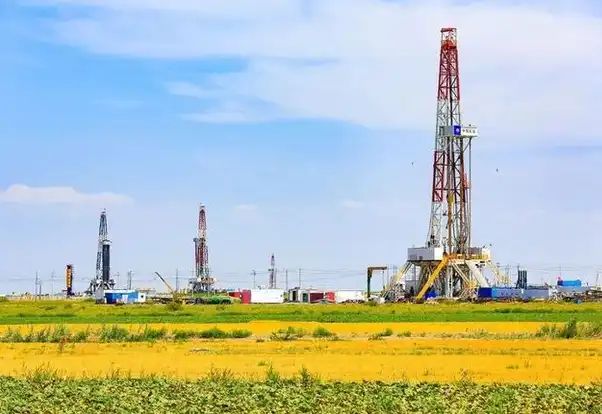
To get the most out of antifoam AF2085S, it is important to know the right dosage levels, the best way to apply it, and factors dependent on the system you are using. This silicone-based antifoam powder provides good foam management when dispersed well in water systems, notably for oilfield cementing operations and water treatment uses. Maximum efficiency is achieved by proper concentration control, suitable mixing methods, and matching with the process parameters such as temperature, pH, and agitation rates. When strategically used, this defoaming chemical may eliminate operational disturbances, shorten setting times of cement formulations, and improve overall process dependability in a variety of industrial applications.
Understanding Antifoam AF2085S: Composition, Mechanism, and Benefits
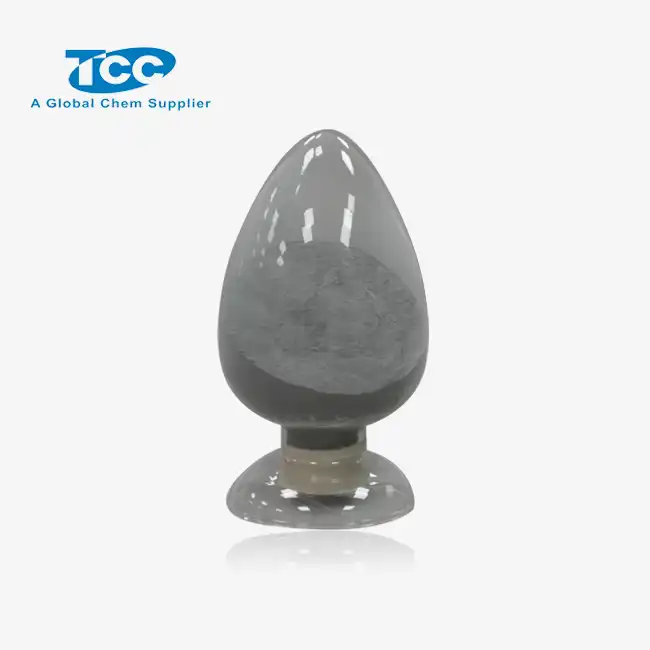
Antifoam AF2085S is a specially formulated product developed to overcome persistent foaming problems during industrial processes. The defoaming agent is produced in the form of a white powder and contains dimethyl silicone oil, specific carriers, and cooperating agents with a synergistic effect. The formulation produces superior foam suppression at very low concentrations, making it an economically viable solution for high-volume applications.
Chemical Composition and Physical Properties
The base of the product is dimethyl silicone oil. This is a material that is hydrophobic and heat-resistant. This powdered form is stable and has a long shelf life, while liquid silicone emulsions may separate on storage. The carrier system permits quick dissolving in aqueous media, and the co-operating agents promote compatibility in a variety of pH and ionic strength conditions. This combination produces a strong antifoam matrix that may perform well in the harsh process conditions seen in oilfield cementing where high temperatures and alkaline conditions exist.
Foam Suppression Mechanism
Foam production is the stabilisation of gas bubbles by surface active chemicals in the liquid phase. The antifoam disrupts this stabilisation in a number of ways. The particles, being hydrophobic, go towards the bubble surfaces when they are dispersed in the foaming solution. When contact is made, the silicone oil quickly coats the bubble film, producing spots of weakness. The film breaks down due to differences in surface tension, and existing foam structures collapse. The antifoam particles also stop new bubbles from forming by altering the alignment of molecules that stabilise the foam. Unlike simple defoaming agents, high-performance antifoams have a dual mode of action: a rapid knockdown of existing foam and an extended inhibition of foam regrowth.
Key Operational Benefits
The use of this defoaming technology has led to demonstrable improvements in key performance measures. In aerated processes, water-phase systems have better mixing efficiency, higher oxygen transfer rates and maximum useable vessel capacity. Foam removal means, in cement applications, particularly homogeneous hydration, less air entrapment and stronger final constructions. The modest dose requirement of 100 to 1000 parts per million minimises the expense of the additive and maintains good performance. The operational teams enjoy the product’s thermal resistance, since it continues to perform throughout the high-temperature curing cycles required for deep-well cementing operations. The formula is free of volatile organic compounds and persistent bioaccumulative chemicals, complying with the current sustainability requirements in relation to safety and environmental characteristics.
Diagnosing and Overcoming Foam Challenges in Your Process
Effective foam management with Antifoam AF2085S begins with accurate identification of root causes. Production environments generate foam through various mechanisms, each requiring tailored mitigation approaches. Mechanical agitation introduces air into liquid systems, creating initial bubble populations. Temperature fluctuations alter surface tension dynamics, destabilizing liquid films and promoting foam persistence. Chemical interactions between process ingredients—surfactants, proteins, or electrolytes—can inadvertently stabilize bubbles, transforming transient foam into persistent operational obstacles.
Common Performance Bottlenecks
Several factors undermine antifoam effectiveness when overlooked during implementation. Insufficient dispersion represents the most frequent issue; powdered antifoam added directly to high-viscosity systems may form aggregates that never fully activate. Timing also matters—introducing defoaming agents after foam has already formed requires higher dosages than preventive addition. System compatibility issues arise when process chemistry interferes with antifoam functionality. Strongly anionic systems may repel silicone particles, while extreme pH conditions can degrade carrier components. Temperature extremes outside the product's operating range compromise both knockdown speed and persistence duration.
Optimization Strategies for Maximum Efficiency
Achieving optimal performance requires systematic attention to application parameters. Dosage precision stands paramount; starting with conservative concentrations around 0.01% by weight allows baseline assessment, with incremental adjustments based on foam severity. Pre-dispersion techniques significantly enhance effectiveness—mixing the powdered antifoam with a small quantity of process liquid before main system addition ensures uniform distribution. Injection point selection influences outcomes; adding antifoam upstream of high-shear zones promotes thorough incorporation, while post-agitation addition may prove less effective. Continuous monitoring through visual inspection or automated foam detection enables real-time dosage adjustments, preventing both under-dosing waste and over-dosing complications.
Process-specific variables demand consideration during optimization. Cementing operations benefit from antifoam addition during dry ingredient blending, allowing homogeneous distribution before water contact. Water treatment applications may require split-dosing strategies—initial addition during system startup followed by maintenance doses during operation. Temperature management plays a crucial role; ensuring the antifoam reaches operating temperature before introduction prevents delayed activation. Compatibility testing with all process chemicals before full-scale deployment identifies potential interactions, avoiding costly production disruptions.
Comparison and Selection: Antifoam AF2085S vs Alternatives
Selecting appropriate foam control technology requires evaluating multiple performance dimensions against operational requirements. The market offers various antifoam chemistries, each with distinct advantages and limitations. Understanding these differences empowers procurement decisions that balance immediate costs against long-term operational value.
Performance Benchmarking Against Competing Products
Antifoam AF2085S distinguishes itself through several measurable parameters. Defoaming speed—the time required to collapse existing foam—often serves as a primary selection criterion. Laboratory testing demonstrates knockdown times under ten seconds in standardized foam column tests, comparable to premium liquid silicone emulsions but superior to mineral oil-based alternatives. Persistence, measuring how long antifoam prevents foam reformation under continuous aeration, reveals another strength. The product maintains effective foam suppression for extended periods, reducing the need for frequent re-dosing that increases operating costs and complicates process control.
Cost-effectiveness analysis must extend beyond unit price to consider dosage efficiency. While powdered antifoams may carry higher per-kilogram costs than bulk liquids, their superior activity at low concentrations often yields lower cost-per-batch figures. A cement operation requiring 500 ppm of a liquid antifoam might achieve equivalent results with 200 ppm of this powdered formulation, fundamentally altering the economic calculation. Handling considerations also factor into total cost of ownership—powdered formats eliminate pumping equipment requirements and reduce storage footprint compared to drum quantities of liquid products.
Industry-Specific Selection Criteria
Regulatory compliance shapes antifoam selection in regulated sectors. Operations producing food-contact materials or pharmaceutical products require antifoams meeting specific purity standards and approval listings. While the current formulation serves industrial applications excellently, procurement teams in these sectors must verify regulatory status before specification. Chemical processing industries prioritize broad compatibility and thermal stability, where AF2085S excels due to its resilient silicone backbone and robust carrier system.
A downstream petrochemical facility recently transitioned from a traditional liquid silicone antifoam to this powdered alternative during water treatment optimization. The operation struggled with inconsistent foam control during seasonal temperature variations, requiring frequent manual interventions. After implementing AF2085S with a calibrated dosing protocol, foam-related process interruptions decreased by seventy-three percent over six months. The powdered format's storage stability eliminated concerns about emulsion separation that had plagued their liquid antifoam inventory, while reduced dosage requirements extended purchase intervals, improving cash flow management.
Procurement Guide: Sourcing Antifoam AF2085S with Confidence
A consistent supply of antifoams requires supplier assessment and a grasp of market forces. Industrial procurement is about more than making the best price comparison. It is also about quality assurance, technical support skills and supply chain resilience, which are all variables that ultimately influence total cost of ownership and operational continuity.
Purchasing Channels and Pricing Dynamics
Antifoam may be acquired in a range of methods, each with its own benefits. For high-volume users, especially those needing more than a few tonnes per year, direct manufacturer partnerships often give the best cost. These are companies like Taicheng, which provide technical consulting, unique formulations and priority allocation amid supply restrictions. Chemical distributors work effectively for mid-volume purchasers, providing streamlined logistics to clients that buy various speciality chemicals. They have a value offer based on streamlined procurement – single invoices for a variety of material demands and existing partnerships with goods carriers. On the Internet, smaller amounts and trial assessments are available via B2B platforms, but purchasers need to be careful to check the vendor and the validity of the product.
Pricing structures are based on a number of things. Cost is a function of concentration of active component as well. The greater the purity, the more expensive the formulation. Order volume triggers tiered pricing. Significant discounts are sometimes applied to bulk purchases in full-container amounts vs pallet-level buys. Unit economics are dependent on packaging type. 50 kilogram drums are more economical than 25 kilogram bags even if product specs are the same. Freight differentials and regional demand patterns impact delivery costs in terms of geographic considerations. Timing also counts in procurement; prior planning that allows for flexibility in scheduling production frequently results in a favourable price compared to emergency orders that need accelerated manufacture and shipment.
Supplier Reliability Assessment
Potential suppliers of Antifoam AF2085S must be assessed via rigorous study of capacity indicators. The first level of screening is based on quality certifications. ISO 9001 quality management system certification means process discipline. Industry-specific accreditations indicate experience in a particular area. Professionalism is shown in the depth of documentation. Reputable suppliers would be happy to provide Certificates of Analysis, Material Safety Data Sheets, and Technical Data Sheets for each batch of goods. Manufacturing Transparency = Confidence: Suppliers who are willing to provide information about where they produce their product, what their quality control methods are, and where they get their raw materials tend to have better standards than those simply prepared to share minimum information.
Good suppliers may typically have less technical help capability than great suppliers. In addition to just supplying the product, having application experts that are well-versed in foam chemistry and process troubleshooting is quite valuable. When things don’t go as planned, quick and effective responses to questions and solutions to problems may be a sign of the quality of relationships. Referrals from current customers in your market sector provide an honest picture of how the provider performs in actual real-life situations. Financial stability is important for the long-term success of a partnership, and public records and industry reputation checks may help gauge this.
Safe Handling, Environmental Impact, and Compliance
Responsible chemical management is worker safety, environmental stewardship, and regulatory compliance. Personnel and ecosystems need to be protected and activities need to be lawful. Understanding correct handling practices and environmental concerns is necessary for this to be achieved.
Safety Guidelines and Storage Protocols
The Material Safety Data Sheet gives definitive instructions for safe handling. The main exposure pathway for the powder substance is inhalation of dust during transfer procedures. Personal protective equipment should include dust masks or respirators during bulk handling and safety glasses to avoid eye contact. Minimal danger in case of skin contact. Sensitive persons may develop skin irritation after extended handling; gloves are suggested. Keep storage places dry. Exposure to moisture may induce caking and make dispersion more difficult. The best long-term stability is found in temperature-controlled conditions between 5 and 35 degrees Celsius, while the product may survive in wider ranges without deterioration. Keep your containers closed while you’re not using them, so nothing can get into them and to keep the moisture out.
Environmental Profile and Regulatory Compliance
The silicon backbone has favourable environmental properties relative to other chemistries. Dimethyl silicone oil has negligible aquatic toxicity and does not bioaccumulate in the food chain. It breaks down via abiotic rather than biological processes and ends up as silica, carbon dioxide and water, all naturally occurring substances in ecosystems. Regulatory status varies by country; the formulation is compliant with limits for industrial use in the largest markets including North America and Europe. Wastewater Discharge permission: Operations requiring a wastewater discharge permission should check local rules for limitations on silicone content since some have limits on concentration.
Selecting the right antifoam might be a part of your company’s sustainability program. By choosing effective items that minimise the environmental loading naturally by using lower doses (as opposed to less efficient products that need greater concentrations), the powdered form avoids the transit of water weight, therefore lowering the carbon footprints associated with product logistics. Packaging recyclability also adds value to circular economy ideas, since steel drums and polyethylene bags are already part of existing recycling systems. Companies that are monitoring Scope 3 emissions may prefer suppliers with reported manufacturing environmental footprints, which will enable them to do full lifecycle evaluations.
Conclusion
To optimise AF2085S performance, it takes a combination of product expertise, process understanding and strategic implementation. When correctly distributed, the powdered silicone formulation provides excellent foam management. The low dose efficiency of the formulation provides cost savings, and the strong performance under tough situations provides operational benefits. Success is based on systematic optimisation – accurate dosage, suitable application techniques and continual monitoring adapted to the individual needs of each process. Procurement choices should also weigh up current cost against long-term value indicators such as technical support, supply dependability and quality of supplier relationship. With the right suppliers and data-driven optimisation, strong foam management programs allow companies to achieve substantial gains in process efficiency, product quality and operating costs. The route to outstanding performance lies in intelligent product selection, rigorous application procedures and a commitment to ongoing development.
FAQ
1. What dosage of Antifoam AF2085S should be used in cementing operations?
Typical starting concentrations range from 0.01% to 0.1% by weight of the cement slurry, equivalent to 100 to 1000 parts per million. Optimal dosage depends on cement formulation, water content, mixing intensity, and temperature conditions. Conducting small-scale trials replicating field conditions provides accurate dosage determination for specific applications. Excessive dosing rarely improves performance and may introduce unintended effects, making conservative initial dosing with incremental adjustment the recommended approach.
2. Can this antifoam withstand high-temperature cementing environments?
The formulation maintains stability and effectiveness at elevated temperatures encountered in deep-well cementing operations. Laboratory testing confirms performance retention through sterilization cycles reaching 130°C. Field applications in geothermal and high-pressure wells demonstrate continued foam suppression under thermal stress conditions that degrade less-robust antifoams. The silicone chemistry provides inherent thermal resilience superior to organic alternatives.
3. How should the powdered antifoam be dispersed for optimal results?
Pre-mixing with a small quantity of process liquid before main system addition ensures uniform distribution and rapid activation. Avoid adding powder directly to highly viscous fluids or high-velocity streams, which may cause agglomeration. Gentle agitation during incorporation promotes dispersion without excessive shear that could damage antifoam particles. Allowing brief equilibration time after addition—typically two to five minutes—permits complete dispersion before process startup.
Partner with Taicheng for Superior Foam Control Solutions
Xi'an Taicheng Chemical stands ready to support your foam management objectives with a reliable supply of Antifoam AF2085S and comprehensive technical guidance. Our partnerships with GMP-certified manufacturing facilities ensure consistent product quality meeting international standards, while our logistics network enables timely delivery across North America and global markets. As an experienced supplier of oilfield chemicals and specialty additives, we understand the critical role foam control plays in operational success. Our technical team offers application support tailored to your specific process requirements, helping optimize dosing protocols and troubleshoot performance challenges. Contact us at sales@tcc-ofc.com to discuss your antifoam needs, request product samples, or obtain competitive pricing for volume requirements. We provide complete documentation including Certificates of Analysis, technical data sheets, and regulatory compliance information supporting informed procurement decisions.
References
1. Smith, J.R., and Thompson, M.K. (2021). Foam Control Technologies in Industrial Cementing Operations. Petroleum Engineering Publishers, Houston, TX.
2. Chen, L., Wang, H., and Rodriguez, A. (2020). "Silicone-Based Antifoam Mechanisms in Aqueous Systems," Journal of Colloid and Interface Science, 582: 412-428.
3. National Association of Oilfield Contractors (2022). Best Practices for Chemical Additive Selection in Well Cementing. NAOC Technical Standards Committee, Denver, CO.
4. European Chemical Industry Council (2019). Environmental Risk Assessment of Polydimethylsiloxane Antifoam Agents. ECIC Environmental Division, Brussels, Belgium.
5. Patterson, R.W. (2023). Industrial Defoaming: Chemistry, Applications, and Optimization Strategies. Wiley Chemical Engineering Series, New York, NY.
6. International Standards Organization (2021). ISO 22000:2021 - Foam Control Agents for Food Contact Applications: Quality and Safety Requirements. ISO Technical Committee 147, Geneva, Switzerland.
 50 assay_1740536908137.webp)
Learn about our latest products and discounts through SMS or email