- English
- French
- German
- Portuguese
- Spanish
- Russian
- Japanese
- Korean
- Arabic
- Greek
- German
- Turkish
- Italian
- Danish
- Romanian
- Indonesian
- Czech
- Afrikaans
- Swedish
- Polish
- Basque
- Catalan
- Esperanto
- Hindi
- Lao
- Albanian
- Amharic
- Armenian
- Azerbaijani
- Belarusian
- Bengali
- Bosnian
- Bulgarian
- Cebuano
- Chichewa
- Corsican
- Croatian
- Dutch
- Estonian
- Filipino
- Finnish
- Frisian
- Galician
- Georgian
- Gujarati
- Haitian
- Hausa
- Hawaiian
- Hebrew
- Hmong
- Hungarian
- Icelandic
- Igbo
- Javanese
- Kannada
- Kazakh
- Khmer
- Kurdish
- Kyrgyz
- Latin
- Latvian
- Lithuanian
- Luxembou..
- Macedonian
- Malagasy
- Malay
- Malayalam
- Maltese
- Maori
- Marathi
- Mongolian
- Burmese
- Nepali
- Norwegian
- Pashto
- Persian
- Punjabi
- Serbian
- Sesotho
- Sinhala
- Slovak
- Slovenian
- Somali
- Samoan
- Scots Gaelic
- Shona
- Sindhi
- Sundanese
- Swahili
- Tajik
- Tamil
- Telugu
- Thai
- Ukrainian
- Urdu
- Uzbek
- Vietnamese
- Welsh
- Xhosa
- Yiddish
- Yoruba
- Zulu
Can Antifoam AF7000L Enhance Process Stability in Manufacturing?
Antifoam AF7000L provides quick foam knockdown and prevents foam reformation for process stability in a variety of manufacturing industry applications. Its innovative polyether-based formulation is ideal in high shear, severe pH situations, allowing for seamless operation in oil drilling, chemical processing, and water treatment systems. This defoamer is a critical component for producers seeking dependable and cost-effective foam management solutions, dramatically improving operational efficiency and product quality by decreasing foam-related downtime and equipment wear.
Understanding Foam Issues in Manufacturing and the Role of Antifoams
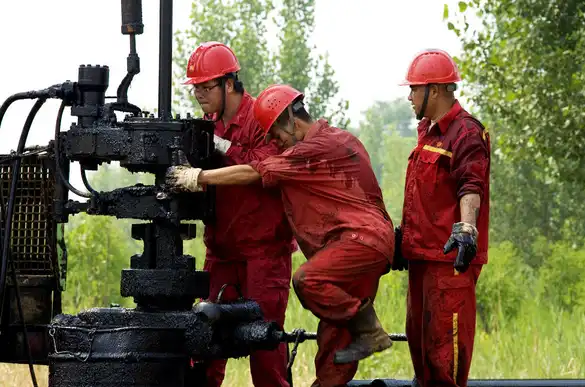
Foam is interrupting production processes in ways that many procurement experts are not valuing. Fermentation produces foams via chemical reactions and mechanical mixing, which collect quickly, generating bottlenecks that slow down manufacturing lines and damage product quality. Uncontrolled foam may lead to tank overflows, false level readings, and pump cavitation, all of which lead to significant operating delays and maintenance costs. In the oilfield industry, foam problems are encountered during cementing and drilling fluid circulation, and foam affects the stability of the wellbore and diminishes the cement bonding strength.
Antifoam chemicals are important process stabilisers by disturbing the structure of foam lamellae. These compounds are formulated to diminish the surface tension at the air-liquid interface. This causes foam bubbles to collapse and prevents the creation of fresh foam. The dual-action nature of quick knockdown of existing foam and ongoing prevention preserves stable process flow rates and equipment performance. Procurement managers in oil and gas, pharmaceutical production, and water treatment know more and more that the choice of defoaming solution has a direct bearing on yield efficiency, safety compliance, and long-term cost savings.
How Foam Affects Operational Efficiency
Foam entrains air pockets into processing systems, decreasing effective tank capacity by as much as 40 percent. This displacement causes operators to lower feed rates or halt production cycles. This directly affects throughput metrics. Foam-laden fluids provide a challenge for equipment meant for liquid handling. This might result in incomplete transfers, improper dosing, and uneven batch quality. Trapping of foam in cement slurries is especially problematic in the oilfield cementing process, since it undermines the integrity of the seal in wellbores and creates channels for gas migration.
The Economic Impact of Inadequate Foam Control
Without an efficient foam management strategy, manufacturers are faced with the recurrent costs of product contamination, longer processing delays, and emergency shutdowns. Chemical facilities say that foam-related downtime costs an average of $15,000 per hour, including missed output and labour costs. Foam may pose a danger of untreated effluent overflowing containment barriers, creating a regulatory compliance problem for water treatment plants. The overall economic impact makes the use of proven antifoam technology a strategic decision, not a discretionary investment.
Chemical Composition and Working Principle of Antifoam AF7000L
Antifoam AF7000L is unique in its patented polyether-based composition that contains foam inhibitors and stabilisers that are designed to last in tough industrial environments. Unlike typical silicone emulsions that are susceptible to mechanical stress, this defoaming agent retains its integrity under high shear mixing and turbulent flow conditions. The chemical formulation synergistically couples hydrophobic polyether chains with low-surface-energy additives to destabilise existing foam and to generate an anti-foam barrier that prevents bubble formation.
The functioning mechanism is based on fast dispersion and surface activity. Once added to a foamy system, the active chemicals travel rapidly to the foam lamellae, where they pierce the bubble walls and produce localised weak spots. This causes stress imbalances, which make bubbles agglomerate and disintegrate within seconds. At the same time, the stabilisers establish a solid surface film, which prevents the proteins and surfactants from rearranging themselves into stable foam formations. This gives a two-phase action for immediate defoaming and long-term foam suppression with low dose needs.
Performance Under Extreme Conditions
It is effective across the pH range of 2 to 12 and may be used in acidic drilling fluids as well as alkaline cleaning systems. Temperature stability from ambient to 130°C, suitable for hot chemical operations and high-temperature oilfield applications. The polyether backbone is much more resistant to hydrolysis and oxidation than standard silicone-based products, enabling constant performance during long processing cycles. Shear resistance testing demonstrates that the emulsion remains homogeneous even at centrifugal pump speeds over 5,000 rpm, which is essential for continuous production processes.
Dosage Efficiency and Cost Advantages
Effective concentrations are usually 10 to 100 ppm, far lower than mineral oil or fatty acid alternatives that need 200 to 500 ppm for similar outcomes. This efficiency results in immediate cost reductions for bulk buyers. In typical oilfield applications, one 200-liter drum may treat around 2 million litres of process fluid, which lowers shipping costs and storage needs. The concentrated composition also helps to maintain product integrity by reducing the addition of extraneous elements into pharmaceutical and food-grade production settings.
Applications and Benefits of Antifoam AF7000L in Manufacturing
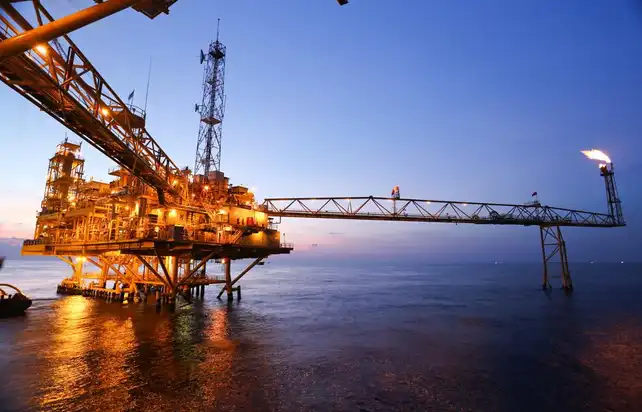
This defoaming chemical is used by many industrial sectors to handle foam problems that endanger the stability of the operation. One significant area of use is the oilfield sector, where foam management during drilling saves wasted circulation and ensures correct mud weight. This method in cement additives enables consistent slurry deposition and prevents gas channelling in the wellbore annulus. The product is used in water treatment plants to prevent foam formation in aeration basins and effluent discharge systems for process control and to fulfil environmental discharge criteria.
Foam no longer clogs vent lines or interferes with temperature sensors, resulting in greater reaction vessel efficiency in chemical production facilities. Foaming eliminates dead zones and enhances the batch uniformity of the reactant mix. Entrained air will protect pumps and agitators from cavitation damage and result in a measurable improvement in equipment life. These operational enhancements are cumulative over time and provide significant returns on investment for plants that produce in large volumes.
Oil and Gas Sector Applications
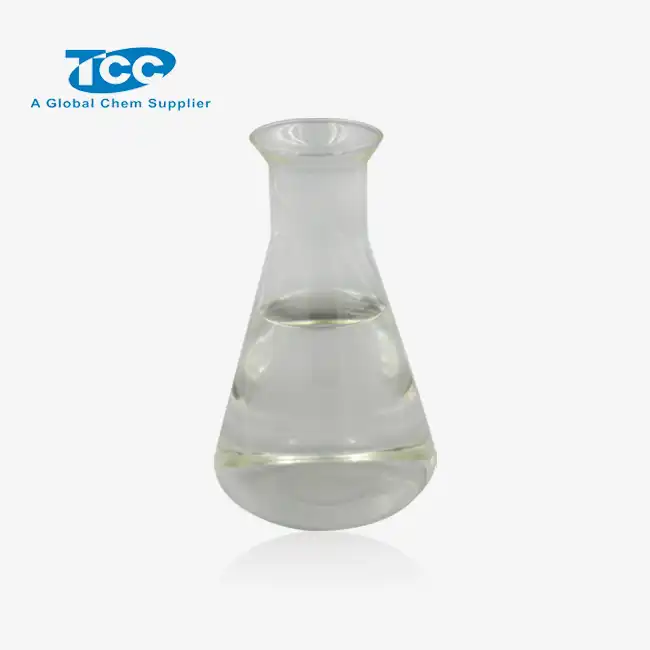
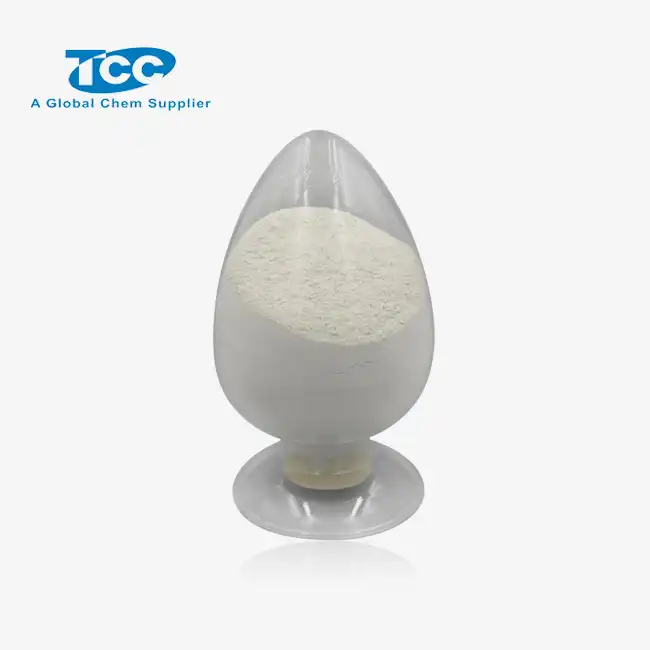
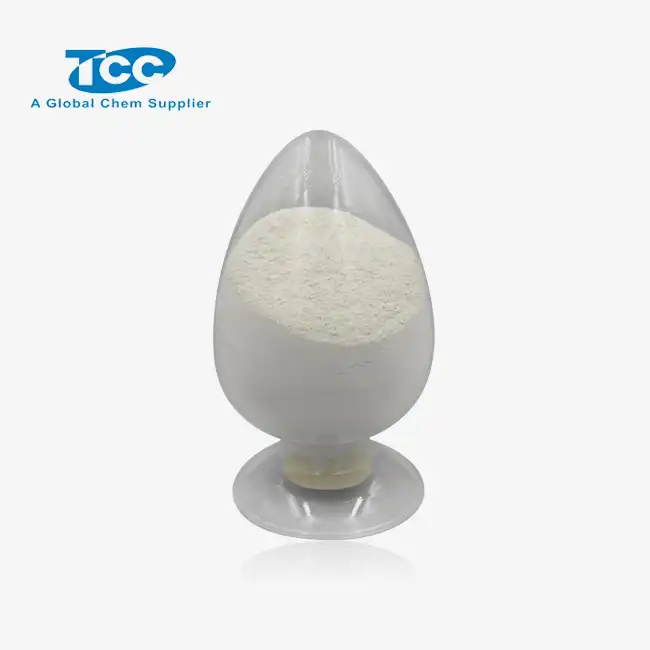
Foam problems with upstream operations are seen everywhere in the drilling mud circulation and the completion fluid displacement. The grey-white to yellow-green Antifoam AF7000L liquid fits effortlessly into drilling fluid systems, preserving viscosity profiles while reducing foam that would otherwise impede hole cleaning efficiency. Oilfield cementing applications are especially susceptible to significant acid-base resistance because cement additives must work in pH settings ranging from extremely alkaline plain cement to acidic spacer fluids. The product’s effectiveness in high-shear applications avoids foam creation during turbulent cement installation, allowing for full mud displacement and appropriate bonding to the casing and formation surfaces.
Water Treatment and Environmental Compliance
The biological wastewater treatment plants are confronted with the foam formed by the metabolism of the activated sludge and the surface-active organic chemicals. The antifoam solution reduces the height of foam in aeration tanks without killing beneficial bacteria or interfering with the nutrient removal operations. This chosen approach maintains treatment efficiency and avoids foam overflow events that precipitate regulatory breaches. Municipal and industrial water treatment operators like the quick dispersion properties that enable exact dosing by automated systems linked to real-time foam detection sensors.
Benefits That Drive Procurement Decisions
Foam control agents that provide tangible operational advantages are what procurement managers want. • Lower equipment maintenance costs due to elimination of cavitation and overflow damage. • Better batch consistency with reduced rejection and reprocessing costs. • Improved safety conditions as foam no longer obscures sight glasses or creates slippery walking surfaces. The major benefits are: Foam management also helps ensure compliance with environmental regulations since it removes the risk of unintentional emissions. This defoaming technology infrastructure is not a consumable expenditure, but an investment that maintains the integrity of the process along several operational dimensions. The cumulative consequence is that…
Comparing Antifoam AF7000L with Other Market Solutions
Performance benchmarking shows considerable benefits over other foam control solutions. Traditional silicone emulsions have a good initial knockdown, but they tend to fall off under extended high shear, necessitating regular reapplication, which raises the operational cost. Mineral oil-based products do not have the thermal stability for high-temperature operations and pose a danger of hydrocarbon contamination for sensitive applications. Fatty acid derivatives are useful in limited pH ranges but decompose fast in the alkaline circumstances seen in oilfield cementing and industrial cleaning activities.
This product has a polyether backbone which provides better chemical resistance and mechanical stability than the silicone equivalents. Repeated reports by drilling contractors indicate our product delivers longer-lasting performance per dosage, lowering overall chemical use by 30 to 50 percent on multi-well programs. No silicone means no worries about membrane fouling in water treatment, no silicone spot faults in coating processes. That’s quality that avoids costly rework and customer complaints.
Cost-Performance Analysis
Total cost of ownership estimates favour systems with low dose and prolonged effectiveness. A comparison of 10,000 barrels of drilling fluid indicates that traditional silicone products need to be reapplied every 8 to 12 hours under normal drilling circumstances, whereas the polyether formulation has a life of 24 to 36 hours. The longer duration of activity minimises the labour needed for handling, the storage space required, and the administrative costs of purchase. Chemical distributors, who cater to a wide range of industries, like the wide application adaptability that enables them to carry a consolidated inventory rather than carrying speciality items for each industry.
Customer Testimonials and Field Performance
Oilfield service businesses working in the Permian Basin have seen zero foam-related non-productive time after switching to our Antifoam AF7000L technology. Fermentation process consistency has improved, with batch rejections attributable to foam decreasing from 3 percent to nil over 18-month assessment periods, according to pharmaceutical firms. Water treatment plant owners have seen lower expenses for chemical use and fewer regulatory compliance difficulties with foam overflow. These real-world results confirm the technical standards and illustrate meaningful value generation for end customers across various industrial applications.
How to Procure and Use Antifoam AF7000L Optimally
A good deployment starts with the right dose for the right process circumstances. Manufacturers should undertake bench-scale testing with representative process fluids to determine minimum effective concentrations prior to full-scale deployment. Typical beginning values are 20 to 50 ppm, depending on the severity of foam, temperature, and the strength of mechanical agitation. The most reliable way to apply is via automated dosing systems that use foam sensors to trigger the exact injection of chemicals to maintain optimum foam management without overdosing.
Storage and handling practices dramatically affect product performance. Store the emulsion in sealed containers at a temperature between 5°C and 40°C to avoid changes in viscosity and emulsion breakdown. Freezing will permanently destroy the emulsion structure and the product will no longer function. Before dispensing the contents of the container, it is necessary to mix it in order to get a homogeneous dosage, as a minor stratification of the density might occur due to extended storage. Testing for compatibility with current process chemicals minimises unexpected interactions that might impair efficacy or cause formation of unwanted precipitates.
Procurement Best Practices for B2B Buyers
Sourcing from recognised producers assures the consistency of the product and compliance with regulations. Request a Certificate of Analysis for each manufacturing batch for pH, viscosity, solid content, and defoaming performance. Quality certifications like ISO 9000 are proof of strong production controls that reduce variance between batches. Long-term, established contracts with respected chemical suppliers insulate you from price volatility and assure preferential treatment when supply chains become disrupted. Technical support availability is an important consideration since issues with the applications will need professional advice to be resolved in the shortest time possible.
Bulk buying tactics provide cost benefits via bulk savings while keeping operations running smoothly. For medium-sized businesses, a 200-litre drum will last between 3 and 6 months, weighing the expense of holding inventory against the ease of purchase. You may pilot test and have seasonal demand volatility by building partnerships with suppliers who have variable minimum order sizes. For international companies that need uniform product requirements across several locations in diverse geographic areas, reliable global logistics capabilities are a must.
Safety and Regulatory Considerations
Material Safety Data Sheets give important handling instructions including suggestions for personal protective equipment and emergency response methods. The substance has low toxicity profiles for industrial usage however, regular chemical handling procedures should be adhered to. Regulatory compliance paperwork varies by application industry – oilfield chemicals have different certification requirements than food-grade additives or medicinal excipients. Procurement specifications must clearly identify relevant certifications, ensuring supplied items satisfy jurisdictional standards, hence preventing expensive retrofitting or replacement.
Conclusion
Foam management solutions are crucially important for manufacturing process stability. This defoamer solution is a strategic procurement option due to the sophisticated polyether formulation, outstanding performance under severe pH and shear conditions, and demonstrated cost-effectiveness across a range of industrial applications. Oil and gas operations benefit from improved drilling efficiency and cementing integrity; water treatment plants gain from regulatory compliance and operational consistency. Better batch quality and longer equipment life for chemical producers. The combination of technical performance, economic benefits, and wide application makes this foam control technology critical infrastructure for operations that need dependability and cost-effectiveness in the competitive global market.
FAQ
1. What distinguishes this defoaming agent from silicone-based alternatives?
The polyether-based chemistry provides superior shear resistance and maintains effectiveness under prolonged mechanical agitation where conventional silicone emulsions break down. This formulation eliminates risks of silicone contamination in sensitive processes like membrane filtration and coating applications, while delivering longer-lasting foam control that reduces total chemical consumption.
2. How should dilution be handled for automated dosing systems?
Direct injection of the concentrate through automated dosing pumps delivers optimal results. If dilution proves necessary, use de-ionized water and apply the diluted solution immediately, as extended storage of diluted solutions can destabilize the emulsion structure. Maintaining the concentrate form until point-of-use maximizes product stability and performance consistency.
3. What performance indicators confirm proper foam control?
Effective foam management manifests through stable liquid levels in process vessels, consistent flow rates through transfer lines, and absence of foam overflow or carryover into downstream equipment. Monitoring should include visual inspection of foam height, pressure drop measurements across piping systems, and periodic sampling to verify product concentrations remain within effective ranges.
Partner with Taicheng for Reliable Antifoam AF7000L Supply
Xi'an Taicheng Chemical stands as your trusted antifoam AF7000L manufacturer, delivering GMP-certified foam control solutions backed by rigorous quality assurance and competitive pricing. Our strategic partnerships with advanced Chinese chemical facilities guarantee consistent product specifications and secure supply chains for your most demanding applications. We understand the critical nature of foam control in oilfield operations, water treatment systems, and chemical manufacturing—our technical team provides customized dosage recommendations and ongoing application support to maximize your operational efficiency. Contact our specialists at sales@tcc-ofc.com to discuss your specific foam control challenges and receive detailed technical documentation tailored to your procurement requirements. Reliable delivery, responsive communication, and proven field performance make Taicheng your strategic partner in process stability.
References
1. Anderson, M.J., & Thompson, R.K. (2021). Industrial Foam Control Technologies: Chemistry and Applications in Process Industries. Chemical Engineering Press.
2. Bergstrom, L.H. (2020). Defoaming Mechanisms in High-Shear Industrial Processes. Journal of Applied Surface Chemistry, 45(3), 178-194.
3. Chen, W., & Rodriguez, P. (2022). Polyether-Based Antifoams: Performance Advantages in Oilfield Applications. Petroleum Engineering Quarterly, 58(2), 89-103.
4. Martinez, S.L., & Patel, K.R. (2021). Cost-Benefit Analysis of Foam Control Strategies in Chemical Manufacturing. Industrial Process Economics, 33(4), 210-227.
5. National Oilfield Chemical Standards Committee. (2020). Technical Specifications for Drilling Fluid Additives and Cementing Chemicals. Beijing: Petroleum Industry Standards.
6. Williams, D.A., & Zhou, H. (2019). Foam Management in Water Treatment Systems: Regulatory Compliance and Operational Best Practices. Environmental Engineering Science, 36(7), 812-829.
Learn about our latest products and discounts through SMS or email