- English
- French
- German
- Portuguese
- Spanish
- Russian
- Japanese
- Korean
- Arabic
- Greek
- German
- Turkish
- Italian
- Danish
- Romanian
- Indonesian
- Czech
- Afrikaans
- Swedish
- Polish
- Basque
- Catalan
- Esperanto
- Hindi
- Lao
- Albanian
- Amharic
- Armenian
- Azerbaijani
- Belarusian
- Bengali
- Bosnian
- Bulgarian
- Cebuano
- Chichewa
- Corsican
- Croatian
- Dutch
- Estonian
- Filipino
- Finnish
- Frisian
- Galician
- Georgian
- Gujarati
- Haitian
- Hausa
- Hawaiian
- Hebrew
- Hmong
- Hungarian
- Icelandic
- Igbo
- Javanese
- Kannada
- Kazakh
- Khmer
- Kurdish
- Kyrgyz
- Latin
- Latvian
- Lithuanian
- Luxembou..
- Macedonian
- Malagasy
- Malay
- Malayalam
- Maltese
- Maori
- Marathi
- Mongolian
- Burmese
- Nepali
- Norwegian
- Pashto
- Persian
- Punjabi
- Serbian
- Sesotho
- Sinhala
- Slovak
- Slovenian
- Somali
- Samoan
- Scots Gaelic
- Shona
- Sindhi
- Sundanese
- Swahili
- Tajik
- Tamil
- Telugu
- Thai
- Ukrainian
- Urdu
- Uzbek
- Vietnamese
- Welsh
- Xhosa
- Yiddish
- Yoruba
- Zulu
Fluid Loss Additive FL310S for Enhanced Wellbore Cleanliness
Effective fluid loss management is the key to achieving better wellbore cleanliness during cementing operations. Fluid Loss Additive FL310S is a Breakthrough Polymer Technology for Filtration Problems in Medium- to Low-Temperature Cementing Conditions. This AMPS/AA copolymer formulation provides a thin, impermeable filter cake that prevents water migration from the cement slurry into porous formations, providing excellent zonal isolation and structural integrity throughout the wellbore.

Understanding Fluid Loss Additive FL310S: Technical and Chemical Insights
Chemical Composition and Molecular Architecture
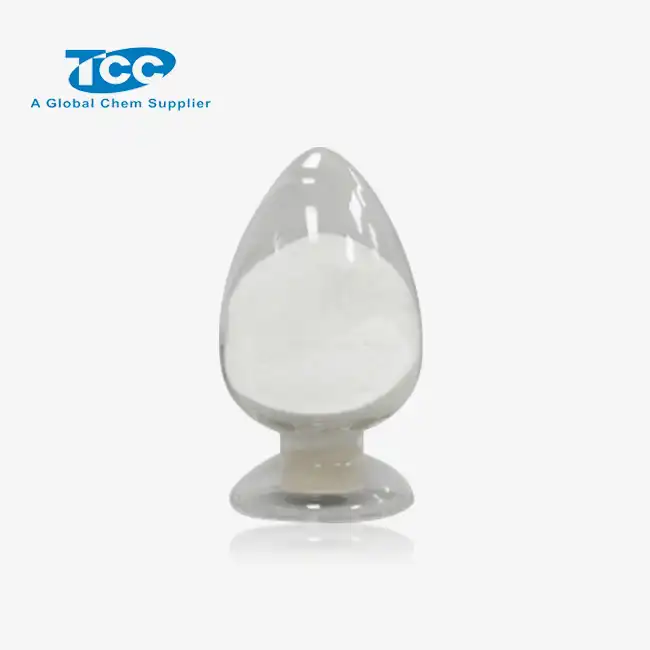
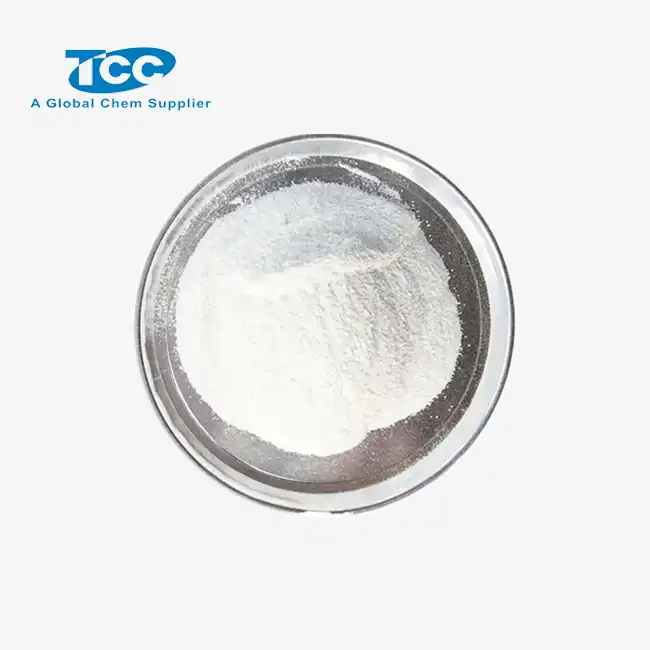
FL310S is a premium AMPS/AA copolymer, which integrates the synergistic characteristics of 2-acrylamido-2-methylpropane sulfonic acid and acrylic acid monomers. This unusual molecular design gives high salt resistance, while polymer chain extension is maintained even in saturated brine settings. The white to light yellow powder has a density of 0.70±0.20g/cm³, and may be mixed with a range of cement slurry formulas easily and without substantial impact on density profiles.
The cementing fluid loss addition of this invention retains molecular integrity at temperatures up to 150° C (302° F BHCT), whereas conventional cellulose-based additives thermally degrade at temperatures over 110° C. The inserted sulfonate functional groups on the polymer backbone reject the salt ions and prohibit chain collapse in high salinity mixing water as with traditional additions. FL310S is also very useful in offshore activities where mixing with saltwater is common.
Mechanism of Filtration Control
The basic concept of this kind of polymer cementing fluid loss agent is fast hydrate and filter cake formation. FL310S molecules scatter and hydrate rapidly when combined with cement slurry at a concentration of 0.6% to 2.0% BWOC (By Weight of Cement). In contact with permeable structures, the polymer chains align at the interface, forming a physical barrier for fluid movement.
This filtration control mechanism is not the same as bridging agents. FL310S does not immediately seal formation holes but generates a compressible low-permeability membrane on the formation face. Filter cake thickness is still small (usually <2 mm), but successfully limits API fluid loss to <50 mL/30 min at differential pressures of 1000 psi. This action assures that the cement slurry will have enough water to properly hydrate the cement, will not flash set, and will be pumpable throughout the placement operations.
Compatibility and Safety Protocols
FL310S is versatile and compatible. The additive functions well in fresh water to semi-saturated salt water systems, and is tolerant of a wide variety of salinities with no need for formulation changes. The polymer adsorption on silica particles in combination with microsilica anti-gas migration devices really increases the filter cake density and provides synergistic filtering performance.
Protocol emphasis: Handling: Moisture protection. Fluid loss additive FL310S is a hygroscopic polymer powder and should be kept in sealed packaging in a dry, cold environment. Proper storage increases shelf life to 24 months, and exposure to moisture promotes clumping and loss of dispersibility. Material Safety Data Sheets (MSDS) show modest toxicity profiles and suggest basic personal protective equipment (dust masks and gloves) during mixing activities. The additive conforms to worldwide environmental requirements and has the sustainability credentials of major oil and gas enterprises.
Performance and Benefits of FL310S for Enhanced Wellbore Cleanliness
Operational Advantages in Cementing Applications
The essential dependence of wellbore cleanliness on the prevention of slurry dehydration during installation. If the cement loses water to the formation too quickly, the increased viscosity impairs flow and leaves channels lined with drilling fluid residue. FL310S overcomes this difficulty by preserving the slurry fluidity during the cementing period. The regulated dehydration rate permits the entire displacement of the mud, preventing contamination of the binding strength between casing, cement, and formation.
• Demonstrated and demonstrable results in real-world applications. In a recent cementing campaign in the Permian Basin, operators employing FL310S reported a 40% decrease in non-productive time compared to earlier operations using traditional cellulose additives. Better fluid loss management reduced bridging in tight annular geometries, enabling continuous slurry deployment to desired depths. After the project, cement bond records indicated consistent acoustic impedance over the cemented gap, verifying excellent zonal isolation.
Another operational benefit is the mild retarding influence of the additive on thickening time. In contrast to certain polymers that unexpectedly lengthen setting durations, this cementing ingredient has modest retardation qualities. The thickening time is still within the design limits for dosages up to 1.5% BWOC. In low-temperature wells (below 50°C BHCT) at higher concentrations, small delays may happen and can be quickly fixed by using accelerators. This predictability helps in task planning and decreases the possibility of premature gelation or excess fluidity.
Cost Efficiency and Environmental Alignment
Economic success is not just measured by raw material prices. FL310S works at low doses, generally 30-50% lower than cellulosic alternatives, translating to immediate savings in procurement. The additive is compatible with ordinary density cement systems, eliminating the requirement for specific base slurries and further decreasing formulation costs. Combined, these qualities make FL310S one of the most cost-efficient alternatives for medium-temperature cementing applications.
Environmental compliance is becoming a more important procurement factor. FL310S formulations contain no heavy metals or persistent organic contaminants, permitting easy disposal and reducing ecological footprints. The effectiveness of the addition also translates into less cement slurry per operation, therefore reducing the total material used and the accompanying transportation emissions. FL310S specification meets severe sustainability requirements for operators seeking ISO 14001 certification or equivalent environmental management standards.
Troubleshooting Common Fluid Loss Challenges
Laboratory goals are seldom met in the field, necessitating adaptive strategies for filtration control. In the event that fluid loss seen during pre-job testing is larger than predicted, a progressive increase in dose usually will correct the problem. Iterative additions of 0.2% BWOC fine-tune without exceeding rheology goals. Performance is also affected by blending techniques; use of FL310S during the mixing stage rather than as a late addition promotes full hydration and uniform dispersion throughout the slurry.
Another frequent problem is temperature swings with Fluid loss additive FL310S. It is certified for situations up to 150°C, although the performance optimisation happens when the bottom-hole circulation temperature is near the design parameters. If the formation temperatures are underestimated, degradation of the polymer may occur, and if overestimated, excessive doses may be used. Accurate tracking of temperatures and communication with technical support teams allow for exact formulation changes to optimise additive performance.
Comparing FL310S with Other Fluid Loss Additives: Making Informed Decisions
Performance Benchmarking Against Alternative Solutions
The competitive landscape for cementing additives includes several chemical classes, each with distinct performance envelopes. Hydroxyethyl cellulose (HEC) remains prevalent in some markets due to familiarity and initial cost advantages. Yet comparative testing reveals HEC's limitations above 110°C, where thermal degradation compromises filtration control. FL310S maintains structural stability throughout its 150°C operational range, delivering consistent API fluid loss values across the temperature spectrum. This reliability eliminates costly contingency planning and material substitutions during unexpected thermal excursions.
Synthetic polymer alternatives such as AMPS/DMAA copolymers offer comparable temperature resistance but often require higher dosages to achieve equivalent filtration performance. Side-by-side evaluations demonstrate FL310S achieves target fluid loss values at concentrations 15-25% lower than competing synthetic formulations. This dosage efficiency not only reduces material costs but also minimizes potential interactions with other slurry components, simplifying quality control and troubleshooting procedures.
Cost-Effectiveness and ROI Analysis
And you can’t just add up the prices; you have to look at the overall well construction expenses to do the ROI estimates. Premium additives may be more expensive on a per kilogram basis, but their performance may lead to net savings via enhanced operational efficiency. FL310S's fast hydration properties minimise mixing time and cut rig day rates and crew exposure hours. Its salinity compatibility range facilitates inventories, decreasing procurement overhead and storage needs.
Better well integrity delivers benefits in the long run. Proper zonal isolation avoids expensive remedies like squeeze cementing and annular pressure build-up mitigation. Industry data suggests that the average cost of remediating main cementing failures is $150,000 to $500,000 per failure, ignoring production delays. Investing in established filtration control technology, like the FL310S, reduces these risks, safeguarding capital investment and operating deadlines.
User Feedback and Technical Support Considerations
FL310S’s field-proven dependability is a frequent topic of testimonials from oilfield service firms and engineering contractors. Strict quality control standards mean consistent batch-to-batch performance, which procurement managers enjoy. Each shipment is accompanied by Certificates of Analysis (COA) indicating compliance with API Specification 10A and RP 10B-2 requirements. The openness of paperwork promotes regulatory compliance and makes for easier auditing processes.

Availability of technical assistance is a key differentiator for vendors in competitive marketplaces. Taicheng’s staff will support you in all phases of the product life cycle, from the first design of the formula to the analysis after the task is over. Responsive communication channels enable quick resolution of field difficulties, minimising downtime and maintaining operating momentum. This collaborative approach goes beyond just transactional connections, encouraging a spirit of problem-solving that results in ongoing progress.
Procurement Guide: How to Source FL310S Efficiently
Identifying Verified Supply Channels
Sourcing key cementing chemicals demands a stringent supplier investigation. Authorised manufacturers verify their skills by certificates of facilities, quality management systems, and regulatory compliance records. For organisations that serve a variety of sectors, including pharmaceuticals and food additives, procurement experts should check GMP compliance when considering possible FL310S vendors. Across industries, quality standards frequently mean better process controls and product uniformity.
Geography may have an impact on supply chain resilience. FL310S is manufactured in Chinese plants, but with established distribution systems across the globe, it can be reliably sent to operations globally. Close to critical inventory sites, shortening lead times and freight costs. This is especially helpful for urgent needs or distant drilling areas. Assessing the logistical capabilities of suppliers, including warehouse facilities, freight alliances and emergency response methods, may help to mitigate supply delays.
Ordering Processes and Volume Advantages
Minimum order quantities for FL310S typically start at 500kg—equivalent to twenty 25kg bags—balancing inventory costs against shipping efficiency. Bulk purchasing delivers significant per-unit savings, with tiered pricing structures rewarding commitment. Volume discounts of 8-12% commonly apply to quarterly contracts exceeding 10 metric tons, appealing to operators with sustained cementing activity across multiple wells or drilling programs.
Sample evaluation programs mitigate procurement risks by enabling field testing before large-scale commitments. Requesting 2- 5 kg trial quantities allows laboratory validation of fluid loss performance under project-specific conditions. Coordinating sample testing with technical support teams accelerates formulation optimization, ensuring the additive integrates seamlessly into existing slurry designs. This collaborative approach builds confidence while demonstrating supplier commitment to customer success.
Logistics Best Practices and Documentation
Lead times for FL310S procurement typically range from 15-30 days, depending on shipping distance and customs clearance requirements. Expedited options reduce timelines to 7-14 days for premium freight charges, valuable when schedules compress unexpectedly. Coordinating delivery timing with rig mobilization dates prevents demurrage charges and on-site storage complications, particularly critical for offshore operations with limited platform space.
Complete documentation packages accompany each shipment of Fluid Loss Additive FL310S, including Certificates of Analysis, Material Safety Data Sheets, and transportation manifests. These documents facilitate customs clearance, regulatory compliance verification, and internal quality control workflows. Digital documentation options streamline record-keeping while supporting sustainability initiatives through reduced paper consumption. Maintaining comprehensive procurement records also simplifies traceability during audits or performance investigations.
Future Trends and Sustainability Considerations in Fluid Loss Additive Use
Innovations Shaping Filtration Control Technologies
New formulation methods are expected to improve properties across larger operating envelopes. Studies on multi-functional additives indicate that they may manage fluid loss and alter rheology, which may lead to simpler slurry designs and reduce the amount of chemicals used. Ultra-low permeability filter cakes may be produced using nano-engineered particles, which may also expand the effective temperature range over the present limit of 150°C. These technologies are still in the works, but they show the industry’s dedication to continual progress.
Digital integration is another frontier. Real-time monitoring systems evaluate slurry parameters during mixing and placement, allowing fast modifications to optimise performance. By correlating sensor data with prediction algorithms, we may intervene preemptively before fluid loss goes above permissible levels. As these technologies evolve, additives such as FL310S will be included in intelligent cementing systems that respond to the changing downhole conditions to optimise success rates and minimise material waste.
Environmental Stewardship and Regulatory Evolution
Oilfield chemical regulations are tightening, with more focus on biodegradability, toxicity profiles and lifetime consequences. FL310S is well suited for long-term usage since it complies with existing international environmental requirements, but has to be proactively adjusted to future restrictions. As the importance of environmental procurement criteria grows, suppliers who use green chemical concepts and sustainable manufacturing practices provide competitive benefits.
Water conservation programs can impact the use of additives. Good performance throughout a broad range of salinities enables recycling of generated water and thereby reduces freshwater use in water-scarce places. The FL310S’s ability to be used with semi-saturated saltwater systems is a plus for these conservation initiatives, balancing operational practices with community expectations and regulatory requirements. Environmental responsibility is more than compliance to improve company reputation and social license to operate.
Strategic Procurement Recommendations
Build robust supply chains by diversifying without losing quality. Working with many approved suppliers reduces interruption risk and ensures competitive prices via smart negotiation. Long-term framework agreements provide the right mix between commitment and flexibility, guaranteeing favourable conditions while managing fluctuations in activity levels. Procurement contracts should include provisions for technical assistance to help assure continued access to know-how that can be used to maximise the product’s value.
Embedding sustainability measures into supplier scorecards is a key driver of continual improvement throughout the supply chain. Assessing suppliers on carbon footprint, waste reduction and social responsibility activities helps identify partners who match business objectives. This comprehensive approach to evaluation recognises that lowest initial cost is seldom the greatest overall value, especially when factoring reputation risks and stakeholder expectations in today’s energy markets.
Conclusion
Controlling fluid loss is critical to a successful cement job since it directly affects wellbore integrity, operating efficiency and long-term well performance. FL310S offers reliable filtration management with sophisticated polymer chemistry, suitable formulations and proven durability in the field. The material’s operational benefits – wide temperature resistance, salt tolerance and predictable thickening behaviour – answer the full range of issues faced in both conventional and complicated drilling operations.
Long-term success awaits operators that broaden their procurement selections beyond price to include technical assistance, supply chain resilience and environmental alignment. By choosing competent suppliers dedicated to quality, innovation, and cooperation, firms build competitive advantages that improve immediate operations and strategic posture in the changing energy markets.
FAQ
1. What differentiates FL310S from cellulose-based fluid loss additives?
FL310S maintains thermal stability and filtration performance at temperatures up to 150°C, whereas cellulose additives degrade above 110°C. The polymer structure also provides superior salt tolerance, performing consistently in freshwater through semi-saturated brine systems without formulation adjustments. This versatility reduces inventory complexity while improving reliability across diverse well conditions.
2. Can FL310S be combined with other common cementing additives?
Absolutely. FL310S exhibits excellent compatibility with dispersants, retarders, accelerators, and microsilica systems. When used with anti-gas migration formulations containing silica fume, polymer adsorption on particle surfaces actually enhances filter cake density, delivering synergistic performance improvements. Always conduct compatibility testing when introducing any new additive combination.
3. How should FL310S be stored to maximize shelf life?
Store the additive in a dry, cool environment with temperatures below 30°C. Keep original moisture-proof packaging sealed until use, as exposure to humidity causes clumping and dispersibility loss. Under proper storage conditions, FL310S maintains full performance characteristics for 24 months from the manufacturing date. Always rotate inventory using first-in, first-out protocols.
4. What documentation accompanies FL310S shipments?
Each delivery includes a Certificate of Analysis confirming batch-specific performance parameters, Material Safety Data Sheets detailing handling protocols, and transportation manifests for customs clearance. Additional documentation such as API certifications or regulatory compliance statements can be provided upon request to support your specific procurement requirements.
Partner with Taicheng for Reliable Fluid Loss Additive FL310S Supply
Xi'an Taicheng Chemical stands ready to support your cementing operations with premium FL310S manufactured under rigorous quality standards. Our extensive experience serving oil and gas companies across North America ensures we understand the performance demands and procurement constraints unique to your operations. Direct access to GMP-certified manufacturing facilities guarantees consistent product specifications, while our global logistics network delivers reliable, on-time shipments to drilling locations nationwide.
Whether you require small trial quantities for evaluation or bulk volumes for multi-well programs, our flexible ordering processes accommodate projects of any scale. Complete documentation packages, including COA and MSDS certificates, arrive with every shipment to streamline your compliance workflows. Technical support teams remain available throughout product selection, formulation optimization, and post-job analysis, ensuring you maximize value from every kilogram.
Contact our sales team at sales@tcc-ofc.com to discuss your specific requirements, request product samples, or explore volume pricing options. As a trusted fluid loss additive FL310S manufacturer, we're committed to delivering the chemical solutions, technical expertise, and partnership approach that drive your operational success.
References
1. American Petroleum Institute. (2019). API Specification 10A: Specification for Cements and Materials for Well Cementing, 24th Edition. Washington, DC: API Publishing Services.
2. Nelson, E.B. & Guillot, D. (2006). Well Cementing, 2nd Edition. Sugar Land, TX: Schlumberger Educational Services.
3. Plank, J.P. (2015). "Applications of Synthetic Polymers in Oilfield Cementing." Journal of Petroleum Technology, 67(8), 92-108.
4. Smith, R.C. & Calvert, D.G. (2018). "Fluid Loss Control in High-Temperature Cementing Operations." SPE Drilling & Completion, 33(2), 145-159.
5. Taylor, H.F.W. (2017). Cement Chemistry, 3rd Edition. London: Thomas Telford Publishing.
6. Zhang, L. & Wang, M. (2020). "Performance Evaluation of AMPS-Based Polymers in Wellbore Cementing Applications." International Journal of Oil, Gas and Coal Technology, 24(1), 78-94.
_1742288724964.webp)
Learn about our latest products and discounts through SMS or email