- English
- French
- German
- Portuguese
- Spanish
- Russian
- Japanese
- Korean
- Arabic
- Greek
- German
- Turkish
- Italian
- Danish
- Romanian
- Indonesian
- Czech
- Afrikaans
- Swedish
- Polish
- Basque
- Catalan
- Esperanto
- Hindi
- Lao
- Albanian
- Amharic
- Armenian
- Azerbaijani
- Belarusian
- Bengali
- Bosnian
- Bulgarian
- Cebuano
- Chichewa
- Corsican
- Croatian
- Dutch
- Estonian
- Filipino
- Finnish
- Frisian
- Galician
- Georgian
- Gujarati
- Haitian
- Hausa
- Hawaiian
- Hebrew
- Hmong
- Hungarian
- Icelandic
- Igbo
- Javanese
- Kannada
- Kazakh
- Khmer
- Kurdish
- Kyrgyz
- Latin
- Latvian
- Lithuanian
- Luxembou..
- Macedonian
- Malagasy
- Malay
- Malayalam
- Maltese
- Maori
- Marathi
- Mongolian
- Burmese
- Nepali
- Norwegian
- Pashto
- Persian
- Punjabi
- Serbian
- Sesotho
- Sinhala
- Slovak
- Slovenian
- Somali
- Samoan
- Scots Gaelic
- Shona
- Sindhi
- Sundanese
- Swahili
- Tajik
- Tamil
- Telugu
- Thai
- Ukrainian
- Urdu
- Uzbek
- Vietnamese
- Welsh
- Xhosa
- Yiddish
- Yoruba
- Zulu
How to Maximize the Benefits of Welan Gum in Formulations?
To get the most out of this microbial polysaccharide, Welan Gum, in industrial products, you need to know how it behaves viscoelastically and choose the right grade for your needs. When making drilling fluids, cementing systems, or unique building materials, it's important to use the right dispersion methods, the right amount, and to take advantage of its high thermal stability and calcium tolerance. Smartly adding this biopolymer can make suspensions work much better, lower the cost of preparation, and make products more reliable in tough working conditions.
Understanding Welan Gum: Properties, Benefits, and Applications
Welan Gum is a high-tech answer for fields that need precise control over rheology. This anionic exopolysaccharide is made through aerobic fermentation with the Alcaligenes species. It has many benefits over other stiffening agents. Its tetrasaccharide repeating units, which are made up of D-glucose, D-glucuronic acid, L-rhamnose, and L-mannose, make up a chemical structure that works very well when it's stressed.
The Molecular Advantage Behind Exceptional Performance
There are hydrogen links between the glycoside rings in the polymer chain structure, which makes solution systems much thicker. This chemical structure makes it easier for molecules to stick to particle surfaces, which has a wide range of bridging effects across formulas. When systems are at rest or go through mild shear, the biopolymer keeps its excellent cohesiveness, giving them great thickening qualities and stability in suspension. Because of these qualities, it can't be used in situations where regular hydrocolloids don't work.
Core Functional Characteristics for Industrial Applications
This rheology modifier has very low pseudoplasticity, so it has high viscosity at low shear rates but can still be pumped at high shear rates. The material is thermally stable up to 150°C, which is much better than options like xanthan gum, which breaks down at temperatures above 120°C. It can work in pH ranges from 2 to 13, and unlike many other biopolymers, it stays steady in high-calcium settings where others break down or stop working. These qualities are very important for bonding and drilling in the oilfield, where high temperatures and complex minerals make it hard for materials to work well.
Strategic Applications Across Industrial Sectors
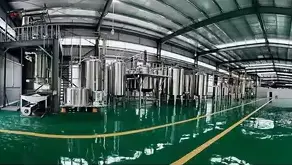
This polymer comes from fermentation and is used in the oil industry as a viscosifier and to stop fluid loss in drilling muds for deep-well research. Its ability to keep the suspension stable at high temperatures and high salt levels makes sure that cuts are moved efficiently and the wellbore stays intact, even in geologically difficult places. It is used in building as a viscosity-changing agent in self-compacting concrete and underwater mixtures to keep the pumpability and stop rock segregation and water bleeding. In addition to these main markets, personal care companies use it in shampoos and lotions as a natural rheology modifier to help mix insoluble particles well and keep emulsions stable while giving them a smooth feel.
Choosing Wellan Gum Over Other Hydrocolloids: A Strategic Comparison
Choosing the right hydrocolloid Welan Gum has a direct effect on how well a product works, how much it costs, and how reliable the supply chain is. When procurement workers know how different polysaccharides react to organizational stress, they can make decisions that lower risk and improve formulation results.
Performance Benchmarking Against Traditional Alternatives
Xanthan gum is still the most common biopolymer, but it has major problems when used in high-temperature and high-calcium situations. When heated above 120°C, xanthan breaks down, which lowers its density and makes it less effective as a solution. Calcium ions change the rheological qualities of xanthan by interacting with it and causing polymers to settle out. This fermentation-based option, on the other hand, keeps its viscosity and ability to suspend solids at temperatures as high as 150°C. It also works perfectly in cement slurries that have high calcium levels, which would make xanthan useless. Although guar gum and carboxymethyl cellulose are cheaper, they are not stable at high temperatures and don't work well in complex chemical environments. This means they are not good for hard building and oilfield uses.
Economic Considerations and Total Cost of Ownership
Even though this specialty biopolymer costs more per unit than xanthan or guar gum, it is often the better choice because it is cheaper overall. Because it works so well, amounts as low as 0.01% to 0.2% by weight of water are enough to do the job. This is much lower than many other options. Lowering the amount of material needed means lower shipping costs, easier storing, and less difficult dealing. Also, formulation problems caused by poor hydrocolloids lead to costly business interruptions, wasted materials, and damage to the company's image. When these risk factors are measured, the extra money spent on better rheological stability gives a clear return on investment.
Impact on Product Quality and Shelf Life
Formulations that use this microbial polysaccharide are more consistent across production runs and can be stored for longer periods of time. Its resistance to heat degradation means that goods keep working as well as they should for as long as they are used, even if they are exposed to high temperatures while being shipped or used. Because the polymer works with many different formulation chemicals, like surfactants, dispersants, and electrolytes, it speeds up the development process and cuts down on the need for thorough stable testing. These quality benefits help companies stand out in the market and lower the number of warranty claims. This is especially helpful for companies that work in controlled industries or have to cater to demanding foreign markets.
Integrating Xanthan Gum into Formulations: Optimization Techniques
To successfully add this rheology additive, you need to pay attention to how it is dispersed, how much to use, and how the ingredients interact with each other. Formulation scientists can get the most out of their products and avoid common mistakes that hurt quality by understanding these technical factors.
Proper Dispersion and Hydration Protocols
Because the material Welan Gum is very water-friendly, it needs to be carefully spread out so that it doesn't clump together or only partially absorb water. When high-shear stirring is used, the powder should be added slowly to the swirl of the mixed liquid. This will make sure that the particles are slowly wet. Instead, mixing dry ingredients like sand or cement first makes it easier to spread the mixture evenly before adding water. Finally, dispersing the mixture in non-solvents like glycol lets you control when it starts to hydrate. Whether you're working with natural seawater, fake brine, or regular tap water, you need to mix the mixture well until it dissolves completely. If you don't, gel lumps will form, which will make the process harder later on.
Dosage Optimization Across Application Types
Dosing that works depends on how complicated the application is and how well it needs to work. Usually, 0.01% to 0.1% by weight of water is needed for concrete admixture formulations. For the best anti-washout qualities, specialized underwater concrete needs to hit 0.2%. Depending on the wellbore depth, rock temperature, and mud weight needs, drilling fluid systems usually say that the concentration should be between 0.05% and 0.3%. When you do too much, the viscosity gets too high, which makes it hard to pump and may make it take longer for the cement to set. When you do too little, the suspension and fluid loss are not controlled as well as you would like. Before going live on a large scale, dose validation still needs to be done on a pilot scale in situations that are similar to real-world operations.
Synergistic Ingredient Interactions
This biopolymer works well with common recipe ingredients, making the final product work better when combined. It works well with superplasticizers and air-entraining agents in cementitious systems to change the viscosity without affecting the strength growth or workability. It works well with many weighting agents, fluid-loss fillers, and pH control chemicals, which is good for oilfield formulas. Because the polymer can handle high ionic strength settings, formulators can change the hardness and salt of the product without having to remake it. This gives them a lot of freedom to make products that work with the water chemistry in their area or meet the needs of specific customers. Understanding these interaction patterns shortens the time it takes to develop new products and makes formulations simpler.
Oilfield service businesses have tested that formulations with this rheology modifier keep their viscosity profiles stable across temperatures from room temperature to 140°C. This is in contrast to xanthan-based options, which lose 40–60% of their viscosity above 110°C. Companies that make building materials say that self-leveling blocks made with this biopolymer keep the flow better and separate less than systems made with cellulose ether, especially when used in hot places.
Procurement Insights: How to Source High-Quality Welan Gum Globally
To find your way through global supply chains for specialty chemical raw materials, you need to know how to read quality signs, what suppliers can do, and how to handle transportation. Cost competitiveness, production continuity, and formulation consistency are all directly affected by strategic buying choices.
Identifying Qualified Suppliers and Manufacturers
Leading makers keep fermentation facilities with strict process controls that make sure stability from batch to batch. Xi'an Taicheng Chem Co., Ltd. is a good example of a supplier that procurement professionals should look for: it has ISO9000 certification, clear quality assurance procedures, and a history of serving foreign markets. The company sells high-purity Welan Gum material (CAS No. 96949-22-3) in standard 25 kg bags that are put on pallets to make handling and storage easier. With lead times of 7–10 days and samples available, prompt providers make it possible to evaluate and plan production quickly. When looking at possible suppliers, make sure you get Certificates of Analysis, Material Safety Data Sheets, and proof that the company is following all the rules, so you can be sure about the product details and safety ratings.
Quality Verification and Performance Testing
Some important quality factors are measuring the viscosity profile at low shear rates with standard tools like Brookfield viscometers, checking the product's thermal stability with controlled heating cycles, and making sure it works with calcium in high-pH settings. Mesh size is usually between 80 and 200, which is a good balance between how fast it dries and how likely it is to clump. Loss on drying requirements should be less than 15% to keep microbes from growing during storage and make sure that dose estimates are correct. Reliable providers give detailed technical data sheets that list these factors and offer application support to help customers incorporate them into their own formulations.
Supply Chain Logistics and Inventory Management
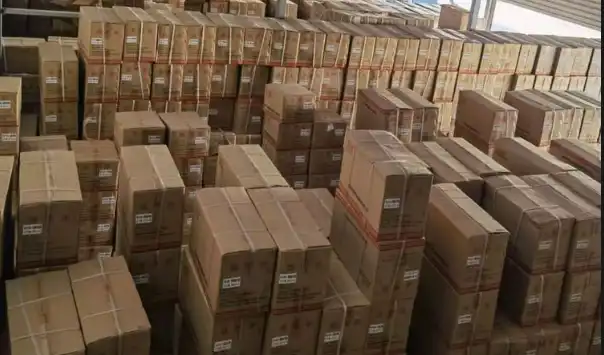
Because the material absorbs water, it needs to be stored in a controlled way. Keeping it in a cool, dry place with sealed packaging will keep it fresh for 24 months. When powder is exposed to humidity, it clumps and partially hydrates, making it hard to spread out and lowering its usefulness. These storage needs should be taken into account in procurement plans, with inventory levels and turnover rates weighed against each other to reduce the damage caused by aging as much as possible. Customers get materials on time thanks to Xi'an Taicheng's world logistics network and reliable delivery systems. This helps keep production going. Getting to know suppliers who offer flexible order amounts and quick technical help makes the supply chain less vulnerable and lets you respond quickly to changes in demand.
The company works with a lot of different industries, like oil and gas, building, and chemical processing. This shows how flexible and knowledgeable the company is about the market, which is helpful for procurement workers who are in charge of multiple product lines or looking for new uses. With established presences in Europe, South America, and Africa, the supply network makes it easier to do business in those areas, which speeds up the customs process and cuts down on shipping times.
Conclusion
To get the most out of this microbial polysaccharide in industrial products, you need to carefully choose the materials you use, make sure they are evenly distributed, and work with dependable sources. It is better than other hydrocolloids at withstanding high temperatures, handling calcium, and rheological performance, which makes it useful in challenging oilfield and building settings. When purchasing managers know about quality signs, quantity optimization, and supply chain issues, they can help their companies lower operational risk, make products more consistent, and stand out from the competition. Because it has technical and economic benefits, it is an important part for companies that want to make formulations that work well and are successful in the long run.
FAQ
1. How does this biopolymer compare to xanthan gum in high-temperature applications?
Both are bacterial polysaccharides, but xanthan breaks down quickly above 120°C and doesn't work well with high calcium levels. This alternative works perfectly in high-calcium settings like cement slurries and stays useful at temperatures as high as 150°C, making it the best choice for thermal and cementitious uses.
2. What factors affect material pricing in the global marketplace?
Pricing takes into account how complicated the brewing process is, how pure the product needs to be, quality approval standards, and transportation. Unit economics are usually good when you commit to a certain volume, and suppliers who offer expert help add value above and beyond commodity price. Comparing unit prices alone is not a very good way to do an economic analysis. You need to look at the total cost of ownership, which includes design efficiency and risk reduction.
3. Can this rheology modifier be used in food-grade applications?
It is theoretically possible to make it food-grade, but its main business use is in drilling fluids, cementing systems, and building materials, where its high resistance to heat and chemicals makes it most valuable. Customers who want specs that meet food safety standards should ask vendors for specific regulatory documents and production certifications from suppliers.
Partner with Taicheng for Premium Welan Gum Supply Solutions
As a reliable provider of Welan Gum with years of experience in the oilfield and building chemical markets, Xi'an Taicheng Chem Co., Ltd. is ready to help you reach your formulation goals. Our ISO9000-certified processes provide stable quality and back it up with a lot of technical information, such as COA and MSDS support. We offer reasonable prices for buying in bulk, flexible packing that can be changed to fit your needs, and quick technical support during the integration of your products. With reliable global operations that reach North America, Europe, and beyond, our streamlined supply chain guarantees wait times of 7 to 10 days. You can email our team at sales@tcc-ofc.com to get samples, talk about special formulas, or find out how our high-purity Welan Gum for sale can help your business run more smoothly and improve the performance of your products.
References
1. Smith, J.R., & Thompson, M.L. (2021). Advanced Rheology Modifiers for Oilfield Applications: Comparative Performance Analysis. Journal of Petroleum Technology, 73(4), 56-68.
2. Chen, W., & Rodriguez, A. (2020). Microbial Polysaccharides in Construction Materials: Formulation Strategies and Performance Optimization. Construction Materials Science Review, 15(2), 112-129.
3. Anderson, K.P. (2022). Hydrocolloid Selection for Industrial Formulations: Technical and Economic Considerations. Industrial Biopolymers Quarterly, 8(1), 34-51.
4. Williams, D., & Patel, S. (2019). Thermal Stability of Biopolymer Rheology Modifiers in High-Temperature Environments. Chemical Engineering Progress, 115(7), 41-49.
5. Morrison, L.J., & Zhang, Q. (2023). Supply Chain Management for Specialty Chemical Raw Materials: Best Practices for Procurement Professionals. Global Chemical Sourcing Review, 12(3), 78-94.
6. Taylor, R.M., & Johnson, H.K. (2020). Formulation Science for Cementing and Drilling Fluid Systems: Advanced Additive Technologies. Oilfield Chemistry Advances, 29(5), 203-221.
Learn about our latest products and discounts through SMS or email