- English
- French
- German
- Portuguese
- Spanish
- Russian
- Japanese
- Korean
- Arabic
- Greek
- German
- Turkish
- Italian
- Danish
- Romanian
- Indonesian
- Czech
- Afrikaans
- Swedish
- Polish
- Basque
- Catalan
- Esperanto
- Hindi
- Lao
- Albanian
- Amharic
- Armenian
- Azerbaijani
- Belarusian
- Bengali
- Bosnian
- Bulgarian
- Cebuano
- Chichewa
- Corsican
- Croatian
- Dutch
- Estonian
- Filipino
- Finnish
- Frisian
- Galician
- Georgian
- Gujarati
- Haitian
- Hausa
- Hawaiian
- Hebrew
- Hmong
- Hungarian
- Icelandic
- Igbo
- Javanese
- Kannada
- Kazakh
- Khmer
- Kurdish
- Kyrgyz
- Latin
- Latvian
- Lithuanian
- Luxembou..
- Macedonian
- Malagasy
- Malay
- Malayalam
- Maltese
- Maori
- Marathi
- Mongolian
- Burmese
- Nepali
- Norwegian
- Pashto
- Persian
- Punjabi
- Serbian
- Sesotho
- Sinhala
- Slovak
- Slovenian
- Somali
- Samoan
- Scots Gaelic
- Shona
- Sindhi
- Sundanese
- Swahili
- Tajik
- Tamil
- Telugu
- Thai
- Ukrainian
- Urdu
- Uzbek
- Vietnamese
- Welsh
- Xhosa
- Yiddish
- Yoruba
- Zulu
Calcium Carbonate Powder vs Talc: Which Filler Is Better?
When looking at industrial fillers, the choice between Calcium Carbonate powder and talc has a big effect on how well the product works, how much it costs, and how well it meets regulations. Due to its high chemical purity, low cost, and low impact on the environment, Calcium Carbonate powder is the best choice for oil and gas activities, pharmaceutical manufacturing, and food production. This mineral filler has consistent quality across a wide range of demanding uses. Its prices are also affordable, which makes it easy to buy in bulk.
Introduction
One of the most important choices that buying professionals who run complicated industrial processes have to make is choosing the right filler material. Fillers affect everything from how long a product lasts to how much it costs to make, so choosing them should be a strategic goal instead of a simple buying choice. Calcium Carbonate powder and talc are the two materials that are most often talked about in global industry settings. Even though they both do important jobs, their performance, safety, and regulation status are very different.
For business-to-business buyers who work in oil and gas research, pharmaceutical API production, or food-grade uses, knowing these differences has a direct effect on operational risk, compliance, and long-term cost structures. In this in-depth study, both materials are looked at using performance data, legal standards, and examples from real-life applications. We pay special attention to how Calcium Carbonate powder solves some of the biggest problems in the business, like keeping the wellbore stable during digging, making sure that each batch of medicines works the same way, and making sure that sensitive production areas follow environmental rules.
Understanding Calcium Carbonate Powder and Talc
Chemical Composition and Production Methods
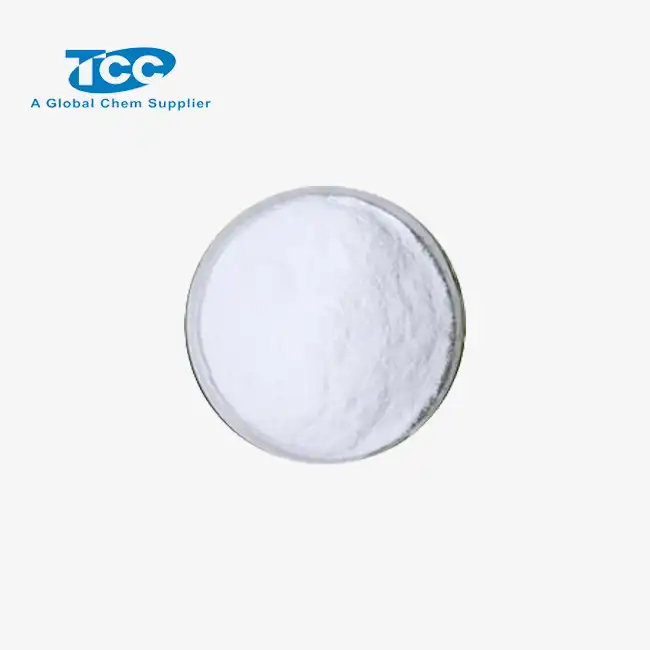
Ground Calcium Carbonate (GCC), which comes from natural limestone or marble sources, and Precipitated Calcium Carbonate (PCC), which is made through controlled chemical precipitation, are the two main types of Calcium Carbonate powder (CaCO3, CAS No. 471-34-1). Because of this, makers can choose grades that work best for certain uses. The substance is a white to light brown powder whose molecular formula is CCaO3. It is very chemically stable across the wide range of temperatures that are used in industrial processes.
On the other hand, talc is a naturally occurring magnesium silicate material that is moist. People like talc because it is soft and doesn't absorb water, but because it comes from minerals, the purity levels can vary, and there is a chance of contamination, so strict quality control rules are needed. Because of the way natural extracts are made, it is harder to make sure that each batch of production is the same.
Physical Properties and Performance Characteristics
With makers regularly making grades ranging from microfine (1-10 microns) to nano-scale particles below 0.1 microns, Calcium Carbonate powder shows better control over particle size distribution. This level of accuracy lets you target speed improvements across all apps. The material has a Mohs hardness of 3.0, which means it doesn't wear down processing tools too quickly and keeps its structure in formulas. Most whiteness values are between 90% and 97%, which makes them great for optical tasks that need brightness and opacity.
The material's oil absorption values (DOP values) range from 12 to 45 g/100 g, which lets formulators balance the amount of resin needed with the performance needs. Surface-treated types, especially those covered with stearic acid, change the material from being water-attracting to water-repellent. This makes sure that it works with organic polymer systems and drilling mud. These handled grades are especially useful in oilfield work, where controlling fluid loss and bridge effectiveness are very important.
Safety and Environmental Considerations
Regulatory bodies all over the world agree that Calcium Carbonate powder is generally recognized as safe (GRAS) for use in food and safe for use in medicine as long as it is made in GMP-certified circumstances. The material is non-toxic, which is in line with stricter environmental rules that apply to digging operations, especially in areas that are sensitive to the environment. Calcium Carbonate powder is generally considered safe in all areas, unlike talc, which is constantly being inspected by regulators for possible fiber-like minerals.
Environmental effect studies like Calcium Carbonate powder because it is naturally found in large amounts, is easy to process, and breaks down naturally. This filler supports green chemistry efforts without affecting practical performance for businesses that keep track of environmental measures. Production sites can meet global environmental standards, get ISO 9000 approval, and keep their A-level tax ratings.
Functional Comparison: Calcium Carbonate Powder vs Talc
Performance in Oil and Gas Applications
In drilling activities, Calcium Carbonate powder works well as a specific gravity booster and weighting agent for drilling mud. As you drill through porous rock layers, the material works as a bridging agent, closing off porous formations to keep fluid from escaping. This feature directly addresses the problem of keeping the wellbore stable in difficult geological settings where the fall of the formation could endanger workers and push back project deadlines.
Because it can handle high temperatures and pressures, the material can be used in deep drilling projects where temperatures are higher than 300°F, and pressures are at least 15,000 psi. When heated, talc-based systems can break down, but Calcium Carbonate powder formulas keep the particles' shape and how they mix with the liquid. This dependability cuts down on wasted time and broken equipment, which saves money across all drilling operations.
Talc has unique benefits in specific drilling situations that need to improve lubricity. This is especially true for directional drilling, where reducing friction between the drill string and the walls of the wellbore becomes very important. But the material is more expensive per ton and has problems with regulations in some places, which limit how it can be used compared to Calcium Carbonate powder options.
Industrial Manufacturing Performance Metrics
In plastics mixing, adding 20% to 60% Calcium Carbonate powder increases stiffness (modulus of flexibility), lowers the temperatures at which heat deflects, and speeds up cooling times. These perks make production more efficient while also lowering the amount of energy needed to make one unit. The substance can be used in some paint recipes instead of expensive titanium dioxide. It provides "dry hiding" opacity that keeps the color consistent while cutting the cost of raw materials by 15% to 25%.
Talc is great for uses that need slip resistance and moisture barrier qualities. This makes it useful for cosmetic products and specific polymer uses. The platelet structure of the material gives polypropylene products more strength, which makes them more resistant to pressure. But these benefits come at a high cost that makes it hard to meet cost-cutting goals in high-volume production settings.
Comparative Performance Summary
| Property | Calcium Carbonate Powder | Talc |
|---|---|---|
| Particle Size Range | 0.1-10 microns (controlled) | 2-20 microns (variable) |
| Whiteness/Brightness | 90-97% | 85-92% |
| Mohs Hardness | 3.0 (low abrasion) | 1.0 (very soft) |
| Chemical Purity | >98.5% CaCO3 | Variable (mineral mix) |
| Typical Price Range (USD/MT) | $80-$250 | $150-$450 |
| Environmental Profile | Excellent (GRAS status) | Moderate (scrutiny concerns) |
| Oilfield Suitability | Excellent (bridging, stability) | Limited (specialty applications) |
This information shows that Calcium Carbonate powder is a good choice for buying strategies that want to save money and need solid performance in a range of operating circumstances.
Procurement Guide: How to Choose Between Calcium Carbonate Powder and Talc
Industry-Specific Selection Criteria
When oil and gas companies buy materials, they look for ones that are stable in wellbores, don't break down at high temperatures, and follow all the rules for operations in more than one state. Calcium Carbonate powder meets these needs and gives formulators the freedom to deal with natural problems that are unique to each area. The material can be used for more than just drilling because it can be used as a cementing agent and a water treatment chemical. This makes it possible to build stronger relationships with suppliers, which speeds up the shipping and quality control processes.
For pharmaceutical companies to make APIs and intermediates, they need production settings that are in line with good manufacturing practices (GMPs) and have consistent results from batch to batch. Surface-treated types of Calcium Carbonate powder have the chemical purity (over 98.5% CaCO3) and particle size control that are needed for use as medicinal excipients. The material has a detailed safety profile and a lot of regulatory paperwork (COA, MSDS), which speeds up the approval process for new formulations.
Companies that work with food and nutrition can get food-grade nutritional additives from Calcium Carbonate powder, which has a GRAS rating and uniform specs. The material is both a calcium vitamin and a processing tool, and its whiteness values help the look of the finished product. In this industry, where formula changes lead to resubmissions to regulators and pushback from customers, supply chain security is especially important.
Supplier Evaluation Framework
When looking at Calcium Carbonate powder providers, you need to think about more than just the price per unit. ISO 9000 certification shows dedication to quality management systems, and A-level government labels show that operations are honest and follow rules. Strategic relationships between suppliers and GMP-certified factories help make sure that the quality of the materials and the factory's ability to meet long-term volume promises are always the same.
Superior sellers are different from commodity vendors because they can provide technical help. People who work in procurement should check to see if possible partners offer thorough product specifications, data on performance validation, and help with field applications. Being able to do tests in the lab and offer on-site help during recipe optimization lowers the risks of execution and speeds up the time it takes for new products to hit the market.
Supply problems that threaten production plans are kept to a minimum by global logistics networks and established delivery systems. Suppliers who work with customers in multiple countries usually keep goods in multiple locations and make shipping plans that can be changed to fit different order sizes. This infrastructure can be used for both emergencies and planned buying cycles that are in line with regular demand trends.
Cost Optimization Strategies
When you buy Calcium Carbonate powder in bulk, you usually save 10% to 20% compared to buying it one time. This is because you can be sure that your needs will be met first when supplies are low. To keep quality from shifting, long-term contracts should include performance promises that list particle size distribution, chemical purity, and cleanliness values. Price tracking rules based on the cost of limestone goods protect against unfair price increases while still allowing for normal changes in input costs.
Buying more of the same types of chemicals—for example, chemicals used in water treatment, drilling, and cementing—saves money and makes it easier to negotiate with vendors. Suppliers with a wide range of products can make formulations that meet the unique practical needs of each place. This lowers the technical risk that comes with systems that use more than one provider.
Case Studies: Successful Applications of Calcium Carbonate Powder vs Talc
Oilfield Application: North American Shale Operations
A big oilfield service company that works in Texas and North Dakota added Calcium Carbonate powder to the drilling mud they use for horizontal shale wells. When compared to older formulas, the material's bridging efficiency cut fluid loss rates by 35%, and its temperature stability helped meet drilling goals that were farther away. By making the wellbore more stable, non-productive time was cut by an average of 18 hours per well. This saved about $180,000 in costs per drilling operation.
The project team noticed that Calcium Carbonate powder's low cost allowed for higher loading rates without going over budget. Also, the material's environmental friendliness made the permitting process easier in several states. The supplier's technical support included helping with fluid management on-site and keeping an eye on performance in real time, which made the program run smoothly.
Pharmaceutical Manufacturing: API Production in Europe
A European drug company that makes antihypertensive active pharmaceutical ingredients (APIs) needed a highly pure ingredient that met strict GMP guidelines. Based on its exceptional clarity (99.2% CaCO3) and narrow particle size distribution, they chose precipitated Calcium Carbonate powder after reviewing several other materials. The material's stability across production runs got rid of the problems with tablet hardness that came up with other fillers in the past.
Regulatory applications to the European Medicines Agency were made easier by batch paperwork that included full COA and MSDS packages. The supplier's quality assurance processes and GMP-certified production partners were in line with the pharmaceutical company's validation needs. This cut the time it took to qualify by six weeks compared to when there were material changes in the past.
Comparative Analysis: Talc in Cosmetics
A cosmetics company that used talc in pressed powder products liked how the material didn't stick to surfaces and how well it absorbed wetness. But growing customer worries about the safety of talc led to a project to change the way it is made. To switch to Calcium Carbonate powder, a lot of testing had to be done to make sure that the sensory qualities would be the same. In the end, particle size optimization and surface treatment selection led to similar performance.
While recognizing that application-specific needs may favor one material over another, the case shows how versatile Calcium Carbonate powder can be. For the makeup company, the change gave them marketing benefits and confidence from customers that more than made up for the cost of reformulating. This shows how material choice is connected to bigger business strategy issues.
Conclusion
When you compare Calcium Carbonate powder to talc, you can see that Calcium Carbonate powder works better in many important business-to-business situations, such as oil and gas drilling, making medicines, and making food. This material is very cost-effective, safe for the environment, and follows all the rules, and it still does the job that complex manufacturing processes need it to do. Because it can be used as an additive in drilling mud, a cementing agent, and a pharmaceutical excipient, it makes it possible to use combined buying strategies that make supply chains easier to manage and improve supplier relationships. Calcium Carbonate powder is the best option for procurement workers who place a premium on operating stability, legal certainty, and long-term cost optimization.
FAQ
1. Which material has better safety credentials for regulated industries?
Calcium Carbonate powder is generally recognized as safe (GRAS) for food uses and complies with global pharmacy good manufacturing practice (GMP) standards. There are no major worries about contamination or ongoing governmental scrutiny of the material. Talc is allowed for many uses, but there are still regulatory questions in some places, especially when it comes to cosmetic uses, which means that more information and contact with consumers are needed.
2. How do the materials compare on cost-effectiveness for large-volume procurement?
Depending on the grade and treatment, Calcium Carbonate powder costs between $80 and $250 per metric ton, while talc costs between $150 and $450. Calcium Carbonate powder has a lower total cost of ownership for corporate buyers who manage a wide range of products. This is because it lowers machine wear, can be used in more situations, and is easier to comply with regulations.
3. Can calcium carbonate powder substitute for talc in existing formulations?
How possible a substitution is rests on the individual needs of each application. When digging, Calcium Carbonate powder can be used directly instead of talc in most recipes, which improves the performance of bridging and wellbore stability. In cosmetics, changes to particle size and surface treatment make transitions work, but matching sensory properties might need recipe improvement with help from supplier technical teams.
Partner with Taicheng for Premium Calcium Carbonate Powder Supply
Xi'an Taicheng Chem Co., Ltd. is a reliable source for Calcium Carbonate powder. They offer quality that is ISO 9000 recognized and are backed by partnerships with GMP-certified makers all over China. Our high-performance Calcium Carbonate powder is used in food-grade applications, pharmaceutical API production, and oil and gas drilling. It has a chemical purity of over 98.5%, excellent bridging efficiency, and strict quality documentation such as COA and MSDS packages. We make formulations that are specific to your business needs and back them up with full technical support from field trials to full-scale application. With years of experience in global transportation, we serve clients in North America, Europe, and other places. We guarantee reliable delivery plans that keep your production going. Email our sales team at sales@tcc-ofc.com to talk about your Calcium Carbonate powder needs and find out how our low prices, quick technical support, and dedication to quality can help you make the best decisions about how to buy things.
References
1. Wypych, G. (2016). Functional Fillers for Plastics: Physical Properties and Applications. ChemTec Publishing, Toronto.
2. Rothon, R. N. (2017). Mineral Fillers in Thermoplastics: Filler Manufacture and Characterisation. Advances in Polymer Science Series, Springer International Publishing.
3. American Petroleum Institute (2019). Specification for Drilling-Fluid Materials: API Specification 13A. API Publishing Services, Washington D.C.
4. Rowe, R. C., Sheskey, P. J., and Quinn, M. E. (2018). Handbook of Pharmaceutical Excipients, Eighth Edition. Pharmaceutical Press, London.
5. European Food Safety Authority (2020). Re-evaluation of Calcium Carbonate (E 170) as a Food Additive. EFSA Journal, Panel on Food Additives and Nutrient Sources.
6. Society of Petroleum Engineers (2021). Drilling Fluids Performance and Environmental Considerations in Complex Wells. SPE Monograph Series, Richardson, Texas.
Learn about our latest products and discounts through SMS or email