- English
- French
- German
- Portuguese
- Spanish
- Russian
- Japanese
- Korean
- Arabic
- Greek
- German
- Turkish
- Italian
- Danish
- Romanian
- Indonesian
- Czech
- Afrikaans
- Swedish
- Polish
- Basque
- Catalan
- Esperanto
- Hindi
- Lao
- Albanian
- Amharic
- Armenian
- Azerbaijani
- Belarusian
- Bengali
- Bosnian
- Bulgarian
- Cebuano
- Chichewa
- Corsican
- Croatian
- Dutch
- Estonian
- Filipino
- Finnish
- Frisian
- Galician
- Georgian
- Gujarati
- Haitian
- Hausa
- Hawaiian
- Hebrew
- Hmong
- Hungarian
- Icelandic
- Igbo
- Javanese
- Kannada
- Kazakh
- Khmer
- Kurdish
- Kyrgyz
- Latin
- Latvian
- Lithuanian
- Luxembou..
- Macedonian
- Malagasy
- Malay
- Malayalam
- Maltese
- Maori
- Marathi
- Mongolian
- Burmese
- Nepali
- Norwegian
- Pashto
- Persian
- Punjabi
- Serbian
- Sesotho
- Sinhala
- Slovak
- Slovenian
- Somali
- Samoan
- Scots Gaelic
- Shona
- Sindhi
- Sundanese
- Swahili
- Tajik
- Tamil
- Telugu
- Thai
- Ukrainian
- Urdu
- Uzbek
- Vietnamese
- Welsh
- Xhosa
- Yiddish
- Yoruba
- Zulu
How Microsilica Powder Improves Workability and Durability
The microsilica powder has a twofold effect to improve the workability and durability of concrete and cement-based systems. This ultra-fine amorphous silica (CAS No 60676-86-0) increases workability by maximising particle packing density, minimising segregation and improving cohesiveness in fresh mixes when used along with suitable superplasticizers. Simultaneously, it greatly improves durability by refining the microstructure to reduce permeability to aggressive agents and developing additional calcium silicate hydrate from its pozzolanic reaction. turning ordinary concrete into a high-performance material that can withstand the rigours of the harshest operating environments, such as offshore platforms and deep-well cementing operations.

Understanding Microsilica Powder and Its Role in Concrete
The substance we will describe today is a by-product of silicon metal and ferrosilicon alloys produced in electric arc furnaces. Vaporised silicon dioxide from the reduction of high-purity quartz at temperatures in excess of 2000° C condenses to very tiny, spherical particles. Therefore, the average particle size of the silica fume is around 0.15 micrometres, which is about 100 times smaller than the average grain size of cement.
Physical and Chemical Properties That Matter
SiO2 is the chemical formula; however, it doesn't tell the whole tale. The difference between this material and regular silica is its amorphous form and enormous surface area. High-grade standards include 85-95% SiO2 and a specific surface area of 15,000-30,000 m²/kg by BET. This large reactive surface is the reason for its efficiency as a pozzolanic additive.
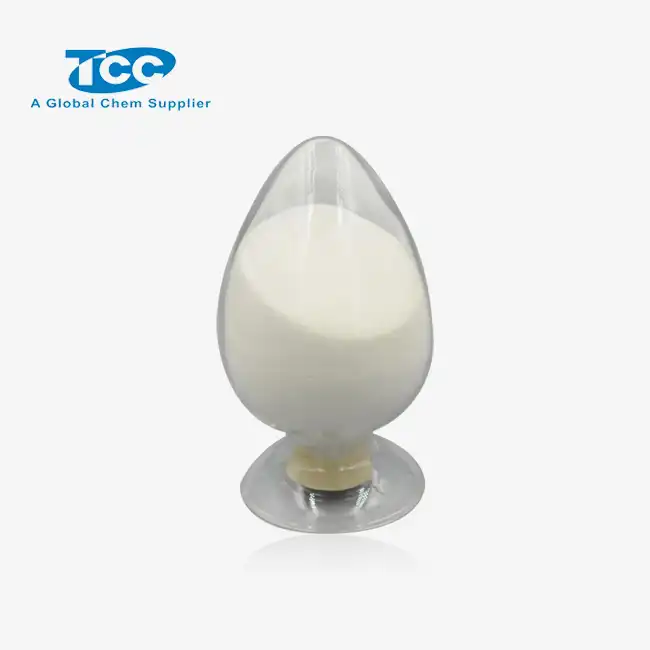
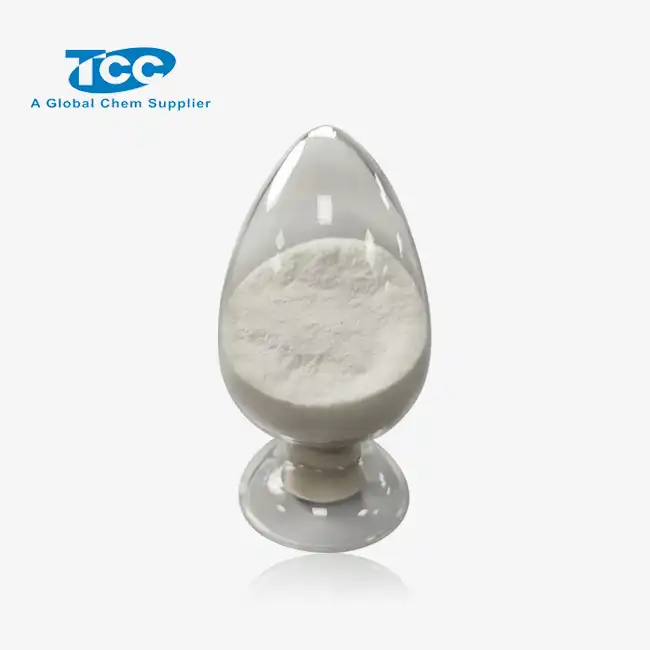
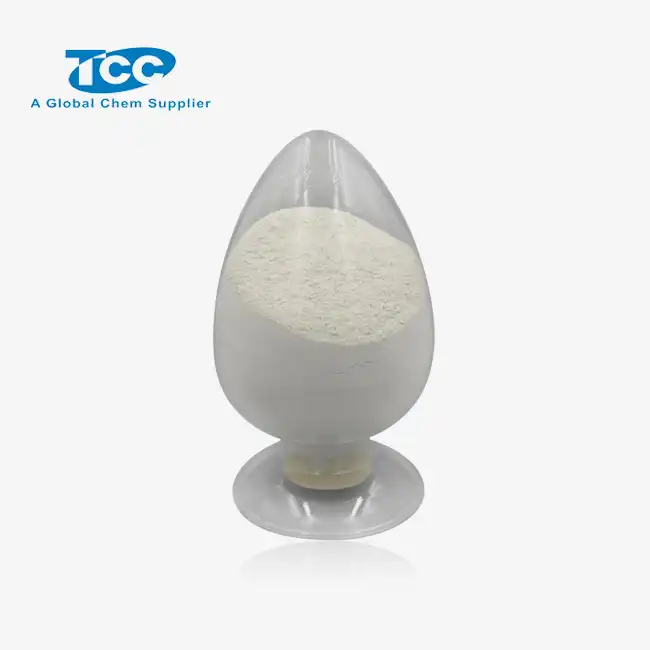
Depending on the carbon content and the method of manufacture, the appearance ranges from grey-white powder to darker spherical particles. Available in densified (500-700 kg/m³) and undensified (200-350 kg/m³) formats to allow procurement teams to choose formats optimised for their batching systems and application techniques.
Comparison with Alternative Pozzolanic Materials
Many procurement experts would consider numerous additional cementitious materials while generating requirements. Fly ash has economic benefits but slower strength development and lower ultimate strength than silica fume. Slag cements have strong sulphate resistance, but cannot be as impermeable as correctly proportioned microsilica formulations. Ground granulated blast-furnace slag works in certain applications but does not have the ultra-fine particle size to permit good pore refinement.
A knowledge of these differences enables engineers and purchasing managers to pick the best materials to meet performance goals for a project, budget and timetable. The improved reactivity and particle size distribution of this addition justify premium prices in situations where durability and high performance features exceed initial material cost.
How Microsilica Powder Improves Workability
Workability is one of the most difficult parts of concrete mix design, especially when high strength or high performance standards are required. The inclusion of Microsilica powder ultrafine particles substantially modifies the rheology of new concrete via methods that appear paradoxical at first glance yet result in outstanding placement qualities.
The Micro-Filler Effect in Action
The spherical particles physically fill the spaces between the cement grains to provide a more effectively packed particle matrix. This geometrical optimisation leads to a smaller volume of water-filled gaps within the paste portion, resulting in a denser and more uniform combination. When appropriately scattered, these sub-micron particles behave like tiny ball bearings, allowing particle mobility and enhancing the flow properties.
However, the huge surface area also raises water consumption at the same time if utilised without adequate chemical admixtures. This apparent disadvantage may be managed and even turned into an advantage when high range water reducers (polycarboxylate-based superplasticizers) are used in the mix formulation. The synergistic combination allows flowable concrete with water-cement ratios as low as 0.30 to yet have great workability.
Dosage Guidelines for Optimal Performance
Getting the balance correct is a matter of meticulous proportioning. Applications may benefit from our significant field knowledge in different dosages to achieve particular performance goals.
Usually, 5-8% cement by weight is added to the formula of self-leveling concrete to improve the flow characteristics and to prevent excessive bleeding or segregation. The ultra-fine particles increase the cohesiveness, minimising aggregate segregation during placement while yet providing enough fluidity to allow good consolidation without mechanical vibration.
For high strength concrete applications, generally addition rates of 8–12 % are required to achieve compressive strengths of more than 80–100 MPa at 28 days. The higher doses give the workability improvements required for deployment in crowded reinforcing regions and the strength improvement required by structural standards.
Inclusion rates of 6-10% greatly enhance shotcrete operations. The substance also cuts down on rebound loss in spray applications, enhances adherence to substrate surfaces, and enables larger single-pass layer build-up. Tunnel lining personnel appreciated the improved cohesion that helped minimise sloughing on overhead applications.
Regardless of the dose level, proper dispersion is necessary. The powder is added in the proper order in the mixing procedure, usually after the first contact of cement and water but before adding the final additive. This is to achieve a consistent distribution of the powder throughout the batch. Poor dispersion leads to localised concentrations of material which affect both workability and the characteristics of the hardened material.
Enhancing Durability of Concrete with Microsilica Powder
Durability failures represent the most costly aspect of concrete infrastructure ownership. Premature deterioration from permeability-related mechanisms—chloride ingress, sulfate attack, alkali-silica reaction, carbonation—forces expensive rehabilitation or replacement decades before anticipated service life completion. Specifying appropriate materials such as Microsilica powder at the procurement stage prevents these failures more cost-effectively than any repair strategy.
Microstructural Refinement and Permeability Reduction
The pozzolanic reaction between amorphous silica and calcium hydroxide generated during cement hydration produces additional calcium silicate hydrate gel. This secondary C-S-H formation occurs within the capillary pore structure, progressively refining pore size distribution and dramatically reducing permeability to liquid and gaseous transport.
Testing conducted per ASTM C1202 (Rapid Chloride Permeability Test) demonstrates the dramatic effect. Reference concrete without supplementary materials typically exhibits values of 3000-4000 coulombs, classified as "high" permeability. Incorporating 8-10% silica fume by cement weight reduces measured values below 1000 coulombs—often into the "very low" category below 500 coulombs. This reduction translates directly into extended service life in chloride-laden environments.
The refined pore structure also enhances resistance to freeze-thaw damage. While proper air entrainment remains essential for frost durability, the densified microstructure reduces the volume of freezable water within the paste, minimizing internal hydraulic pressure during freeze cycles.
Chemical Resistance in Harsh Environments
Marine infrastructure applications demonstrate the material's value proposition most compellingly. Offshore platform components, bridge substructures in tidal zones, and port facilities face continuous exposure to chloride-rich seawater. Traditional concrete specifications allow chloride penetration that initiates reinforcement corrosion within 15-25 years. Properly designed high-performance mixes incorporating this additive extend this initiation period beyond 75-100 years based on accelerated testing protocols and field monitoring data.
Oil and gas operations present equally demanding challenges. Cementing additives for well construction must withstand high temperatures, elevated pressures, and aggressive formation fluids containing sulfates, carbon dioxide, and hydrogen sulfide. Specialized formulations developed for these conditions leverage the thermal stability and chemical resistance of amorphous silica to ensure zonal isolation integrity throughout well service life.

Sulfate resistance improves through multiple mechanisms. The pozzolanic reaction consumes calcium hydroxide that would otherwise react with sulfate ions to form expansive ettringite and gypsum. The densified microstructure restricts sulfate ingress. Together, these effects enable concrete performance in severe sulfate exposure conditions classified as Class 3 per ACI 318 requirements.
Real-World Performance Data
A Norwegian coastal bridge constructed in 1992 with high-performance concrete containing 10% silica fume continues to show no measurable chloride penetration beyond the outer 20mm cover depth after 30 years of exposure. Comparative sections built with conventional concrete specifications exhibited reinforcement corrosion initiation within 18 years, requiring cathodic protection installation.
Deep-water production platforms in the Gulf of Mexico specified cementing systems incorporating this material for conductor casing and structural grout applications. Post-installation integrity testing and core sampling during platform decommissioning revealed maintained compressive strength and impermeability after 40+ years of service—validating the durability advantages that justified initial material cost premiums.
Procurement Insights for Microsilica Powder in B2B Markets
Sourcing decisions for supplementary cementitious materials significantly impact project economics and performance outcomes. Procurement professionals need practical frameworks for supplier evaluation, quality verification, and supply chain risk management.
Critical Specification Parameters
Documentation packages should verify compliance with ASTM C1240 or EN 13263 standards for Microsilica powder. Key parameters include silicon dioxide content (minimum 85%), loss on ignition (maximum 6%), moisture content (maximum 3%), and 45-micron sieve retention (maximum 10%). These specifications ensure consistent reactivity and compatibility with cement chemistry.
Particle size distribution analysis provides additional quality insight. Laser diffraction testing should confirm mean particle diameter between 0.1-0.3 micrometers with consistent distribution curves batch-to-batch. Variations in particle size significantly affect water demand and dispersion characteristics during mixing.
Activity index testing per ASTM C1240 measures actual pozzolanic reactivity by comparing mortar strength with and without the additive. Minimum values of 105% at 7 days and 115% at 28 days (relative to control samples) confirm adequate reactivity for performance applications.
Supplier Evaluation Criteria
Reliable suppliers maintain documented quality management systems aligned with ISO 9001 standards. Long-term partnerships with certified manufacturing facilities ensure consistent product quality regardless of market demand fluctuations. Supply agreements should include batch testing documentation (Certificate of Analysis) demonstrating compliance with specification parameters.
Packaging options affect handling efficiency and material condition upon delivery. Bulk pneumatic delivery systems minimize dust exposure and material waste for large projects consuming multiple truckloads. Densified material in bulk bags (500-1000 kg capacity) suits mid-sized operations, while undensified powder in smaller packages accommodates specialized applications requiring precise batching.
Pricing structures vary based on order volume, delivery location, and packaging format. United States market pricing typically ranges from $0.40-0.80 per pound for densified material in bulk quantities, with premiums for smaller volumes or specialized grades. Establishing framework agreements with volume commitments often secures preferential pricing and supply priority during periods of high market demand.
Sample Testing and Pilot Batching
Prudent procurement practice includes sample testing before large-volume commitments. Request 25-50 kg samples for laboratory evaluation and trial batching. Conduct mix design trials replicating project-specific proportions, evaluate fresh concrete properties (slump flow, setting time, air content), and test hardened specimens for compressive strength development and permeability characteristics.
This verification process identifies any compatibility issues with locally available cement, aggregates, and chemical admixtures before production operations commence. The modest investment in trial batching prevents costly field problems that emerge when untested material combinations behave unexpectedly during construction.
Practical Application Methods and Best Practices
To get the full advantage of this extra cementitious material, attention must be paid to handling, batching sequence, and quality control processes during construction.
Mixing Procedures and Timing Considerations
The batching sequence greatly influences the quality of dispersion. The best results are normally achieved when the powder is added after the first mixing of cement and water but before the final addition of superplasticizer. Some of the standards demand a longer mixing time, an extra 60-90 seconds beyond the normal concrete mixing time, to ensure the ultra-fine particles are fully dispersed.
Mix design should take compatibility of chemical admixtures into account. High range water reducers based on polycarboxylate chemistry are very compatible and synergistic in performance with silica fume. Dosage of the older generation admixtures (naphthalene or melamine based) may need to be adjusted to reach the desired workability. In certain cases, the greater surface area requires higher dosages of air-entraining agents since more surfactant is required to create a good air void system.
Application-Specific Guidelines
This substance is a micro-filler, binder, and flow modifier all at the same time, and so the 5-15% addition rates are useful for refractory castable compositions. The low cement castables obtained thus have improved thermal shock resistance and high temperature strength over standard refractory compositions.
Application of repair mortar is benefited with reduced permeability as well as improved bond strength with 8-12% inclusion ratios. The microstructure is improved to provide optimum substrate adherence and minimise moisture penetration that might compromise the lifespan of the repair. Accelerating admixtures may be included in fast-setting formulations without affecting final durability.
For elements located in the splash zone, tidal zone or submerged circumstances, marine concrete requirements usually need the addition of 7-10% by cement weight. The much lower chloride diffusion coefficients justify the material costs in terms of increased service life and delayed maintenance needs.
The addition of 6-9% produces self-leveling underlayment compositions with excellent flow and mechanical qualities. The better particle packing allows for thinner depths of application, yet still provides enough strength to be used as a floor covering.
Health, Safety, and Environmental Considerations
The very small particle size raises worry about inhalation exposure while handling. Suitable dust management strategies include local exhaust ventilation, dampening material before handling, use of densified goods where feasible, and providing suitable respiratory protection for staff. Material Safety Data Sheets provide measures to take on the basis of exposure situations.
Environmental concerns are playing an ever-greater role in choices on material selection. The product is a waste stream utilisation from silicon metal manufacture and hence follows the concepts of circular economy. Improvements in concrete durability lengthen service life and postpone replacement materials and building operations, hence reducing lifetime environmental consequences.
Disposal of unused material or washout water must be in accordance with local environmental rules. The substance itself poses no threat to the environment. However, washout water with high pH must be adjusted before release to surface waterways.
Conclusion
The specification of silica fume provides tangible benefits to both workability and durability for demanding applications throughout oil and gas infrastructure, maritime construction and high performance concrete structures. The simultaneous advantages of better placement characteristics via optimised particle packing and drastically increased impermeability through microstructural refinement justify material costs through prolonged service life and decreased maintenance needs. The procurement specialists are serving their organisations best by working with competent suppliers that give constant material quality, complete technical support and consistent delivery dates. This additional cementitious material is important for projects where durability and long-term performance are more important than initial cost, with the performance benefits shown by decades of field use and laboratory study.
FAQ
1. What dosage rates achieve optimal results for high-strength concrete applications?
High-strength concrete formulations typically incorporate 8-12% silica fume by cement weight to reach compressive strengths exceeding 80 MPa at 28 days. Lower dosages (5-7%) suit moderate-strength applications prioritizing durability over maximum strength. Dosages above 15% rarely provide proportional benefit and may create workability challenges that compromise placement quality. Optimal proportioning depends on cement chemistry, aggregate characteristics, and required fresh concrete properties.
2. How does silica fume compare to fly ash for improving concrete durability?
Both materials improve durability through pozzolanic reactions, but silica fume provides superior performance in critical applications. The ultra-fine particle size and high reactivity produce dramatically lower permeability and higher strength compared to fly ash at equivalent replacement rates. Fly ash offers cost advantages for applications where moderate durability improvements suffice. Marine structures, oil well cementing, and high-performance applications justify the premium cost of silica fume through extended service life.
3. Why does marine concrete particularly benefit from microsilica addition?
Marine environments present the most aggressive exposure conditions for reinforced concrete through combined chloride exposure, sulfate presence, and moisture saturation. Silica fume reduces chloride diffusion coefficients by 5-10 times compared to reference concrete, dramatically extending the time before corrosion initiation. The refined pore structure restricts ionic transport mechanisms that drive deterioration. Field performance data demonstrates 3-4 times extended service life compared to conventional concrete specifications.
Partner with Taicheng for Premium Microsilica Powder Solutions
Xi'an Taicheng Chem Co., Ltd. stands ready to support your procurement requirements with certified, high-performance silica fume manufactured under rigorous quality standards. As an established microsilica powder supplier serving oil and gas operators, engineering contractors, and concrete producers throughout the United States, we deliver consistent material quality backed by comprehensive technical documentation including Certificates of Analysis, Material Safety Data Sheets, and compliance verification for ASTM C1240 specifications. Our competitive pricing structure reflects direct partnerships with GMP-certified manufacturing facilities, while our experienced team provides responsive support from initial inquiry through delivery and beyond. Contact our team at sales@tcc-ofc.com to discuss your project specifications, request material samples, or arrange technical consultation. We're committed to building long-term partnerships based on reliable supply, consistent quality, and exceptional service.
References
1. Mehta, P.K. and Monteiro, P.J.M., "Concrete: Microstructure, Properties, and Materials," McGraw-Hill Education, Fourth Edition, 2014.
2. American Concrete Institute Committee 234, "Guide for the Use of Silica Fume in Concrete (ACI 234R-06)," American Concrete Institute, Farmington Hills, Michigan, 2006.
3. Hooton, R.D., "Influence of Silica Fume Replacement of Cement on Physical Properties and Resistance to Sulfate Attack, Freezing and Thawing, and Alkali-Silica Reactivity," ACI Materials Journal, Volume 90, Issue 2, 1993.
4. Sellevold, E.J. and Nilsen, T., "Condensed Silica Fume in Concrete: A World Review," Supplementary Cementing Materials for Concrete, Canadian Government Publishing Centre, Ottawa, 1987.
5. Holland, T.C., "Silica Fume User's Manual," Silica Fume Association and Federal Highway Administration, Publication Number FHWA-IF-05-016, 2005.
6. Malhotra, V.M. and Carette, G.G., "Silica Fume in Concrete—Preliminary Study," ACI Journal Proceedings, Volume 80, Issue 6, American Concrete Institute, 1983.
Learn about our latest products and discounts through SMS or email