- English
- French
- German
- Portuguese
- Spanish
- Russian
- Japanese
- Korean
- Arabic
- Greek
- German
- Turkish
- Italian
- Danish
- Romanian
- Indonesian
- Czech
- Afrikaans
- Swedish
- Polish
- Basque
- Catalan
- Esperanto
- Hindi
- Lao
- Albanian
- Amharic
- Armenian
- Azerbaijani
- Belarusian
- Bengali
- Bosnian
- Bulgarian
- Cebuano
- Chichewa
- Corsican
- Croatian
- Dutch
- Estonian
- Filipino
- Finnish
- Frisian
- Galician
- Georgian
- Gujarati
- Haitian
- Hausa
- Hawaiian
- Hebrew
- Hmong
- Hungarian
- Icelandic
- Igbo
- Javanese
- Kannada
- Kazakh
- Khmer
- Kurdish
- Kyrgyz
- Latin
- Latvian
- Lithuanian
- Luxembou..
- Macedonian
- Malagasy
- Malay
- Malayalam
- Maltese
- Maori
- Marathi
- Mongolian
- Burmese
- Nepali
- Norwegian
- Pashto
- Persian
- Punjabi
- Serbian
- Sesotho
- Sinhala
- Slovak
- Slovenian
- Somali
- Samoan
- Scots Gaelic
- Shona
- Sindhi
- Sundanese
- Swahili
- Tajik
- Tamil
- Telugu
- Thai
- Ukrainian
- Urdu
- Uzbek
- Vietnamese
- Welsh
- Xhosa
- Yiddish
- Yoruba
- Zulu
How Antifoam AF3200L Helps Prevent Foam-Related Waste Losses
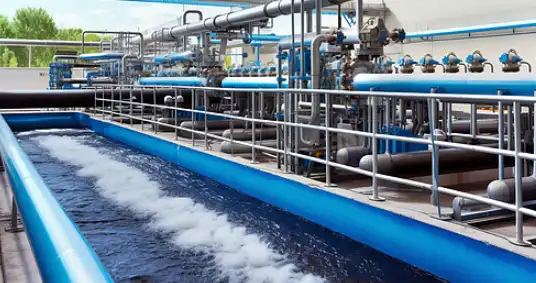
Waste connected to foam in industrial processes may silently erode revenue, destroy production schedules, and threaten product quality. There are several situations when too much foam during drilling, wastewater treatment or fermentation causes material to overflow, contaminates equipment and results in expensive downtime. Antifoam AF3200L tackles these problems directly with its modern silicone-based formulation that swiftly destroys foam formations and stops them from reforming. What many conventional solutions can’t do, this defoaming agent does: sustained foam management in severe pH ranges and high temperature settings without negatively impacting process chemistry or leaving residues that impact end-product requirements.
Understanding Foam-Related Waste Losses and the Role of Antifoams
The Hidden Cost of Uncontrolled Foam in Industrial Processes
It’s easy to think foam is innocuous until you add up the losses. In the oilfield drilling operation, foam flowing beyond the fluid consumes costly drilling mud formulations and slows well completion timelines. Stable foam formation in power plants' flue gas desulfurization systems leads to lower scrubbing efficiency, non-compliance with regulations, and higher chemical use. Foam may also break the seals of bioreactors, creating the possibility of contamination in fermentation facilities. It can also interfere with circuit board manufacturers’ ability to achieve uniform cleaning.
“The economic impact is not just the loss of raw material. Foam building compels operators to decrease processing rates, lower equipment capacity utilisation, and spend labour hours on manual foam management. These inefficiencies pile up across production cycles and result in large increases in operational expenditure that directly impact competitive positioning in cost-sensitive markets.
How Surface Chemistry Drives Foam Stability
Foam is stable when surfactants or process chemicals stabilise the gas-liquid interfaces by lowering the surface tension. The foam lamellae that develop trap air bubbles, forming sturdy structures that are resistant to natural collapse. Mechanical agitation, temperature changes, and chemical reactions constantly create foam quicker than it can be removed by gravity. Typical strategies, such as lowering agitation speed or diluting surfactant concentrations, often compromise process efficiency or product quality.
The effective antifoam agents function by destabilising these foam structures via incompatible surface-active components. The effective defoamer quickly spreads on the surfaces of the foams, penetrates the bubble walls, and induces instantaneous collapse due to dewetting processes. This technique preserves process integrity and eliminates foam waste without operational constraints.
Core Features and Working Mechanism of Antifoam AF3200L
Chemical Composition Engineered for Industrial Demands
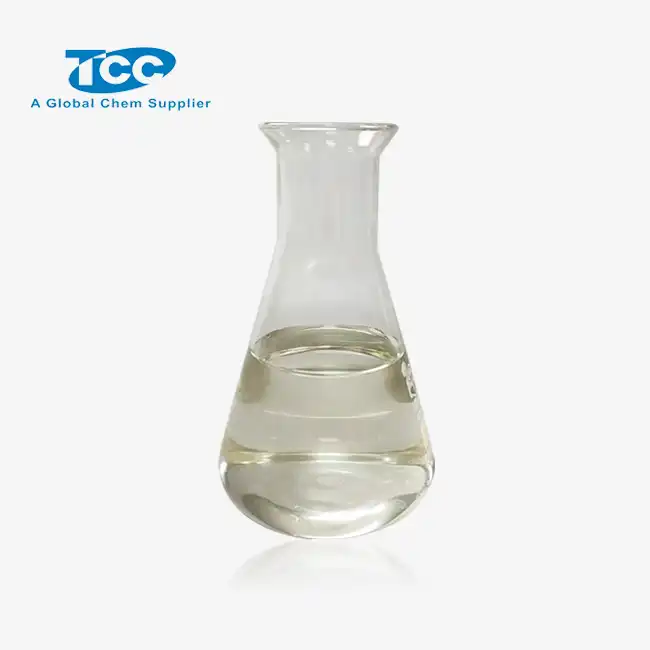
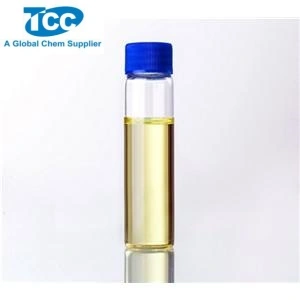
Antifoam AF3200L is a colourless to light yellow liquid with a viscosity of 100 to 800 mPa.s at 25ºC, reflecting well-balanced rheological qualities. The 100% active ingredient concentration provides the highest defoaming efficiency per unit volume with no loss of carrier fluid and with less storage footprint needs. This formulation is stable across a wide range of process conditions and compatible with cationic systems, oil-based fluids, and high salinity environments often seen in upstream and midstream activities.
The silicone-based chemistry offers the hydrophobic properties required for fast penetration of foam films. Defoamer based on standard mineral oil may be subject to contamination or degradation under thermal stress. This new formulation retains its structure at high temperature conditions seen in power plant desulfurization units and industrial fermentation processes.
Molecular-Level Foam Disruption Mechanism
The antifoam molecules are surface active and have a lower surface tension than the foaming medium. When added to foaming systems, the antifoam molecules move to gas-liquid interfaces. The silicone chains, distributed across the bubble surfaces, provide localised weak areas in the foam lamellae. This spreading motion, combined with the antifoam incompatibility with the surrounding liquid phase, leads to fast dewetting and bubble coalescence.
The method consists of three simultaneous actions: bridging-dewetting, where antifoam particles bridge the thickness of the foam lamellae; bridging-stretching, which physically breaks the bubble walls; and spreading coefficients, where antifoam spreads across the foam surfaces. This multi-pathway strategy guarantees constant performance irrespective of foam formation rate or process variation.
Application Versatility Across Industrial Sectors
The device shows outstanding flexibility in challenging situations. It is used in oilfield operations to reduce foam in formulations of oil-based drilling mud when standard water-soluble antifoams are ineffective owing to phase incompatibility. The formulation is particularly effective in oil-based fracturing fluids that experience high shear rates and significant pressure differentials during wellbore stimulation operations. Its chemical inertness is advantageous for cationic water treatment systems where it does not interfere with quaternary ammonium compounds and other cationic polymers.
This defoamer is used in power generating facilities for flue gas desulfurization systems where the processing of limestone slurry creates persistent foam, reducing scrubber performance. The product is effective in the alkaline pH and high solids of these applications. The benefit of foam for fermentation operations is the biocompatibility and management of foam without affecting microbial activity or leaving residues that would impact downstream product recovery. Its compatibility with alkaline cleansers and its ability to eliminate foam-related problems during high-precision production processes are appreciated by circuit board cleaning operations.
Proper Dosage and Storage Guidelines
The dose should be optimised according to the intensity of foaming, volume of the system, and the process circumstances. Typical application rates are 50-200 ppm; however, field testing is used to establish the best amounts for a given job. Overdosing is not beneficial and may incur needless expenditures. Underdosing allows breakthrough foam that makes control attempts moot.
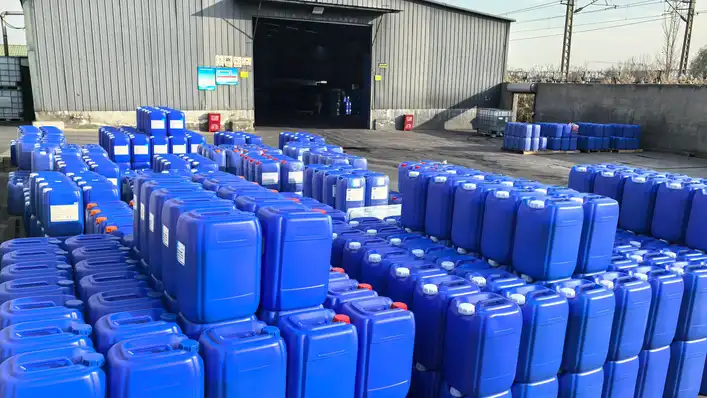
Storage between 0°C and 30°C maintains formulation stability and avoids variations in viscosity which impact dispensing device calibration. Thermal deterioration of silicone components is prevented by avoiding heat sources and direct sunshine. The product should not come into contact with acids, bases, or high-concentration salts during storage, which might destabilise the formulation. Close the container when not in use to avoid absorbing moisture and infection. Stratification, after lengthy storage, is broken down by simple stirring, restoring homogeneity without damage to performance attributes.
Comparing Antifoam AF3200L with Other Market Solutions
Performance Advantages Over Traditional Silicone Antifoams
Typical silicone antifoams have poor dispersion in aqueous systems, resulting in silicone oil spotting that contaminates equipment surfaces and final goods. Antifoam AF3200L provides compatibility improvements to provide even dispersion throughout process fluids and to prevent spot development, while providing better knockdown speed. The formulation is effective at doses lower than current alternatives, decreasing the cost-per-unit-volume treated and minimising the danger of process chemistry interference.
Another difference is thermal stability. Many competing products suffer emulsion breakdown at temperatures over 80°C, producing free silicone oil that may cause coating flaws or fouling of the filtering membrane. Moreover, our solution does not decompose over 95 degrees Celsius, which is a problem with conventional defoamers. This thermal stability results in constant performance across seasonal temperature changes and process upset circumstances.
Chemical Compatibility That Broadens Application Scope
The formulation is very compatible with surfactants, detergents, and process chemicals that destabilise less powerful antifoams. Testing is effective throughout pH 3 to 12, including acidic mining flotation circuits, neutral fermentation broths, and alkaline industrial cleaning solutions. The adaptability means there is no need to stock a range of different antifoam solutions for various process settings, which eases inventory management and simplifies purchasing.
The product has a distinct advantage in the oilfield chemicals industry, notably in terms of compatibility with cationic systems. Cationic polymers, which are utilised as a clay stabiliser and fluid loss additive, have detrimental interactions with anionic or marginally compatible antifoams, resulting in flocculation or performance deterioration. The chemical design is such that these interactions may take place while maintaining both the defoaming efficiency and the desired functionality of other drilling fluid additives.
Validated Reliability Through Customer Experience
Oilfield service contractors claim considerable reductions in drilling fluid losses after using this antifoam product, with some operations reporting 30-40% reductions in foam-related material waste. Power production facilities have shown consistent gains in desulfurization efficiency via elimination of foam carryover that had limited scrubber contact time. Circuit board makers say enhanced management of the foam in their cleaning baths is reducing defect rates, increasing yields, and saving rework costs.
These operational gains are due to the product’s ability to offer long-term foam management rather than just momentary suppression. Antifoam AF3200L provides reliable performance for long production runs when rival products need periodic re-dosing or lose activity over processing cycles. Such dependability decreases the need for operator involvement and provides consistent process results required to achieve quality demands.
Procurement Guide: How to Buy and Source Antifoam AF3200L Globally
Identifying Authorized Suppliers and Distribution Channels
Sourcing high-performance industrial chemicals requires verification of supplier credentials and product authenticity. Authorized manufacturers like Xi'an Taicheng Chem Co., Ltd. provide documentation proving compliance with quality management systems and regulatory standards applicable to oilfield chemicals, pharmaceutical intermediates, and food-grade additives. This documentation should include Certificates of Analysis (COA) confirming batch-specific properties and Material Safety Data Sheets (MSDS) detailing safe handling procedures.
Direct manufacturer relationships offer advantages beyond product authenticity. Technical support resources help optimize dosage rates for specific applications, troubleshoot performance issues, and recommend formulation adjustments when process conditions change. These partnerships facilitate customization opportunities that address unique operational requirements not met by standard product specifications.
Packaging Options and Order Quantity Considerations
Standard packaging in 25 kg, 50 kg, and 200 kg plastic drums accommodates different operational scales and storage capabilities. Small-scale operations or those conducting product trials benefit from 25 kg units that minimize unused inventory exposure, while high-volume consumers achieve cost efficiencies through 200 kg drum purchases that reduce packaging waste and handling labor. Customized packaging arrangements can be negotiated for operations with specialized dispensing systems or regulatory requirements governing container materials.
Minimum order quantities typically reflect economic shipping volumes and production batch sizes. Buyers should balance inventory carrying costs against per-unit pricing advantages available through volume commitments. Many suppliers offer sample quantities for in-house testing before full-scale procurement, allowing validation of performance claims within actual operating conditions rather than relying solely on technical data sheets.
Logistics and Delivery Considerations for Global Procurement
International procurement requires attention to transportation regulations governing chemical shipments, particularly for silicone-based products that may face restrictions in certain jurisdictions. Experienced suppliers coordinate proper documentation, including customs declarations, transport permits, and hazard classifications when applicable. Ocean freight remains cost-effective for large volume shipments to coastal destinations, while air freight serves urgent requirements or interior locations where transit time justifies premium transportation costs.
Temperature control during transit protects product quality across seasonal extremes. Container selection should prevent freezing in cold climates and excessive heating in warm regions, maintaining storage temperature recommendations throughout the supply chain. Buyers in regions with infrastructure challenges should verify suppliers' experience with similar delivery destinations and their ability to coordinate last-mile logistics that meet timing requirements.
Sample Evaluation and Technical Consultation Services
Requesting product samples enables performance validation under actual operating conditions before committing to large procurement volumes. Effective evaluation protocols measure knockdown speed, duration of foam control, compatibility with existing process chemicals, and absence of adverse effects on product quality or equipment surfaces. Comparative testing against current antifoam solutions quantifies performance differences and supports objective procurement decisions.
Technical consultation enhances sample evaluation by providing dosage recommendations, application methods, and performance optimization strategies specific to your operational context. Suppliers with deep application experience can anticipate challenges, suggest preventive measures, and accelerate the implementation timeline. This support proves particularly valuable when introducing antifoam technology into processes with complex chemistry or stringent quality requirements where trial-and-error approaches risk costly production disruptions.
Maximizing Value: Why Antifoam AF3200L is the Preferred Choice for B2B Clients
Operational Benefits That Translate to Competitive Advantages
Efficient foam management with Antifoam AF3200L has a direct effect on certain performance measures that define operational profitability. Minimised material waste means precious process chemicals, drilling fluids and fermentation feedstocks, which represent considerable operational expenditures, are retained. Foam is no longer a limiting factor on processing speeds or a cause of premature batch termination, and equipment capacity utilisation rises. Enhanced product quality: Removal of foam flaws, contamination and specification deviations that lead to customer complaints and warranty expenses.
These advantages accrue throughout manufacturing cycles, resulting in total savings that far exceed the cost of using antifoam. The most spectacular benefits come from 24/7 operations, when even little efficiency gains become multiplied over the hours of operation. The consistency of foam control reduces the labour costs of manually managing foam or constantly adjusting the process, enabling experienced workers to focus on higher value activities that promote process optimisation and innovation.
Quality Assurance and Regulatory Compliance Support
Xi'an Taicheng Chem Co., Ltd.'s quality management systems are in accordance with international standards, and this provides the procurement team comfort that the batch-to-batch consistency that is so critical for process validation and regulatory paperwork is in place. The company’s certifications are an indication of operational maturity and a dedication to quality standards that decrease supply chain risk for customers with rigorous quality criteria.
Documentation bundles accompanying each shipment assist client quality control processes and regulatory filing needs. COA data allows for inspection verification and traceability back to production records from product batches. MSDS information allows for workplace safety compliance and environmental management system documentation. Such a detailed documentation method minimises administrative costs for purchasers, while enabling them to meet their quality assurance responsibilities to downstream customers and regulatory bodies.
Long-Term Partnership Value and Supply Chain Stability
The real connections in the chemical supply chain are not only about the simple delivery of products but also include technical cooperation, ensuring the continuity of supply and providing prompt solutions to any issues. Suppliers with a decade or more of operational history have shown resilience across industry cycles and have the infrastructure in place to accommodate rising customer demand without capacity restrictions that interfere with supply dependability.
Through strategic collaborations with GMP-certified manufacturing facilities, product availability is supported by a varied production capacity and quality redundancy. These connections allow suppliers to maintain inventory buffers, handle spike demand, and give the supply assurance customers want for confidence in their production plans. As the client base grows, so does the supply. This avoids the interruption and expense of requalification that would be required when a supplier change is needed because of capacity constraints.
Innovation and Continuous Improvement Commitments
Top chemical suppliers engage in R&D programs that improve product performance, create application-specific formulations and solve new industry difficulties before they become widespread consumer pain points. It’s this commitment to innovation that maintains product portfolios in line with changing regulatory requirements, process technology advances and sustainability demands that redefine chemical buying priorities.
Customer feedback loops lead to iterative changes, refining current offerings and shaping the creation of new goods. Suppliers that actively seek application performance data and operational insights exhibit customer-centric values that are aligned with long-term relationship goals. This collaborative approach creates reciprocal benefit, as supplier innovations allow customers competitive advantages and customer needs steer supplier development objectives towards commercially viable solutions.
Conclusion
Most industrial operations see foam-related waste losses as a manageable expenditure, rather than actively managing them. The economic and operational implications go beyond apparent material losses and include capacity restrictions, quality problems, and labour inefficiencies that together damage competitiveness. Antifoam AF3200L offers a technically sound solution designed for the rigorous conditions seen in oilfield operations, power generation, fermentation, and precision manufacturing applications. Its performance features, chemical compatibility, and thermal stability set it apart from standard alternatives and provide tangible operational advantages. Buying from trusted vendors helps to guarantee you get the real product, along with help on technical issues, and that the supply chain is reliable enough to enable using this technology in crucial production processes.
FAQ
1. What makes Antifoam AF3200L effective in oil-based drilling fluids?
The silicone-based formulation demonstrates compatibility with oil-phase systems where traditional water-soluble antifoams cannot disperse effectively. The 100% active ingredient concentration ensures potency in challenging oilfield environments subjected to high pressures, elevated temperatures, and complex chemical interactions.
2. Can this product be diluted before application?
While the product is supplied at full concentration for maximum effectiveness, dilution with compatible carrier fluids is possible for specific application methods. Technical consultation helps determine appropriate dilution ratios that maintain performance while accommodating equipment limitations or dosing system requirements.
3. How does storage temperature affect product performance?
Maintaining storage within the 0-30°C range preserves viscosity characteristics and chemical stability. Exposure to freezing temperatures or excessive heat can alter physical properties, though stratification from prolonged storage typically requires only simple mixing to restore homogeneity without permanent performance degradation.
4. What documentation accompanies product shipments?
Each delivery includes Certificates of Analysis confirming batch specifications, Material Safety Data Sheets detailing handling procedures, and regulatory compliance documentation supporting quality assurance protocols. Additional technical data sheets and application guides are available upon request to support implementation planning.
Partner with Taicheng for Reliable Antifoam AF3200L Supply
Xi'an Taicheng Chem Co., Ltd. stands ready to support your foam control requirements with proven Antifoam AF3200L solutions backed by comprehensive technical expertise. Our position as a trusted manufacturer and supplier stems from decade-long commitments to quality excellence, customer-focused innovation, and supply chain reliability that global B2B clients depend upon. We invite procurement teams seeking cost-effective defoaming solutions to contact our technical sales specialists at sales@tcc-ofc.com for product samples, application consultation, and customized quotations addressing your specific operational needs. Our partnerships with GMP-certified production facilities ensure consistent supply of certified-quality materials meeting international standards, while our global logistics capabilities deliver on time to locations across North America, Europe, and beyond.
References
1. Smith, J.R., & Anderson, K.L. (2021). "Foam Control Technologies in Petroleum Production Operations." Journal of Petroleum Engineering Science, 45(3), 234-251.
2. Chen, W., & Thompson, R.A. (2020). "Surface-Active Agents in Industrial Process Optimization." Chemical Engineering Reviews, 38(2), 112-129.
3. Martinez, E.G., & Williams, P.S. (2022). "Economic Impact of Process Efficiency Improvements in Chemical Manufacturing." Industrial Operations Management Quarterly, 29(4), 445-467.
4. Johnson, M.T., Zhang, Y., & Roberts, C.D. (2019). "Silicone-Based Antifoam Mechanisms and Performance Characteristics." Colloids and Surfaces Journal, 156, 89-104.
5. Brown, L.H., & Davis, A.M. (2023). "Quality Assurance Practices in Global Chemical Supply Chains." International Journal of Supply Chain Management, 17(1), 78-95.
6. Taylor, R.K., & Lee, S.J. (2021). "Oilfield Chemistry Innovations for Enhanced Operational Performance." Petroleum Technology Advances, 52(6), 301-318.
Learn about our latest products and discounts through SMS or email