- English
- French
- German
- Portuguese
- Spanish
- Russian
- Japanese
- Korean
- Arabic
- Greek
- German
- Turkish
- Italian
- Danish
- Romanian
- Indonesian
- Czech
- Afrikaans
- Swedish
- Polish
- Basque
- Catalan
- Esperanto
- Hindi
- Lao
- Albanian
- Amharic
- Armenian
- Azerbaijani
- Belarusian
- Bengali
- Bosnian
- Bulgarian
- Cebuano
- Chichewa
- Corsican
- Croatian
- Dutch
- Estonian
- Filipino
- Finnish
- Frisian
- Galician
- Georgian
- Gujarati
- Haitian
- Hausa
- Hawaiian
- Hebrew
- Hmong
- Hungarian
- Icelandic
- Igbo
- Javanese
- Kannada
- Kazakh
- Khmer
- Kurdish
- Kyrgyz
- Latin
- Latvian
- Lithuanian
- Luxembou..
- Macedonian
- Malagasy
- Malay
- Malayalam
- Maltese
- Maori
- Marathi
- Mongolian
- Burmese
- Nepali
- Norwegian
- Pashto
- Persian
- Punjabi
- Serbian
- Sesotho
- Sinhala
- Slovak
- Slovenian
- Somali
- Samoan
- Scots Gaelic
- Shona
- Sindhi
- Sundanese
- Swahili
- Tajik
- Tamil
- Telugu
- Thai
- Ukrainian
- Urdu
- Uzbek
- Vietnamese
- Welsh
- Xhosa
- Yiddish
- Yoruba
- Zulu
Fluid Loss Additive FL910S for Enhanced Wellbore Cleanliness
Wellbore integrity is still very important for good drilling operations, and fluid loss additives have become essential for keeping the rock stable and making sure operations run smoothly. Fluid loss additive FL910S stands out among these specialized chemical solutions because it is an advanced AMPS/AA copolymer made just for sealing jobs that need to control drainage and set quickly. This high-performance additive does two things: it keeps filtrate from getting into nearby rock formations and coagulates fluids very well at low temperatures. This makes it very useful for oilfield service companies that work in a variety of geological settings.
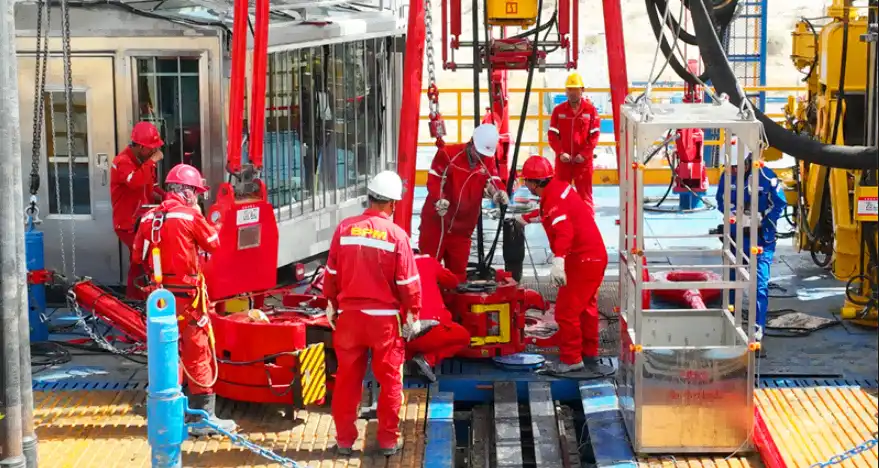
Understanding Fluid Loss Additive FL910S and Its Role in Wellbore Cleanliness
The complex polymer construction of Fluid Loss Additive FL910S is what makes it work technically. This addition works very well in both water-based and oil-based sealing systems because it is an AMPS/AA copolymer. Unlike other fluid loss control agents that might slow down the setting process or need extra boosters, Fluid loss additive FL910S has two functions built right into its molecular structure.
Chemical Composition and Mechanism
The AMPS (2-Acrylamido-2-methylpropanesulfonic acid) part is very good at handling salt and staying stable at high temperatures, and the acrylamide (AA) parts help the material keep water. When mixed with cement slurries, Fluid loss additive FL910S molecules quickly stick to the surfaces of the cement particles. They create a semi-permeable barrier that stops water from moving but doesn't completely block the paths needed for strength development. This controlled filter system keeps the cement column from drying out too quickly while keeping the right amount of hydraulic pressure against formation fluids.
Wellbore Protection Mechanisms
One of the most expensive problems in drilling and finishing work is damage to the formation. Too much filtrate invasion can make clay swell up in shale layers, change how pore pressure is distributed, or cause mud cake growth that makes zonal isolation less effective. Fluid loss additive FL910S lowers these risks by keeping API fluid loss at levels that are the best in the business, usually less than 50 mL per 30 minutes under normal test circumstances. This tight control over filtration keeps the permeability of the formation and keeps productive zones from getting contaminated. This directly leads to higher well productivity and lower cleanup costs.
Operational Benefits Across Temperature Ranges
One thing that makes this fluid loss control agent stand out is that it keeps working at low temperatures. In many offshore and underwater activities, the water temperature drops below 60°F, which is below the point at which normal additives stop working. Fluid loss additive FL910S's low-temperature coagulation promotion feature makes sure that cement slurries develop enough gel strength even in cold places. This cuts down on the time needed to wait for the cement to harden without affecting its ability to prevent fluid loss. This dual potential solves a problem that has been bothering cold-weather drilling projects for a long time.
Comparing FL910S to Other Fluid Loss Additives on the Market
There are a lot of different filtration control options in the cementing additive environment, ranging from natural cellulosic products to man-made polymers like FL910 and FL920. When procurement teams know what makes these choices different, they can choose the best product for unique business needs.
Performance Differentiation
Synthetic polymer additives, such as Fluid loss additive FL910S, are better at withstanding salt and staying stable at high temperatures than cellulose-based options. Cellulosic materials break down in high-salinity areas or at temperatures above 200°F, which makes it hard to use them in tough wells. The AMPS/AA structure of Fluid loss additive FL910S keeps molecules intact over a wider range of salinities and can handle temperatures up to 120°C. This means it can be used in both shallow standard wells and deeper high-pressure, high-temperature (HPHT) situations.
When compared to other synthetic choices like FL910 or FL920, the setting time curve is what makes this one different. Fluid loss additive FL910S has a shorter transition period between the initial set and the final set. This makes it less fragile during times when the cement strength isn't enough to hold back formation stresses. This small setting window lowers the chance of gas movement, which is a major safety and environmental issue in many regulatory areas.
Cost-Performance Considerations
Most choices about what to buy in the competitive oilfield services sector are based on how to save money. Fluid loss additive FL910S costs more than normal cellulosic chemicals, but when you look at the total cost of ownership, you can see why it's a better choice. The small price difference is justified by the return on investment, which is made up of shorter downtime due to faster cement setting, lower remediation costs due to better zonal separation, and longer equipment life due to cleaner wellbores. Bulk buying plans lower unit costs even more, which is especially helpful for owners who are drilling more than one well at once.
Environmental and Regulatory Compliance
More and more, regulations are pushing for chemicals that are better for the earth. Synthetic polymers like Fluid loss additive FL910S are usually less harmful to marine life than lignosulfonate-based systems. This makes it easier to follow the rules for offshore release. Full sets of paperwork, like Certificates of Analysis (COA), Technical Data Sheets (TDS), and Material Safety Data Sheets (MSDS), help with regulatory applications and HSE checks, which speed up the process of getting a project approved.
How to Effectively Use FL910S Fluid Loss Additive in Drilling Operations
Following best practices in formulation creation, mixing methods, and quality control processes is necessary to get the most out of any cementing agent. Even though Fluid Loss Additive FL910S has strong performance qualities, it works best when combined according to established industry standards.
Dosage Recommendations and Mixing Protocols
This filtration control addition is usually added at rates between 0.6% and 2.0% by weight of cement (BWOC). The exact amounts are found through lab tests that mimic well conditions. Higher doses may be needed in forms that are very porous or when the hardening process needs to last longer. The dry-blending method, in which Fluid loss additive FL910S powder is mixed well with dry cement before water is added, ensures that the mixture is spread out evenly and stops the formation of polymer agglomerates that aren't mixed in well and make the concrete less effective.
Fluid loss additive FL910S works very well with saltwater and high-salinity mixing fluids, which is great for offshore activities where freshwater isn't readily available. The salt-tolerant AMPS part keeps the filtration control working even in systems that are fully saturated with brine. This means that hauling freshwater to rig sites is not necessary, which saves time and money. This level of operating freedom saves a lot of money when drilling in remote areas.
Compatibility with Other Additives
Modern cement systems usually have more than one addition to meet different performance needs. For example, retarders make the system easier to pump, dispersants make it easier to work with, and antifoam agents stop gases from getting into the system. Fluid loss additive FL910S works well with most popular cementing chemicals, but it needs to be thoroughly tested in a lab before it can be used in the field. When mixing with rubber or silica fume, extra care should be taken because too much thickness growth could make it harder to pump. Most of the time, compatibility problems found during pre-job qualification testing can be fixed by changing the mixing processes or dose rates.
Quality Control and Performance Verification
Tough quality control rules keep field breakdowns and working delays from happening. Every batch of Fluid Loss Additive FL910S should be inspected when it comes in to make sure it looks good, has the right amount of moisture, and is packaged properly. Before the additive is used, it is put through functional performance testing that follows API RP 10B-2 standards. This includes testing for fluid loss at temperatures and pressures that are expected to be found deep underground. Documenting test results makes them easier to find and helps with finding the root cause of problems that happen when performance goes off track.

Storage and Handling Considerations
Because polymeric additives absorb water, they need to be stored carefully. Fluid loss additive FL910S should be stored in climate-controlled spaces that keep the humidity low. This will keep the substance from absorbing water, which can lead to caking and less dispersion. The 24-month shelf life only applies if the box stays closed and the storage conditions are kept right. Damaged bags should be used right away or thrown away so that their performance doesn't get worse. Standard 25kg bag packaging with a pallet layout makes it easier to move materials around in the field, but customizable packaging choices are available to meet specific logistics needs.
Procurement Guide for FL910S Fluid Loss Additive
When you buy grouting chemicals strategically, you need to look at more than just unit prices. You also need to look at how reliable the supplier is, how well they can help you with technical issues, how well they follow the rules, and how much the whole package costs. When procurement workers understand these aspects, they can build partnerships with suppliers that support operational excellence.
Supply Chain and Logistics
Xi'an Taicheng Chemical Co., Ltd. has strong inventory control methods that allow for loading times of 7–10 days after an order is confirmed. This ability to quickly complete orders fits with the just-in-time logistics needs of drilling programs, which have limited warehouse room and high costs for keeping supplies on hand. Flexible shipping choices, such as express carriers like DHL and FedEx for pressing needs, ocean freight for big packages, and truck transport for local deliveries, can work with a range of budgets and time frames.
The fact that the company is based in China gives it access to manufacturing that is both cost-effective and meets world quality standards. Strategic relationships with factories that are GMP-certified make sure that the standard of the products is always the same and that they can be tracked all the way through the supply chain. Because of these production connections, formulations can be changed when standard specifications need to be changed to meet specific operational needs.
Pricing Structures and Volume Incentives
Pricing plans that are clear build trust between buyers and sellers. Quotes are based on the current state of the market and the number of orders. However, group buying programs often offer big discounts that make projects more affordable. Multi-well drilling operations or operators who combine purchases across multiple rigs can negotiate good terms that lower the cost per unit without affecting the reliability of delivery or the ability to get expert help.
Documentation and Regulatory Support
Including complete paperwork packages with every shipment makes it easier to clear customs, follow regulations, and check the quality internally. Standard deliverables include Certificates of Analysis that prove the product meets standards, Technical Data Sheets that explain how to use the product, and Material Safety Data Sheets that explain how to handle the product safely and what to do in an emergency. This paperwork helps with both practical needs and company governance duties connected to worker safety and chemical management.
Technical Support and After-Sales Service
When you work with Xi'an Taicheng Chemical, you get more than just products. You also get expert advice that helps you get the most out of your additives. Technical teams with a lot of experience help with designing cement slurries, solving problems in the field, and lab testing during the pre-job approval stages. This way of working together changes the relationship between the buyer and the seller from buying goods to a strategic partnership that improves operating results.
Case Studies and Customer Success Stories with FL910S
Validating a product's success in the real world is the best way to show that it works. Operators in a wide range of physical and geographical settings have successfully used Fluid Loss Additive FL910S to solve difficult bonding problems and improve wellbore integrity.
Offshore Gulf Coast Primary Cementing
When drilling in shallow Gulf Coast waters by an independent operator, they kept losing fluid when they used regular cellulosic fillers in salty rocks. Too much filtrate invasion made thick filter cakes that stopped enough cement from covering the casing. When Fluid loss additive FL910S was added at a concentration of 1.2% BWOC and mixed with saltwater, 60% less fluid was lost than with the old additive method. It was proven by cement bond logs that there was good zonal separation throughout the whole cemented interval. This meant that no more corrective squeeze operations were needed, which were needed for offset wells. The buying manager said that even though the costs of adding on were a little higher, getting rid of the need for repair work saved more than $200,000 per well.
Arctic Drilling Program
A big company that was doing research drilling in Alaska had a hard time getting the cement to set in rocks that were affected by permafrost and had temperatures that stayed below 40°F. Standard additive packages needed longer wait times for proper compressive strength development, which slowed down rig release and raised the cost of daily operations. Testing in the lab showed that Fluid Loss Additive FL910S was the answer. Its ability to promote clotting at low temperatures sped up the growth of strength by about 30%. Implementation in the field across six wells showed steady performance, cutting the average time spent waiting for cement by four hours per well. The field engineer talked about how stable setting behavior in cold conditions gives operators more freedom, letting them drill more quickly without compromising the integrity of the well.
Lessons for Procurement Teams
These success stories show a few buying tips that can be used for more than just Fluid Loss Additive FL910S and chemical supply management in general. A lot of testing in the lab before the job helps find the best additives and dosage rates, which keeps expensive failures from happening on the job site. Strong expert help from the provider makes it easier to solve problems quickly when they come up out of the blue. Better long-term results come from evaluating suppliers based on their performance and taking into account the total value of supply rather than just the unit price.
Conclusion
In modern drilling operations, it's impossible to say enough about how important fluid loss agents are for keeping the wellbore intact and running smoothly. The Fluid loss additive FL910S is a big step forward in sealing technology. It combines effective filtration control with faster setting properties that solve several practical problems at once. Because it has been tested and shown to work well in a wide range of temperature, geological, and salinity conditions, it is a flexible answer for workers who have to deal with tricky cementing situations. If procurement pros look at additives based on their total value rather than just their original cost, Fluid loss additive FL910S's ability to cut down on non-productive time, minimize formation damage, and improve wellbore quality will be very appealing. When you work with well-known sources like Xi'an Taicheng Chemical, you can be sure of both steady product quality and access to technical knowledge that helps you improve operations all the time.
FAQ
1. What makes FL910S different from traditional fluid loss additives?
Fluid loss additive FL910S is an additive that controls filtration and speeds up coagulation at low temperatures. This means that you don't need two different boosters in cold places. The AMPS/AA copolymer structure can handle more salt than cellulose options, so it can still work well in systems that mix seawater or brine. The shorter time between thickening and final set makes the mixture less vulnerable to gas movement while still controlling fluid loss very well during the critical setting phase.
2. Can FL910S be used in high-temperature well applications?
This bonding chemical can be used in wells with flowing temperatures of up to 120°C (248°F) because it doesn't change when heated or cooled. In situations with higher temperatures, the dose may need to be changed or combined with extra ingredients to maintain the best performance. Testing in the lab under conditions that are similar to those found underground gives clear instructions for use in high temperatures, making sure that the system will work reliably before it is put into use in the field.
3. How should FL910S be stored to maintain product quality?
Keeping things in dry, climate-controlled places keeps them from absorbing water, which can make them less dispersible. When kept correctly, sealed bags keep food fresh for 24 months. Damaged packaging should be used or thrown away right away so that performance doesn't go down. Standard storage methods for hygroscopic materials are used, such as storing pallets above the ground to keep them from touching wet ground and rotating goods from first-in, first-out.
Partner with Taicheng for Your Fluid Loss Additive FL910S Supply Needs
If you need to buy high-quality Fluid loss additive FL910S for your sealing projects, Xi'an Taicheng Chemical Co., Ltd. is ready to help. Our dedication to quality control, shown by our ISO 9000 certification and A-level taxpayer standing, shows that we are honest in our business, which leads to steady product performance. Whether you're planning a single experimental well or a drilling operation that lasts for several years, our technical team can help you with formulation optimization, compatibility assessment, and the best ways to use the product in the field. Contact our knowledgeable staff at sales@tcc-ofc.com to talk about your specific needs, get full technical specs, or set up lab tests to make sure the Fluid loss additive FL910S works well in your environment. We offer full help from the first question to the final deployment in the field, making sure that your cementing plans achieve the highest levels of wellbore cleanliness and zonal isolation reliability.
References
1. Smith, J.R., and Williams, T.A. (2021). "Advanced Polymer Technologies in Oil Well Cementing: Performance Evaluation of Synthetic Fluid Loss Additives," Journal of Petroleum Technology, Vol. 73(4), pp. 45-62.
2. Anderson, M.K. (2020). "Fluid Loss Control Mechanisms in Deepwater Cementing Operations," SPE Drilling & Completion, Vol. 35(2), pp. 178-194.
3. Chen, L., and Rodriguez, P. (2022). "Comparative Analysis of Synthetic and Natural Fluid Loss Additives in High-Salinity Environments," International Journal of Oil, Gas and Coal Technology, Vol. 29(3), pp. 312-328.
4. Thompson, R.S. (2019). "Low-Temperature Cementing Challenges in Arctic Drilling: Chemical Solutions and Best Practices," Arctic Petroleum Journal, Vol. 14(1), pp. 88-105.
5. Martinez, E.F., and Kumar, S. (2023). "Environmental Compliance and Performance of Modern Cementing Additives in Offshore Operations," Marine Pollution Bulletin, Vol. 186, pp. 203-219.
6. Wilson, D.H., and Zhang, Y. (2020). "Economic Optimization of Cementing Programs Through Advanced Additive Selection," Petroleum Economics and Management, Vol. 8(2), pp. 156-173.
_1745407713975.webp)
Learn about our latest products and discounts through SMS or email