- English
- French
- German
- Portuguese
- Spanish
- Russian
- Japanese
- Korean
- Arabic
- Greek
- German
- Turkish
- Italian
- Danish
- Romanian
- Indonesian
- Czech
- Afrikaans
- Swedish
- Polish
- Basque
- Catalan
- Esperanto
- Hindi
- Lao
- Albanian
- Amharic
- Armenian
- Azerbaijani
- Belarusian
- Bengali
- Bosnian
- Bulgarian
- Cebuano
- Chichewa
- Corsican
- Croatian
- Dutch
- Estonian
- Filipino
- Finnish
- Frisian
- Galician
- Georgian
- Gujarati
- Haitian
- Hausa
- Hawaiian
- Hebrew
- Hmong
- Hungarian
- Icelandic
- Igbo
- Javanese
- Kannada
- Kazakh
- Khmer
- Kurdish
- Kyrgyz
- Latin
- Latvian
- Lithuanian
- Luxembou..
- Macedonian
- Malagasy
- Malay
- Malayalam
- Maltese
- Maori
- Marathi
- Mongolian
- Burmese
- Nepali
- Norwegian
- Pashto
- Persian
- Punjabi
- Serbian
- Sesotho
- Sinhala
- Slovak
- Slovenian
- Somali
- Samoan
- Scots Gaelic
- Shona
- Sindhi
- Sundanese
- Swahili
- Tajik
- Tamil
- Telugu
- Thai
- Ukrainian
- Urdu
- Uzbek
- Vietnamese
- Welsh
- Xhosa
- Yiddish
- Yoruba
- Zulu
GLDA NA4 for Hard Water Control: What Should You Know?
A biodegradable, high-performance solution for hard water scaling and equipment fouling in industrial operations is GLDA NA4. This eco-friendly chelating agent binds calcium, magnesium, and other metal ions to prevent scaling and fulfil strict environmental regulations. This aminopolycarboxylate outperforms ecosystem-perpetuating agents across extreme pH ranges, making it essential for B2B buyers seeking operational reliability and sustainability compliance in water treatment, oilfield services, and industrial cleaning.
GLDA NA4: Chemical Properties and Mechanism of Action
The chemical formula is C9H9NNa4O8, and it is based on the naturally occurring amino acid L-glutamic acid, suggesting a complex structure. This bio-based origin differentiates the molecule from petrochemical chelators and complies with the principles of green chemistry without compromising the effectiveness of industrial-grade chelators. The molecule has several carboxylate groups that form stable, water-soluble complexes with metal ions, thereby sequestering the metal ions from reactive regions.
Exceptional Stability Profile
It is known that citric acid degrades at temperatures over 180°C, and our product is thermally stable up to 180°C. This heat resistance is important for applications in high-temperature environments, such as in the treatment of industrial boilers and Clean-In-Place (CIP) systems in food processing plants. The chelating capability stays constant in the pH range 2-13.5 and hence active in acidic descaling formulas as well as in extremely alkaline detergents. Compatibility testing shows stability with oxidising agents such as hydrogen peroxide and sodium hypochlorite – benefits over MGDA that breaks down in bleach-based cleansers.
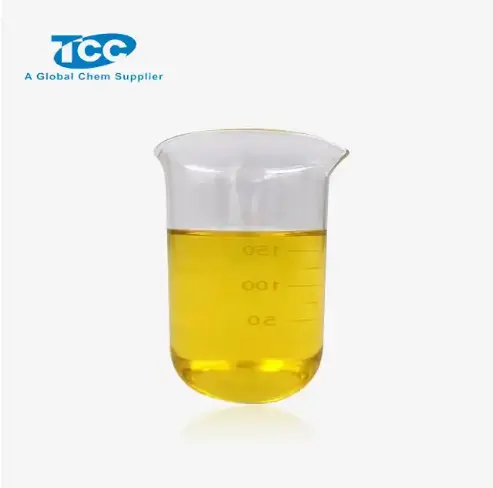
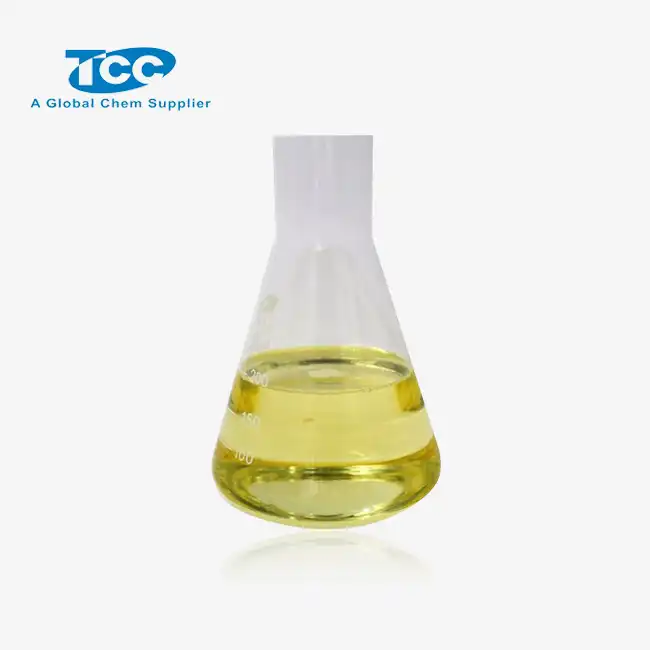
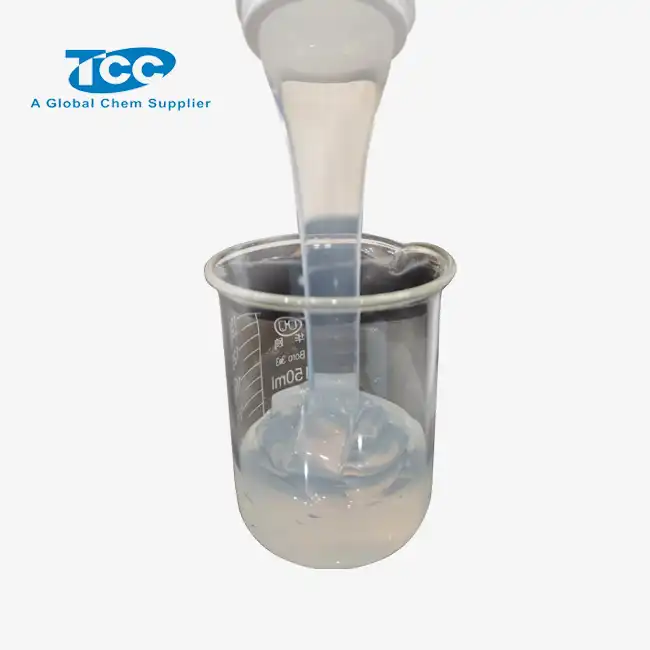
The calcium binding capacity of GLDA NA4 is in the order of 350 mg CaCO3 /g for solid forms (mostly provided as ≥82% powder or 38-47% aqueous solution). The chelation value means that traditional treatments need lower doses to accomplish the same scale of prevention; hence, it is more economical for bulk purchases. It is a light yellow viscous liquid that is easy to handle and to mix into a variety of formulas and has a favourable density between 1.4 and 1.5 g/cm³.
Biodegradability and Safety
The substance is easily biodegradable as shown by OECD 301D tests, meaning it breaks down quickly in aquatic settings and does not build up in sediments or bioaccumulate in organisms. The low toxicity profile allows its use in personal care products and food contact surface cleansers. Compliance with regulations includes registration with REACH, which enables easy customs clearance and market access in Europe and North America. These credentials meet the twin duty of procurement teams: operational effectiveness and responsibility for the environment.
Applications and Benefits in Hard Water Control
Industries confronting hard water challenges deploy this chelating solution across diverse applications, each validating its versatility and economic advantages.
Industrial Water Treatment and Oilfield Operations
In upstream and midstream oil and gas operations, water quality directly impacts drilling efficiency and cement integrity. Our chelating agent prevents calcium and magnesium precipitation in drilling muds, maintaining rheological properties crucial for wellbore stability. Cementing additives incorporating this compound ensure consistent slurry density and prevent flash setting caused by hard water contamination. Water treatment chemicals formulated with the tetrasodium salt control scale in injection wells and production separators, reducing downtime and maintenance frequency.

Service contractors appreciate the product's compatibility with other additives—corrosion inhibitors, biocides, and surfactants—allowing streamlined formulations without antagonistic interactions. Field trials in shale formations with high Total Dissolved Solids (TDS) content demonstrated a 40% reduction in scale-related interventions compared to phosphonate-based programs. The thermal stability permits use in Enhanced Oil Recovery (EOR) steam flooding operations, where temperatures routinely exceed 150°C.
Detergents and Industrial Cleaning
Automatic dishwashing formulations utilize the chelator as a builder, replacing phosphates banned in many jurisdictions. By sequestering calcium and magnesium, it prevents soap scum formation and water spots on glassware, enhancing surfactant efficiency and allowing reduced detergent dosages. Industrial CIP systems in breweries and dairy plants benefit from single-phase alkaline cleaners that remain stable at elevated temperatures, removing milk stone and beer scale without the environmental concerns of EDTA.
Heavy-duty degreasers for metal fabrication shops incorporate this sequestrant to prevent metal ion interference with alkaline cleaning chemistry. The compound's stability in caustic solutions up to pH 14 makes it ideal for removing carbonized soils and oxidized residues on automotive parts and industrial machinery. Cost analysis reveals that despite a slightly higher unit price than conventional chelators, the superior performance at lower use rates delivers net savings in total formulation costs.
How to Choose and Procure for Your Business Needs
Price comparisons alone are not enough to choose a trustworthy provider of GLDA NA4 chelating agents. Procurement experts must analyse technical skills, quality consistency, and supply chain resilience to reduce operational risks.
Quality Assurance and Certifications
Request COA (Certificate of Analysis) paperwork to prove active content, generally ≥ 99% purity for liquid concentrates. Chelation value assessment using complexometric titration checks sequestering capability, assuring batch-to-batch uniformity. Therefore, residual metal lowers the chelating ability in end-use applications, and the iron level should be less than 20 ppm. NTA impurity levels must remain under 0.1% to achieve Eco-Label and Nordic Swan certification standards for ecologically preferred goods.
ISO9000 accreditation shows good quality management systems and GMP-compliant production procedures provide pharmaceutical and food-grade customers assurance of contamination control. Request the Material Safety Data Sheets ( MSDS ) and regulatory status documents for your target markets. REACH registration numbers for EU sales, EPA Safer Choice recognition for U . S . distribution. These credentials provide product registration and signal quality positioning to downstream buyers.
Supplier Evaluation Criteria
Xi’an Taicheng Chemical is an example of a supplier with characteristics reducing procurement risk. Our facilities are ISO9000 certified, and we have strategic alliances with GMP-certified manufacturers with sophisticated synthesis capabilities, which ensures constant manufacturing quality. The technical support team offers formulation optimisation, compatibility testing, and dosage suggestions for particular applications—value-added services that may help speed product development timeframes.
Logistics infrastructure determines the dependability of supplies. How fast suppliers complete orders, how much inventory they have, and how flexible they are on delivery. Our worldwide distribution network provides timely delivery in Europe, South America, and Africa and a fast after-sales service for any technical questions or difficulties. Transparent pricing structures, with volume discounts and flexible payment periods, cater to both trial orders and long-term supply agreements, aiding in budget planning and cash flow management.
Cost-Benefit Analysis
While the cost of the chelating solution may be higher than that of traditional chelators, total cost of ownership assessments indicate net savings. Higher chelating efficiency means 20-30% less is needed for similar applications than EDTA. The environmental profile removes the risk of future liabilities from regulatory changes that penalise non-biodegradable compounds. Effective scale prevention extends equipment life, defers capital expenditures, and shorter maintenance cycles minimise operating costs.
Buyers should ask for pilot-scale testing to verify performance in their particular water chemistry and operational circumstances. Our technical staff can help with trial design and performance benchmarking, and provide data to help support ROI forecasts and internal approval procedures. This collaborative approach creates trust and provides the groundwork for long-term collaborations committed to ongoing development.
CONCLUSION
Hard water problems need solutions that are practical, economical, and environmentally responsible. GLDA NA4 provides across all three dimensions: excellent chelation under harsh circumstances, biodegradability that meets regulatory scrutiny, and operational advantages that boost bottom line outcomes. From oil and gas to medicines, industries are rapidly understanding that sustainable chemistry is a competitive advantage, not only compliance. For procurement professionals, selecting tetrasodium glutamate diacetate represents a technological investment that not only aligns with global sustainability trends but also delivers immediate operational gains — a strategic decision that future-proofs supply chains against regulatory changes and stakeholder demands.
FAQ
1. Can GLDA NA4 replace EDTA on a one-to-one basis in existing formulations?
While molecular weights differ, practical substitution often works at 1:1 ratios due to synergistic effects with surfactants. Precise applications benefit from molar calculations, and our technical team provides reformulation guidance to optimize performance and cost-effectiveness during transitions.
2. Is the chelating solution compatible with oxidizing agents like hydrogen peroxide?
Yes, unlike MGDA or conventional chelators that degrade in oxidative environments, our product maintains stability in formulations containing peroxides and hypochlorites. This compatibility makes it ideal for bleach-based industrial cleaners and disinfectants requiring hard water tolerance.
3. What regulatory compliance does the product hold for global markets?
The compound carries REACH registration for European distribution, meets OECD 301D biodegradability standards, and qualifies for EPA Safer Choice recognition. We provide comprehensive regulatory documentation supporting market entry across North America, Europe, and Asia-Pacific regions.
4. How does performance compare to citric acid in high-pH applications?
Citric acid loses chelating effectiveness above pH 9, while our tetrasodium salt maintains full capacity through pH 14. This alkaline stability proves essential for caustic cleaners, industrial boiler treatments, and other high-pH processes where citric acid fails.
Discover Reliable GLDA NA4 Supply with Taicheng
Securing a dependable tetrasodium glutamate diacetate manufacturer transforms hard water challenges into competitive advantages. Taicheng specializes in delivering premium-grade chelating solutions backed by ISO9000 certification, rigorous quality controls, and comprehensive technical support. Our strategic partnerships with GMP-certified producers ensure supply consistency for pharmaceutical, food, and industrial applications. Reach our experienced team at sales@tcc-ofc.com to request samples, obtain customized formulations, or discuss bulk procurement terms. We provide detailed COA documentation, application testing assistance, and flexible logistics solutions tailored to your operational requirements. Partner with a supplier committed to your success—contact Taicheng today to explore how our GLDA NA4 chelating agent portfolio enhances your product performance and sustainability profile.
References
1. Knepper, T.P., Werner, A., & Bogenschütz, G. (2005). "Determination of Synthetic Chelating Agents in Surface and Waste Water by Ion Chromatography-Mass Spectrometry." Journal of Chromatography A, Vol. 1085, pp. 240-246.
2. Bucheli-Witschel, M. & Egli, T. (2001). "Environmental Fate and Microbial Degradation of Aminopolycarboxylic Acids." FEMS Microbiology Reviews, Vol. 25, Issue 1, pp. 69-106.
3. Jakobi, G. & Löhr, A. (2012). "Detergents and Textile Washing: Principles and Practice." Wiley-VCH, Weinheim, Germany.
4. Nowack, B. (2002). "Environmental Chemistry of Aminopolycarboxylate Chelating Agents." Environmental Science & Technology, Vol. 36, No. 19, pp. 4009-4016.
5. Hyvönen, H., Aksela, R., & Rautiainen, M. (2011). "Application of Novel Chelating Agents in Industrial Cleaning Formulations." SOFW Journal, Vol. 137, Issue 4, pp. 32-39.
6. Schowanek, D., Feijtel, T.C., Perkins, C.M., et al. (1997). "Biodegradation of [S, S], [R, R] and Mixed Stereoisomers of Ethylene Diamine Disuccinic Acid (EDDS), a Transition Metal Chelator." Chemosphere, Vol. 34, No. 11, pp. 2375-2391.
Learn about our latest products and discounts through SMS or email