- English
- French
- German
- Portuguese
- Spanish
- Russian
- Japanese
- Korean
- Arabic
- Greek
- German
- Turkish
- Italian
- Danish
- Romanian
- Indonesian
- Czech
- Afrikaans
- Swedish
- Polish
- Basque
- Catalan
- Esperanto
- Hindi
- Lao
- Albanian
- Amharic
- Armenian
- Azerbaijani
- Belarusian
- Bengali
- Bosnian
- Bulgarian
- Cebuano
- Chichewa
- Corsican
- Croatian
- Dutch
- Estonian
- Filipino
- Finnish
- Frisian
- Galician
- Georgian
- Gujarati
- Haitian
- Hausa
- Hawaiian
- Hebrew
- Hmong
- Hungarian
- Icelandic
- Igbo
- Javanese
- Kannada
- Kazakh
- Khmer
- Kurdish
- Kyrgyz
- Latin
- Latvian
- Lithuanian
- Luxembou..
- Macedonian
- Malagasy
- Malay
- Malayalam
- Maltese
- Maori
- Marathi
- Mongolian
- Burmese
- Nepali
- Norwegian
- Pashto
- Persian
- Punjabi
- Serbian
- Sesotho
- Sinhala
- Slovak
- Slovenian
- Somali
- Samoan
- Scots Gaelic
- Shona
- Sindhi
- Sundanese
- Swahili
- Tajik
- Tamil
- Telugu
- Thai
- Ukrainian
- Urdu
- Uzbek
- Vietnamese
- Welsh
- Xhosa
- Yiddish
- Yoruba
- Zulu
Why Choose 1,3-Dichloro-5,5-dimethylhydantoin Powder for Swimming Pools?
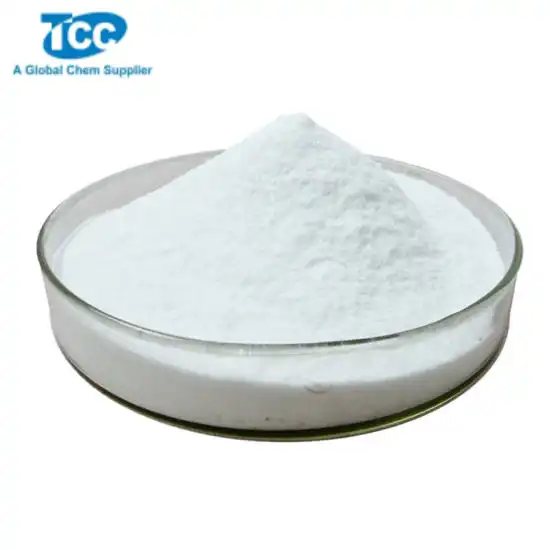
Choosing the right sanitizer for swimming pool care has a direct effect on how well the pool works, how safe it is for users, and how long the infrastructure lasts. Due to its controlled-release mechanism, chemical stability, and broad-spectrum antibacterial effectiveness, 1,3-Dichloro-5,5-dimethylhydantoin powder (DCDMH, CAS No. 118-52-5) stands out as a superior chlorinating agent. This white to off-white crystalline powder consistently cleans water while being less harmful to the environment and less corrosive than traditional chlorine alternatives. This makes it the first choice for commercial pool owners, water treatment companies, and chemical distributors looking for reliable, cost-effective solutions.
Understanding 1,3-Dichloro-5,5-dimethylhydantoin Powder: Properties and Mechanism
1,3-Dichloro-5,5-dimethylhydantoin powder is a big step forward in the technique used to clean pools. The molecular structure of this organic N-halamine molecule (C5H6Cl2N2O2) lets chlorine slowly escape when it is hydrolyzed. This keeps the right amount of disinfectant without the big changes in concentration that happen with liquid bleach. This crystalline solid has a strong antimicrobial effect and stays stable during storage and shipping. Its usable chlorine content is usually between 68 and 72%.
Chemical Stability and Storage Advantages
The compound doesn't dissolve easily in water (about 0.2g/100g at 25°C), which gives it a natural sustained-release effect that sets it apart from other compounds that dissolve quickly. When stored correctly, in a dry place with a moisture level kept below 1.0 percent, 1,3-Dichloro-5,5-dimethylhydantoin powder stays strong for a long time without losing much of its effectiveness. Because it is stable, it doesn't need to be replaced as often as liquid chlorine products do, which saves facility managers money on buying costs. The freezing point of 130–134°C means that the material is very stable at high temperatures. This keeps the product's structure through shipping around the world in all kinds of weather.
Disinfection Mechanism and Efficacy
When 1,3-dichloro-5,5-dimethylhydantoin powder breaks down in pool water, it creates hypochlorous acid (HOCl), which kills germs by breaking through their cell walls. This oxidizing agent stops bacteria, fungi, viruses, and algae from doing important things inside their cells, killing all pathogens completely. 1,3-Dichloro-5,5-dimethylhydantoin powder stays antibacterial across a wider pH range, unlike elemental chlorine or sodium hypochlorite, which lose their power in higher pH settings. This trait is especially useful in public pools, where a lot of bathers and chemical reactions can quickly change the water's chemistry.
Environmental and Safety Considerations
More and more, modern regulatory systems require disinfectants that are both effective and good for the earth. 1,3-Dichloro-5,5-dimethylhydantoin powder doesn't make as many dangerous disinfectant byproducts as some chlorinated options, so it fits with green goals without lowering cleanliness standards. Handling risks that come with transporting liquid chlorine are lower with the solid form, including the chance of spills and dangerous gas releases. Following the right handling procedures, such as wearing safety gear and following the instructions on the MSDS, makes sure that the product can be used safely in factories while reducing the risks of exposure at work.
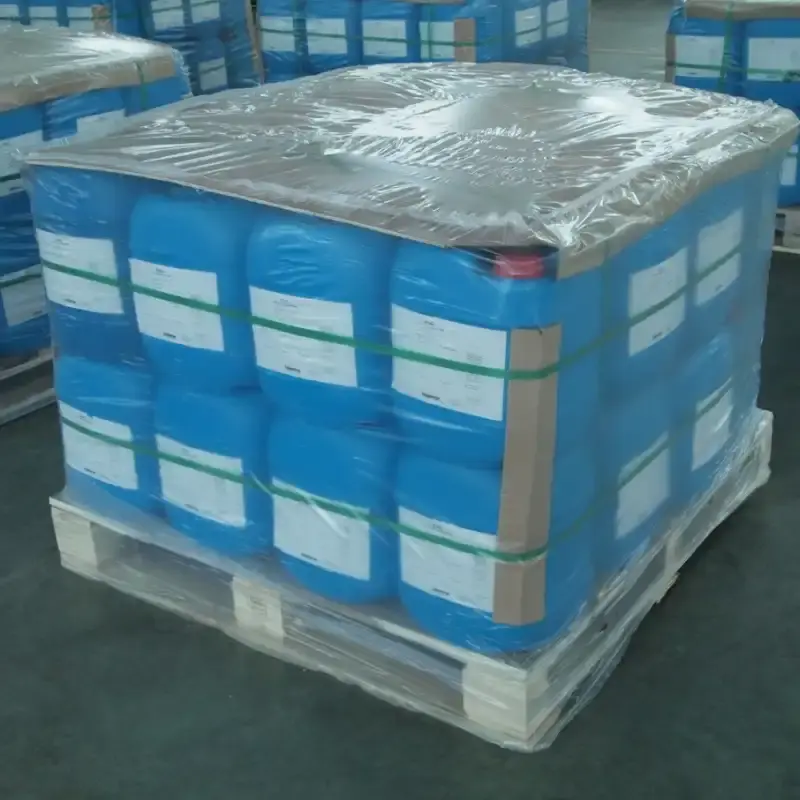
Advantages of 1,3-Dichloro-5,5-dimethylhydantoin Powder over Alternative Disinfectants
When procurement professionals look at different pool disinfection choices, they need to consider more than just the original cost. In business pool uses, 1,3-Dichloro-5,5-dimethylhydantoin powder has measurable benefits that make operations more efficient and protect the pool's long-term value.
Superior Stability and Shelf Life
When you look at 1,3-Dichloro-5,5-dimethylhydantoin powder next to sodium dichloroisocyanurate (SDIC) and trichloroisocyanuric acid (TCCA), you can see that it is more stable. Even though all three substances donate chlorine, 1,3-Dichloro-5,5-dimethylhydantoin powder's molecular structure makes it very hard for it to break down under normal store conditions. The crystalline powder recipe takes away any worries about the potency loss of liquid bleach, which can reach 15 to 20 percent per year even in the best circumstances. This longer shelf life makes managing goods easier and cuts down on waste from old stock.
Reduced Corrosiveness and Infrastructure Protection
1,3-Dichloro-5,5-dimethylhydantoin powder's controlled chlorine release method lowers high oxidizer concentrations in pool systems. This makes metal fixtures, filtration equipment, and concrete surfaces less likely to rust. This softer rust profile is especially helpful for facility managers who are in charge of pools with stainless steel parts or heating systems made of copper. The total cost of ownership is directly affected by how long the equipment lasts. This makes 1,3-Dichloro-5,5-dimethylhydantoin powder an economically smart choice, even though it may have higher unit costs than common chlorine goods.
Enhanced User Comfort and Reduced Odor
Chlorine treatments that are used today often leave behind strong smells because they create chloramines when free chlorine mixes with pollutants that contain nitrogen. The slow-release pattern of 1,3-Dichloro-5,5-dimethylhydantoin powder keeps chloramine levels from building up, which keeps the air quality in indoor pools better and lowers reports of respiratory discomfort. This change in the user experience makes the facility look better and keeps customers coming back in competitive business pool markets.
Cost-Effectiveness Through Bulk Procurement
When business-to-business buyers buy large amounts of 1,3-dichloro-5,5-dimethylhydantoin powder, they can take advantage of better price systems that make up for the higher unit costs. Because the concentrated version is more pure (≥98% purity), it needs smaller doses than diluted liquid options. This saves money on shipping and storage space. If you base your calculations on available chlorine, 1,3-Dichloro-5,5-dimethylhydantoin powder often has a reasonable cost-per-treatment while also being safer to handle and easier to use.
Procurement Insights: Sourcing and Buying 1,3-Dichloro-5,5-dimethylhydantoin Powder
To successfully buy custom pool chemicals, you need to carefully evaluate potential suppliers and have a good grasp of quality standards. 1,3-Dichloro-5,5-dimethylhydantoin powder buying involves certain factors that have a direct effect on how well the product works and how well it meets legal requirements.
Supplier Credibility and Certification Standards
Companies that make 1,3-Dichloro-5,5-dimethylhydantoin powder that you can trust keep their ISO9000 certification and use quality management systems that are in line with GMP. These credentials make sure that the product specs are the same from batch to batch, which is important for automatic dosing systems. Buyers should make sure that providers give them all the paperwork they need, like Certificates of Analysis (COA), Material Safety Data Sheets (MSDS), and proof that they follow the rules for the places they want to sell to. Established companies like Xi'an Taicheng Chem show their dedication by having clear quality control procedures and helpful technical support teams.
Pricing Structures and Order Quantities
The price of industrial-grade 1,3-Dichloro-5,5-dimethylhydantoin powder on the international market is usually based on the amount of chlorine that is available, the pure grade, and the order number. For bulk chemical distributors, the minimum order quantity is usually between 1 and 5 metric tons. For unique projects, smaller specialty amounts can be used. When deciding between foreign and domestic providers, purchasing managers should look at the total landed costs, which include freight, import taxes, and the risk of currency fluctuations.
Logistics and Supply Chain Considerations
For 1,3-Dichloro-5,5-dimethylhydantoin powder to be properly classified as an oxidizing solid (UN 3077 or UN 2465, based on composition), it needs to be transported in a certain way. Expert suppliers handle the paperwork for sending dangerous goods and work with reliable transportation partners to make sure deliveries are made legally. International shipments usually take three to five weeks to arrive, so accurate forecasts and planning of supplies are necessary for the pool to keep running.
Customization and Technical Support
Leading sellers can make mixtures that are exactly what you need for your business. For example, they can change the size of the particles to work with certain dose systems or mix products that include chemicals that work well with each other in pools. Having access to application engineering support helps make dosing methods work best for different pool layouts, water chemistry conditions, and bather load patterns. This increases the effectiveness of disinfectants while reducing chemical use.
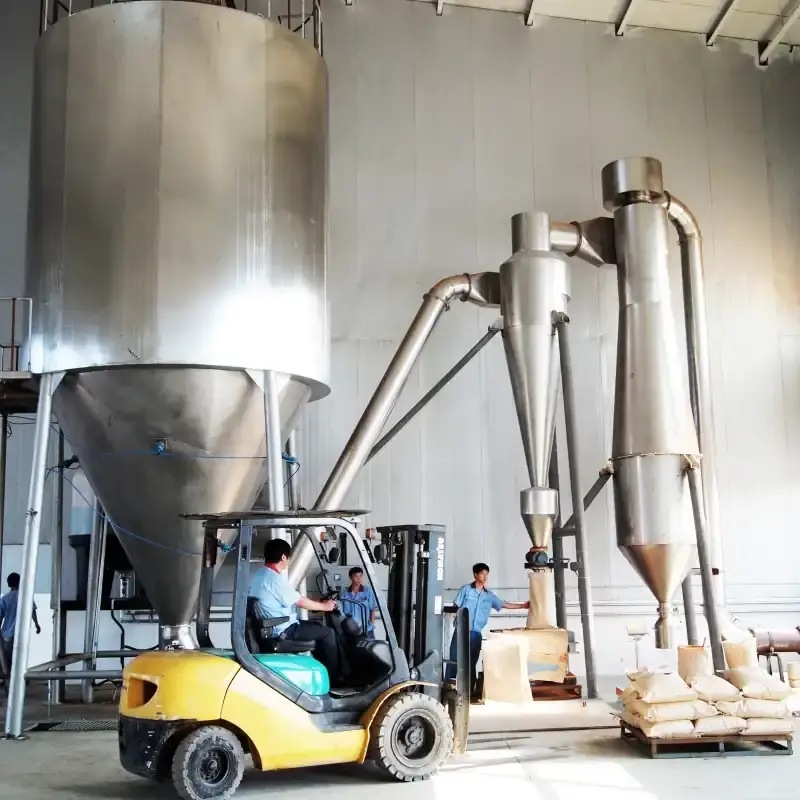
Practical Applications and Case Studies of DMDMH Powder in Swimming Pools
To turn chemical specs into effective pool sanitation, you need to know how to apply the chemicals correctly and pay attention to operating factors. When used according to known best practices, 1,3-Dichloro-5,5-dimethylhydantoin powder works well in a wide range of pool settings.
Dosing Protocols for Various Pool Sizes
1,3-Dichloro-5,5-dimethylhydantoin powder is usually added at rates between 2 and 5 grams per cubic meter of pool water. These rates are changed depending on the number of bathers, the temperature of the water, and the measured chlorine demand. Automatic erosion feeders are often used in commercial buildings. These use the controlled-release properties of the substance to keep residual chlorine levels fixed between 1 and 3 parts per million (ppm). For smaller sites, manual batch dosing is still an option. To avoid over-concentration in one area, it is best to dissolve the material first in a different container.
Commercial Pool Success Story
A regional swimming center with six pools that hold a total of 850,000 gallons switched from using liquid sodium hypochlorite to using 1,3-Dichloro-5,5-dimethylhydantoin powder as its main cleaner. Over the course of a year, site managers saw a 23% drop in chemical costs, even though the prices per unit went up. This was because they didn't have to dose as often, and chlorine didn't evaporate as much. The cost of maintaining equipment went down by about 18% because circulation fans and heat exchanges didn't rust as much. User happiness polls showed that people thought the air quality was better, especially in places with enclosed pools.
Storage and Handling Best Practices
1,3-Dichloro-5,5-dimethylhydantoin powder needs to be kept in a cool, dry place away from things that don't work with it, like acids, reducing agents, and organic chemicals. Sealed packages keep out wetness that could cause things to break down too quickly. With powder forms, people who work with the product should wear the right safety gear, like nitrile gloves, safety shields, and dust masks. In case of an emergency, possible spills must be cleaned up with non-flammable absorbent materials. Sawdust or other biological absorbents that can catch fire should never be used.
Why 1,3-Dichloro-5,5-dimethylhydantoin Powder Is Your Preferred Choice
For pool owners who are looking to the future, 1,3-Dichloro-5,5-dimethylhydantoin powder is the best sanitizer because it combines good performance, cost savings, and compliance with regulations. Its technical superiority solves major problems in the industry and helps achieve business success goals.
Progressive companies that treat water know that the cost of buying the equipment is only one part of the total cost of purification. The long-lasting effects of 1,3-Dichloro-5,5-dimethylhydantoin powder, its low environmental impact, and its ability to protect infrastructure all add up to more value over the course of a product's lifespan. Facilities that want to be more environmentally friendly like the substance because it has fewer disinfecting byproducts and a smaller carbon footprint when shipped than liquid alternatives.
Chemical options for disinfecting pools are getting better and more effective all the time. Leading suppliers are putting money into improving 1,3-dichloro-5,5-dimethylhydantoin powder formulations by adding slow-release matrix technologies and algaecides that work well with them. This makes the products more useful while keeping their main performance benefits. These changes make sure that 1,3-Dichloro-5,5-dimethylhydantoin powder stays on the cutting edge of pool cleaning technology as standards change in the business.
Based on its ISO9000 certification and partnerships with modern GMP-certified production facilities, Xi'an Taicheng Chem has become a reliable source for high-quality 1,3-Dichloro-5,5-dimethylhydantoin powder. Because we know a lot about how to treat water technically, we can give clients application advice that is special to their needs and help them improve their pool sanitation procedures. We offer complete solutions that go beyond just supplying products. These include reasonable pricing, dependable global transportation, and helpful customer service.
Conclusion
Picking 1,3-Dichloro-5,5-dimethylhydantoin powder to clean swimming pools is a smart move that matches short-term practical needs with long-term value creation. The compound's controlled-release process, ability to kill a wide range of microbes, and high stability make it clearly better than chlorine options. When commercial pool owners, water treatment experts, and chemical dealers use 1,3-Dichloro-5,5-dimethylhydantoin powder-based cleaning systems, infrastructure corrosion is cut down, term costs go down, and user safety goes up. Regulatory frameworks are putting more emphasis on environmental responsibility along with disinfection performance. 1,3-Dichloro-5,5-dimethylhydantoin powder's good profile makes it the best choice for properly run water facilities around the world.
FAQ
1. What safety precautions must be taken when working with DCDMH powder?
When working with 1,3-dichloro-5,5-dimethylhydantoin powder products, workers should wear safety gear like gloves that can fight chemicals, safety glasses, and masks to protect their eyes and lungs. Storage places need to stay dry, well-ventilated, and away from materials that don't go together. As part of emergency plans, non-biodegradable absorbent materials should be used to clean up spills in the right way. Thorough teaching in the right way to handle things reduces the risks of exposure at work and ensures that the product is used correctly.
2. How does DCDMH powder compare economically to liquid chlorine?
1,3-Dichloro-5,5-dimethylhydantoin powder usually has a lower total cost of ownership, even though the unit costs may look higher. The concentrated recipe cuts down on shipping costs, keeps the medicine's effectiveness while it's being stored, and means that it needs to be dosed less often. Less corrosiveness means longer machine service life, which increases economic worth even more. When looking at available chlorine, the price of buying 1,3-Dichloro-5,5-dimethylhydantoin powder in bulk makes it more competitive with other chlorine goods.
3. Can DCDMH powder be used in both residential and commercial pools?
The substance works well at all pool sizes, but its controlled-release properties and safety benefits for handling make it especially useful in business settings. Automated dosing systems, which are popular in business facilities, make 1,3-Dichloro-5,5-dimethylhydantoin powder work better, but smaller domestic pools can use batch treatment methods that are done by hand. Product flexibility meets the needs of a wide range of operations in the aquatics business.
Partner with Taicheng for Premium 1,3-Dichloro-5,5-dimethylhydantoin Powder Solutions
Xi'an Taicheng Chem can help you clean and disinfect your pool with approved, high-purity 1,3-Dichloro-5,5-dimethylhydantoin powder that is made under strict quality controls. We are a well-known company that serves markets around the world. We offer reasonable prices and technical know-how to provide complete chemical solutions that are made to fit your specific needs. To make sure the implementation goes smoothly, our experienced team offers application advice, regulatory paperwork, and quick after-sales help. Taicheng has a reliable supply chain that is backed by ISO9000 certification and GMP-aligned manufacturing relationships. This is true whether you run business aquatic facilities, sell pool chemicals, or oversee water treatment operations. Email our sales team at sales@tcc-ofc.com right now to talk about product details, ask for samples, or get personalized prices for buying 1,3-Dichloro-5,5-dimethylhydantoin powder in bulk. Join our network of happy customers who get top-notch disinfectant products and service quality driven by partnerships.
References
1. World Health Organization (2006). Guidelines for Safe Recreational Water Environments, Volume 2: Swimming Pools and Similar Environments. Geneva: WHO Press.
2. American Chemistry Council (2019). Halogenated Hydantoins: Properties, Applications and Safety Considerations in Water Treatment. Washington, DC: ACC Publications.
3. Wojtowicz, J.A. (2001). Chlorine, Oxygen Acids and Salts: Chlorous Acid, Chlorites, and Chlorine Dioxide, in Kirk-Othmer Encyclopedia of Chemical Technology. New York: John Wiley & Sons.
4. Centers for Disease Control and Prevention (2016). Model Aquatic Health Code: An All-Inclusive Resource for Public Swimming Pools and Spas. Atlanta: CDC Publications.
5. Diehl, A.C., Speitel, G.E., Symons, J.M. et al. (2000). "DBP Formation During Chloramination," Journal of the American Water Works Association, 92(6): 76-90.
6. National Swimming Pool Foundation (2018). Pool & Spa Operator Handbook. Colorado Springs: NSPF Publishing.
Learn about our latest products and discounts through SMS or email