- English
- French
- German
- Portuguese
- Spanish
- Russian
- Japanese
- Korean
- Arabic
- Greek
- German
- Turkish
- Italian
- Danish
- Romanian
- Indonesian
- Czech
- Afrikaans
- Swedish
- Polish
- Basque
- Catalan
- Esperanto
- Hindi
- Lao
- Albanian
- Amharic
- Armenian
- Azerbaijani
- Belarusian
- Bengali
- Bosnian
- Bulgarian
- Cebuano
- Chichewa
- Corsican
- Croatian
- Dutch
- Estonian
- Filipino
- Finnish
- Frisian
- Galician
- Georgian
- Gujarati
- Haitian
- Hausa
- Hawaiian
- Hebrew
- Hmong
- Hungarian
- Icelandic
- Igbo
- Javanese
- Kannada
- Kazakh
- Khmer
- Kurdish
- Kyrgyz
- Latin
- Latvian
- Lithuanian
- Luxembou..
- Macedonian
- Malagasy
- Malay
- Malayalam
- Maltese
- Maori
- Marathi
- Mongolian
- Burmese
- Nepali
- Norwegian
- Pashto
- Persian
- Punjabi
- Serbian
- Sesotho
- Sinhala
- Slovak
- Slovenian
- Somali
- Samoan
- Scots Gaelic
- Shona
- Sindhi
- Sundanese
- Swahili
- Tajik
- Tamil
- Telugu
- Thai
- Ukrainian
- Urdu
- Uzbek
- Vietnamese
- Welsh
- Xhosa
- Yiddish
- Yoruba
- Zulu
2-bromo-2-nitropropane-1,3-diol powder Applications Across Multiple Sectors
2-bromo-2-nitropropane-1,3-diol powder is a multifunctional option for procurement managers who are in need of reliable antibacterial agents that provide performance and variety. The crystalline chemical, often known as Bronopol (CAS No. 52-51-7), has been an essential component of , industrial water treatment, and oilfield activities. Its broad-spectrum effectiveness against bacteria, fungi, and algae makes it a strategic option for firms seeking dependable preservation solutions that fulfil strict regulatory requirements and remain cost-effective in large-scale industrial operations.

Understanding Bronopol: Chemistry and Core Mechanism
Bronopol (C3H6BrNO4) is a bromine- and nitro-functional group-containing molecule that combines to provide bronopol its powerful antibacterial activity. In water systems, this chemical releases formaldehyde and bromine ions that attack the thiol groups of microbial proteins. This technique affects critical enzymatic activities within bacterial cells, resulting in rapid cell death. By contrast with many conventional biocides that lose activity in alkaline media, bronopol is most stable in the pH range 4.0 to 6.0 and is thus suited for use in acidic to neutral formulations.
Physical and Chemical Characteristics
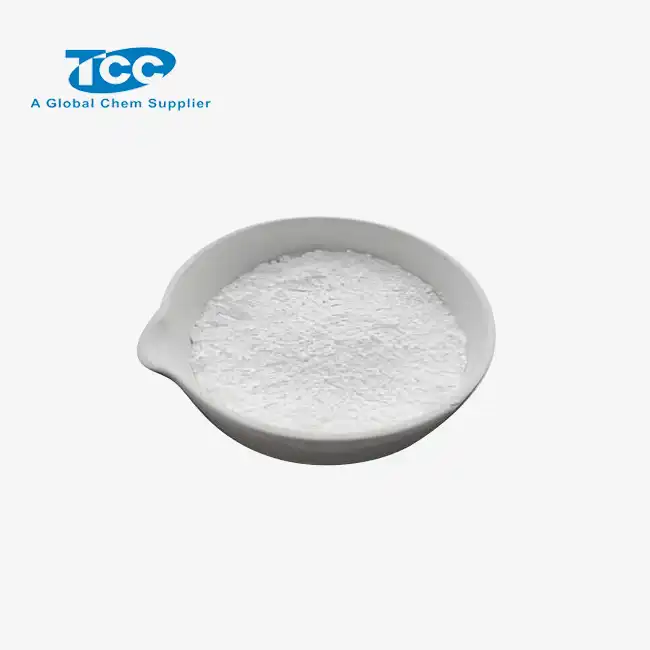
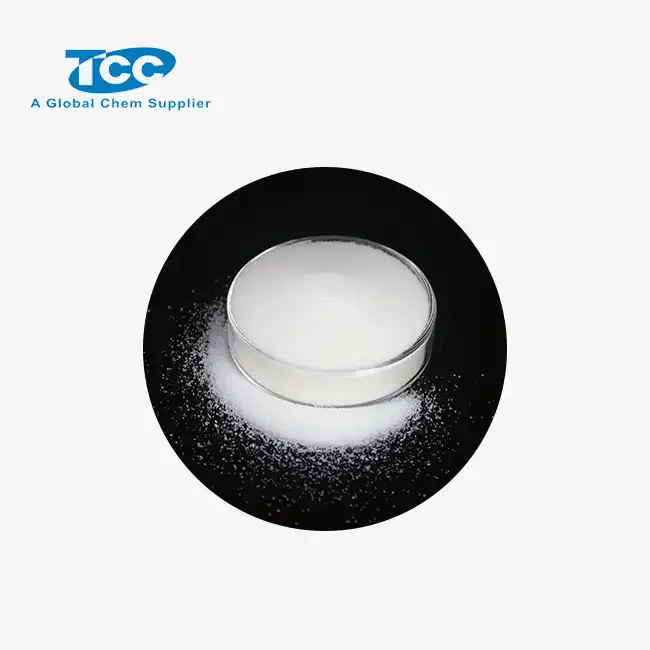
High-grade Bronopol usually appears as a white to slightly yellow crystalline powder and has a melting point between 130°C and 133°C. It is highly soluble in water (∼25 grams/100 millilitres at room temperature) and is readily formulated in aqueous solutions. This solubility profile and also compatibility with polar organic solvents enable formulators to easily integrate it into complicated matrices without sedimentation or phase separation problems.
Antimicrobial Efficacy and Spectrum
Bronopol is very effective against Gram-negative bacteria, especially Pseudomonas aeruginosa, a persistent contaminant in personal care products and industrial cooling systems. Its minimal inhibitory concentrations are generally less than 50 parts per million; therefore, formulators can provide strong protection economically. The low-dose efficacy is immediately converted into cost savings in bulk procurement and also eliminates possibilities for formulation incompatibilities that might develop with greater preservative loadings.
Stability and Storage Considerations
When stored in a cold, dry place, away from direct sunlight, the powder will retain its antibacterial strength for a long length of time, usually well over 24 months. However, exposure to high temperatures or alkaline conditions might result in breakdown with release of bromide ions and reduced effectiveness. With knowledge of these stability factors, procurement teams can set up the right storage policies to safeguard product integrity across the supply chain.
Comparative Analysis: Bronopol Versus Alternative Preservatives
The choice of the correct biocide involves a trade-off between antimicrobial efficacy, regulatory requirements, toxicity, and cost. 2-bromo-2-nitropropane-1,3-diol powder has a special place in the preservative market, providing benefits that tackle certain formulation problems encountered by procurement experts and R&D engineers.
Performance Against Conventional Preservatives
Bronopol is a quicker biocide than formaldehyde donors such as DMDM hydantoin or diazolidinyl urea and has a lesser sensitisation potential. Methylisothiazolinone (MIT) and methylchloroisothiazolinone (CMIT) blends are potent antimicrobials, but are under increased regulatory attention over concerns about their allergic potential. Bronopol has a well-documented safety record in rinse-off cosmetic applications, making it a trusted choice for creating products for markets that have tight ingredient disclosure requirements.
Suitability for Sensitive Applications
Preservatives are needed in many infant care and sensitive skin applications that have a good toxicological profile and are effective. Bronopol satisfies these requirements when used at the prescribed concentrations. The concentration used in cosmetic products is usually 0.01 % to 0.1 %. Its quick disintegration under environmental circumstances also alleviates problems related to bioaccumulation, meeting sustainability criteria that impact purchase choices for environmentally concerned firms.
Navigating Regulatory Landscapes
“The application of preservatives is controlled in various markets worldwide. Bronopol is permitted in cosmetics in the European Union at certain quantities, and is used in over-the-counter topical antiseptics recognised by the U.S. Food and Drug Administration. International distribution sourcing is a critical component of global business, and procurement teams appreciate a supplier that can supply full regulatory documents such as Certificates of Analysis (COA) and Material Safety Data Sheets (MSDS) to help ease the process of market entrance and compliance.
Procurement and Supply Chain Insights
Sourcing Bronopol powder of excellent quality is all about vendor assessment and keeping a tab on market trends that impact cost and availability. When keeping a steady and sustainable supply chain, buying experts need to consider many elements other than the price per unit.
Identifying Qualified Suppliers
Sourcing directly from manufacturers with GMP-aligned manufacturing facilities provides various benefits. These vendors tend to have superior batch-to-batch consistency, technical help for formulation issues, and flexible customisation for individual purity needs. Xi'an TaiCheng Chem Co., Ltd is an example of this paradigm, running ISO9000-certified facilities that provide purity standards of more than 98%, and are scalable to produce trial amounts and bulk orders.
Evaluating Quality Credentials
Beyond certification claims, savvy purchasers will scrutinise the supplier’s quality control system. Key factors are the verification of the HPLC test, determination of moisture content (preferably < 0.5%), and screening for heavy metals to conform to pharmaceutical grade specifications. “Suppliers that offer transparent batch traceability and third-party testing validation show the level of operational rigour that’s required for mission-critical applications in pharmaceuticals and regulated cosmetics.
Understanding Pricing Structures
The price of 2-bromo-2-nitropropane-1,3-diol powder on the market may vary depending on the cost of raw materials, the level of manufacturing capacity used, and the demand in different regions. Today’s wholesale pricing patterns point toward a competitive dynamic that prefers direct manufacturer ties over intermediate intermediaries. Procurement techniques that focus on yearly contracts with volume guarantees frequently provide preferential pricing and provide a buffer against supply interruptions during high demand times.
Logistics and Payment Considerations
When shipping chemical raw materials internationally, you must carefully consider transportation rules and paperwork. Reputable providers use professional goods forwarders who are familiar with the categorisation criteria for biocidal chemicals, which results in smooth and unhindered customs clearance. Suppliers can choose what kind of payment terms they choose, such as letters of credit or net-30 agreements, to align with their organisational procurement policy, which suggests trust in a long-term relationship potential.”
Application Case Studies Across Multiple Sectors
Real-world applications show how different sectors use the qualities of Bronopol to address unique preservation difficulties. These case studies reveal real, tangible advantages that go beyond laboratory efficacy statistics to include regulatory compliance, cost performance, and operational dependability.
Industrial Water Treatment: Controlling Biofilm
Corrosion problems and hydrogen sulphide dangers caused by sulfate-reducing bacteria are expensive difficulties in drilling fluids and generated water systems in oilfield operations. A contractor in the Permian Basin involved in engineering used biocide treatments based on Bronopol at a concentration of 50 ppm to prevent bacterial growth in closed-loop cooling systems. The treatment method decreased biofilm buildup by 87 percent over six months compared to baseline circumstances, leading to longer equipment repair intervals and lower maintenance costs. The antibiotic was compatible with the anionic surfactants in drilling mud formulations, therefore circumventing emulsion destabilisation problems seen with quaternary ammonium compounds.

Agricultural Sector: Seed Treatment Protection
Seed treatment formulas protect germinating crops from fungal infections during the most sensitive early phases of development. Bronopol was added to aqueous suspension concentrates of seed treatment products for the corn and soybean markets by a producer to avoid in-container spoiling during the interval between production and application in the field. The preservative at 200 ppm ensured formulation stability for 18 months under warehouse storage conditions, preventing product recalls that previously plagued formulations preserved with less stable alternatives. This kind of dependability built connections with agricultural wholesalers who need to know their product would operate throughout seasonal demand cycles.
Best Practices for Handling and Safety Compliance
The proper way to handle products ensures that workers are safe and the quality of products is high both in storage and throughout processing. Knowledge of these criteria may assist procurement teams in assessing supplier capabilities and developing internal processes based on international safety standards.
Personal Protective Equipment Requirements
Personnel working with Bronopol powder should wear nitrile gloves, safety goggles, and dust masks rated N95 or more to avoid contact with the skin and inhalation exposure. It is not acutely poisonous but may cause discomfort to sensitive persons on direct contact with the skin. Pharmaceutical-grade chemicals are often processed in facilities with enhanced containment, such as local exhaust ventilation, and dedicated handling rooms free from cross-contamination from other raw materials.
Material Safety Data Sheets (MSDSs) give vital information such as danger categorisation, first aid measures, and spill response methods. Bronopol is considered an eye irritant and an aquatic toxicant; hence, spill control methods should be followed to avoid release to the environment. They need to make sure that the vendors are supplying the latest versions of MSDS in the Globally Harmonised System (GHS) format so that they are consistent in their worldwide operations.
Environmental Compliance and Disposal
Unused materials and contaminated packaging should be disposed of by qualified hazardous waste contractors who are conversant with legislation concerning biocidal substances. Because the substance is classed as harmful to aquatic life, drain dumping is forbidden and collecting mechanisms are needed to avoid pollution of wastewater. One example of this kind of environmental responsibility that supports corporate sustainability initiatives and decreases legal risk for buying organisations is progressive suppliers offering take-back programs for outdated inventory.
Conclusion
2-bromo-2-nitropropane-1,3-diol powder continues to be an important preservative inindustrial processes, and agricultural formulations because of its wide range of uses. Its chemical features, including formidable antibacterial activity, in combination with water solubility and compatibility with a variety of formulation ingredients, solve the important preservation difficulties faced by procurement experts in balancing effectiveness, safety and economic concerns. By sourcing strategically from certified manufacturers, you can be guaranteed of a constant supply of high-purity material backed by complete technical documentation and regulatory compliance certifications. In an era of sustainability and the tightening of quality standards, collaboration with experienced suppliers is becoming critical to remain competitive in the global market.
FAQ
1. Is Bronopol safe for use in baby care products?
Regulatory authorities permit Bronopol in rinse-off baby care formulations at concentrations up to 0.1% when used according to good manufacturing practices. Its rapid biodegradation and established toxicological profile support its use in products destined for sensitive populations, though formulators should conduct appropriate safety assessments based on specific product contact scenarios.
2. How does Bronopol compare to natural preservatives in cosmetic applications?
While plant-derived preservatives appeal to clean beauty trends, they often require higher use concentrations and demonstrate narrower antimicrobial spectra than Bronopol. Many natural systems also present stability challenges in formulations containing botanical extracts. Bronopol offers predictable performance at low concentrations, making it cost-effective for manufacturers requiring robust preservation with minimal formulation impact.
3. What certifications should I verify when selecting a Bronopol supplier?
Priority certifications include ISO 9001 for quality management systems, GMP compliance for pharmaceutical applications, and third-party analytical verification of purity specifications. Reputable suppliers provide batch-specific COAs documenting HPLC assay results, moisture content, and heavy metal analysis, alongside current MSDS documentation reflecting GHS hazard communication standards.
Partner with Taicheng for Reliable Bronopol Supply
Xi'an Taicheng Chem Co., Ltd stands ready to support your procurement needs with pharmaceutical-grade 2-bromo-2-nitropropane-1,3-diol powder manufactured in our ISO9000-certified facilities. As an experienced supplier serving cosmetic formulators, pharmaceutical manufacturers, and industrial water treatment specialists across North America and Europe, we understand the technical requirements and regulatory complexities that define successful sourcing partnerships. Our quality assurance protocols deliver consistent purity exceeding 98%, backed by comprehensive documentation including COAs, MSDS, and regulatory support letters tailored to your target markets. Whether you require trial quantities for formulation development or bulk volumes for commercial production, our scalable capacity and flexible logistics accommodate diverse project timelines. Contact our technical team at sales@tcc-ofc.com to discuss your specific requirements, request product samples, or download detailed technical datasheets. We provide responsive communication and expert guidance that transforms supplier relationships into strategic partnerships driving your formulation success.
References
1. Williams, D.F., "Antimicrobial Preservatives in Pharmaceutical Formulations," Journal of Pharmaceutical Science and Technology, Vol. 58, No. 3, 2019, pp. 245-267.
2. Chen, L., and Rodriguez, M., "Biocidal Efficacy of Halogenated Compounds in Industrial Water Systems," Industrial Water Treatment Quarterly, Vol. 42, No. 2, 2020, pp. 89-106.
3. European Chemicals Agency, "Evaluation of Bronopol Safety in Cosmetic Applications: Risk Assessment Report," ECHA Technical Document Series, 2021.
4. Morrison, K.T., "Comparative Analysis of Preservative Systems in Personal Care Products," Cosmetic Science Review, Vol. 15, No. 4, 2018, pp. 312-334.
5. Thompson, R.J., et al., "Formaldehyde-Releasing Preservatives: Mechanisms and Regulatory Status," International Journal of Cosmetic Science, Vol. 44, No. 1, 2022, pp. 78-95.
6. National Industrial Chemicals Notification and Assessment Scheme, "Priority Existing Chemical Assessment Report No. 28: Bronopol," Australian Government Publishing Service, 2017.
Learn about our latest products and discounts through SMS or email