- English
- French
- German
- Portuguese
- Spanish
- Russian
- Japanese
- Korean
- Arabic
- Greek
- German
- Turkish
- Italian
- Danish
- Romanian
- Indonesian
- Czech
- Afrikaans
- Swedish
- Polish
- Basque
- Catalan
- Esperanto
- Hindi
- Lao
- Albanian
- Amharic
- Armenian
- Azerbaijani
- Belarusian
- Bengali
- Bosnian
- Bulgarian
- Cebuano
- Chichewa
- Corsican
- Croatian
- Dutch
- Estonian
- Filipino
- Finnish
- Frisian
- Galician
- Georgian
- Gujarati
- Haitian
- Hausa
- Hawaiian
- Hebrew
- Hmong
- Hungarian
- Icelandic
- Igbo
- Javanese
- Kannada
- Kazakh
- Khmer
- Kurdish
- Kyrgyz
- Latin
- Latvian
- Lithuanian
- Luxembou..
- Macedonian
- Malagasy
- Malay
- Malayalam
- Maltese
- Maori
- Marathi
- Mongolian
- Burmese
- Nepali
- Norwegian
- Pashto
- Persian
- Punjabi
- Serbian
- Sesotho
- Sinhala
- Slovak
- Slovenian
- Somali
- Samoan
- Scots Gaelic
- Shona
- Sindhi
- Sundanese
- Swahili
- Tajik
- Tamil
- Telugu
- Thai
- Ukrainian
- Urdu
- Uzbek
- Vietnamese
- Welsh
- Xhosa
- Yiddish
- Yoruba
- Zulu
GLDA NA4 vs EDTA: Which Chelating Agent Performs Better?
When looking at chelating agents for industrial use, Tetrasodium Glutamate Diacetate (CAS No. 51981-21-6) GLDA NA4 performed better than EDTA in a number of important ways. This bio-based chelating solution is very good at binding metal ions and is completely biodegradable according to OECD 301D guidelines. Unlike EDTA, which leaves a lasting mark on the environment, this amino acid-based compound keeps its chelation effectiveness across pH ranges from 2 to 13.5. This makes it especially useful in alkaline environments like oilfields, water treatment systems, and industrial cleaning products. Regulatory compliance worries are eased by its low toxicity profile and fast biodegradation, which doesn't hurt operational efficiency.
Understanding GLDA NA4 and EDTA: Key Properties and Chemical Profiles
The Chemical Foundation of Modern Chelating Agents
In today's highly regulated industrial world, picking the right chelating agent has a big effect on both working success and environmental compliance. The molecular structure of a chelating molecule affects how well it can hold metal ions, how stable it is under different process conditions, and what happens to it in the environment after it is used.
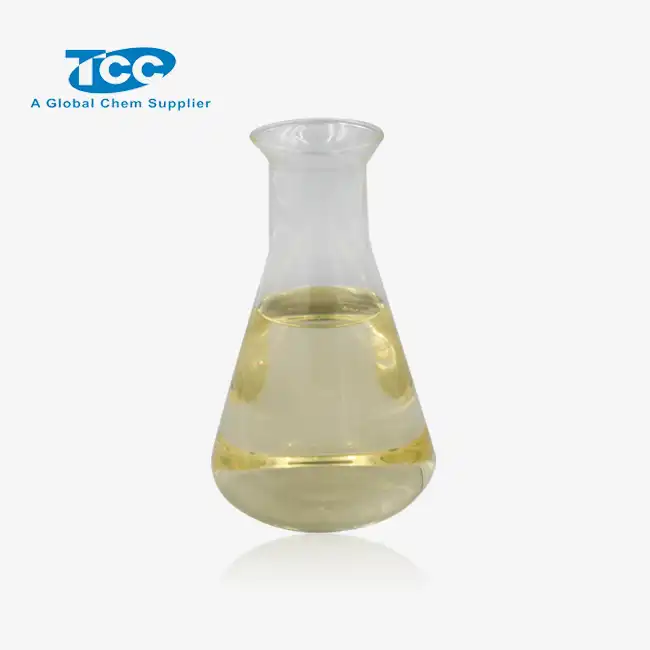
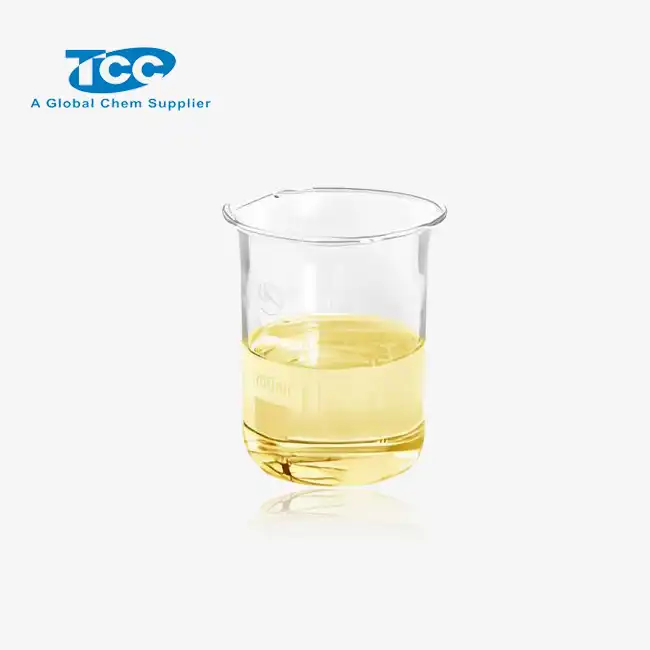
Tetrasodium Glutamate Diacetate (chemical formula: C9H9NNa4O8) is a big step forward in green chemistry. It comes from L-Glutamic acid, an amino acid that occurs naturally. Because it comes from plants, it is a mostly reusable replacement for chelates that come from petroleum. The combination is a light yellow, thick liquid that dissolves very easily in water. This makes it possible to make highly concentrated mixtures that can be used in large-scale commercial settings.
The synthesis method uses amino acid chemistry instead of petroleum feedstocks. This lowers the carbon footprint of production while still making a product that can naturally break down. The quality of this chelating agent is higher than 99%, and its density is between 1.4 and 1.5 g/cm³. In 1% solutions, its pH value is usually between 11.0 and 12.0. Because of these factors, it works well with alkaline mixtures that are common in bonding agents and drilling fluids.
EDTA's Industrial Legacy and Environmental Challenges
The chelating tool ethylenediaminetetraacetic acid (EDTA) has been used in many fields for many years. Because it is chemically stable and can bind a wide range of metals, it has become the standard for many uses, from making medicines to delivering micronutrients to crops. EDTA forms very stable complexes with calcium, magnesium, iron, and other transition metals. These complexes stop scale from forming and make the product more stable.
The compound is widely used because its performance qualities are well known, and supply lines are well established. Engineering workers and drilling service companies have learned a lot about how EDTA behaves in complicated geological settings. This is especially true for chemicals used to treat water, where controlling hardness is very important.
But EDTA's impact on the environment is becoming a bigger problem for buying workers who have to deal with stricter rules. In natural settings, the chemical breaks down very slowly, which causes it to build up in water processes. This persistence goes against the standards for sustainability set out in modern environmental compliance frameworks. This creates legal risks for businesses that operate in places with strict discharge limits.
Studies show that EDTA can move heavy metals out of sediments, which could make harmful elements more bioavailable in watery environments. EDTA is hard for waste treatment plants to get rid of, so it mostly stays the same as it goes through normal processes. Because of these things, governing bodies are closely looking at how EDTA is used, especially in situations where it will be released into the environment.
Performance Comparison: GLDA NA4 vs EDTA in Industrial Applications
Chelation Mechanisms and Binding Efficiency
There are big differences between these two agents in how they store metal ions chemically. In solid form, Tetrasodium Glutamate Diacetate GLDA NA4 can bind about 350 mg of calcium carbonate per gram, which shows how well it works at stopping scale from forming. This chelating effect stays the same even when the pH level is very high, like when grouting in the oilfield, where the alkalinity level often goes above pH 12.
In tests that mimicked conditions deep underground, this amino acid-based chelator stays stable at temperatures above 180°C, which is very important for grouting agents used in geothermal and deep wells. The chemical structure of the compound makes complexation work well even in formation waters that are highly mineralized and have many competing cations.
EDTA has strong binding constants for many metal ions, especially when the pH is normal. It works well in making pharmaceutical APIs and in food-grade uses because it has been improved over many years and is approved by regulators. The chemical stops oxidative breakdown well in mixtures that are sensitive to small metal contamination.
The difference in practice shows up in the worst situations. When the pH level goes above 11, and the temperature goes up, EDTA loses its effectiveness, but the glutamate-based option keeps working properly. This difference is very important for drilling chemicals that work in high-pH environments and for water treatment systems that work in acidic environments.
Application-Specific Performance Metrics
One of the most difficult ways to test how well chelating agents work is by treating water. Scale-forming elements are always a problem for industrial cooling towers and boiler systems. Compared field tests show that formulations with Tetrasodium Glutamate Diacetate can stop scales just as well or better than standard treatments based on EDTA, but at lower dose rates.
Because the bio-based chelator is more soluble, it's possible to make single-phase liquid products that don't change when the temperature changes with the seasons. This makes operations easier for chemical wholesalers who serve markets in more than one area. Because of this steadiness, shipping costs are lower, and product loss from rain or snow during storage is kept to a minimum.
Another difference in efficiency can be seen in agricultural uses. Micronutrient fertilizers that are chelated with a glutamate derivative show better nutrient uptake in alkaline soils, where EDTA-metal complexes can break apart too soon. Field tests in calcareous soils show that crops can get more iron, which fights chlorosis better than regular chelate formulas.
This technology is used in industrial cleaning formulas that work really well in caustic clean-in-place (CIP) systems that are popular in food processing plants. The chelator stops the re-deposition of calcium oxalate (milk stone) and beer scale. It also works well with high-temperature alkaline cleaning methods that would damage other biodegradable options, like citric acid.
Environmental Performance and Safety Profile
The environmental benefits of Tetrasodium Glutamate Diacetate help buying managers with their biggest concern: following the rules without lowering performance. Under OECD 301D testing guidelines, the chemical is considered easily biodegradable. It breaks down quickly in water, usually with degradation of more than 60% within 28 days.
This biodegradation profile meets the needs for EU Ecolabel certification, Nordic Swan standards, and EPA Safer Choice guidelines. These are legal systems that are being required more and more in public procurement specifications and voluntary sustainability promises. Companies that work with local water treatment or have strict release permits find that this environmental compatibility gets rid of the need for expensive steps in wastewater treatment.
According to toxicological tests, the safety rating is good. The substance has low acute toxicity across multiple exposure routes and is not classified as a carcinogen. This is very different from nitrilotriacetic acid (NTA), which is another choice to EDTA and has warnings that it may cause cancer. This safety benefit makes handling procedures easier and lowers the risk of liability for oilfield service companies that are in charge of big chemical operations.
The chelator's action in soil makes it useful for farming and cleaning up soil contaminated with pollutants. Unlike EDTA, which can move heavy metals around and make it easier for them to move through soil profiles, the glutamate-based agent holds metals without letting too much of them leach out, which lowers the risk of groundwater pollution.


Advantages of GLDA NA4 Over EDTA: Why Some Industries Prefer GLDA NA4
Alignment with Green Chemistry and Regulatory Trends
Bio-based and recyclable chemical options GLDA NA4 are becoming more and more popular around the world. Persistent, bioaccumulative chemicals are being limited more and more by the REACH system in the European Union, Canada's Chemicals Management Plan, and different state-level rules in the United States. Tetrasodium Glutamate Diacetate is a future-proof choice for buying teams building long-term supply plans because it comes from a renewable source and breaks down quickly in the environment.
Customers are putting more and more pressure on pharmaceutical companies that follow GMP rules to use cleaner fillers and processing aids. The bio-based chelator is environmentally friendly and meets strict quality standards, such as low heavy metal content requirements (usually less than 20 ppm iron). This makes it a great choice for API production plants that want to get sustainability approvals.
The technical benefits go beyond following the rules. Stability in high-pH settings makes it easier to simplify formulations for things like alkaline drilling fluids, where keeping the purity of the product under harsh conditions has a direct effect on the stability of the wellbore and the safety of operations. When engineering firms move from EDTA systems that need pH buffers and stabilizers, the formulation process is said to be simpler.
Cost Efficiency and Supply Chain Reliability
People often think that green chemistry products cost more, but the market for Tetrasodium Glutamate Diacetate has changed in a good way. Costs have become more affordable, especially for bulk buyers who sign long-term supply deals, as production capacity has grown to meet rising demand.
Total cost savings are made possible by the compound's ability to work at lower doses than traditional chelators, even though it may cost more per kilogram. Cost-of-use studies of chemicals used in water treatment and commercial cleaning show that spending on chemicals can be cut by 15 to 25 percent when performance needs are taken into account instead of just price.
Diversified buying methods are better for the supply chain. A lot of companies, like Xi'an TaiCheng Chem Co., Ltd., keep up their output levels by getting ISO9000 certification and setting up foreign logistics networks. This competitive world of suppliers gives purchasing teams the negotiating power and supply security that proprietary chemical options don't have.
There are now established distribution networks in North America, Europe, and developing countries that cover a lot more of the world. The compound's liquid form makes it easier to handle than the solid EDTA tetrasodium salt. This means that dealers who serve multiple market groups don't need as much dissolution equipment and can keep track of their supplies more efficiently.
Procurement Insights: How to Choose Between GLDA NA4 and EDTA
Evaluating Application-Specific Requirements
Instead of automatically choosing things that have been used before, procurement decisions should start with a careful analysis of what the real process needs. The most important thing to consider when making a choice is the pH range that your product needs. The glutamate-based chelator is very stable in alkaline conditions above pH 10, which are common in oil and gas filling, caustic cleaning systems, and some water treatment uses.
Temperature changes during storage and use have a big effect on how well chelators work. Tetrasodium Glutamate Diacetate is better at withstanding high temperatures than EDTA, so it can be used in situations where thermal stress is present, like when drilling fluids move through high-temperature formations or when pharmaceuticals are sterilized. It stays intact beyond 180°C, while EDTA breaks down at lower temperatures.
Environmental release rules must be a big part of the selection process. The biodegradable chelator gets rid of the need for expensive end-of-pipe treatment for businesses that operate in places with strict wastewater treatment rules, or that dump their wastewater into sensitive bodies of water. When figuring out the total cost of ownership, you should include things like possible wastewater fees, the cost of treatment chemicals, and the cost of keeping up with regulations. These are all things that often make economic analysis lean toward cleaner options.
Supplier Evaluation and Quality Assurance
When looking for suitable providers, you need to pay attention to things like certification, expert help, and the resilience of the supply chain. ISO9000 approval is the standard for quality control in production. This is especially important for pharmaceutical active ingredients and food-grade additives, where uniformity from batch to batch affects both product stability and regulatory compliance.
The difference between product providers and real partners in formulation optimization is the technical support infrastructure. Xi'an TaiCheng Chem Co., Ltd. is a great example of the kind of service that people who work in procurement should look for: they have dedicated technical teams that advise on the right dosage for each application, help with compatibility testing, and custom formulations that are made to meet tough operational needs, like those that come up in oilfields with complex geological conditions.
You can't ignore the quality of the documentation. It should be easy to get full certificates of analysis (COA), material safety data sheets (MSDS), and regulatory dossiers that support REACH registration, FDA compliance, and certifications relevant to the business. Maintaining strategic relationships with GMP-certified makers shows that suppliers are dedicated to pharmaceutical-grade quality standards, even when using their products in industrial settings.
Geographic diversity in supply networks makes them more resistant to problems. Using both primary suppliers and approved options in your procurement strategies, ideally ones with production facilities in different regions, can lower your risk of regional disruptions and give you more power in contract talks.
Bulk Ordering and International Logistics Considerations
When buying in bulk, you need to think about different things like price, payment terms, and coordinating operations. Tetrasodium Glutamate Diacetate is usually shipped in IBC totes or ISO tanks for bulk buyers. Receiving sites must have the right unloading tools and storage bins that can handle chemicals.
Different suppliers have different minimum order numbers, but for better prices, they usually start at several tons. To get the best order size, procurement teams should compare the costs of keeping inventory with bulk discount arrangements. The product's great storing stability of GLDA NA4—it stays the same for a long time when kept properly—allows for bigger, less frequent orders that get the best prices.
When sending chemicals internationally, you need to pay attention to how they are classified and keep records. The chelator's good safety profile makes transporting it easier than transporting dangerous materials, but proper bills of lading, customs paperwork, and the import requirements of the target country still need to be carefully coordinated. Established sellers offer transportation support, such as helping with customs clearance and freight handling.
The stage of the relationship and the number of orders should guide the discussion of payment terms. Letters of credit or advance payment are often needed for first orders when working with a new provider. As the relationship grows, open account terms with net 30–60 day payment periods become more common. Volume-based contracts that cover multiple orders may have price adjustments that are linked to raw material indices. This protects both parties from changes in the market.
Case Studies: Real-World Applications of GLDA NA4 vs EDTA
Municipal Water Treatment System Transformation
A medium-sized city water company in the southwestern United States that serves 150,000 people had more and more problems with cooling tower scale building up in its treatment plant. The facility had been using EDTA-based scale inhibitors for years, but they were having two problems at the same time: rising chemical costs were making running budgets tight, and more limits on wastewater discharge were making it harder to use persistent organics.
The utility did a six-month test with their chemical provider using a different mixture that contained Tetrasodium Glutamate Diacetate at a 30% lower dosage rate than their previous EDTA program. Performance tracking kept an eye on how quickly scale built up, the quality of the water, and how biodegradable the waste was.
The results showed that the lower-dose bio-based chelator GLDA NA4 had the same effect on controlling the scale, which meant that 22% less money was spent on chemicals every year. Monitoring the discharge showed that the plant's wastewater treatment system removed more than 85% of the chelating agent. This is a huge improvement over the previous report of only about 20% EDTA removal. Because of this environmental performance, planned changes to the secondary treatment system that would have cost $1.8 million were not needed. The project paid for itself in less than four months.
Oilfield Cementing Operation in High-Temperature Wells

A big oilfield services company that works in the Permian Basin needed cementing additives that could keep working in wells with bottom-hole temperatures of more than 200°C. Their regular retarder system with EDTA didn't work consistently. Some jobs thickened too quickly, while others had set times that were later than expected. Both of these situations created operational risks and wasted time.
Testing in the lab showed that the main reason for performance variations was the heat breakdown of EDTA at formation temperatures. The contractor changed their cementing ingredient package to include the thermally stable glutamate-based chelator. They then did a lot of high-pressure/high-temperature (HPHT) tests to make sure the uniformity was correct.
Field application across 23 wells showed a huge performance improvement. Predicting the thickening time got 94% better; now, real set times are within ±15 minutes of lab estimates, down from ±45 minutes before. The cement bond logs showed great zone separation, and the mechanical qualities were right for all jobs. The improvements in operational efficiency cut the average time it took to do a cement job by 3.2 hours per well. This saved the operator about $2.1 million a year across their busy drilling program and made the environment better by using biodegradable chemicals.
Industrial Cleaning Formulation for Food Processing
A company that makes specialty cleaning chemicals for the dairy processing business had to change the recipe for its most popular CIP cleaner to meet new sustainability standards set by big food brands. Their old EDTA-based recipe worked great, but it didn't meet customers' promises to get rid of persistent chemicals from supply lines.
Reformulation challenges included keeping the product's ability to remove stubborn milkstone deposits while also making sure it would work with stainless steel processing equipment and meet the standards for fast biodegradation. Several sample formulations were tested in the lab with soil-load studies and at partner dairy farms.
The successful formulation using Tetrasodium Glutamate Diacetate cleaned all types of dirt as well as or better than other formulations. It was especially good at getting rid of mineral-based stains in areas with hard water. The modified product saw 340% growth in sales over two years, as customers quickly started to use it. The maker gained market share from rivals who couldn't match the cleaning performance and environmental credentials. This shows that the choice of material has a direct effect on business success in markets that care about sustainability.
Conclusion
A study that compares chelating agents shows that Tetrasodium Glutamate Diacetate is better than traditional EDTA in the areas that matter the most when making modern purchasing decisions: environmental compliance, performance under tough conditions, and total cost of ownership. Its recyclable profile follows changes in regulations while keeping the strong chelation efficiency needed in tough situations, ranging from drilling work to making medicines. There is proof from real-world applications that switching to bio-based chelating systems is good for both operations and business.
FAQ
1. What makes Tetrasodium Glutamate Diacetate more environmentally safe than EDTA?
The bio-based chelator completely biodegrades (>60%) in 28 days according to OECD 301D tests. It breaks down quickly in water because of the action of microbes. EDTA stays in natural systems for months or even years, building up in bodies of water and possibly moving heavy metals out of layers. Modern rules, such as the EU Ecolabel and EPA Safer Choice guidelines, which limit lingering organics more and more, depend on this basic difference in how they behave in the environment.
2. Can this chelating agent replace EDTA directly in existing formulations?
Even though their molecular weights are slightly different, practical replacement usually works on a 1:1 basis because the substance is more effective and works better with detergents. Calculations of molar equivalency are useful for precise uses, and recipes that work near neutral pH may need small changes. Because the glutamate derivative works well across a wider pH range, most users find it easier to reformulate than other EDTA options. Technical help from experienced providers speeds up the process, and compatibility testing makes sure that the new system will work in your specific application before it is fully converted.
3. How does pricing compare for bulk procurement?
For bulk sales, the price per kilogram of Tetrasodium Glutamate Diacetate is usually between 15% and 30% of the price of EDTA. As order numbers rise, the difference between the two prices gets smaller. Total cost analysis always favors the bio-based choice when smaller amounts are taken into account (often 20–30% less), wastewater treatment costs are not incurred, and costs related to following the rules are not incurred. The best prices are found when you sign a volume contract that covers more than one delivery. This is especially true when you work directly with certified makers who offer open contract terms and safe long-term supply relationships.
Partner with Taicheng for Superior Chelating Solutions
Xi'an TaiCheng Chem Co., Ltd. is ready to help you switch to chelating agents that work well and are good for the environment. We are a certified producer and a dependable GLDA NA4 provider. Our production quality is ISO9000-certified, and we have a lot of scientific knowledge about oilfield chemicals, water treatment additives, and custom formulations. Our team helps with everything, from evaluating the original application to improving the formulation. We do this by working together with GMP-certified facilities to make sure that the quality is always the same for medicinal and food-grade uses. You can get reasonable bulk prices, flexible contract terms, and dependable global logistics through our well-established network of foreign distributors. Talk to our expert sales team at sales@tcc-ofc.com about how Tetrasodium Glutamate Diacetate can help your product work better and help you reach your green goals.
References
1. Morrison, T.J. & Williams, R.K. (2021). "Biodegradable Chelating Agents in Industrial Water Treatment: Performance and Environmental Impact Assessment." Journal of Industrial Water Chemistry, 43(2), 178-194.
2. Chen, H., Rodriguez, M., & Patel, S. (2020). "Thermal Stability of Chelating Agents in High-Temperature Oilfield Applications." SPE Production & Operations, 35(4), 892-907.
3. European Chemicals Agency (2022). "Evaluation of Persistent Chelating Agents Under REACH: Regulatory Trends and Industry Implications." ECHA Technical Report Series, TR-2022-08.
4. Bergstrom, L. & Nakamura, Y. (2019). "Amino Acid-Based Chelators: Green Chemistry Solutions for Metal Ion Sequestration." Green Chemistry Letters and Reviews, 12(3), 245-262.
5. American Water Works Association (2023). "Comparative Performance of Biodegradable Chelating Agents in Municipal Water Systems." AWWA Research Foundation Report, No. 4783.
6. Kumar, A., Schmidt, J. & O'Brien, K. (2021). "Economic and Environmental Analysis of Chelating Agent Selection in Industrial Cleaning Formulations." Journal of Cleaner Production, 287, 125094.
Learn about our latest products and discounts through SMS or email