- English
- French
- German
- Portuguese
- Spanish
- Russian
- Japanese
- Korean
- Arabic
- Greek
- German
- Turkish
- Italian
- Danish
- Romanian
- Indonesian
- Czech
- Afrikaans
- Swedish
- Polish
- Basque
- Catalan
- Esperanto
- Hindi
- Lao
- Albanian
- Amharic
- Armenian
- Azerbaijani
- Belarusian
- Bengali
- Bosnian
- Bulgarian
- Cebuano
- Chichewa
- Corsican
- Croatian
- Dutch
- Estonian
- Filipino
- Finnish
- Frisian
- Galician
- Georgian
- Gujarati
- Haitian
- Hausa
- Hawaiian
- Hebrew
- Hmong
- Hungarian
- Icelandic
- Igbo
- Javanese
- Kannada
- Kazakh
- Khmer
- Kurdish
- Kyrgyz
- Latin
- Latvian
- Lithuanian
- Luxembou..
- Macedonian
- Malagasy
- Malay
- Malayalam
- Maltese
- Maori
- Marathi
- Mongolian
- Burmese
- Nepali
- Norwegian
- Pashto
- Persian
- Punjabi
- Serbian
- Sesotho
- Sinhala
- Slovak
- Slovenian
- Somali
- Samoan
- Scots Gaelic
- Shona
- Sindhi
- Sundanese
- Swahili
- Tajik
- Tamil
- Telugu
- Thai
- Ukrainian
- Urdu
- Uzbek
- Vietnamese
- Welsh
- Xhosa
- Yiddish
- Yoruba
- Zulu
Antifoam AF2085S Supplier Guide: What Should Buyers Know?
The importance of finding the proper provider of industrial foam control chemicals cannot be overemphasised. Antifoam AF2085S is a silicone-based defoaming powder specifically formulated to help you address challenging foam problems in oilfield operations, detergent production and water treatment systems. This buyer’s handbook outlines key technical standards, supplier assessment matrices and strategic buying considerations that procurement managers need to follow to ensure operational efficiency and long-term cost management in challenging industrial situations.
Understanding Antifoam AF2085S: Key Features and Benefits
What Makes This Defoaming Agent Unique?
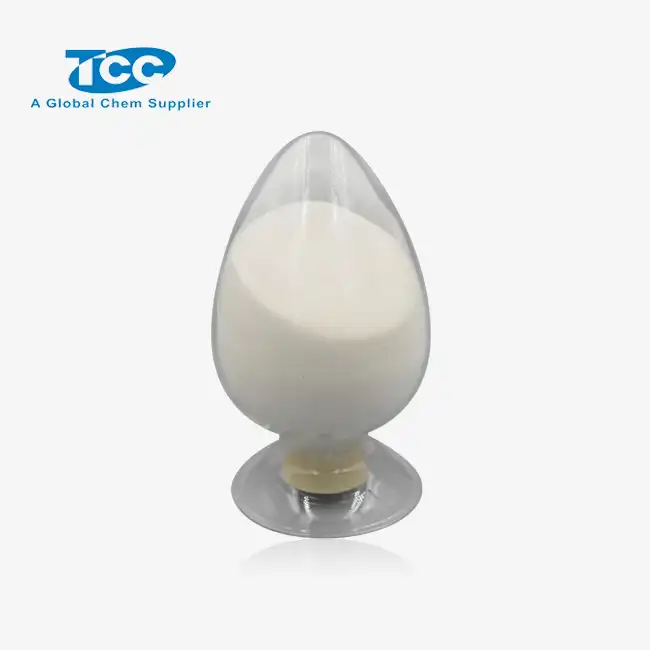
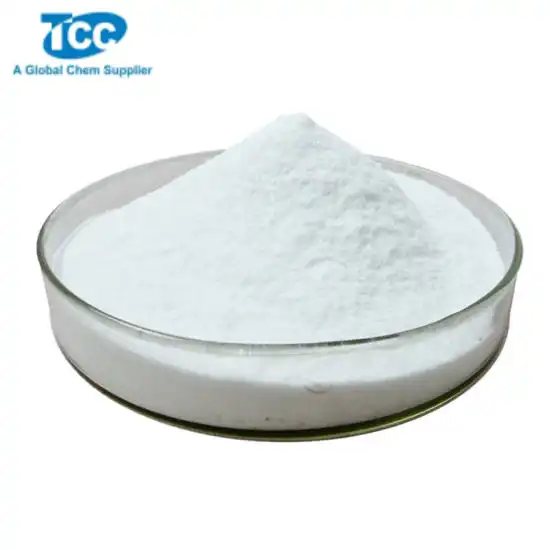
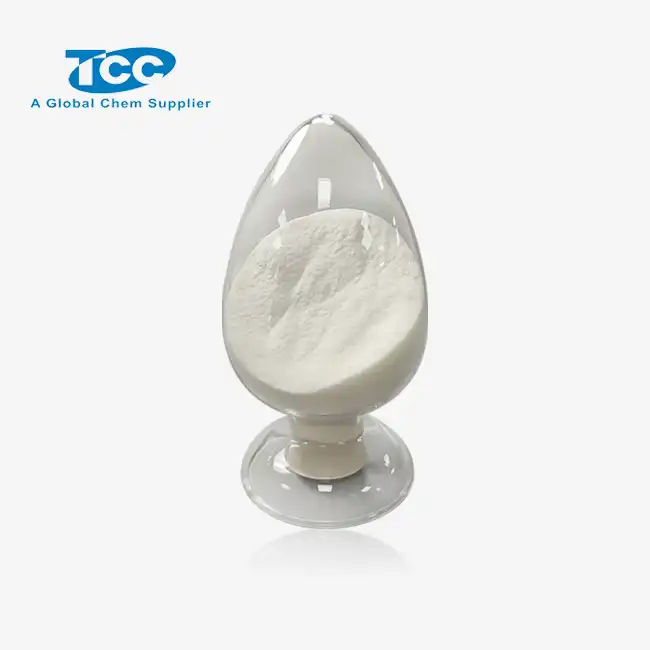
Antifoam AF2085S is a series of powdered defoaming additives based on dimethyl silicone oil and a number of synergistic carriers. This white powder form, unlike liquid foam suppressants, offers consistent performance over a wide range of water phase systems where traditional emulsions fail. The chemical delivers excellent anti-foaming performance at low concentrations, usually dosed at 0.01% to 0.1% system volume.
Core Technical Advantages
The chemical makeup allows it to disperse quickly in water, unlike oil-based alternatives that cause surface flaws and residue. We have seen that its industrial importance is marked by three features. Strong foam inhibition capability enables operations to run at maximum vessel capacity without pauses in output. The rapid dispersibility in water reduces pre-mixing restrictions that impede field applications. Low dosage needs mean lower costs in chemical use per production cycle, which is especially important in the case of treatment of large-volume systems in cementing operations or textile processing lines.
These technological features target directly pain areas our customers experience: equipment overflow during aeration operations, pump cavitation produced by unstable foam layers, and decreased effective working capacities in mixing tanks. Powder format has storage benefits vs. liquid concentrates, with normal shelf life extending out beyond 24 months (when kept in sealed settings away from moisture).
Application Performance Across Industries
This defoaming powder is mostly used by oil and gas firms in cementing additives, since foam entrapment affects concrete integrity. Air entrapped in cement slurry during preparation causes voids that lower structural strength and increase permeability. This antifoam ingredient is used at concentrations of 0.05% to 0.2% and reduces bubble formation during high shear mixing. The result is denser and more durable cement columns for wellbore applications.
Detergent makers use the ingredient in washing powder formulas to limit froth both during packing and by the customer. Excess suds in an industrial washing system diminish cleaning effectiveness and prolong rinse cycles. Compatible with anionic and non-ionic surfactant systems, the powder is an invaluable resource for formulation scientists who must balance cleaning performance with foam control.
Water treatment plants using biological reactors during aeration operations experience foam problems. Wastewater proteinaceous elements form stable foam layers that overflow clarifiers and disturb dissolved oxygen transport. This silicone-based chemical reduces surface tension without adversely affecting beneficial bacterial populations, keeping biological treatment efficiencies intact while avoiding operational upsets associated with foam.
Comparing Antifoam AF2085S with Market Alternatives
Performance Benchmarking
When considering defoaming solutions, procurement teams tend to evaluate Antifoam AF2085S silicone-based powders to polyether-modified emulsions and mineral oil formulations. Polyether alternatives take 30-60 seconds to fully deflate; however, silicone compounds provide the best knockdown speed, collapsing existing foam and typically reaching full deflation in 10 seconds. However, polyether versions exhibit improved biodegradability profiles, which is relevant for applications with strict environmental discharge criteria.
Mineral oil-based defoamers are cost-competitive at bulk purchase prices but lack the thermal stability required for high-temperature procedures. We have shown that dimethyl silicone-based formulations are effective at temperatures over 90°C and so are suited for jet dyeing processes and steam-intensive chemical manufacture when less expensive alternatives deteriorate or separate.
Cost-Effectiveness Analysis
The pricing structure of antifoam categories is quite different. Mineral oil products are priced from $1.20 to $2.50 per kilogram for bulk quantities, polyether emulsions generally cost from $2.80 to $4.50 per kilogram, and silicone-based powders such as this product are priced between $4.00 and $6.50 per kilogram depending on the purity grade and the supplier location. The greater unit cost is justified in terms of effective treatment costs on the basis of the needed dose rates.
If a textile dyeing plant processes 10,000 litres per day, then the cost to treat one batch may be $1.00, using 200 grams of this silicone powder at $5.00 per kilogram. But at three times the dose, an identical foam control in a polyether emulsion would cost $2.40 a batch at the reduced unit price. The dosing efficiency of silicone-based compounds throughout the yearly production cycles results in large savings that compensate for the initial price increase.
Real-World Performance Feedback
This antifoam powder is the preferred choice of chemical distributors to pharmaceutical firms for fermentation applications where cell viability cannot be affected and has shown to beat the competition. The biological inertness of dimethyl silicone ensures no toxicity to yeast and bacterial cultures, maintaining metabolic productivity throughout antibiotic or enzyme manufacturing cycles. Fatty acid derivatives used by competitors may sometimes cause cell membrane rupture, decreasing fermentation yields and product quality.
How to Choose and Procure Antifoam AF2085S: A B2B Buyer's Checklist
Defining Your Procurement Requirements
Successful sourcing starts with measuring real usage, not theoretical demands. Estimate the monthly consumption based on average batch volume, frequency of treatment, and appropriate dose concentration as established in the bench-scale studies. A cementing contractor cements 150 wells a month at 5 cubic meters a well with 0.1% dose and needs 75 kilograms a month. The company would want to buy 500 kilograms initially to lock in cost benefits but also to keep a six-month inventory cushion.
Minimum order quantities (MOQ) vary from supplier to supplier, often ranging from 500 kilograms to 2,000 kilograms for direct orders from the manufacturer. Distributors may provide smaller lot sizes at a premium price, often as low as 100 kg, that makes sense for trial studies or limited volume speciality applications. Packaging possibilities include 25-kilogram bags and 50-kilogram drums. The bags provide superior handling ease for manual dispensing, while drums are suitable for automated dosing systems.
Essential Supplier Credentials
Checking manufacturer certificates ensures that poor materials are not used that might degrade process performance. Look for vendors who have ISO 9001 quality management accreditation, which means they have rigorous quality control procedures. Chemical makers supplying the pharmaceutical or food sectors should give proof of a GMP-aligned production environment, even when creating industrial-grade products. GMP standards maintain batch-to-batch uniformity.
Request Certificates of Analysis (COA) on active content %, moisture content, particle size distribution, and pH levels. Good suppliers will provide these with every shipment and will have documented traceability from COA data to manufacturing lots. Material Safety Data Sheets (MSDS) for U.S. operations must meet OSHA guidelines, including measures for safe handling, emergency procedures, and disposal requirements.
Logistics capabilities differentiate trusted partners from opportunistic suppliers. Ensure the supplier has enough inventory to support recurring purchases without long wait times. Shipping knowledge is especially important when dealing with overseas sourcing. Suppliers skilled with customs paperwork, hazardous goods classification, and the intricacies of container shipping may help minimise issues with delivery. We've seen that most chemical suppliers deliver within a 2-3 week timeframe for overseas orders and a 5-7 day window for local fulfilment.
Negotiation Strategies for Bulk Purchases
Volume commitments for Antifoam AF2085S provide price flexibility that enhances the overall purchase economics. The suppliers often have tiered pricing, where the price per kilogram decreases at levels of yearly commitment of 1,000 kilograms, 5,000 kilograms and 10,000 kilograms. This is done by negotiation of yearly supply contracts with quarterly delivery schedules balancing inventory holding costs and price optimisation and assuring continuity of supply.
Order in bulk only after requesting sample amounts. Most vendors will send samples of 1-5 kg for a little fee so you may validate on your own in your real working circumstances. This method also helps to identify any possible incompatibilities with existing process chemicals or equipment that may not be apparent from reviewing the application data given by the supplier.
Payment periods affect the overall procurement expenses beyond the unit price. The norm is anywhere from a 30% deposit with the rest payable before shipping, to net-30 or net-60 payment arrangements for regular clients. Letters of Credit are typically used in international transactions, adding their banks' costs while offering protection to both sides when developing new supplier partnerships.
Supplier Insights: Trusted Sources and OEM Opportunities
Identifying Verified Manufacturers
China dominates global production of silicone-based antifoam agents, with manufacturing concentrated in chemical industry zones offering cost-competitive production while maintaining quality standards. Xi'an Taicheng Chemical exemplifies this manufacturing capability, producing antifoam additives through controlled synthesis processes that ensure consistent product specifications across production runs.
When evaluating Chinese manufacturers, verify business licensing through official registration databases and confirm export authorization for chemical products. Established suppliers maintain English-language technical support teams capable of discussing application requirements, troubleshooting performance issues, and providing formulation guidance tailored to specific industrial processes.
European and North American distributors serve as alternative sourcing channels offering local inventory, faster delivery, and simplified procurement for buyers prioritizing supply chain proximity over price optimization. These distributors typically source from Asian manufacturers while providing value-added services including custom packaging, blended formulations, and technical consultation.
OEM and Customization Possibilities
Large-volume buyers often benefit from customized formulations adjusted for specific application parameters. Suppliers with R&D capabilities can modify carrier systems, adjust particle size distributions, or incorporate additional functional additives addressing unique foam characteristics in specialized industrial processes. Minimum development quantities typically start at 5,000 kilograms, making customization viable for ongoing high-volume consumption patterns.
Private labeling arrangements allow distributors and formulators to market defoaming products under proprietary brands. Manufacturers providing OEM services handle production, quality control, and packaging according to customer specifications while the buyer controls marketing and customer relationships. This arrangement works particularly well for chemical distributors serving regional markets or niche industrial segments.
After-Sales Support Considerations
Technical assistance availability distinguishes superior suppliers from commodity vendors. We've found that manufacturers offering application engineering support help optimize dosage rates, troubleshoot unexpected foam behavior, and recommend complementary products for complex chemical systems. This guidance reduces trial-and-error experimentation that wastes material and production time.
Documentation support matters particularly for regulated industries. Suppliers should provide batch-specific COA documents, MSDS sheets updated to current regulatory standards, and regulatory compliance letters confirming product suitability for intended applications. Some buyers require additional documentation including allergen declarations, GMO statements, or environmental impact assessments depending on end-use requirements.
Ensuring Safety and Compliance in Your Antifoam AF2085S Purchase
Understanding MSDS Components
Material Safety Data Sheets include vital information that guides safe handling, storage, and emergency response methods. The composition section lists dimethyl silicone oil as the principal active ingredient and generally makes up 30 to 50 percent of the powder formulation. The balance is inert carriers and dispersion aids. Silicone compounds are of low acute toxicity. Good handling techniques should be used to limit exposure to dust during transport of material and addition to process systems.
Storage: In a cold, dry place, away from oxidising agents and sources of moisture. Sealed containers prevent water uptake, which may have adverse effects on powder flowability and dispersion properties. The substance is of moderate flammability risk, but at high concentrations it produces flammable dust clouds, which requires proper ventilation and explosion-proof equipment in manufacturing areas where significant volumes are handled.
Regulatory Compliance Landscape
Different industrial uses are subject to different regulatory scrutiny. Antifoam chemicals used in oilfield cementing operations must fulfil API (American Petroleum Institute) criteria when appropriate to ensure compatibility with the cement chemistry and wellbore conditions. Defoamers for use in detergents are regulated as consumer products when used in home cleaning formulations. These laws include requirements for toxicological evaluation and component disclosure.

Water treatment applications discharging to municipal systems or natural waterways are subject to environmental requirements for aquatic toxicity and biodegradability. Silicone-based antifoam products have minimal aquatic toxicity. Some jurisdictions limit the concentration of discharge or demand biodegradability evidence showing environmental degradation over specific time limits.
Pre-Purchase Validation Testing
Testing for compatibility helps avoid expensive process failures when large quantities have already been purchased. Bench-scale testing should mimic real operating conditions, including temperature, pH, shear pressures, and the presence of additional chemical additives. Add defoaming powder at the recommended dose rates and evaluate the efficacy of foam suppression, stability over long time frames, and lack of unwanted side effects such as surface defects or chemical interactions.
Protocol validation not only addresses foam management, but also determines if the antifoam agent impacts downstream operations. Testing of cured samples for compressive strength, permeability, and setting time is necessary for cement applications to ensure that the addition does not damage the structural qualities. The defoamer must not discolour fabrics or interfere with dye absorption in textile applications.
Conclusion
Successful procurement of Antifoam AF2085S defoaming additives must combine technical performance needs with supplier dependability and overall cost concerns. This silicone powder provides good foam control in oilfield cementing, detergent manufacture, and water treatment applications where uniform quality and operational reliability are desired. Buyers should fully assess their suppliers (including certification verification and reference checks) and validate testing under real operating settings for best results before expanding to production numbers. The investment in the right supplier selection and product validation will pay off in fewer interruptions to processes, optimised chemical costs, and long-term relationship stability that can accommodate changing operational demands.
FAQ
1. Which industries commonly use this defoaming powder?
Oil and gas operations represent the largest application segment, particularly in cementing additives for wellbore construction. Detergent manufacturers incorporate it into washing powder formulations for foam control during packaging and end-use. Water treatment facilities use it extensively in biological reactors and clarification processes. Textile dyeing, chemical manufacturing, and pharmaceutical fermentation operations also rely on silicone-based defoamers for process efficiency.
2. How does it compare with liquid antifoam emulsions?
Powder formulations offer storage advantages with extended shelf life and easier handling compared to liquid concentrates requiring refrigeration or frequent mixing. The solid format eliminates concerns about phase separation during storage. However, liquids disperse faster in some high-shear applications. Selection depends on specific process equipment, storage capabilities, and dosing systems available at your facility.
3. What factors affect bulk pricing?
Annual commitment volumes drive primary pricing tiers, with significant discounts at 5,000-kilogram and 10,000-kilogram thresholds. Packaging preferences impact costs—bulk bags cost less per kilogram than smaller units. Shipping distance and freight mode affect delivered pricing. Payment terms also influence final costs, with longer payment windows sometimes carrying premium charges compared to prepayment discounts.
Partner with Taicheng for Reliable Antifoam AF2085S Supply
Xi'an Taicheng Chemical maintains strategic manufacturing partnerships delivering consistent-quality Antifoam AF2085S defoaming additives tailored to demanding oilfield and industrial applications. Our technical team provides application-specific guidance optimizing dosage rates and integration procedures for cement additives, drilling fluids, and water treatment systems. We supply this silicone-based antifoam powder with complete documentation including COA certificates, MSDS sheets, and compliance letters supporting your quality assurance requirements. Whether you need small trial quantities or ongoing bulk supply with scheduled deliveries, our flexible procurement options accommodate diverse operational scales. Contact our sales team at sales@tcc-ofc.com to discuss your defoaming challenges, request product samples, or obtain customized quotations.
References
1. Smith, J.R., & Anderson, K.L. (2021). Industrial Defoaming Agents: Chemistry and Applications. Chemical Engineering Press.
2. Martinez, P.D. (2020). "Silicone-Based Foam Control in Oilfield Operations," Journal of Petroleum Technology, 72(4), 45-58.
3. Thompson, R.W., & Chen, H. (2022). Cement Additives for Enhanced Wellbore Integrity. Society of Petroleum Engineers Monograph Series.
4. Wilson, M.E. (2019). "Comparative Performance of Antifoam Agents in Industrial Water Treatment," Water Environment Research, 91(8), 712-723.
5. Davis, L.K., & Roberts, T.F. (2023). Chemical Procurement Best Practices for Industrial Buyers. Supply Chain Management Institute.
6. Zhang, Y., & Liu, X. (2021). "Defoamer Selection Criteria for Textile Processing Applications," Textile Research Journal, 91(15-16), 1876-1889.
Learn about our latest products and discounts through SMS or email