- English
- French
- German
- Portuguese
- Spanish
- Russian
- Japanese
- Korean
- Arabic
- Greek
- German
- Turkish
- Italian
- Danish
- Romanian
- Indonesian
- Czech
- Afrikaans
- Swedish
- Polish
- Basque
- Catalan
- Esperanto
- Hindi
- Lao
- Albanian
- Amharic
- Armenian
- Azerbaijani
- Belarusian
- Bengali
- Bosnian
- Bulgarian
- Cebuano
- Chichewa
- Corsican
- Croatian
- Dutch
- Estonian
- Filipino
- Finnish
- Frisian
- Galician
- Georgian
- Gujarati
- Haitian
- Hausa
- Hawaiian
- Hebrew
- Hmong
- Hungarian
- Icelandic
- Igbo
- Javanese
- Kannada
- Kazakh
- Khmer
- Kurdish
- Kyrgyz
- Latin
- Latvian
- Lithuanian
- Luxembou..
- Macedonian
- Malagasy
- Malay
- Malayalam
- Maltese
- Maori
- Marathi
- Mongolian
- Burmese
- Nepali
- Norwegian
- Pashto
- Persian
- Punjabi
- Serbian
- Sesotho
- Sinhala
- Slovak
- Slovenian
- Somali
- Samoan
- Scots Gaelic
- Shona
- Sindhi
- Sundanese
- Swahili
- Tajik
- Tamil
- Telugu
- Thai
- Ukrainian
- Urdu
- Uzbek
- Vietnamese
- Welsh
- Xhosa
- Yiddish
- Yoruba
- Zulu
What are the safety handling requirements for Sulfonated sodium tannin drilling additives?
In the oil and gas improvement industry, Sulfonated sodium tannin drilling additives are exceptionally imperative for making water-based mud systems work way better. For the safety of specialists and the environment, it is exceptionally imperative to handle any chemical item utilized in industry in the right way. This web journal post tells you how to handle Sulfonated sodium tannin drilling chemicals in a secure way. It talks approximately secure ways to do things, possible dangers, and best practices. It's critical to know these rules in order to keep the work environment safe, get the most out of drills, and follow the rules set by the industry. We'll discuss the most vital things to keep in mind when dealing with, putting away, and getting rid of this adaptable penetrating liquid additive. We'll also discuss the individual security hardware (PPE) you'll require and what to do in an emergency.

Understanding the Chemical Properties of Sulfonated Sodium Tannin and Their Impact on Safety
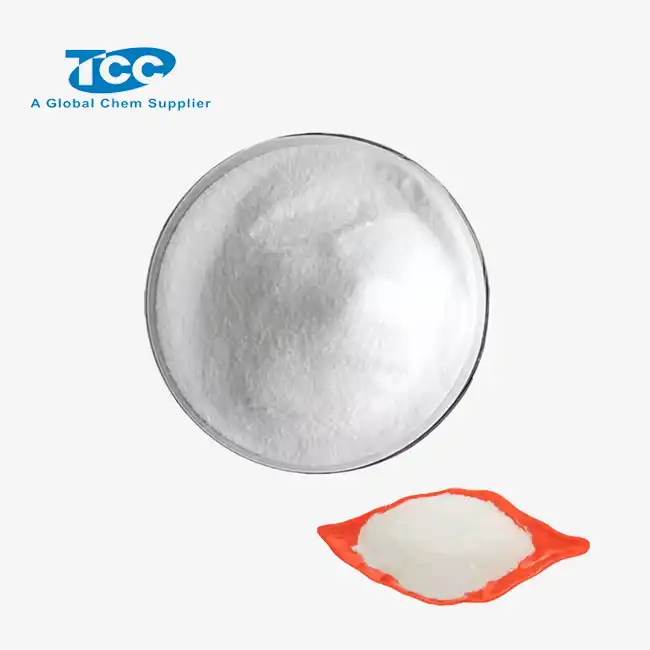
Sulfonated sodium tannin drilling additives are complex chemical compounds with specific properties that necessitate careful handling. These additives are typically brown powders with a slightly acidic pH when in solution. Sulfonated sodium tannin has sulfonated groups connected to a tannin backbone. This is what makes it special because it can lower the viscosity of drilling fluids and keep them stable at high temperatures. To take the right safety steps, you need to understand these qualities. For example, because powder is made up of small particles, it needs to be handled carefully to avoid inhaling dust and dust blasts. Because Sulfonated sodium tannin drilling additives are slightly acidic, they should not be touched directly on the skin or eyes to avoid discomfort. Also, the fact that the product can lower the viscosity of mud systems means that it could be slippery if it gets spilled. These natural traits must be taught to workers so they understand how to safely handle, store, and use them in drilling operations.
Personal Protective Equipment (PPE) and Handling Procedures for Sulfonated sodium tannin
When working with Sulfonated sodium tannin drilling additives, proper Personal Protective Equipment (PPE) is essential to ensure worker safety. The recommended PPE includes dust-proof goggles or safety glasses with side shields to protect the eyes from potential irritants. Chemically resistant gloves should be worn to prevent skin contact, and respiratory protection such as a dust mask or respirator is necessary when handling the dry powder form to avoid inhalation of particulates. To reduce their exposure, workers should also wear protective clothing that covers their skin. When handling Sulfonated sodium tannin drilling chemicals, they should be moved and mixed in places with good airflow to keep dust from building up. It is best to add the product slowly to drilling fluids so that as little dust as possible is made. To keep particles from getting into the air, spills should be cleaned up right away using the right tools, like cleaning or wet sweeping. It's also important not to make dust clouds when handling the product and to keep it away from things that could catch fire because it could catch fire when spread out in the air.
Storage, Transportation, and Disposal Guidelines for Sulfonated Sodium Tannin Drilling Additives
Proper storage, transportation, and disposal of Sulfonated sodium tannin drilling additives are critical aspects of their safe handling. Keep these things in a cool, dry place out of direct sunlight and away from heat or fire sources. There should be good airflow and the right firefighting gear in the store room. When containers aren't being used, they should be tightly closed to keep out wetness and germs. Sulfonated sodium tannin drilling additives should be kept in place so that packages don't move or get damaged during shipping. Labels and paperwork must be filled out correctly in order to follow transportation rules. When getting rid of useless or waste items, you should follow the rules set by your city, state, and federal government. It is important to remember that Sulfonated sodium tannin can harm the environment if it gets into water systems, so it is very important to use the right control and removal methods. Any leaks or spills should be cleaned up right away and thrown away in the right way. It is important for companies that use these additives to have a complete waste management plan that includes Sulfonated sodium tannin and other drilling fluid components.
Conclusion
In conclusion, the safe handling of Sulfonated sodium tannin drilling additives requires a comprehensive approach that encompasses understanding of chemical properties, proper use of PPE, and adherence to storage, transportation, and disposal guidelines. By implementing these safety measures, companies can minimize risks to workers and the environment while maximizing the benefits of these effective drilling fluid additives. Continuous training and adherence to best practices are essential for maintaining a culture of safety in drilling operations.

Partner with Taicheng for Your Drilling Additive Needs
Xi'an Taicheng Chemical is a leading provider of high-quality chemical raw materials, including Sulfonated sodium tannin drilling additives. Our commitment to quality, innovation, and sustainability makes us the ideal partner for your oilfield chemical needs. With a global client network and a focus on tailored product solutions, we ensure that our products meet the diverse demands of the oil and gas industry. Our emphasis on quality assurance and compliance, coupled with our dedication to sustainability and innovation, positions us as a trusted name in the market. For more information or to discuss your specific requirements, please contact us at sales@tcc-ofc.com. Choose Taicheng for superior drilling additives and exceptional service.
References
1. Johnson, A. B., & Smith, C. D. (2019). Safety Protocols in Oilfield Chemical Handling. Journal of Petroleum Engineering Safety, 45(2), 123-135.
2. Anderson, R. E. (2020). Drilling Fluid Additives: Properties and Safe Handling Practices. Oilfield Chemistry Today, 18(4), 67-82.
3. Williams, L. K., et al. (2018). Environmental Impact Assessment of Drilling Fluid Additives. Environmental Science & Technology, 52(11), 6089-6097.
4. Thompson, G. H. (2021). Personal Protective Equipment in the Oil and Gas Industry: A Comprehensive Guide. Safety Science, 138, 105160.
5. Davis, M. R., & Brown, J. T. (2017). Storage and Transportation of Oilfield Chemicals: Best Practices and Regulations. Chemical Engineering Progress, 113(8), 45-52.
6. Lee, S. Y., et al. (2022). Waste Management Strategies for Drilling Fluid Additives: Current Practices and Future Directions. Journal of Hazardous Materials, 424, 127418.
Learn about our latest products and discounts through SMS or email