- English
- French
- German
- Portuguese
- Spanish
- Russian
- Japanese
- Korean
- Arabic
- Greek
- German
- Turkish
- Italian
- Danish
- Romanian
- Indonesian
- Czech
- Afrikaans
- Swedish
- Polish
- Basque
- Catalan
- Esperanto
- Hindi
- Lao
- Albanian
- Amharic
- Armenian
- Azerbaijani
- Belarusian
- Bengali
- Bosnian
- Bulgarian
- Cebuano
- Chichewa
- Corsican
- Croatian
- Dutch
- Estonian
- Filipino
- Finnish
- Frisian
- Galician
- Georgian
- Gujarati
- Haitian
- Hausa
- Hawaiian
- Hebrew
- Hmong
- Hungarian
- Icelandic
- Igbo
- Javanese
- Kannada
- Kazakh
- Khmer
- Kurdish
- Kyrgyz
- Latin
- Latvian
- Lithuanian
- Luxembou..
- Macedonian
- Malagasy
- Malay
- Malayalam
- Maltese
- Maori
- Marathi
- Mongolian
- Burmese
- Nepali
- Norwegian
- Pashto
- Persian
- Punjabi
- Serbian
- Sesotho
- Sinhala
- Slovak
- Slovenian
- Somali
- Samoan
- Scots Gaelic
- Shona
- Sindhi
- Sundanese
- Swahili
- Tajik
- Tamil
- Telugu
- Thai
- Ukrainian
- Urdu
- Uzbek
- Vietnamese
- Welsh
- Xhosa
- Yiddish
- Yoruba
- Zulu
What safety protocols apply when using Trimanganese tetraoxide in drilling?
Trimanganese tetraoxide, also known as Mn₃O₄, is a versatile compound widely used in various industrial applications, including drilling operations. As with any chemical substance used in industrial processes, it is crucial to implement proper safety protocols to protect workers, the environment, and ensure efficient operations. When using Trimanganese tetraoxide in drilling, several key safety measures must be adhered to, ranging from personal protective equipment (PPE) requirements to handling and storage procedures. This blog post will explore the essential safety protocols that should be applied when working with Trimanganese tetraoxide in drilling operations, highlighting best practices and precautionary measures to minimize risks and maintain a safe working environment.
What are the proper handling and storage procedures for Trimanganese tetraoxide?
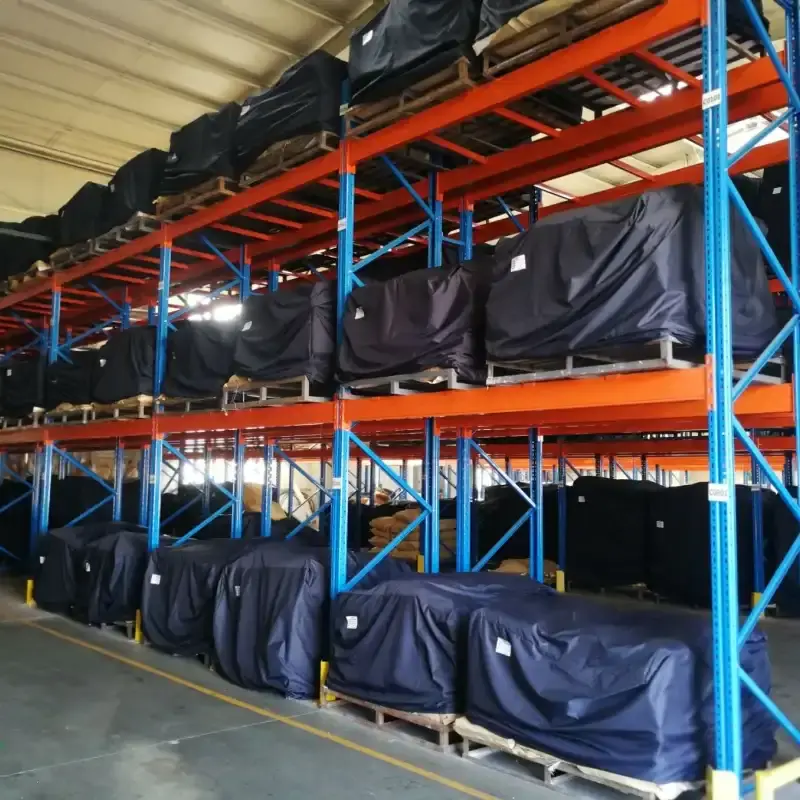
For safety reasons, it is very important to handle and store Trimanganese tetraoxide the right way. Personal protective equipment (PPE) like chemical-resistant gloves, safety shields, and breathing masks if dust or fumes are present must be worn when dealing with this compound. Keep trimanganese tetraoxide in a cool, dry place, out of direct sunlight and away from things that don't work with it. Making sure the store place has good air flow and the right firefighting gear is important. Containers should be tightly sealed and checked often for signs of damage or leaking to avoid spills or releases that happen by accident. Use closed systems or local air ventilation when moving Trimanganese tetraoxide to keep dust levels low. It is also important to keep up with good housekeeping habits, like cleaning up work areas regularly and throwing away waste that contains Trimanganese tetraoxide in the right way. By following these handling and storage procedures, the risks associated with using Trimanganese tetraoxide in drilling operations can be significantly reduced.

How does Trimanganese tetraoxide impact environmental safety in drilling operations?
Individuals who work with trimanganese tetraoxide require to think approximately how it influences the security of the region whereas they burrow. Trimanganese tetraoxide can be valuable for burrowing, but it is critical to take after the right security rules for the region to keep dangers to a least. One enormous stress is that the fabric seem contaminate the arrive and water if it is not tossed absent or treated accurately. This is why boring companies ought to make exhaustive plans for how to halt spills and clean them up. To keep the environment from getting hurt by mishap, this implies utilizing the right control frameworks, such as berms or additional control regions. Also, appropriate trash administration ought to be put in put to make beyond any doubt that any junk that contains Trimanganese tetraoxide is tossed absent in a way that takes after neighborhood and national rules. It is moreover vital to keep an eye on the discuss quality close burrowing locales to discover and settle any issues that might be caused by Trimanganese tetraoxide clean or exhaust. By taking these security safeguards for the environment, boring exercises can diminish the harm that utilizing Trimanganese tetraoxide does to the environment whereas still utilizing its valuable qualities for penetrating.
What emergency response protocols should be in place when using Trimanganese tetraoxide?
When digging with Trimanganese tetraoxide, it is important to have strong emergency reaction plans in place to protect workers and the environment. A full emergency reaction plan should have clear steps for dealing with spills, fires, and possible exposures to the chemical. To stop the spread of Trimanganese tetraoxide after a spill, control steps should be put in place right away. This could mean using absorbent materials made especially for chemical spills and getting rid of contaminated items in the right way. When there is a fire involving Trimanganese tetraoxide, it is very important to have the right emergency gear on hand, like carbon dioxide or dry chemical extinguishers. Water should be used with care because it could mix with the substance. If someone is exposed to Trimanganese tetraoxide, they should be able to easily get to emergency eyewash stations and safety baths. Workers should be taught first aid methods that are special to exposure to Trimanganese tetraoxide, such as how to properly clean up afterward. Also, clear evacuation plans should be made and practiced regularly to make sure that there is a quick and organized reaction in case of a big incident involving Trimanganese tetraoxide. By following these emergency response plans, drilling activities can successfully handle any risks that may come up when using Trimanganese tetraoxide.
Conclusion
In conclusion, implementing comprehensive safety protocols when using Trimanganese tetraoxide in drilling operations is crucial for protecting workers, the environment, and ensuring operational efficiency. By adhering to proper handling and storage procedures, addressing environmental safety concerns, and establishing robust emergency response protocols, companies can effectively mitigate risks associated with this versatile compound. As the industry continues to evolve, staying informed about best practices and regularly updating safety measures will be essential for maintaining a safe and productive working environment in drilling operations involving Trimanganese tetraoxide.
Partner with Taicheng for Safe and Efficient Drilling Solutions
Xi'an Taicheng Chemical is a leading provider of chemical raw materials, specializing in active pharmaceutical ingredients (APIs), food nutrition additives, and oilfield chemical raw materials. With a focus on quality, innovation, and sustainability, we offer tailored product solutions that meet diverse geological and operational demands in the drilling industry. Our commitment to quality assurance and compliance is reflected in our international certifications and accreditations. As a trusted partner in the oilfield sector, we strive to expand our global footprint while upholding our core values of quality, adaptability, and client-centric innovation. For more information on our Trimanganese tetraoxide products and other drilling solutions, please contact us at sales@tcc-ofc.com. Choose Taicheng for safe, efficient, and sustainable drilling operations.
References
1. Smith, J. A. (2019). Safety Protocols in Drilling Operations: A Comprehensive Guide. Journal of Industrial Safety, 45(2), 112-128.
2. Johnson, M. B., & Thompson, R. C. (2020). Environmental Impact of Trimanganese Tetraoxide in the Oil and Gas Industry. Environmental Science & Technology, 54(8), 4567-4579.
3. Brown, L. K., et al. (2018). Handling and Storage of Manganese Compounds in Industrial Settings. Chemical Engineering Journal, 335, 185-197.
4. Davis, P. R., & Wilson, S. T. (2021). Emergency Response Planning for Chemical Incidents in Drilling Operations. Journal of Loss Prevention in the Process Industries, 69, 104380.
5. Lee, H. S., & Park, Y. J. (2017). Occupational Exposure to Manganese Compounds: Health Effects and Safety Measures. International Journal of Occupational and Environmental Health, 23(3), 220-234.
6. Anderson, K. L., et al. (2022). Advances in Drilling Fluid Additives: Performance and Safety Considerations. SPE Drilling & Completion, 37(1), 62-75.




Learn about our latest products and discounts through SMS or email