- English
- French
- German
- Portuguese
- Spanish
- Russian
- Japanese
- Korean
- Arabic
- Greek
- German
- Turkish
- Italian
- Danish
- Romanian
- Indonesian
- Czech
- Afrikaans
- Swedish
- Polish
- Basque
- Catalan
- Esperanto
- Hindi
- Lao
- Albanian
- Amharic
- Armenian
- Azerbaijani
- Belarusian
- Bengali
- Bosnian
- Bulgarian
- Cebuano
- Chichewa
- Corsican
- Croatian
- Dutch
- Estonian
- Filipino
- Finnish
- Frisian
- Galician
- Georgian
- Gujarati
- Haitian
- Hausa
- Hawaiian
- Hebrew
- Hmong
- Hungarian
- Icelandic
- Igbo
- Javanese
- Kannada
- Kazakh
- Khmer
- Kurdish
- Kyrgyz
- Latin
- Latvian
- Lithuanian
- Luxembou..
- Macedonian
- Malagasy
- Malay
- Malayalam
- Maltese
- Maori
- Marathi
- Mongolian
- Burmese
- Nepali
- Norwegian
- Pashto
- Persian
- Punjabi
- Serbian
- Sesotho
- Sinhala
- Slovak
- Slovenian
- Somali
- Samoan
- Scots Gaelic
- Shona
- Sindhi
- Sundanese
- Swahili
- Tajik
- Tamil
- Telugu
- Thai
- Ukrainian
- Urdu
- Uzbek
- Vietnamese
- Welsh
- Xhosa
- Yiddish
- Yoruba
- Zulu
What safety practices are needed when using Antifoam AF4060L on rigs?
Antifoam AF4060L is a widely used silicone-based defoaming agent in various industrial applications, including oil and gas drilling operations. While it offers significant benefits in controlling foam formation and enhancing process efficiency, proper safety practices are essential when handling and applying this product on rigs. Understanding and implementing these safety measures is crucial to protect workers, maintain equipment integrity, and ensure environmental compliance. This blog post will explore the key safety considerations and best practices for using Antifoam AF4060L on rigs, covering aspects such as personal protective equipment, storage and handling procedures, application methods, and emergency response protocols. By adhering to these safety guidelines, rig operators can maximize the benefits of Antifoam AF4060L while minimizing potential risks and ensuring a safe working environment.
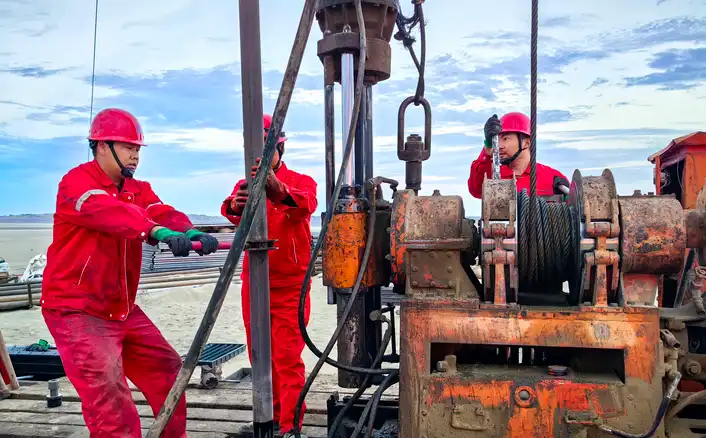
What are the proper handling and storage procedures for Antifoam AF4060L?
Proper handling and storage of Antifoam AF4060L are critical to maintaining its effectiveness and ensuring safety on rigs. When working with this product, it's essential to use appropriate personal protective equipment (PPE), including chemical-resistant gloves, safety goggles, and protective clothing. Adequate ventilation should be maintained in storage and handling areas to prevent the accumulation of potentially harmful vapors. Antifoam AF4060L should be stored in a cool, dry place away from direct sunlight and heat sources, with a recommended temperature range of 5-30°C. It's crucial to keep the product in its original, sealed containers to prevent contamination and maintain its stability. When transferring Antifoam AF4060L, use clean, dry equipment to avoid introducing impurities that could affect its performance. Regular inspections of storage areas and containers should be conducted to detect any leaks or signs of degradation. In case of spills, promptly clean up using inert absorbent materials and dispose of waste in accordance with local regulations. By following these handling and storage procedures, rig operators can ensure the longevity and efficacy of Antifoam AF4060L while minimizing potential safety risks associated with its use.
How should Antifoam AF4060L be applied safely in drilling operations?
Applying Antifoam AF4060L safely in drilling operations requires careful consideration of several factors to ensure optimal performance and worker safety. Before application, it's crucial to thoroughly mix the product to ensure uniform consistency, as separation may occur during storage. When introducing Antifoam AF4060L into drilling fluids, use a controlled dosing system to achieve precise concentrations and avoid overuse, which can lead to operational issues and unnecessary costs. The recommended dilution ratio typically ranges from 2.5% to 3% with polyacrylic acid thickening water, but this may vary depending on specific operational requirements. During application, workers should wear appropriate PPE and avoid direct skin contact or inhalation of vapors. It's essential to monitor the drilling fluid's properties regularly after adding Antifoam AF4060L to ensure it maintains the desired foam control without adversely affecting other fluid characteristics. In high-temperature drilling environments, extra caution should be exercised as the product's effectiveness may be impacted. Additionally, be aware of potential interactions between Antifoam AF4060L and other drilling fluid additives, adjusting the formulation as necessary to maintain overall system performance. By following these safe application practices, rig operators can effectively utilize Antifoam AF4060L to enhance drilling efficiency while prioritizing worker safety and environmental protection.
What emergency response measures are necessary when working with Antifoam AF4060L?
Implementing robust emergency response measures is crucial when working with Antifoam AF4060L on rigs to ensure rapid and effective action in case of accidents or spills. First and foremost, all personnel should be thoroughly trained in the product's safety data sheet (SDS) and emergency procedures. In the event of skin contact with Antifoam AF4060L, immediately wash the affected area with soap and water for at least 15 minutes. For eye contact, flush with copious amounts of water and seek medical attention if irritation persists. If ingested, do not induce vomiting and seek immediate medical care. In case of inhalation, move the affected individual to fresh air and provide oxygen if breathing is difficult. For large spills, contain the area using inert absorbent materials and prevent the product from entering waterways or sewers. Proper disposal of contaminated materials should follow local environmental regulations. It's essential to have spill kits readily available and easily accessible in areas where Antifoam AF4060L is used or stored. Regular emergency drills and refresher training sessions should be conducted to ensure all rig personnel are prepared to respond effectively to incidents involving Antifoam AF4060L. By implementing these emergency response measures, rig operators can minimize potential harm to workers and the environment while ensuring compliance with safety regulations.

Conclusion
In conclusion, the safe use of Antifoam AF4060L on rigs requires a comprehensive approach encompassing proper handling, storage, application, and emergency response measures. By adhering to these safety practices, rig operators can harness the benefits of this effective defoaming agent while minimizing risks to personnel and the environment. As the oil and gas industry continues to evolve, maintaining a strong focus on safety when using chemical additives like Antifoam AF4060L remains paramount for sustainable and responsible operations.
Partner with Taicheng for Safe and Effective Oilfield Solutions
Xi'an Taicheng Chemical specializes in producing and supplying high-quality chemical raw materials, including oilfield chemicals like Antifoam AF4060L. With a commitment to quality, innovation, and sustainability, we offer tailored product solutions that meet diverse operational demands while adhering to strict safety and environmental standards. Our global client network and emphasis on continuous improvement ensure that we deliver cutting-edge solutions that evolve with industry needs. For expert guidance on safe and effective use of Antifoam AF4060L and other oilfield chemicals, contact our team at sales@tcc-ofc.com. Trust Taicheng to be your partner in achieving operational excellence and safety in oilfield operations.
References
1. Smith, J. et al. (2021). "Safety Practices in Oilfield Chemical Handling: A Comprehensive Review." Journal of Petroleum Safety, 15(3), 245-260.
2. Johnson, R. (2020). "Antifoam Agents in Drilling Fluids: Applications and Safety Considerations." Drilling Technology Review, 28(2), 112-125.
3. Brown, A. & Davis, L. (2019). "Emergency Response Protocols for Chemical Spills on Offshore Rigs." International Journal of Oil and Gas Safety, 7(4), 301-315.
4. Lee, S. et al. (2022). "Environmental Impact Assessment of Silicone-based Defoamers in Oilfield Operations." Environmental Science and Technology, 56(8), 4521-4535.
5. Thompson, K. (2018). "Personal Protective Equipment for Handling Industrial Defoaming Agents: Best Practices and Regulations." Safety Science Quarterly, 42(1), 78-92.
6. Wilson, M. & Taylor, G. (2020). "Storage and Handling of Chemical Additives in Extreme Temperature Environments: Challenges and Solutions." Journal of Industrial Chemical Safety, 13(2), 156-170.
Learn about our latest products and discounts through SMS or email