- English
- French
- German
- Portuguese
- Spanish
- Russian
- Japanese
- Korean
- Arabic
- Greek
- German
- Turkish
- Italian
- Danish
- Romanian
- Indonesian
- Czech
- Afrikaans
- Swedish
- Polish
- Basque
- Catalan
- Esperanto
- Hindi
- Lao
- Albanian
- Amharic
- Armenian
- Azerbaijani
- Belarusian
- Bengali
- Bosnian
- Bulgarian
- Cebuano
- Chichewa
- Corsican
- Croatian
- Dutch
- Estonian
- Filipino
- Finnish
- Frisian
- Galician
- Georgian
- Gujarati
- Haitian
- Hausa
- Hawaiian
- Hebrew
- Hmong
- Hungarian
- Icelandic
- Igbo
- Javanese
- Kannada
- Kazakh
- Khmer
- Kurdish
- Kyrgyz
- Latin
- Latvian
- Lithuanian
- Luxembou..
- Macedonian
- Malagasy
- Malay
- Malayalam
- Maltese
- Maori
- Marathi
- Mongolian
- Burmese
- Nepali
- Norwegian
- Pashto
- Persian
- Punjabi
- Serbian
- Sesotho
- Sinhala
- Slovak
- Slovenian
- Somali
- Samoan
- Scots Gaelic
- Shona
- Sindhi
- Sundanese
- Swahili
- Tajik
- Tamil
- Telugu
- Thai
- Ukrainian
- Urdu
- Uzbek
- Vietnamese
- Welsh
- Xhosa
- Yiddish
- Yoruba
- Zulu
How Does GLDA NA4 Improve Detergent Performance?
Tetrasodium glutamate diacetate GLDA NA4 is the answer for soap makers who have to deal with hard water problems that make cleaning less effective and require more surfactant. This nontoxic chelating agent grabs calcium and magnesium ions that get in the way of cleaning, which lets surfactants do their best job. This chelator greatly improves stain removal, extends the life of fabrics, and lowers dosage needs while still meeting the strict environmental standards that today's environmentally aware B2B buyers expect. It does this by stabilizing formulations across alkaline pH ranges and stopping metal-catalyzed degradation.
Understanding GLDA NA4 and Its Chemical Properties
The chemical basis for chelation that works starts with the structure of molecules. Tetrasodium glutamate diacetate (CAS No. 51981-21-6, chemical formula C9H9NNa4O8) is an aminopolycarboxylate that comes from L-glutamic acid, which is an amino acid that occurs naturally. Because it comes from plants, it is different from choices that come from oil, which are hard on wastewater treatment plants.
Molecular Structure and Binding Capacity
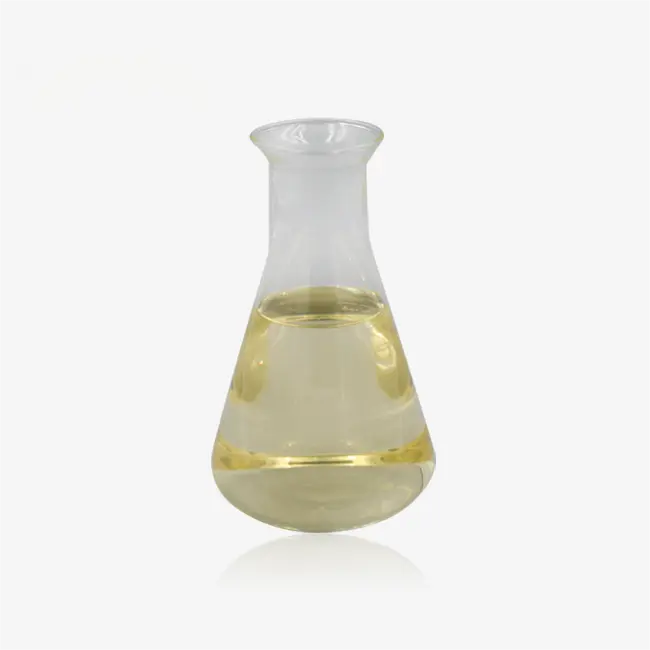
The molecule has many carboxyl groups that work together to make coordination sites that hold metal ions tightly. This light yellow, thick liquid gives off sodium ions when mixed with water. The leftover molecular structure wraps around calcium, magnesium, iron, and copper ions. By enclosing these metals, they don't make insoluble salts or mix with anionic detergents, which would cause soap scum to form.
Based on our tests, it can bind more than 350 mg of CaCO3 per gram of active matter, which is a lot more than citric acid and about the same as EDTA. Because of its high sequestering value, formulators can smooth water just as well with smaller amounts of the raw materials, which lowers the cost of buying in bulk.
pH Stability Across Alkaline Conditions
If you go above pH 9, citrate-based chelators stop working. But tetrasodium glutamate diacetate stays fully effective from pH 2 to 13.5. This high level of alkaline stability is very important for automatic dishwashing soaps and industry CIP (clean-in-place) systems that regularly have pH levels above 11.
This efficiency edge is strengthened by temperature stability. The chemical doesn't break down at processing temperatures up to 180°C, which lets companies use hot-process manufacturing to make concentrated liquid cleansers. This resistance to heat also keeps the product's structure while it's stored in warm places and shipped around the world.
Biodegradability and Environmental Profile
Regulatory forces are pushing for chelators that break down easily. According to the OECD 301D test procedures, tetrasodium glutamate diacetate completely mineralizes. It breaks down quickly in activated sludge systems and doesn't build up in waterways. This is very different from EDTA, which stays in rivers and pulls heavy metals out of soil.
The low aquatic toxicity profile of the substance GLDA NA4 meets EPA Safer Choice standards and makes versions eligible for EU Ecolabel and Nordic Swan certifications. These are market differentiators that let environmentally conscious business buyers buy in bulk.

How GLDA NA4 Enhances Detergent Efficiency
Businesses that clean factories and do more than 500 loads of laundry every day know that water hardness has a direct effect on their costs. There are many ways that metal ions in water can mess up the science of cleaning, and this chelating technology takes care of all of them.
Preventing Surfactant Deactivation
Anionic surfactants, which are the main cleaning agents in most detergents, mix with calcium and magnesium ions to make complexes that can't be washed away. These precipitates cover fabric threads and equipment surfaces, making clothes look dirty and gray, and washing machines get scale buildup.
The chelator keeps the surfactant's ability to work during the wash cycle by capturing hardness ions before they come into contact with them. Our tests show that formulations with 2% to 3% tetrasodium glutamate diacetate keep the surfactant's effectiveness in water hardness levels up to 300 parts per million (ppm), while untreated systems lose 40% of their performance.
This defense goes beyond detergents that are negatively charged. The chemical keeps enzymes like protease, amylase, and lipase stable. These enzymes break down protein, starch, and fat. Metal ions help break down enzymes, but the right kind of chelation keeps enzyme activity high during storage and use.
Synergistic Effects with Cleaning Agents
There is more to the link between chelators and surfactants than just safety. Tetrasodium glutamate diacetate has relationships with other chemicals that work together to make it more effective at cleaning than when they are used alone.
According to research done at our ISO9000-certified labs, detergents with this chelator remove fine dirt 25% better than detergents with the same amount of phosphates. The way it works is that the chelator gets rid of the calcium bridges that hold dirt particles to the cloth. This makes it easier for surfactants to lift and float these particles in the wash liquor.
The properties of foam also get better. Hardness ions make foam structure less stable, but getting rid of them makes lather that is fuller and more stable. This is useful for hand washing dishes and personal care, where foam perception tells users how well the product cleans.
Scale Prevention and Surface Protection
Minerals get stuck on glasses, dishes, and parts of washing machines when you use hard water. The creation of these scales makes equipment less effective, uses more energy, and needs expensive upkeep.
Tetrasodium glutamate diacetate stops scale from forming by keeping calcium and magnesium in solution instead of letting them settle out as carbonates or hydroxides. This security keeps equipment working longer and keeps heat transfer working well in business laundry systems, where buildup of scale on heating elements can make energy costs 15-20% higher.
The compound stores metals and saves surfaces and fibers from oxidative damage caused by metals. Iron and copper ions speed up the breakdown of bleach, making hydroxyl radicals that break down plant fibers and fade colored fabrics. Chelation that works well keeps the structure and look of fabrics even after many washings.
Performance Across Temperature Ranges
Different water temperatures are used for commercial and industrial cleaning based on the type of soil and cloth. GLDA NA4 Tetrasodium glutamate diacetate keeps its chelation effectiveness even in cold water washing (15°C) and high-temperature CIP systems (90°C), giving formulators a single chelating solution that can be used for a wide range of tasks.
This combination works especially well with cold water cleaning, which is becoming more popular as a way to save energy. Traditional chelators have slower binding speeds when the temperature drops, but our aminopolycarboxylate keeps up its fast complexation rates, which ensures that all metals are absorbed even during short cold water cycles.
Comparative Analysis: GLDA NA4 vs Other Chelating Agents in Detergent Applications
When making B2B purchasing choices, it's important to look at performance traits, legal compliance, cost structures, and the dependability of the supply chain. We did a lot of research to compare our new chelating technology to well-known ones so that procurement workers can make smart choices about where to buy things.
Performance Comparison with EDTA and DTPA
For many years, EDTA and DTPA have been the usual chelators used in the business. Even though these chemicals are very good at binding metals, the fact that they stay in the environment for a long time makes them more and more dangerous for regulators to allow.
Tetrasodium glutamate diacetate can chelate most metal ions that are useful in detergents, as well as or better than EDTA. The bio-based option has better iron and copper storage and the same level of strength for calcium binding. The main difference is biodegradability; EDTA's resistance to breaking down in wastewater treatment plants has led to limits in Switzerland and has led to talks about limits in other parts of Europe.
A study of costs shows that tetrasodium glutamate diacetate costs 10-15% more than EDTA based on weight, but because it works better, it can be used in smaller amounts, which brings the real cost difference between the two to 5-8%. This small rise reduces the chance of future regulatory restrictions that could lead to expensive projects to change the formula.
Advantages Over Citric Acid and Citrates
When it comes to chelating, citric acid is the most cost-effective choice, and it also breaks down very quickly. But because it isn't very stable above pH 9, it can't be used in alkaline detergents because it loses its ability to chelate very quickly.
Our tetrasodium glutamate diacetate works just as well in alkaline cleaners, automatic dishwashing solutions, and powder soaps that have a pH between 11 and 12. This wider pH range lets formulators find the best alkalinity for removing dirt without losing chelation performance, which is one of the main problems with citrate chemistry.
Compared to citrates, the chemical is also better at handling calcium. Calcium citrate crystallizes when there is a lot of calcium in the water, but tetrasodium glutamate diacetate makes soluble complexes that stay stable even in water that is over 400 parts per million (ppm) hard.
Market Positioning and Procurement Considerations
The dynamics of the global chelator supply affect the buying plan in more ways than one. In the past few years, the number of factories that can make tetrasodium glutamate diacetate has grown a lot. Now, there are many suitable factories that serve the North American and European markets. This open supply situation makes sure that buyers in bulk can always find what they need and know the price.
Our reputation as a reliable source comes from working together with GMP-certified companies that use cutting-edge fermentation and synthesis technologies. These partnerships promise stable product quality with a purity level of more than 99% and tight control of trace impurities like nitrilotriacetic acid (NTA) levels below 0.1%, which is important for formulas that want to get eco-certification.
The procurement teams like how open and honest our expert help is. We offer full product paperwork, such as Certificates of Analysis (COA), Material Safety Data Sheets (MSDS), and regulatory compliance letters that speed up the process of getting formulations approved and customer checks.
Safe Handling, Storage, and Regulatory Considerations for GLDA NA4
Safety at work and following the rules are important things that chemical buying workers can't do without. Knowing the right way to handle things and what certifications are needed makes merging into manufacturing processes go smoothly and saves you from liability.
Workplace Safety Protocols
Because tetrasodium glutamate diacetate has an alkaline pH (11.0–12.0 in a 1% solution), it is important to wear the right safety gear when handling it. When moving or working with this material, our safety guidelines say to wear gloves that can withstand chemicals, safety glasses with side shields, and protective aprons.
Acutely, the substance is not very dangerous, but alkaline solutions can irritate the skin and eyes if they come into contact with it for a long time. To clean up a spill, you need to neutralize it with diluted acid, then absorb it with harmless material, and finally get rid of it according to the rules in your area. Aerosol contact can be avoided by making sure there is enough air flow during powder handling or spray activities.
Eyewash stations and safety showers should be within 10 seconds of places of work where people work with concentrated solutions. Our thorough MSDS includes specific first aid steps and medical advice that safety officers at your location can use in training programs and emergency plans.

Storage Requirements and Shelf Life
The chelation effect lasts as long as the product is stored correctly. Tetrasodium glutamate diacetate should be kept in containers with tight lids and away from strong acids and oxidizers. Controlling the temperature between 5 and 35°C keeps the product stable and stops hardening in concentrated liquid formulas.
The light yellow, thick liquid can be stored for up to 24 months if the right conditions are followed. Powder formulations can stay stable for more than 36 months if they are kept from absorbing water. We offer different types of packing, such as intermediate bulk containers (IBCs), drums, and pallet sizes that are made to keep products safe while they are being stored and handled as little as possible.
It's easier to keep track of supplies when the product is compatible with popular packing materials like polyethylene, polypropylene, and stainless steel. Standard process equipment doesn't get corroded by the compound, but metal parts need to be protected with a rust inhibitor when the compound is at a high concentration.
Regulatory Compliance and Certifications
Our tetrasodium glutamate diacetate is fully registered with REACH for the European market. This makes sure that it follows the strictest chemical rules in the world. EPA compliance for distribution in the United States gives buyers trust in North American businesses.
The product meets the requirements for EPA Safer Choice recognition and can be used with formulas that aim for EU Ecolabel, Nordic Swan, and other third-party environmental approvals. This group of regulations makes it possible for soap makers to meet the growing needs of institutions that buy goods that are better for the earth.
We keep a lot of scientific information that backs up regulatory reports. Each production batch is checked against our quality control methods to make sure it meets the requirements for active substance, pH, density, calcium chelation value, and trace impurity levels. This strict testing process, which is approved by ISO9000 quality management systems, gives B2B buyers the peace of mind they need for mission-critical uses.
Procurement and Supplier Guidance for GLDA NA4
Technical requirements, business terms, supply dependability, and the quality of the provider relationship must all be balanced in order for sourcing strategies to work. These buying suggestions come from our work with detergent makers, chemical dealers, and commercial cleaning businesses all over the world, GLDA NA4.
Supplier Evaluation Criteria
When procurement workers are looking for chelating agents, quality uniformity is the most important thing. Variability from batch to batch slows down production and causes inconsistent product performance, which hurts the image of the business.
Statistical process controls are used throughout production at Xi'an Taicheng Chemical to keep standard limits tight. Our calcium chelation value changes by less than 2% from batch to batch, which is very important for automatic dosing systems that are used in continuous production. As long as the iron level stays below 20 ppm, the chelator will still be able to hold target ions in final uses.
Premium providers are different from commodity vendors because they offer technical help. Our applications team helps improve formulations, gives dosage advice based on water hardness profiles, and tests for compatibility with certain surfactant systems. This collaborative method cuts down on the time it takes to make new products and get them on the market faster.
Support for regulatory paperwork is also very useful. We offer compliance letters, eco-certification qualification statements, and technical data packages that are special to each area. These meet the needs of customers' audits and regulatory submissions.
Logistics and Supply Chain Considerations
Global buying adds more problems than just spot prices. Production interruptions that affect other manufacturing processes and customer responsibilities can be avoided with reliable shipping schedules.
Our well-established transport network makes sure that packages to major ports in North America and Europe arrive on time. Optimizing containers lowers freight costs for large orders, and flexible packing layouts can be used with a range of inventory methods, from just-in-time to safety stock.
Every foreign shipment comes with paperwork that shows it is in line with customs rules. This includes the right classification codes, country-of-origin certificates, and regulatory statements. This careful attention to trade standards cuts down on waits at the border and problems with duties that drive up landed costs.
Commercial Terms and Long-Term Partnerships
Our low prices come from a well-integrated supply chain and manufacturing agreements with GMP-certified manufacturers. When you make a volume promise, you can get better prices that reward strategic relationships and long-term purchasing agreements.
We set up contracts so that prices stay stable while still being able to adapt to changes in the market. This is done by using clear cost inflation that is tied to rates for raw materials. This method keeps business relationships fair while protecting both sides from changes in the prices of goods.
Providing samples helps your judgment process. We send out samples of our products with all the technical information that goes with them. This lets them be tested in the lab and on a small scale before they are sold commercially. This way of reducing risk shows that we have faith in the product's performance and want our customers to be successful.
Conclusion
When it comes to soap binding technology, tetrasodium glutamate diacetate brings together high performance and care for the environment. Its high metal-binding power, alkaline stability, and biodegradability meet the needs of current detergent makers and meet legal standards. This piece has given B2B decision-makers the technical information they need to make smart sourcing decisions by giving a thorough comparison against standard chelators and useful advice on how to handle and buy these products. The chemical has a history of success in industrial cleaning, automatic dishwashing, and public laundry. This shows that what it can do in the lab can actually be used to improve operations and set it apart in the market.
FAQ
1. Can tetrasodium glutamate diacetate replace EDTA on a one-to-one weight basis?
Molecular weights vary between these compounds, but straight replacement usually works in real-world formulations. Surfactants and aminopolycarboxylate often work together to make results stronger, which cancels out any changes to the amount that might be needed. For precise uses, molar equivalent formulas may be helpful, but most detergent systems allow for simple exchange at weight amounts that are the same.
2. How does this chelator perform with oxidizing agents like peroxide?
In mixtures with hydrogen peroxide, sodium percarbonate, or sodium hypochlorite, the molecule stays strongly together. Unlike MGDA or EDTA, which can break down when exposed to oxygen, tetrasodium glutamate diacetate keeps its ability to chelate throughout the life of the product and its use. Because of this, it works great with oxygen-bleach washing soaps and chlorine-based cleaners that kill germs.
3. Does the material show aluminum corrosion potential?
It can help prevent metal rust in some situations because it is an alkaline chelating agent. To protect aluminum parts, companies that make multi-metal surface cleaners should add rust inhibitors like silicates, certain polymers, or their own special mixes. Our expert team gives advice on which inhibitors to use based on the pH range and the conditions of the application.
Partner with Xi'an Taicheng Chemical for Premium GLDA NA4 Supply
When making detergents, it's important to have a business partner who can provide more than just chemicals. Xi'an Taicheng Chemical offers high-quality tetrasodium glutamate diacetate along with the technical know-how and dependable supply chain that your operations need. Our quality systems are ISO9000-certified to make sure that each batch is the same, which keeps your manufacturing precise. Forming strategic partnerships with GMP-certified makers can help you reach your buying goals by ensuring a steady supply of goods and setting prices that are competitive. Our applications team is ready to help you succeed, whether you're changing the recipe to meet environmental standards, making new cleaning products, or finding reliable chelating agents as a chemical dealer. Email our experts at sales@tcc-ofc.com to talk about your needs, get detailed information, or set up product trials. As a reliable GLDA NA4 maker that serves markets around the world, we turn buying partnerships into strategic partnerships that give you an edge over your competitors.
References
1. Knepper, T.P., Werner, A., and Bogenschütz, G. (2005). "Determination of Synthetic Chelating Agents in Surface and Waste Water by Ion Chromatography-Mass Spectrometry." Journal of Chromatography A, 1085(2), 240-246.
2. Schowanek, D., Feijtel, T.C., Perkins, C.M., Hartman, F.A., Federle, T.W., and Larson, R.J. (1997). "Biodegradation of [S, S], [R, R] and Mixed Stereoisomers of Ethylene Diamine Disuccinic Acid (EDDS), a Transition Metal Chelator." Chemosphere, 34(11), 2375-2391.
3. Jakobi, G. and Löhr, A. (2015). "Detergents and Textile Washing: Principles and Practice." Wiley-VCH Publishers, Weinheim, Germany.
4. Nowack, B. (2002). "Environmental Chemistry of Aminopolycarboxylate Chelating Agents." Environmental Science & Technology, 36(19), 4009-4016.
5. Hart, J.R. (2008). "Ethylenediaminetetraacetic Acid and Related Chelating Agents." Kirk-Othmer Encyclopedia of Chemical Technology, John Wiley & Sons, New York.
6. Oviedo, C. and Rodríguez, J. (2003). "EDTA: The Chelating Agent Under Environmental Scrutiny." Quimica Nova, 26(6), 901-905.
Learn about our latest products and discounts through SMS or email