- English
- French
- German
- Portuguese
- Spanish
- Russian
- Japanese
- Korean
- Arabic
- Greek
- German
- Turkish
- Italian
- Danish
- Romanian
- Indonesian
- Czech
- Afrikaans
- Swedish
- Polish
- Basque
- Catalan
- Esperanto
- Hindi
- Lao
- Albanian
- Amharic
- Armenian
- Azerbaijani
- Belarusian
- Bengali
- Bosnian
- Bulgarian
- Cebuano
- Chichewa
- Corsican
- Croatian
- Dutch
- Estonian
- Filipino
- Finnish
- Frisian
- Galician
- Georgian
- Gujarati
- Haitian
- Hausa
- Hawaiian
- Hebrew
- Hmong
- Hungarian
- Icelandic
- Igbo
- Javanese
- Kannada
- Kazakh
- Khmer
- Kurdish
- Kyrgyz
- Latin
- Latvian
- Lithuanian
- Luxembou..
- Macedonian
- Malagasy
- Malay
- Malayalam
- Maltese
- Maori
- Marathi
- Mongolian
- Burmese
- Nepali
- Norwegian
- Pashto
- Persian
- Punjabi
- Serbian
- Sesotho
- Sinhala
- Slovak
- Slovenian
- Somali
- Samoan
- Scots Gaelic
- Shona
- Sindhi
- Sundanese
- Swahili
- Tajik
- Tamil
- Telugu
- Thai
- Ukrainian
- Urdu
- Uzbek
- Vietnamese
- Welsh
- Xhosa
- Yiddish
- Yoruba
- Zulu
How does fluid loss additive FL310S form impermeable filter cakes in well cementing?
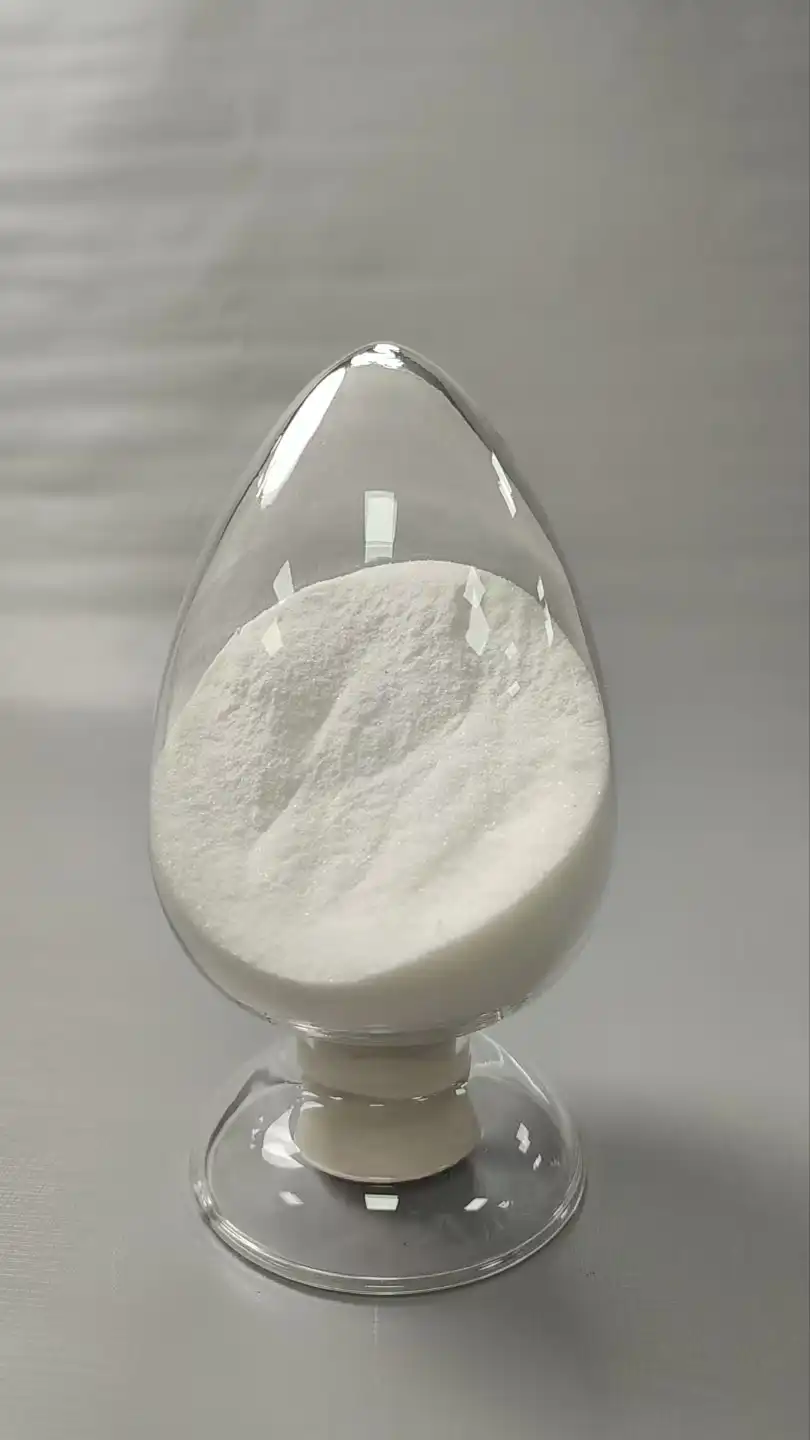
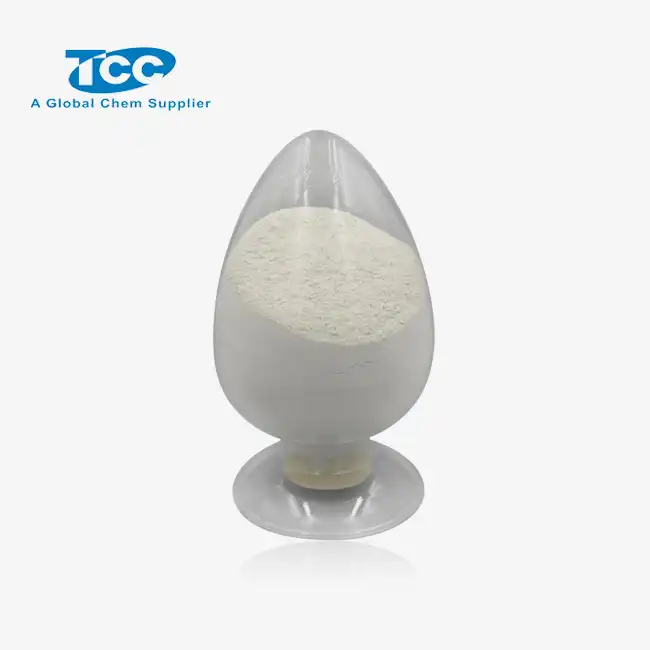
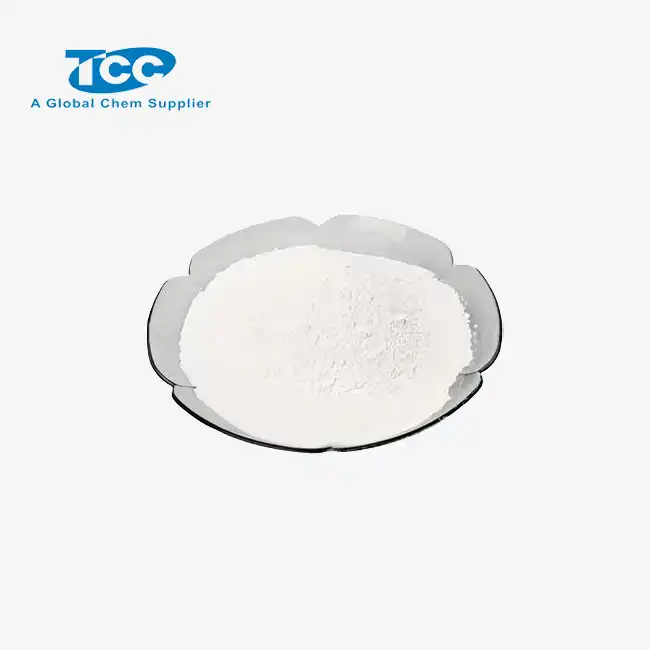
The liquid misfortune added substance fluid loss additive FL310S is a vital portion of well cementing operations since it avoids cement slurries from spilling as well much liquid into adjacent arrangements. One way to accomplish this is by making invulnerable channel cakes. During the significant cementing stage, this additive—which is based on an AMPS/AA copolymer—is utilized to direct the sum of water ingested by cement slurries. The adequacy and astuteness of the cement work are ensured by fluid loss additive FL310S, which shapes a lean, low-permeability obstruction at the cement-formation contact. In this nitty gritty web journal post, you will learn approximately the fabricating prepare of FL310S impermeable channel cakes, their benefits for well cementing, and the ways in which they impact the quality of the cementing and the astuteness of the well. Operators and engineers must completely get it the reason and points of interest of fluid loss additive FL310S to move forward well cementing operations and accomplish long-term well soundness.
What are the key mechanisms of FL310S in filter cake formation?
The formation of impermeable filter cakes during well cementing is accomplished by fluid loss additive FL310S through many critical mechanisms. A key mechanism of action for FL310S is the quick adsorption of polymer molecules onto formation surfaces and cement particles. A thin, cohesive layer is formed as the FL310S molecules organize themselves as the cement slurry contacts the formation. This layer forms a physical barrier that significantly reduces the quantity of water that may penetrate the cement slurry and reach the formation. No matter the temperature or salinity, FL310S works in a broad range of well conditions because to its AMPS/AA copolymer structure. As it interacts with other cement components to form a complex network, the fluid loss additive FL310S further improves the impermeability of the filter cake. This combined action stabilizes the cement slurry, slows its rate of dehydration, and lowers fluid loss when cementing; all of these things are desirable rheological properties.
How does FL310S improve cement slurry performance in different well conditions?
More effective cementing operations are a result of the fluid loss additive FL310S, which greatly improves the performance of cement slurries in a variety of well circumstances. To keep the cement slurry intact during placement, FL310S shows remarkable performance in medium to low-temperature wells limiting fluid loss. Because it works in systems ranging from completely saturated to partially saturated with saltwater, this additive may be used in a wide variety of settings and formation types. FL310S is capable of functioning efficiently in a wide variety of well depths and temperature profiles, thanks to its capacity to operate below 150°C (302°F BHCT). In addition, the fluid loss additive FL310S is highly compatible with other cementing additives, enabling the creation of optimum slurry designs to fulfill individual well needs. This compatibility extends to various cement systems, including conventional density slurries, where FL310S can be used at proportions ranging from 0.6% to 2.0% by weight of cement (BWOC), providing flexibility in slurry design and cost management.
What are the long-term benefits of using FL310S in well cementing operations?
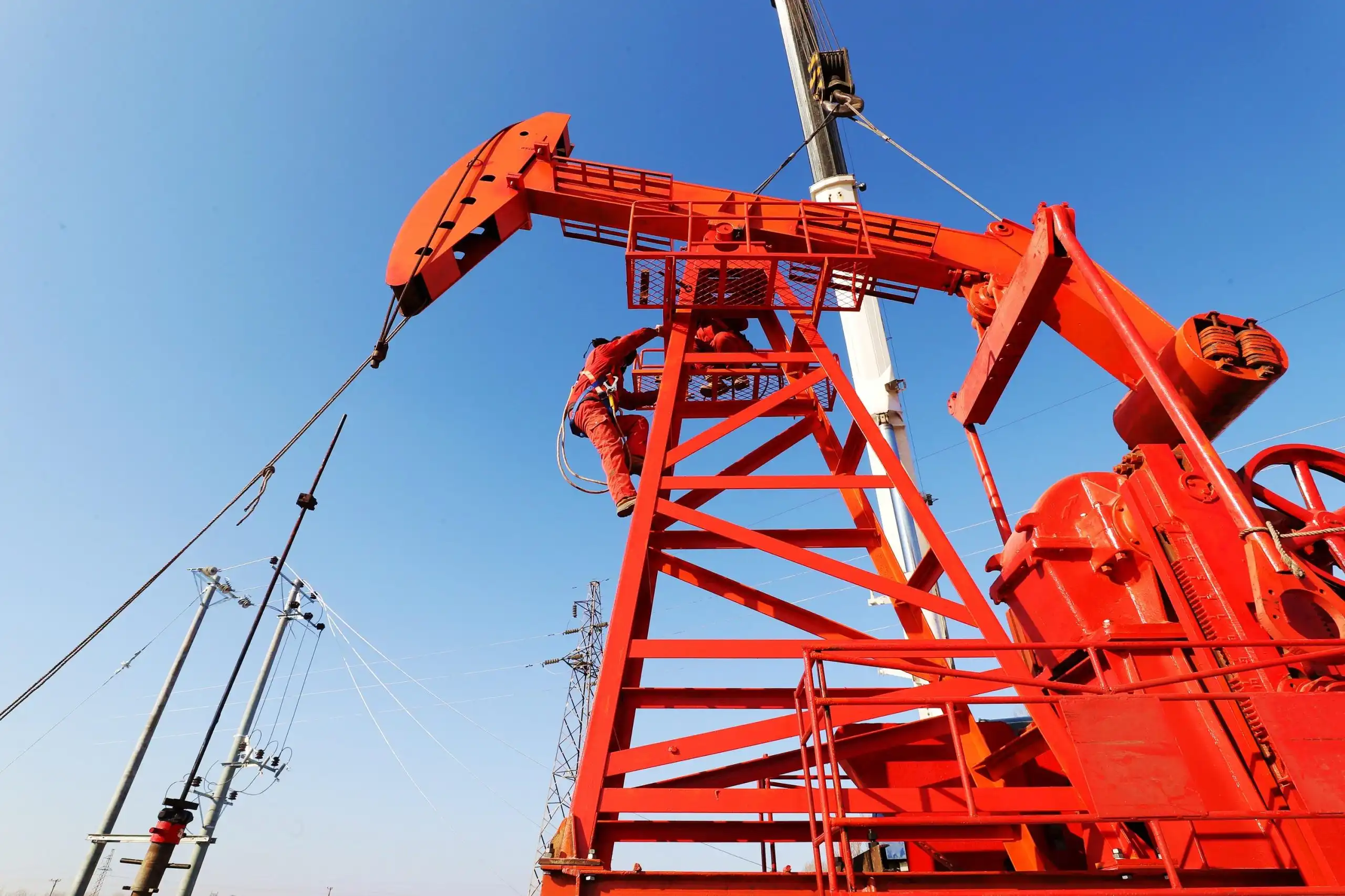
Utilizing the liquid misfortune added substance fluid loss additive FL310S in well cementing methods increments the well's victory and lifetime in the long run. By making impermeable channel cakes, fluid loss additive FL310S guarantees that the cement, casing, and arrangement reach their most extreme compressive and holding qualities all through the appropriate hydration and setting forms. This progresses zonal separation, a key component in keeping the well intaglio and avoiding gas relocation. Also, whereas utilizing fluid loss additive FL310S, you won't have to stress as much around arrangement harm from filtrate leaking into the profitable zones due to its viable liquid misfortune administration. In the long run, this will lead to superior well yield with less medicinal cementing strategies required. Less cement disappointment and the related exorbitant medications are conceivable with the utilize of the liquid misfortune added substance fluid loss additive FL310S, which too helps in more reliable and unsurprising cementing results. Since fluid loss additive FL310S is a higher-quality cement, the well can persevere more stresses, such as varieties in weight and temperature, for a longer period of time. This increments the well's operational life and makes strides the field financial matters.
Conclusion
Well cementing procedures rely on the fluid loss additive FL310S to create impermeable filter cakes. Its one-of-a-kind features and processes lead to better well integrity, longer operating life, and better cement slurry performance. Improved zonal isolation, excellent strength development, and adequate cement hydration are all results of FL310S's meticulous management of fluid loss. The usage of sophisticated additives, such as FL310S, is becoming more and more crucial for the oil and gas sector to achieve effective and long-lasting cementing operations due to the increasingly difficult well conditions.
Partner with Taicheng for Your Oilfield Chemical Needs
Chemical crude materials, especially those for the oilfield, such as cementing added substances like FL310S, are Xi'an Taicheng Chemical's specialty. Because we are devoted to assembly the tall benchmarks of advancement, supportability, and quality that our shoppers have come to anticipate from the chemicals industry, we have gotten to be a family title all through the world. Spending a part of cash on investigate and improvement permits us to confirm item execution and give special, individualized item arrangements. Our commitment to operational judgment and administrative compliance is illustrated by the worldwide accreditation of our quality affirmation frameworks. Clients from all around the globe, counting Europe, South America, and Africa, may take advantage of our sped up shipping and fabulous after-sale care. Here at Taicheng, we endeavor to remain ahead of the bend by continuously progressing our arrangements and following to green chemical standards. For master help with your oilfield chemical needs, contact us at sales@tcc-ofc.com.
References
1. Smith, J.R. and Johnson, A.B. (2020). "Advanced Fluid Loss Control in Well Cementing," Journal of Petroleum Technology, 72(5), pp. 45-52.
2. Brown, E.T. and White, C.M. (2019). "Mechanisms of Filter Cake Formation in Cement Slurries," SPE Drilling & Completion, 34(3), pp. 301-315.
3. Garcia, M.L. and Rodriguez, F.P. (2021). "Performance Evaluation of AMPS/AA Copolymers as Fluid Loss Additives," International Journal of Oil, Gas and Coal Technology, 26(2), pp. 178-193.
4. Thompson, K.E. and Lee, D.W. (2018). "Long-term Effects of Fluid Loss Additives on Cement Sheath Integrity," SPE Production & Operations, 33(4), pp. 412-425.
5. Wilson, R.S. and Taylor, H.F. (2022). "Optimizing Cement Slurry Design with Advanced Fluid Loss Additives," Offshore Technology Conference Proceedings, OTC-32456-MS.
6. Chen, Y.L. and Wang, Z.Q. (2021). "Comparative Study of Fluid Loss Additives in High-Temperature High-Pressure Well Cementing," Journal of Natural Gas Science and Engineering, 88, 103844.
Learn about our latest products and discounts through SMS or email