- English
- French
- German
- Portuguese
- Spanish
- Russian
- Japanese
- Korean
- Arabic
- Greek
- German
- Turkish
- Italian
- Danish
- Romanian
- Indonesian
- Czech
- Afrikaans
- Swedish
- Polish
- Basque
- Catalan
- Esperanto
- Hindi
- Lao
- Albanian
- Amharic
- Armenian
- Azerbaijani
- Belarusian
- Bengali
- Bosnian
- Bulgarian
- Cebuano
- Chichewa
- Corsican
- Croatian
- Dutch
- Estonian
- Filipino
- Finnish
- Frisian
- Galician
- Georgian
- Gujarati
- Haitian
- Hausa
- Hawaiian
- Hebrew
- Hmong
- Hungarian
- Icelandic
- Igbo
- Javanese
- Kannada
- Kazakh
- Khmer
- Kurdish
- Kyrgyz
- Latin
- Latvian
- Lithuanian
- Luxembou..
- Macedonian
- Malagasy
- Malay
- Malayalam
- Maltese
- Maori
- Marathi
- Mongolian
- Burmese
- Nepali
- Norwegian
- Pashto
- Persian
- Punjabi
- Serbian
- Sesotho
- Sinhala
- Slovak
- Slovenian
- Somali
- Samoan
- Scots Gaelic
- Shona
- Sindhi
- Sundanese
- Swahili
- Tajik
- Tamil
- Telugu
- Thai
- Ukrainian
- Urdu
- Uzbek
- Vietnamese
- Welsh
- Xhosa
- Yiddish
- Yoruba
- Zulu
How Does 2-bromo-2-nitropropane-1,3-diol powder Control Microbial Growth?
Microbial contamination represents a persistent challenge across diverse industrial sectors, from oilfield operations to pharmaceutical manufacturing. 2-bromo-2-nitropropane-1,3-diol powder, commonly referred to as Bronopol (CAS No. 52-51-7), controls microbial growth through a dual-action biochemical mechanism. This crystalline antimicrobial agent disrupts microbial cellular processes by oxidizing critical thiol groups found in bacterial enzymes and membrane proteins, simultaneously releasing bromine ions that penetrate cell walls to halt reproduction. Bronopol's effectiveness spans Gram-positive and Gram-negative bacteria, fungi, and algae, making it indispensable for preserving product integrity across multiple formulation environments.
Introduction to 2-Bromo-2-Nitropropane-1,3-Diol Powder (Bronopol)
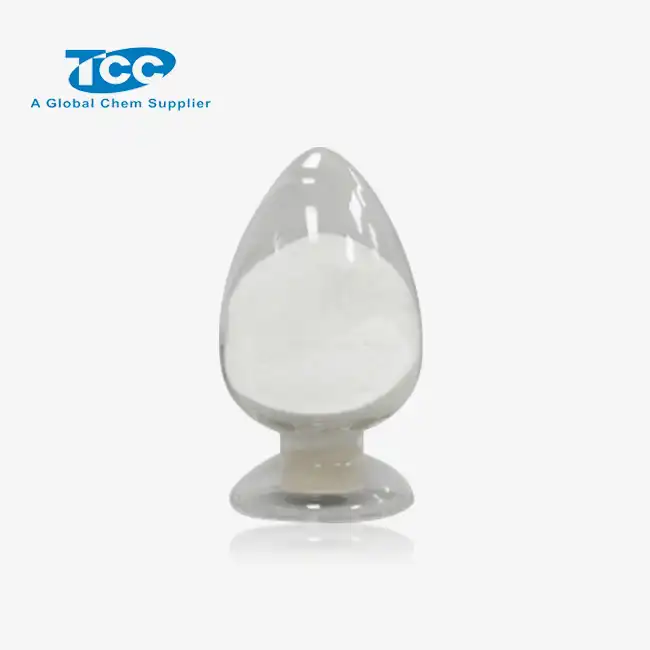
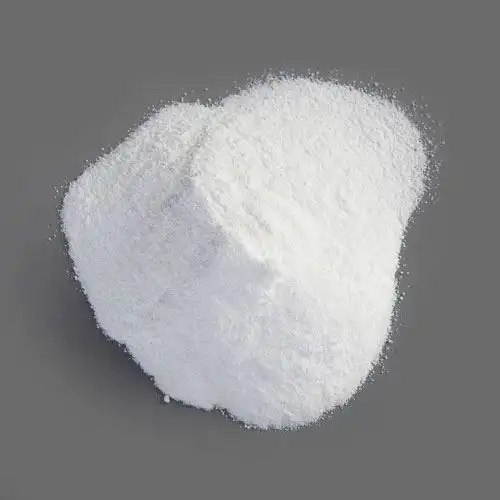
Knowing how Bronopol is made chemically helps explain why it has been the most popular antibiotic since the 1960s. Its structure is an aliphatic halogenated nitro compound, and its chemical formula is C3H6BrNO4. It appears as white to slightly yellow crystals or crystalline powder, and its melting point is very high, between 128°C and 132°C.
Chemical Composition and Physical Characteristics
Bronopol's unique molecular traits make it very effective at killing microbes. The nitro functional group and the bromine atom work together to cause strong oxidative stress in bacterial cells. Bronopol dissolves easily in water—about 25 grams dissolve in 100 milliliters at room temperature—so it can be easily added to water-based systems without having to follow complicated dissolving methods. This trait is especially useful for cosmetic formulas and water cleaning processes, where even spread is very important.
When we look at purity standards, High-Performance Liquid Chromatography (HPLC) tests show that high industrial-grade Bronopol powder keeps result values above 98%. The moisture level stays below 0.5% to keep the powder from breaking down and to keep it free-flowing for automatic dose systems. Limits on heavy metal pollution stay below 10 parts per million, which meets the standards set by the British Pharmacopoeia (BP) and the United States Pharmacopoeia (USP).
Growing Demand in Industrial Manufacturing
More and more, industries are looking for effective, broad-spectrum preservative systems that don't affect the security of the formulation. Compared to other stabilizers that have trouble with resistant bacteria or small pH working windows, Bronopol does a good job of meeting this need. In the oilfield, sulfate-reducing bacteria (SRB) make hydrogen sulfide, which speeds up pipeline corrosion and sour reservoirs. Bronopol quickly stops these risks, saving millions of dollars worth of infrastructure investments.
For B2B buying workers looking at antimicrobial additives, understanding compliance paperwork is important for seeing Bronopol's benefits. The Certificates of Analysis (COA) and Material Safety Data Sheets (MSDS) that Xi'an TaiCheng Chem Co., Ltd. provides are complete and support global regulatory submissions. This gets rid of buying problems that cause project timelines to slip.
Mechanism of Action: How Bronopol Controls Microbial Growth
2-bromo-2-nitropropane-1,3-diol powder is effective against microbes because it can mess up basic biochemical processes that microbes need to stay alive. Bronopol is not like simple oxidizing agents because it uses a complex multi-target method that keeps resistance from building up as much as possible.
Disruption Through Thiol Group Oxidation
To keep their structure and ability to catalyze reactions, bacterial enzymes need thiol groups (sulfhydryl groups) inside cysteine residues. These thiol groups are specifically oxidized by Bronopol, which stops enzymes from working permanently. This oxidative harm includes membrane-bound transport proteins, which make it harder for cells to take in nutrients and get rid of trash, both of which are necessary for survival. The metabolic crash that follows happens quickly, often within minutes of contact at the right levels.
Studies in the lab show that Bronopol can kill common pathogens with minimum inhibitory concentrations (MIC) below 50 parts per million. This includes Pseudomonas aeruginosa, a Gram-negative bacterium that is known for being resistant to most biocides. This strength lets formulators get strong protection at low dosage levels, which are usually between 0.01% and 0.1% in finished goods.
Biofilm Penetration and Prevention
Biofilm development is a tough problem in industrial water systems and for personal care items that are kept in damp places. Antimicrobial drugs have a much harder time killing microbial communities that are enclosed in extracellular polymeric substance (EPS) structures. Bronopol's molecular structure lets it get through these biofilm layers and kill bacteria that are buried and can't be reached by treatments that only work on the surface. This skill comes in very handy when working with cooling towers, where biofilm builds up and slows down heat transfer and bio-corrosion.
When Bronopol is mixed with isothiazolinones like CMIT/MIT, the two work together to fight biofilms that are resistant more effectively than either chemical working by itself. Modern methods for treating industrial water switch between different types of biocide to stop them from becoming resistant over time. This mixed approach works with those methods.
pH and Temperature Stability Factors
To make good formulas with Bronopol, you need to know how stable it is in different types of environments. The substance is most stable between pH 4.0 and 6.0, where it doesn't break down much even after being stored for a long time. When the pH level goes above 8.0, alkaline breakdown speeds up, releasing formaldehyde and bromide ions that make antibiotics less effective. Temperature also has an effect; stability drops sharply above 45°C, so it needs to be added in the last steps of preparation after it has cooled.
Formulators use these security factors to help them make the best product ideas. Encapsulation technologies or pH buffering systems can make Bronopol last longer in industrial fluids that are used at high temperatures. Understanding these technical details is what sets successful formulas apart from those that fail too soon due to a lack of preservatives or microbes.
Application and Best Practices in Diverse Industries
There are big differences in how different industries use 2-bromo-2-nitropropane-1,3-diol powder because each has its own manufacturing problems and rules that must be followed. It is most successful and cost-effective to match Bronopol's properties to particular application settings.
Oilfield Operations and Water Treatment

Controlling microbes has a direct effect on the cost and safety of oil and gas production in both the upstream and downstream areas. The growth of SRB in drilling muds and hydraulic fracturing fluids makes hydrogen sulfide, which is very dangerous to people working in the field and ruins wellbore equipment. Bronopol powder works well in these water-based systems because it kills bacteria quickly, stopping souring problems before they damage the tank.
For oilfield uses, the recommended dose range is usually between 50 and 500 ppm, but this depends on the amount of germs present and how long the fluid stays in the system. Field tests in shale plays across North America show that aggressive Bronopol treatment lowers H2S levels by 95% compared to control wells that weren't treated. This performance directly leads to longer machine life and lower costs for upkeep.
The slimicidal features of Bronopol also help industrial moving water systems. Slime builds up in heat exchanges in cooling towers and paper pulp factories, making them less efficient. Bronopol is better for tough settings because it keeps working even when there is a lot of organic matter around, unlike chlorine-based biocides that lose their power when there is a lot of organic matter.
Cosmetics and Personal Care Formulations
Since the 1980s, the cosmetics industry has used Bronopol as a mainstay in its preservative systems because it works well with anionic detergents that are popular in shampoos and body washes. Typical use concentrations are between 0.01% and 0.1%. These concentrations protect against water-borne germs that grow in bathrooms while people are using them.
Formulators like how quickly Bronopol kills Gram-negative bacteria, which are a big risk of pollution in rinse-off products. Compatibility testing shows stable performance with popular makeup ingredients like propylene glycol, glycerin, and different emulsifiers. But you still need to be careful when working with secondary amines or amides, because the creation of nitrosamines can cause problems with regulations in some markets.
Pharmaceutical and Industrial Chemical Applications
Bronopol is used by drug companies in skin antiseptics and disinfectants because it is effective against a wide range of microbes and fungi. GMP-aligned production methods make sure that active pharmaceutical ingredients (APIs) meet strict quality standards from batch to batch.
Bronopol is used in industrial glue, paints, and coatings to keep the contents of the can from going bad while they are being stored and shipped. The substance stays stable in slightly acidic mixtures, which is a good match for most paint pH ranges. This makes the paint last longer without changing how it applies or how it forms a film.
Comparing Bronopol Powder with Other Preservatives
To choose the best preservative systems, you have to weigh the pros and cons of different antimicrobial choices based on practical goals such as regulatory acceptance, stability, and handling features. In this crowded market, Bronopol stands out in a special way.
Bronopol Powder Versus Liquid Formulations
Bronopol formulations in liquid form are easier to work with on a small scale, but powder forms are better for buying in bulk for commercial use. The solid powder is very stable over a long period of time and doesn't change much when stored below 25°C in covered containers. A lot of the time, stabilizers are added to liquid formulas that could mess up some later uses or require extra regulatory paperwork.
Powder types are also better for transportation because they use less space and cost less to ship because they contain more active ingredients. This is especially important when buying from other countries, since transportation costs have a big effect on total landing costs.
Performance Comparison with Alternative Biocides
DMDM Hydantoin and Methylisothiazolinone (MIT) are two popular option preservatives that have different pros and cons. DMDM Hydantoin works as a formaldehyde releaser and has long-lasting antibacterial effects. However, it is getting more and more attention from regulators in consumer markets that are worried about formaldehyde exposure. MIT has great broad-spectrum activity, but it needs to be dosed carefully because it can make people more sensitive at higher doses.
Bronopol stands out because it kills bacteria quickly—log decreases in bacterial numbers can be seen in hours instead of days with slower-acting preservatives. This quality is very useful in shock treatment situations where controlling microbes right away keeps operations running smoothly. But the compound's pH and temperature limits mean that mixture design has to be very careful. Other options, on the other hand, have wider working windows.
Natural Preservative Trends and Market Position
Botanical extracts and organic acids are being looked at as alternatives to preservatives because more people want "natural" and "green" products. Some people like these choices, but they aren't as good at killing microbes as synthetic chemicals like Bronopol. This means that higher amounts are needed, which affects the cost of formulation and the way the product feels.
Bronopol, including 2-bromo-2-nitropropane-1,3-diol powder, has a competitive edge in corporate B2B applications that value proven performance and legal certainty. Decades of testing in a variety of settings give us faith that natural alternatives have not yet been found. When all the costs of the preserving system are taken into account, including the chance that the product will not work because of poor microbial control, the cost-benefit study always favors Bronopol.
Safety, Storage, and Regulatory Considerations
Chemical buying that is responsible includes more than just technical performance. It also includes worker safety, storage procedures, and following the changing rules and regulations. Bronopol needs to be handled in a way that is consistent with its chemical classification.
Safe Handling and Workplace Protocols
Material Safety Data Sheets list 2-bromo-2-nitropropane-1,3-diol powder as a Class 4.1 material that can catch fire and irritate the skin and eyes. People who work with the powder must wear the right personal protective equipment (PPE), such as chemical-resistant gloves, safety goggles, and dust masks, to avoid getting contact dermatitis and breathing it in. During weighing and dispensing activities, engineering controls like local exhaust airflow keep the amount of dust in the air to a minimum.
The emergency reaction plans cover possible situations where people could be exposed. If you make eye contact, you need to wash your eyes with lots of water right away for at least 15 minutes, and then you should see a doctor. If powder gets on your skin, you need to wash it off right away with soap and water to get rid of any leftover powder before it causes itching.
Optimal Storage Conditions
To keep Bronopol's antibacterial properties throughout its shelf life, it needs to be stored in a controlled environment. The powder should be kept in containers with tight lids that are kept below 25°C in cool, dry places. Photodegradation, which is shown by a yellowing coloring that means less power, happens when something is exposed to light. The uptake of hygroscopic moisture causes clumping and caking, which makes doses more difficult.
Bronopol powder stays fully active for about 24 months after it is made, as long as it is stored properly. Quality-conscious suppliers, like Xi'an TaiCheng Chem Co., Ltd., use strict warehouse management systems that keep an eye on storage temperatures and humidity levels. This makes sure that all along the supply chain, the given material meets the stated specs.
International Regulatory Compliance
It can be hard for procurement experts who serve markets in more than one region to figure out global chemical laws. There is broad governmental support for Bronopol in most major areas. It is on lists of approved preservatives for cosmetics in the European Union, the United States, and Asia. But labeling rules and allowed amounts are different depending on the area and type of product.
Getting ISO 9001 certification shows that a seller is dedicated to quality control systems that help with following the rules. The fact that Xi'an TaiCheng Chem is ISO certified means that their production processes have documented controls that keep products from getting contaminated and make sure that each batch can be tracked, which are important things to know during quality investigations or regulatory checks.
Pharmaceutical applications demand additional certifications, including GMP alignment. Xi'an TaiCheng gets Bronopol from certified makers through strategic relationships. The product meets the strict requirements for pharmaceutical-grade products and comes with all the paperwork needed to send it to regulatory agencies like the FDA and EMA.
Conclusion
If buying workers and formulators know how 2-bromo-2-nitropropane-1,3-diol powder stops microbes from growing, they can choose antimicrobial options that meet their needs. Bronopol works in two ways: it oxidizes important thiol groups and releases biocidal bromine. This gives fast, broad protection against bacteria, fungi, and biofilms that damage products and make operations less efficient. Bronopol is competitive even though it needs to be carefully formulated because it is sensitive to pH and temperature. It has been used in drilling operations, cosmetics, medicines, and industrial settings. Bronopol is a cheap way to deal with persistent microbial problems in a wide range of industrial settings when it comes from approved sources that offer full technical support and documentation.
FAQ
1. How does 2-bromo-2-nitropropane-1,3-diol powder work against germs that are resistant to other chemicals?
Compared to single-mechanism biocides, Bronopol attacks more than one part of a cell at once, including oxidizing enzyme thiol groups, breaking down membrane integrity, and penetrating biofilm structures. This makes resistance development less likely. This multi-target approach works especially well against Pseudomonas aeruginosa and sulfate-reducing bacteria that are hard to kill with regular methods.
2. Can Bronopol powder be combined with other preservatives?
Yes, using isothiazolinones together in synergistic ways does help reduce biofilm in commercial water systems. But don't use secondary amines in your formulas because they might form nitrosamines. Before full-scale production, compatibility testing makes sure that stable performance is achieved with certain mixes of ingredients.
3. What are the ideal pH conditions for Bronopol stability?
The pH range where Bronopol is most stable is between 4.0 and 6.0. When the pH level is above 8.0, it makes breakdown happen faster, which releases formaldehyde and makes antimicrobials less effective. To make the mixture as stable as possible, add Bronopol after adjusting the pH in the last steps of the process.
4. How should facilities store bulk Bronopol powder?
Keep in sealed packages below 25°C in dark, dry places away from light and water. If you store it right, it will last up to 24 months and still be fully antibacterial. Monitoring temperature and humidity stops the decline.
Partner with Xi'an TaiCheng Chem for Reliable Bronopol Supply
Your specialized 2-bromo-2-nitropropane-1,3-diol powder maker is Xi'an TaiCheng Chem Co., Ltd. They provide ISO 9001-certified quality that businesses need. Our strict quality control procedures guarantee at least 98% purity, and we back up regulatory applications around the world with full COA and MSDS paperwork. We offer reasonable prices for large purchases and also offer expert advice to help with formulation problems that are unique to oilfield chemicals, medicines, and water treatment. Our skilled research and development (R&D) team works with clients to find the best dosing settings and run compatibility tests. This lowers practical risks by using proven solutions. Taicheng's supply chain is flexible enough to meet your volume needs, and its foreign services are reliable. This is true whether you need custom formulations for difficult drilling conditions or stable API-grade material for making drugs. Contact our purchasing agents at sales@tcc-ofc.com to talk about how our 2-bromo-2-nitropropane-1,3-diol powder provider can help your next project with quick service and expert technical advice.
References
1. Davidson, P. M., & Harrison, M. A. (2020). Antimicrobial Preservatives and Natural Antimicrobial Systems in Food Preservation. CRC Press.
2. Rossmoore, H. W. (2019). Handbook of Biocide and Preservative Use: Microbial Control in Industrial Systems. Springer Science Publishing.
3. Paulus, W. (2021). Directory of Microbicides for the Protection of Materials: A Handbook for Industrial Applications. Springer Nature.
4. Denyer, S. P., & Baird, R. M. (2018). Guide to Microbiological Control in Pharmaceuticals and Medical Devices. CRC Press.
5. Watkinson, R. J., & Chartered Institute of Water and Environmental Management (2022). Industrial Water Treatment: Chemistry and Practice for Biocide Management. Royal Society of Chemistry.
6. Orth, D. S., & Milstein, S. R. (2020). Preservation of Cosmetics and Personal Care Products: Design and Development Strategies. Allured Business Media.
Learn about our latest products and discounts through SMS or email