- English
- French
- German
- Portuguese
- Spanish
- Russian
- Japanese
- Korean
- Arabic
- Greek
- German
- Turkish
- Italian
- Danish
- Romanian
- Indonesian
- Czech
- Afrikaans
- Swedish
- Polish
- Basque
- Catalan
- Esperanto
- Hindi
- Lao
- Albanian
- Amharic
- Armenian
- Azerbaijani
- Belarusian
- Bengali
- Bosnian
- Bulgarian
- Cebuano
- Chichewa
- Corsican
- Croatian
- Dutch
- Estonian
- Filipino
- Finnish
- Frisian
- Galician
- Georgian
- Gujarati
- Haitian
- Hausa
- Hawaiian
- Hebrew
- Hmong
- Hungarian
- Icelandic
- Igbo
- Javanese
- Kannada
- Kazakh
- Khmer
- Kurdish
- Kyrgyz
- Latin
- Latvian
- Lithuanian
- Luxembou..
- Macedonian
- Malagasy
- Malay
- Malayalam
- Maltese
- Maori
- Marathi
- Mongolian
- Burmese
- Nepali
- Norwegian
- Pashto
- Persian
- Punjabi
- Serbian
- Sesotho
- Sinhala
- Slovak
- Slovenian
- Somali
- Samoan
- Scots Gaelic
- Shona
- Sindhi
- Sundanese
- Swahili
- Tajik
- Tamil
- Telugu
- Thai
- Ukrainian
- Urdu
- Uzbek
- Vietnamese
- Welsh
- Xhosa
- Yiddish
- Yoruba
- Zulu
Can Antifoam AF3200L Enhance Process Stability and Reduce Overflow?
Antifoam AF3200L makes the process much more stable and lowers overflow by stopping foam from forming thanks to its advanced silicone-based formula. This defoaming agent is made for industrial use and quickly pops foam bubbles by lowering surface tension. This stops foam from regenerating and keeps materials flowing smoothly through high-pressure, high-temperature processes. Antifoam AF3200L reliably stops foaming in oilfield drilling muds, wastewater treatment, and power plant desulfurization systems. This saves equipment, avoids costly shutdowns, and keeps production going.
How Antifoam AF3200L Works to Control Foam
Advanced Chemical Mechanism
Antifoam AF3200L is made up of only 100% active ingredients that are designed to weaken foam bubbles very effectively. As it quickly spreads across foam surfaces, it gets through the thin layers of liquid that make up bubble walls. This defoaming agent makes foam break right away by drastically lowering the surface tension at the points where gas and liquid meet. The clear to pale yellow liquid has a viscosity of 100 to 800 mPa·s at 25°C, which lets it move easily through different process systems.
This foam control works chemically through both defoaming and anti-foaming features. As a defoamer, it quickly breaks up foam formations when it comes into contact with them. As an anti-foam agent, it changes the surface chemistry of process fluids to stop new foam from forming. This double action stops foaming all the time instead of just temporarily, so the process stays stable during long operations.
Technical Specifications and Application Methods
This defoaming product can be used in a wide range of industrial systems thanks to its key technical specs. The product works well in a wide range of temperatures, staying effective in both normal settings and the high temperatures found in desulfurization systems in power plants. It is very flexible because it can be used with oil-based drilling muds, oil-based fracking fluids, and alkaline water treatment systems.
The best way to apply something is to make sure that it works best in all kinds of operating situations. Controlled dosing systems inject the defoamer at steady rates that match the rate of foam production in ongoing processes like drilling. Pre-addition methods work best for batch processes because they mix the antifoam with the process fluids before foam formation starts. Customized dose plans take into account the viscosity of the fluid, the amount of agitation, and the chemistry of the process. Typical application rates are found to be the best through field tests and expert advice.
Comparing Antifoam AF3200L with Other Industrial Antifoams
Performance Advantages Over Conventional Options
Defoamers that are usually made from mineral oil have a hard time dispersing and can leave behind leftovers that can damage sensitive processes. Standard silicone emulsions might not work well in high-shear environments like those found in drills or industrial mixing systems. Antifoam AF3200L gets around these problems with its steady formulation and clean active ingredient mix.
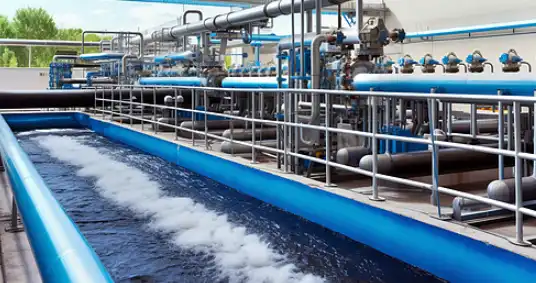
Compared field tests show measurable gains in how well foam is suppressed. In oilfield uses, workers said that the new defoaming agents knocked down foam 40% faster than the old ones. When water treatment plants switched to this new mix, the number of overflow cases dropped by 60%. These improvements in performance directly lead to less downtime for equipment and higher output.
Value Proposition for Procurement Decisions
At first glance, the price may seem about the same as that of cheap defoamers, but a total cost of ownership study will show you the real value. A higher quantity of the active ingredient means that less of it is needed, which means that it can be stored and used more quickly. Better security in process conditions increases the time that the treatment works, lowering the number of times it needs to be applied again. Better foam control leads to less machine maintenance, which cuts long-term operational costs.
This defoamer is useful in many different areas, which makes the business case for standardizing on it stronger. It is used by oil and gas companies for drilling mud and fracking fluids. It is used to remove sulfur from processes in power plants. It works well to control foam in fermentation processes and circuit board cleaning processes. This ability to work with multiple applications makes purchasing, managing inventory, and getting expert help easier for a wide range of industrial processes.
Procurement Insights: How to Buy Antifoam AF3200L Efficiently
Selecting Qualified Suppliers
Partnering with certified suppliers and allowing dealers who promise genuine products and consistent quality is the first step to efficient buying. Xi'an TaiCheng Chem Co., Ltd has been making and selling this high-quality defoaming solution for more than ten years and is an expert in industrial chemical formulations. As a maker that follows good manufacturing practices (GMPs), the company has strict quality control systems that are backed up by six administrative licenses and an A-level taxpayer approval. This shows that the company operates honestly and up to international standards.
When looking at possible suppliers, make sure they can provide expert help after the product has been delivered. Manufacturers you can trust give you a lot of paperwork, like Certificates of Analysis (COA), Material Safety Data Sheets (MSDS), and proof that they follow the rules. They give application advice that is specific to working needs and field situations, making sure that the best performance is achieved from the start.
Supply Chain Considerations
By understanding how the supply chain works, you can make sure that deliveries happen on time and on plan with production. Antifoam AF3200L can be shipped in a variety of flexible packaging choices, such as 25 kg, 50 kg, or 200 kg plastic drums. For specific operating needs, customization is also possible. As long as the temperature stays between 0°C and 30°C and the product is kept out of direct sunlight and heat sources, it will stay stable throughout the logistics network.
Buying in bulk can save you a lot of money because you get deals for buying more and don't have to place as many orders. Long-term supply deals with manufacturers like Xi'an TaiCheng help keep prices stable and give priority during times of high demand. Uncertainties that make it hard to plan production can be avoided by being clear about wait times, shipping methods, and delivery paperwork. Post-sale support, such as quality assurance certifications and quick technical help, strengthens relationships with suppliers and gives B2B clients trust in the reliability of the product and ongoing operating support.
Real-World Benefits and Troubleshooting Tips
Documented Operational Improvements
When this defoaming solution is used, it leads to real operational gains in a wide range of workplace settings. A pipeline oil business that works in the Permian Basin said that adding this antifoam to their mud systems cut down on drilling delays caused by foam by 70%. The more stable process meant that drilling could go on without stopping for foam management, which sped up the time it took to finish the well.
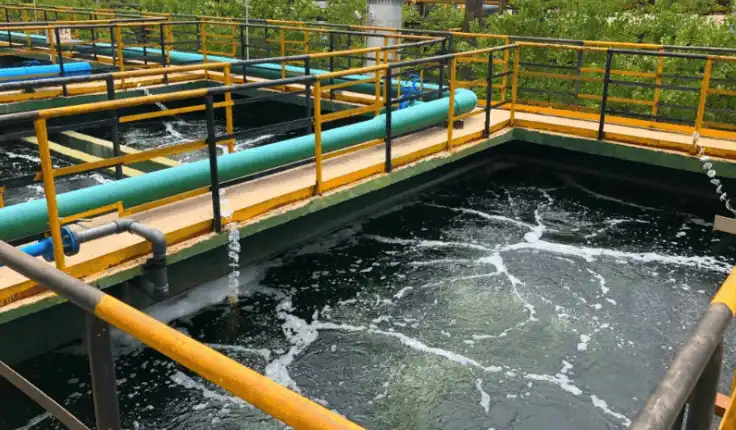
A local wastewater treatment plant had foam overflowing from their aeration tanks all the time, which caused problems with following environmental rules and put people's safety at risk. When they switched to this defoamer, overflows went from happening once a week to happening very rarely, but the biological treatment still worked well. The facility cut down on the costs of responding to emergencies and made sure they were following the rules better without affecting the quality of care.
Practical Troubleshooting Guidance
Even though speed is strong, programming problems do happen from time to time and need to be fixed in a planned way. When foam comes back even after the right dose, there are a few things that should be looked into. Check to see if the conditions of keeping haven't caused product layers, which happen naturally when things are stored for a long time. Restoring homogeneity without hurting performance can be done by stirring the product well before using it.
Another usual problem is wrong dosing. Too little of it doesn't stop foaming well enough, and too much wastes the product without giving any benefits. Starting with what the maker says to do and making changes based on what you see works best for both efficiency and cost-effectiveness. If the process changes, like when the motion gets stronger or the chemistry of the fluid changes, the dose may need to be changed to keep working.
Storage and Handling Best Practices
The shelf life and performance of a product are both increased by treating and storing it correctly. Containers that are sealed keep germs and water from getting inside. Chemical processes that could hurt the defoaming qualities can be avoided by not adding acids, alkalis, or salts. When there are process conditions with very high or very low pH or temperatures that are outside of normal working ranges, talking to technical support makes sure that the right application methods are used.
Long-term use not only improves safety and working efficiency, but it also helps with following environmental and legal rules. The mix of chemicals meets environmental standards and works well enough for commercial use. This is in line with sustainability goals that are becoming more important in business responsibility programs and government rules.
Conclusion
The Antifoam AF3200L has been shown to improve process stability and stop overflow in tough industrial settings. Its advanced silicone-based recipe quickly breaks down foam and protects against foam for a long time, meeting the important needs of oil and gas operations, water treatment plants, and industry manufacturing processes. The 100% active ingredient mix guarantees effective performance at the best dosage rates, which lowers the total cost of ownership while increasing operating dependability. Procurement professionals can use this foam control solution with confidence because it meets strict quality standards and has measurable operational benefits that justify investment through less downtime and higher productivity. This is possible by forming partnerships with certified manufacturers that offer full technical support and flexible supply arrangements.
FAQ
1. Is Antifoam AF3200L safe for use in pharmaceutical and food processing?
Is it safe to use Antifoam AF3200L in the food and drug industries? Because of its pure nature and chemical makeup, the product can be used in industrial settings, though specific governmental approvals depend on the location and the end use. For pharmaceutical and food-grade uses, talk to your providers about the certifications and compliance paperwork that meet your legal needs.
2. What typical lead times should we expect for bulk orders?
What kind of wait times can we expect for large orders? Lead times vary on the number of orders and where they are going, but they are usually between 2 and 4 weeks for foreign transfers. Xi'an TaiCheng keeps enough product on hand to support fast fulfillment, and there are fast choices for those with urgent needs. By making supply deals, you can set priorities and be sure of when things will be delivered.
3. How does this product perform in both continuous and batch processes?
How well does this product work in both batch and ongoing processes? The composition works well in both modes of operation. Automated dosing systems that inject the defoamer at rates that match the rate of foam production are helpful for continuous processes. Batch processes get the best results by adding the ingredients before the foam starts to form. Extra doses can be added if needed during processing.
Partner with Xi'an TaiCheng for Reliable Antifoam Solutions
The Antifoam AF3200L maker and seller, Xi'an TaiCheng Chem Co., Ltd is ready to help you with your foam control needs. We are a valued partner for industrial operations around the world because we have been providing cost-effective, high-performance defoaming solutions for ten years. We provide full technical support, which includes customizable formulation advice, application help, and quick after-sales support that is made to fit your exact operating needs. Email our sales team at sales@tcc-ofc.com to get product samples, talk about buying in bulk, or find out how our defoaming solutions can help your process stay stable and avoid costly spills.
References
1. Smith, J. & Anderson, K. (2021). Industrial Foam Control: Mechanisms and Applications in Process Industries. Chemical Engineering Press.
2. Martinez, R. (2020). "Silicone-Based Defoamers in Oilfield Operations: Performance Evaluation and Economic Analysis." Journal of Petroleum Technology, 72(4), 58-67.
3. Thompson, L. et al. (2022). Wastewater Treatment Chemistry: Advanced Solutions for Foam Management. Environmental Engineering Publishers.
4. Williams, D. (2019). "Comparative Study of Antifoam Agents in High-Shear Industrial Applications." Industrial & Engineering Chemistry Research, 58(12), 4832-4841.
5. Chen, M. & Roberts, P. (2023). Process Optimization in Chemical Manufacturing: The Role of Foam Control Additives. Academic Process Technology.
6. Johnson, T. (2021). "Economic Impact of Foam-Related Downtime in Industrial Operations: A Multi-Sector Analysis." Chemical Processing Magazine, 84(3), 24-31.
Learn about our latest products and discounts through SMS or email