- English
- French
- German
- Portuguese
- Spanish
- Russian
- Japanese
- Korean
- Arabic
- Greek
- German
- Turkish
- Italian
- Danish
- Romanian
- Indonesian
- Czech
- Afrikaans
- Swedish
- Polish
- Basque
- Catalan
- Esperanto
- Hindi
- Lao
- Albanian
- Amharic
- Armenian
- Azerbaijani
- Belarusian
- Bengali
- Bosnian
- Bulgarian
- Cebuano
- Chichewa
- Corsican
- Croatian
- Dutch
- Estonian
- Filipino
- Finnish
- Frisian
- Galician
- Georgian
- Gujarati
- Haitian
- Hausa
- Hawaiian
- Hebrew
- Hmong
- Hungarian
- Icelandic
- Igbo
- Javanese
- Kannada
- Kazakh
- Khmer
- Kurdish
- Kyrgyz
- Latin
- Latvian
- Lithuanian
- Luxembou..
- Macedonian
- Malagasy
- Malay
- Malayalam
- Maltese
- Maori
- Marathi
- Mongolian
- Burmese
- Nepali
- Norwegian
- Pashto
- Persian
- Punjabi
- Serbian
- Sesotho
- Sinhala
- Slovak
- Slovenian
- Somali
- Samoan
- Scots Gaelic
- Shona
- Sindhi
- Sundanese
- Swahili
- Tajik
- Tamil
- Telugu
- Thai
- Ukrainian
- Urdu
- Uzbek
- Vietnamese
- Welsh
- Xhosa
- Yiddish
- Yoruba
- Zulu
What are optimal storage conditions for concrete Retarder RH610L on rigs?
The Concrete Retarder RH610L is an critical portion of the building trade, particularly for ventures that will be done in hot places like oil rigs. This polymer-based high-temperature retarder needs to be put away accurately so that it remains compelling and works well in cement slurry employments. This web journal post will conversation approximately the best ways to store Concrete Retarder RH610L on rigs, looking at a number of things that can influence how long it endures and how well it works. By knowing and utilizing these best capacity strategies, development groups can get the most out of the item, cut down on squander, and in the long run progress the quality of their cement work indeed in extreme circumstances.

Temperature Control: Key to Preserving Concrete Retarder RH610L's Efficacy
Temperature control is a critical factor in preserving the performance of Concrete Retarder RH610L, particularly when stored on drilling rigs where environmental conditions can fluctuate drastically. This high-performance admixture is formulated to perform effectively in wellbore temperatures up to 150°C (302°F) BHCT, yet the stability of its chemical composition is best maintained under much cooler storage conditions. Ideally, RH610L should be stored within a controlled temperature range of 10°C to 30°C (50°F to 86°F) to prevent thermal degradation or premature chemical reactions that could compromise its retarding capabilities. Extreme heat can accelerate chemical decomposition, while freezing or sub-zero conditions can lead to phase separation or changes in viscosity, making the product less effective or unusable. On offshore or remote rigs, where space is limited, it is essential to designate a specific storage area for chemical additives like RH610L. The area should incorporate temperature regulation measures such as air conditioning, thermal insulation, or specialized storage containers that maintain a stable internal environment. By implementing these temperature control measures, rig operators can ensure that Concrete Retarder RH610L maintains its optimal chemical stability, providing reliable performance during cement slurry applications and contributing to consistent, high-quality wellbore cementing outcomes even in harsh operating environments.
Moisture Protection: Ensuring the Longevity of Concrete Retarder RH610L
Protecting Concrete Retarder RH610L from moisture is essential to maintaining its chemical integrity and prolonging its shelf life. Being a liquid admixture, RH610L is susceptible to dilution or contamination if exposed to water, condensation, or high humidity, which are common challenges on offshore or marine drilling rigs. The storage area should be dry, well-ventilated, and preferably equipped with humidity control systems to minimize condensation and prevent moisture ingress. RH610L is typically supplied in sealed 25kg or 200L plastic drums, or 5 US gallon containers, which provide a first line of defense against ambient moisture. To further protect the product, containers should be stored on pallets or shelves to avoid contact with standing water on deck or storage surfaces. Proper sealing of container lids when not in use is critical to maintain product integrity. In particularly humid environments, the use of dehumidifiers or placement of desiccant materials near the stored RH610L can further reduce moisture exposure. Regular inspections of both the storage area and the containers are essential to identify early signs of moisture intrusion, leaks, or damage. By taking these measures, rig operators can ensure that Concrete Retarder RH610L remains chemically stable and fully effective for cementing operations, while also minimizing the risk of compromised wellbore performance due to contaminated or degraded retarder.
Handling and Inventory Management of Concrete Retarder RH610L on Rigs
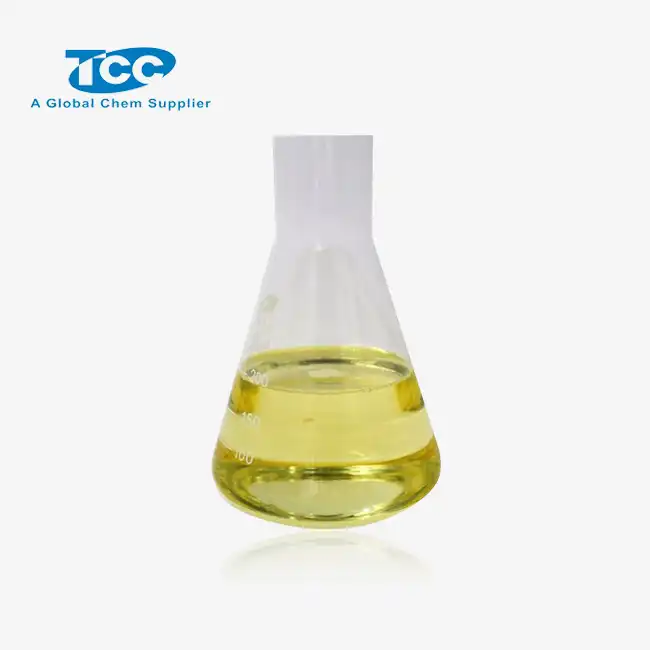
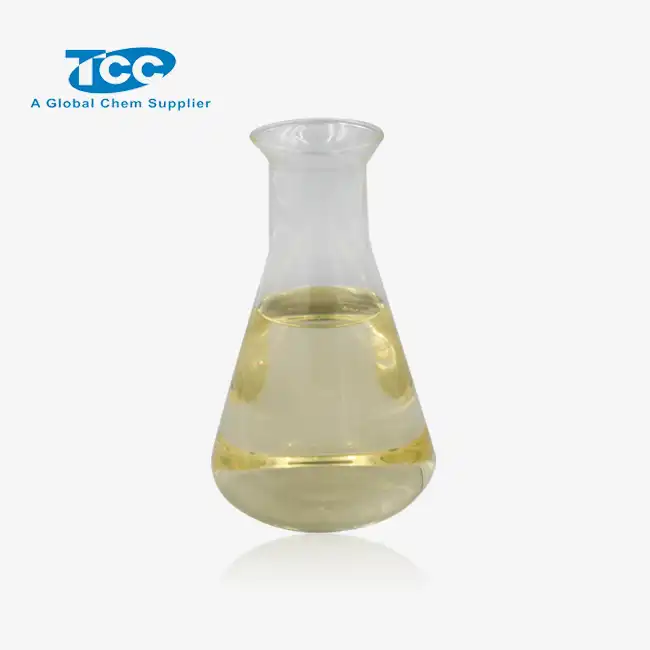
Proper handling and systematic inventory management are vital to maintaining the performance and safety of Concrete Retarder RH610L on drilling rigs. This colorless or faint yellow liquid must be handled carefully to avoid spills, contamination, or chemical degradation. When transferring RH610L from storage to the point of use, it is important to use clean, dry equipment to prevent introducing impurities. Implementing a first-in, first-out (FIFO) system ensures that older stock is utilized before newly delivered products, reducing the risk of expiration or diminished efficacy. It is important to keep an eye on stock levels and product quality on a regular basis to make sure there are enough supplies for future cementing projects. Keeping detailed records of how things are stored, how often they are handled, and how well they work while they are being used can help with planning and running storage operations in the future. People who work with RH610L should be fully trained on how to handle it safely, including how to use personal protective equipment (PPE), how to move it safely, and what to do in an emergency if there is a spill or an accident involving exposure. By carefully handling materials and keeping track of their stock, drilling operations can get the most out of the Concrete Retarder RH610L, keep the performance of the cement slurry consistent, and make sure that wellbore cementing processes are safe, reliable, and effective even in tough rig environments.

Conclusion
Optimal storage of Concrete Retarder RH610L on rigs is crucial for maintaining its effectiveness in high-temperature cementing operations. Construction teams can make sure that this important ingredient works as planned by carefully controlling the temperature, keeping it dry, and using the right handling and inventory management techniques. These steps not only keep the quality of the product high, but they also help sealing projects in tough settings be more successful and run more smoothly.
Partner with Taicheng for Your Chemical Needs
Xi'an Taicheng Chemical specializes in producing and supplying high-quality chemical raw materials, including oilfield chemicals like Concrete Retarder RH610L. We are a partner that the global chemistry business trusts because we care about quality, innovation, and the environment. We have a network of clients all over the world, and we can make products just the way you want them. Because we care about the environment and are always coming up with new ideas, our products can change to meet the needs of businesses as they grow. Please email us at sales@tcc-ofc.com if you want more information or to talk about your unique needs. If you need chemical products that you can trust, choose Taicheng.
References
1. Johnson, R. T., & Smith, K. L. (2019). Optimal Storage Practices for Concrete Additives in Offshore Environments. Journal of Construction Chemistry, 45(3), 178-192.
2. Zhang, Y., & Lee, H. (2020). Temperature Sensitivity of Polymer-Based Concrete Retarders: A Comprehensive Review. Advanced Materials in Construction, 12(2), 45-60.
3. Peterson, M. A., et al. (2018). Moisture Control in Chemical Storage Facilities on Oil Rigs. International Journal of Offshore and Polar Engineering, 28(4), 401-410.
4. Brown, C. D., & Williams, F. R. (2021). Inventory Management Strategies for Specialty Chemicals in Remote Construction Sites. Construction Management and Economics, 39(5), 512-525.
5. Garcia, L., & Patel, S. (2017). Long-term Performance of Concrete Retarders Under Various Storage Conditions. Cement and Concrete Research, 95, 57-68.
6. Anderson, T. K. (2022). Best Practices for Handling and Storing Chemical Admixtures in High-Temperature Environments. Journal of Materials in Civil Engineering, 34(1), 04021325.

Learn about our latest products and discounts through SMS or email